Side-by-Side IQ Profile: Identical Scores, Divergent Applications
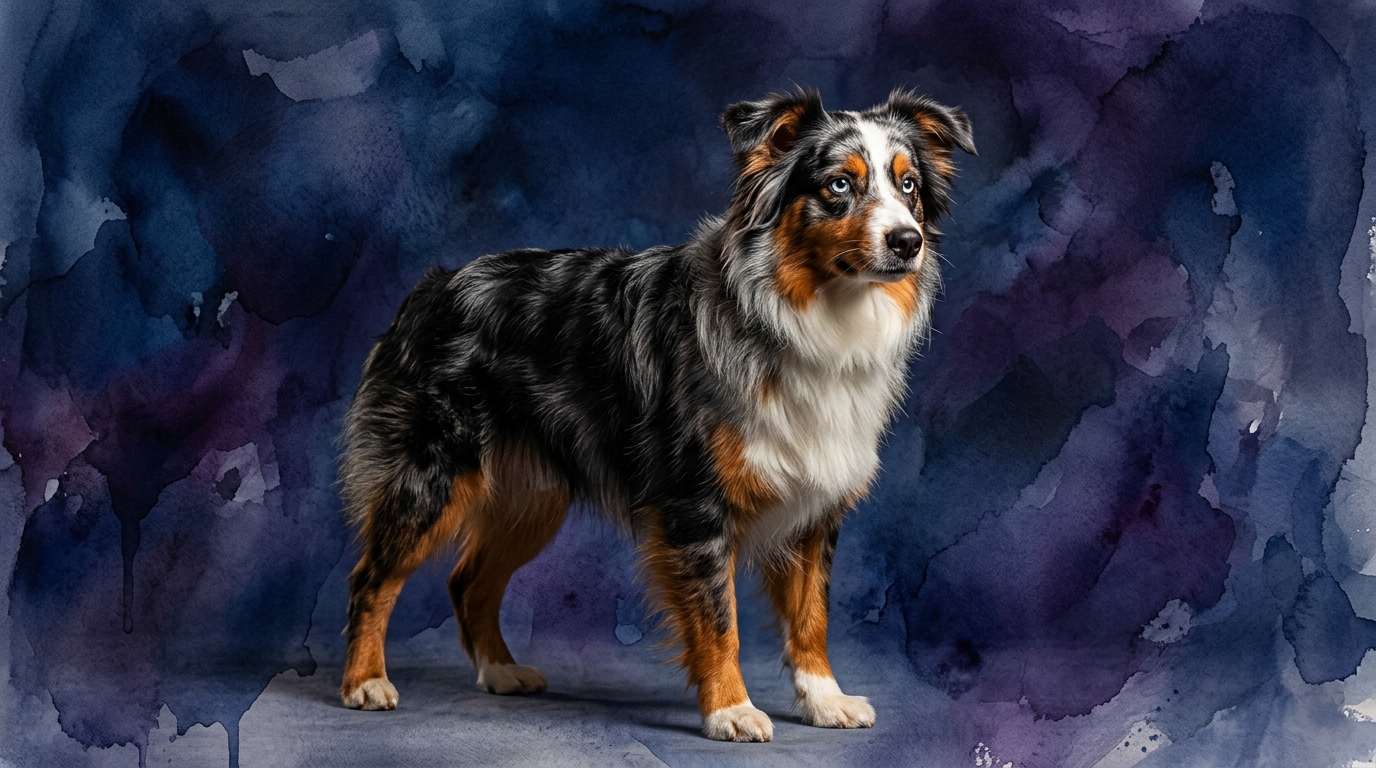
On paper, the Miniature American Shepherd (MAS) and the Wirehaired Pointing Griffon (WPG) appear to be cognitive twins, each scoring 3/5 in Problem Solving, Training Speed, Social Intelligence, Instinctive Drive, and Memory. However, these identical metrics manifest quite differently in their day-to-day behaviors and working styles, reflecting their breed-specific evolutionary paths. For the Miniature American Shepherd, a 3/5 in Problem Solving often translates to an aptitude for strategic livestock management, anticipating the movements of a flock and maneuvering them efficiently. Their 3/5 Training Speed indicates a responsiveness to learning complex sequences for herding trials or agility courses, readily absorbing new commands within their structured working environment. Social Intelligence at 3/5 for the MAS highlights their sensitivity to handler cues and their ability to read the subtle body language of both humans and other animals, crucial for effective herding. Their Instinctive Drive, also 3/5, is strongly rooted in their desire to gather, control, and protect, channeling this energy into purposeful work. Finally, a 3/5 Memory allows them to recall intricate patterns, boundary awareness, and learned routines essential for their herding tasks.
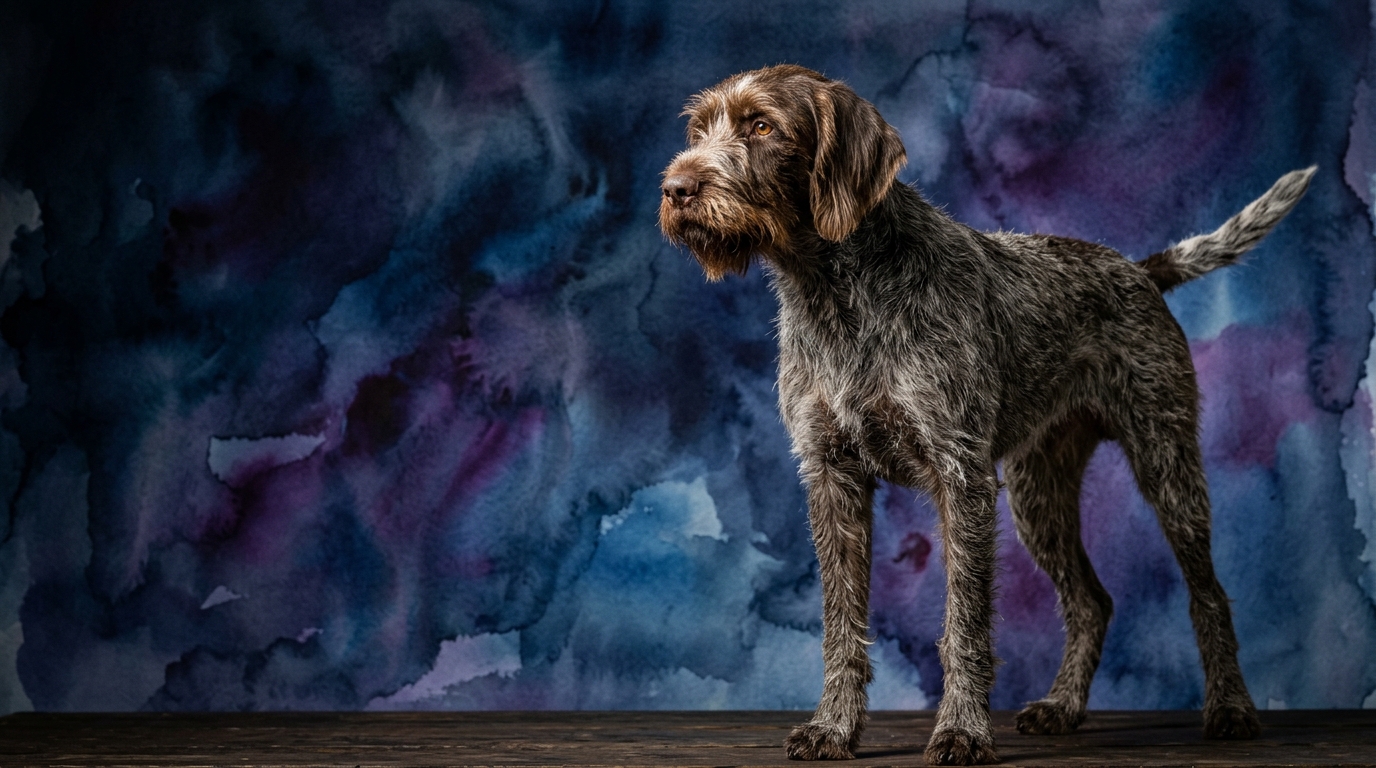
The Wirehaired Pointing Griffon, while sharing the same raw scores, applies these cognitive strengths to a different domain. Their 3/5 Problem Solving manifests as adeptness in locating hidden game, navigating challenging terrain, and strategizing the best approach to retrieve. A Training Speed score of 3/5 for the WPG means they are capable learners, particularly when it comes to specific hunting commands like 'whoa' or 'retrieve,' quickly grasping tasks that align with their strong prey drive. Their 3/5 Social Intelligence is often demonstrated through their close bond with their hunting partner, understanding subtle hand signals and maintaining focus despite environmental distractions. The WPG's 3/5 Instinctive Drive is a powerful blend of pointing, retrieving, and water work, compelling them to search, locate, and bring back game with tenacity. Their 3/5 Memory enables them to recall scent trails, mark fallen birds, and remember the layout of various hunting grounds, making them highly effective field companions.
Where the Miniature American Shepherd Wins Cognitively
The Miniature American Shepherd's cognitive strengths truly shine in environments that demand precise control, agility, and a nuanced understanding of group dynamics. Their herding background imbues them with an inherent ability to process and react to rapidly changing situations involving multiple moving elements, whether it’s a flock of sheep or a complex agility course. This translates into a superior capacity for tasks requiring multi-step sequencing and quick, adaptive decision-making. For instance, a MAS might excel at a 'send out' command in herding, calculating the optimal path to push livestock, or in an obedience routine where a sequence of distinct actions must be performed flawlessly. Their social intelligence, while rated the same as the Griffon's, often leans towards interpreting human direction with a high degree of fidelity, making them exceptionally responsive to subtle handler cues in performance sports. This breed demonstrates a particular cognitive advantage in scenarios demanding intricate spatial reasoning and the ability to anticipate movement, making them highly adept at adjusting their strategy on the fly to achieve a specific outcome.
Where the Wirehaired Pointing Griffon Wins Cognitively
The Wirehaired Pointing Griffon demonstrates distinct cognitive advantages in areas requiring sensory acuity, independent problem-solving in natural environments, and unwavering focus on a primary objective. Their specialized role as a versatile gun dog means their 3/5 problem-solving is often applied to intricate scent discrimination and trail following, navigating complex olfactory landscapes to pinpoint game. This involves a sophisticated mental mapping of their surroundings, remembering where they've searched and where they still need to explore. A WPG's memory excels in recalling specific locations of fallen game or persistent scent trails over extended periods, an invaluable trait in the field. Furthermore, their instinctive drive, while rated identically, is geared towards a sustained, independent search, allowing them to work far from a handler while remaining goal-oriented. This breed demonstrates a cognitive edge in tasks demanding resilience, self-reliance, and an intense, sustained focus on a singular sensory input, such as a bird's scent, making them highly effective at methodical exploration and discovery.
Which is Easier to Train and Why
Despite both breeds scoring 3/5 in Training Speed, the ease of training can vary significantly depending on the desired outcome and the trainer's approach. The Miniature American Shepherd often presents as easier to train for general obedience and performance sports due to their strong desire to work cooperatively with a handler and their inherent 'off switch.' Their herding instinct makes them naturally attentive to direction and keen to please, often translating into quicker acquisition of commands like 'stay,' 'heel,' and complex agility sequences. However, if their innate herding drive isn't channeled, they might attempt to 'herd' children or other pets, requiring consistent redirection. The Wirehaired Pointing Griffon, conversely, can be highly trainable for specific hunting tasks, showing remarkable eagerness to learn commands related to finding and retrieving game. Their deep-seated instinct to follow scent and pursue prey, however, can make them more challenging in environments without a clear working purpose, potentially leading to independent exploration that overrides immediate obedience commands. Their focus on environmental stimuli (like scent) means general obedience requires a more consistent and engaging approach to maintain attention against powerful natural urges. Therefore, while both are capable learners, the MAS tends to be more inherently inclined towards handler-focused cooperation, making general household training often a smoother process, whereas the WPG requires a trainer who understands and can harness their powerful, independent hunting drives.
Which Suits Active Owners vs. Relaxed Owners
Neither the Miniature American Shepherd nor the Wirehaired Pointing Griffon are suitable companions for truly relaxed, sedentary owners; both breeds demand significant mental and physical engagement. The Miniature American Shepherd thrives with active owners who can provide structured activities that tap into their herding and working drives. This includes participation in dog sports like agility, obedience, flyball, or actual herding work. Owners who enjoy long walks, hikes, and consistent training sessions will find the MAS a responsive and engaged partner. Their cognitive needs necessitate regular problem-solving opportunities, even if it's just learning new tricks or puzzle toys, to prevent boredom and potential behavioral issues. They are best suited for individuals or families committed to integrating their dog into an active, mentally stimulating lifestyle, where their intelligence can be properly channeled. A MAS needs a job, even if that job is being a highly trained companion.
Similarly, the Wirehaired Pointing Griffon requires a highly active lifestyle, but their needs are often geared towards more expansive, outdoor adventures. They are ideal for owners who enjoy hunting, extensive hiking, trail running, or water sports, providing ample opportunities for their powerful scenting and retrieving instincts to be utilized. Their endurance and desire to explore make them excellent companions for owners who spend significant time in varied natural environments. A WPG will not be content with short walks around the block; they need purposeful activity that engages their innate drives, allowing them to cover ground, investigate scents, and engage in retrieving. Owners who appreciate a dog with an independent spirit for exploration, coupled with a deep loyalty to their human partner in the field, will find the WPG an exceptional fit. They are designed for rigorous outdoor work and flourish when given the chance to perform it.
The Verdict
Choose the Miniature American Shepherd if you seek a highly trainable, cooperative companion for performance sports, structured activities, or a family environment where consistent mental engagement and a desire to please are priorities.
Opt for the Wirehaired Pointing Griffon if your lifestyle involves extensive outdoor adventures, hunting, or a desire for a resilient, independent, and dedicated partner for field work and exploration.
🧠 Find Your Pet's IQ Score
Our Pet IQ Lab assessment covers 25+ tests across 5 cognitive dimensions — personalized to your breed.
Take the Full IQ Test →Frequently Asked Questions
Do Miniature American Shepherds shed a lot?
Miniature American Shepherds have a double coat and do shed, especially seasonally. Regular brushing, at least a few times a week, is recommended to manage loose hair and maintain coat health, with more frequent grooming needed during shedding periods.
Are Wirehaired Pointing Griffons good with children?
Wirehaired Pointing Griffons can be good with children, especially if raised with them and properly socialized. Their patient and calm demeanor in the home, combined with their playful nature, makes them suitable family companions, though supervision with very young children is always wise.
What kind of exercise do Miniature American Shepherds need?
Miniature American Shepherds require substantial daily exercise, including vigorous walks, runs, and opportunities for mental stimulation like agility, obedience training, or puzzle toys. Their herding background means they thrive on having a 'job' and benefit greatly from structured activities that engage both their bodies and minds.