Side-by-side IQ profile
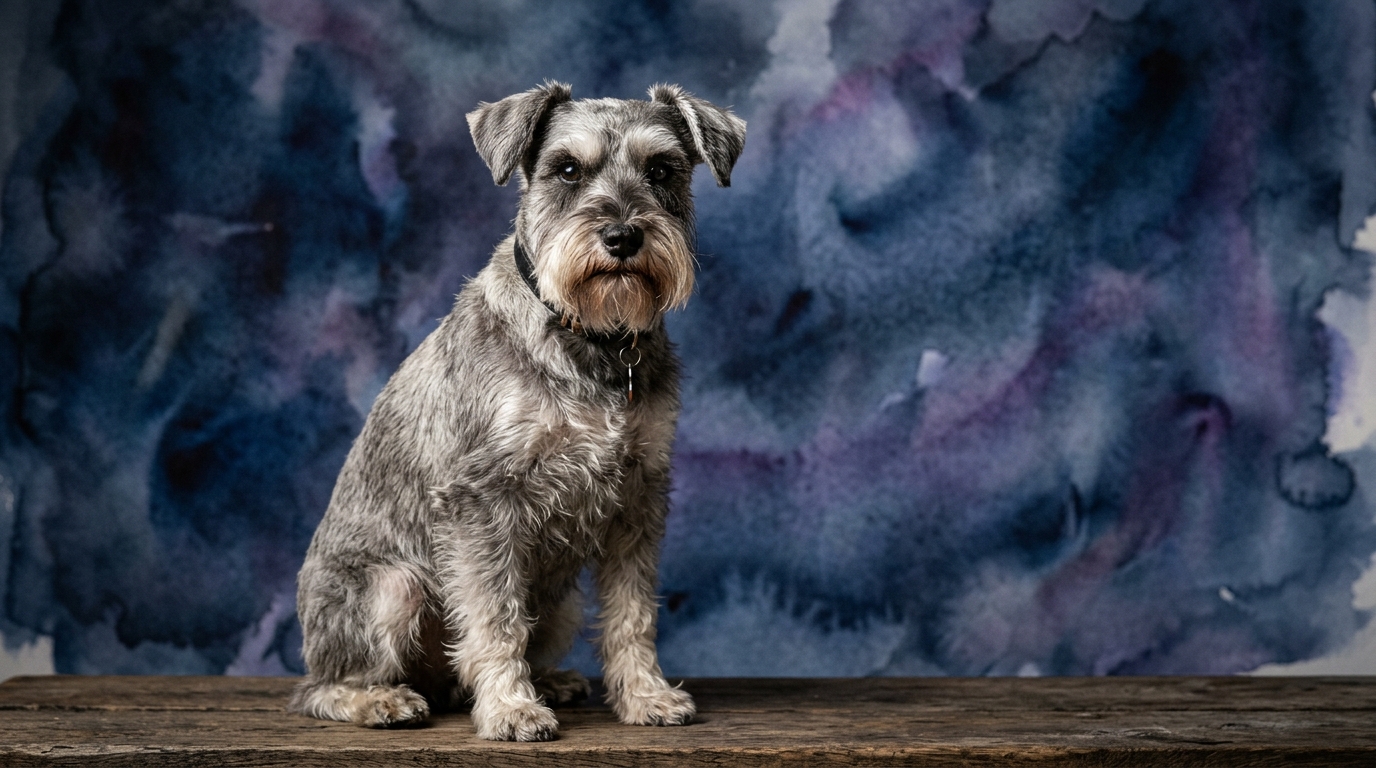
The Miniature Schnauzer, ranked #12 by Coren, presents a robust cognitive profile. Its Problem Solving score of 4/5 indicates a keen ability to navigate challenges and figure out solutions independently. With a Training Speed of 5/5, this breed demonstrates a remarkable capacity for rapid learning and retaining commands, often excelling in obedience and trick training. Social Intelligence at 4/5 suggests a strong awareness of human emotions and social cues, fostering a responsive and interactive bond. An Instinctive Drive of 4/5 means they possess a significant innate inclination towards their working terrier roots, manifesting as a diligent and sometimes persistent nature. Finally, a Memory score of 4/5 ensures they recall learned behaviors and experiences effectively, contributing to consistent performance and reliable habits.
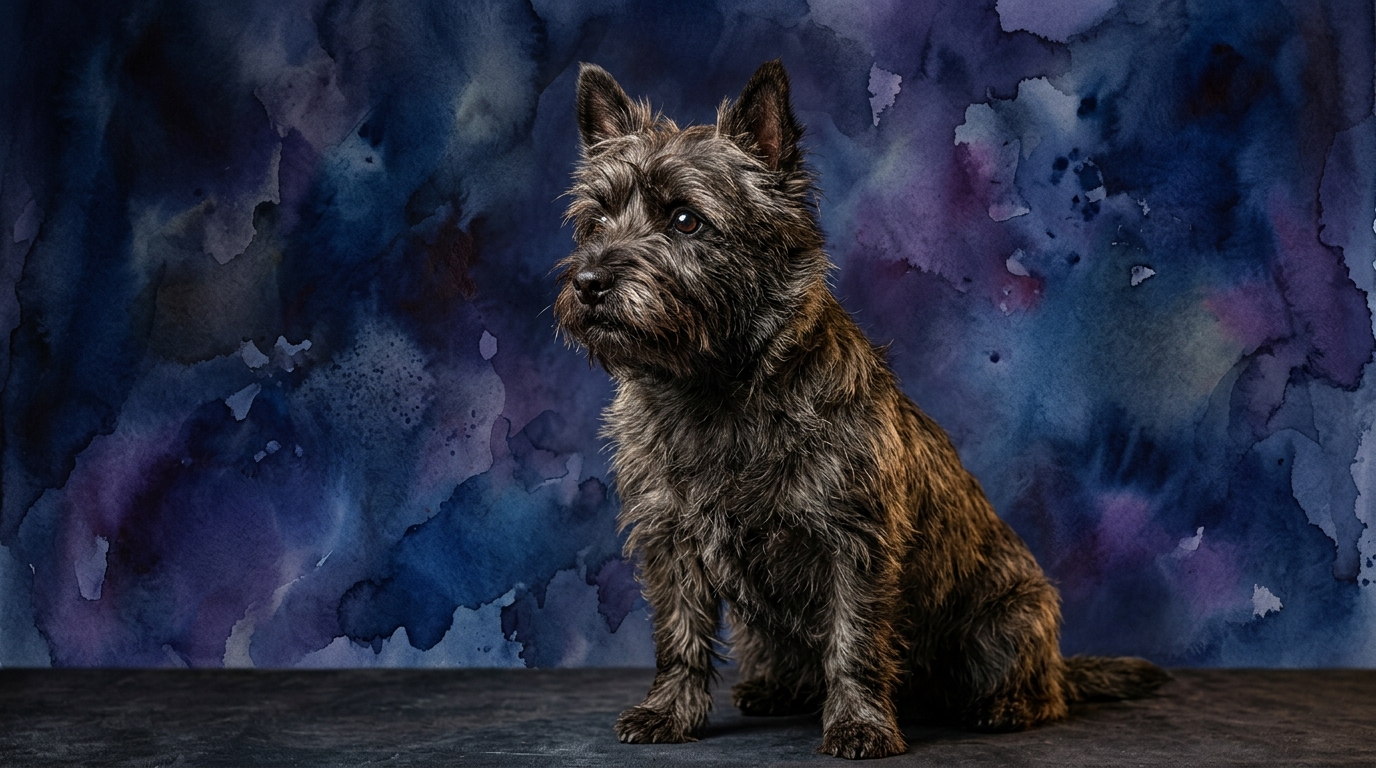
The Cairn Terrier, holding a Coren rank of #35, offers a distinct, yet equally capable, cognitive makeup. Its Problem Solving ability, also rated 4/5, shows it can tackle mental puzzles with similar aptitude to the Schnauzer, demonstrating resourcefulness in various situations. The Training Speed of 4/5 indicates a solid capacity for learning, albeit potentially requiring slightly more repetition or different motivational techniques compared to its Schnauzer counterpart. Social Intelligence at 3/5 suggests a more self-sufficient or independent disposition, less overtly focused on human emotional states, yet still capable of forming deep bonds. Its Instinctive Drive of 3/5 points to a moderate expression of terrier instincts, present but perhaps less intense than some working breeds. A Memory score of 4/5 highlights their excellent recall of routines and past events, ensuring stability in their learned behaviors.
Where Miniature Schnauzer wins cognitively
The Miniature Schnauzer distinguishes itself with superior scores in Training Speed, Social Intelligence, and Instinctive Drive. Its 5/5 Training Speed is a significant advantage, translating into a dog that picks up new commands with remarkable swiftness. This efficiency in learning means an owner can progress through training regimens at a faster pace, achieving advanced obedience or specialized skills with fewer repetitions. This breed often exhibits an eagerness to engage in structured activities, making them prime candidates for competitive dog sports like agility or rally obedience where rapid comprehension and execution are paramount. Furthermore, the Schnauzer's 4/5 Social Intelligence suggests a heightened sensitivity to human moods and intentions. This cognitive trait fosters a deeply responsive companion, one that often seems to anticipate an owner's desires or react empathetically to their emotional state. This social attunement contributes to a more integrated family member, readily adapting to household dynamics and forming strong, interactive bonds. The 4/5 Instinctive Drive also means a more focused and persistent approach to tasks, whether it's learning a new trick or "guarding" the home perimeter. This drive, when channeled appropriately, makes them highly motivated partners in various activities.
Where Cairn Terrier wins cognitively
While the Cairn Terrier's numerical scores are generally balanced or slightly lower than the Miniature Schnauzer's, its specific cognitive profile offers distinct advantages for certain owners. The Cairn's consistent 4/5 in Problem Solving and Memory, matching the Schnauzer, means it possesses robust intellectual capabilities for navigating its environment and retaining information over time. Its independent spirit, reflected in a 3/5 Social Intelligence score, can be a significant benefit for owners seeking a companion that is affectionate but not overly demanding of constant attention. This breed often exhibits a charming self-sufficiency, content to entertain itself or observe its surroundings without needing to be the perpetual center of human interaction. This specific social intelligence level can lead to a less clingy demeanor, fostering a dog that is secure in its own company and capable of quiet companionship. Furthermore, the Cairn's 3/5 Instinctive Drive, while still present, might translate into a slightly less intense manifestation of typical terrier traits compared to a 4/5 score. This could mean a moderately lower prey drive or a less insistent need for constant engagement in "work," making them potentially easier to manage in certain urban or suburban environments where their working instincts might otherwise be overstimulated. Their cognitive blend suggests a dog that is resourceful and memorable, yet possesses a nuanced independence that many find endearing and perfectly suited to their lifestyle.
Which is easier to train and why
When considering ease of training, the Miniature Schnauzer generally presents a smoother path due to its superior Training Speed and Social Intelligence. With a remarkable 5/5 Training Speed, Schnauzers typically grasp new commands and routines with impressive swiftness, often requiring fewer repetitions than many other breeds. This rapid comprehension, coupled with their 4/5 Social Intelligence, means they are often highly attuned to their owner's cues and eager to please, translating into a strong motivation to learn and cooperate. They tend to thrive on positive reinforcement and structured learning environments, making them responsive students in obedience classes or at home. Their 4/5 Instinctive Drive, when channeled into training, provides a focused determination to complete tasks. In contrast, the Cairn Terrier, with a 4/5 Training Speed, is certainly trainable and capable of learning a wide array of commands, but might require a slightly more patient and consistent approach. Owners might find that Cairns need more repetitions or varied motivational strategies to solidify new behaviors. Their 3/5 Social Intelligence suggests they might be less overtly driven by the desire to please or less sensitive to subtle human encouragement, sometimes appearing more independent in their learning process. This isn't a lack of ability, but rather a difference in their motivational drivers and responsiveness to social cues. Therefore, while both breeds are capable of becoming well-trained companions, the Miniature Schnauzer’s cognitive profile offers a more direct and often quicker route to advanced obedience and skill acquisition.
Which suits active owners vs relaxed owners
The cognitive profiles of the Miniature Schnauzer and Cairn Terrier suggest suitability for different owner lifestyles. The Miniature Schnauzer, with its 4/5 Instinctive Drive and 5/5 Training Speed, is an excellent match for active owners who enjoy engaging in regular structured activities. Their robust drive means they benefit from consistent mental and physical stimulation, thriving in environments where they can "work" or participate in dog sports like agility, obedience trials, or earthdog events. Their quick learning ability makes them ideal partners for owners who want to teach advanced tricks, engage in complex training routines, or even consider therapy work. A Schnauzer's energy and persistent nature require an owner prepared to provide ample outlets for their cognitive and physical needs, ensuring they remain well-adjusted and challenged. For more relaxed owners, the Cairn Terrier, with its 3/5 Instinctive Drive and 3/5 Social Intelligence, might be a more fitting choice. While still a terrier with an inherent zest for life, their slightly lower drive means they might be content with moderate daily exercise—a good walk, some playtime in the yard—rather than demanding intense, structured activities. Their independent social nature means they are less likely to become overly anxious if their owner isn't constantly interacting with them, making them suitable for individuals who appreciate a companion that is affectionate but also self-sufficient. They can be wonderful companions for relaxed evenings at home, as long as their fundamental needs for mental stimulation and exercise are met through less rigorous means like puzzle toys or scent games. Both breeds require engagement, but the intensity and type of engagement differ significantly.
The Verdict
Choose the Miniature Schnauzer if you are an active owner seeking a highly trainable, socially responsive companion eager to engage in structured activities and rapid learning. Its keen intellect and desire to please make it an excellent partner for advanced obedience, dog sports, or a dynamic household seeking an interactive family member.
Choose the Cairn Terrier if you appreciate a charmingly independent companion with solid problem-solving skills and memory, one that is affectionate but also content with its own company. Its slightly lower drive and more self-sufficient social nature make it suitable for owners seeking a resourceful dog that thrives on moderate activity and less intense, constant interaction.
🧠 Find Your Pet's IQ Score
Our Pet IQ Lab assessment covers 25+ tests across 5 cognitive dimensions — personalized to your breed.
Take the Full IQ Test →Frequently Asked Questions
Do Miniature Schnauzers and Cairn Terriers get along well with other pets?
Miniature Schnauzers, with their 4/5 Social Intelligence, often adapt well to other pets, especially if socialized early. Cairn Terriers, at 3/5 Social Intelligence and 3/5 Instinctive Drive, can also co-exist but might display more independence or typical terrier assertiveness towards other animals, requiring careful introductions and supervision.
Are Miniature Schnauzers or Cairn Terriers prone to specific behavioral challenges related to their cognitive traits?
Miniature Schnauzers' 4/5 Instinctive Drive and Problem Solving can lead to persistent digging or barking if not adequately stimulated, requiring owners to channel their energy constructively. Cairn Terriers' 4/5 Problem Solving and 3/5 Instinctive Drive mean they can be resourceful in finding mischief if bored, often requiring consistent mental engagement to prevent unwanted exploratory behaviors.
How do their memory scores impact their daily lives?
Both breeds score 4/5 in Memory, indicating they effectively recall past experiences, learned commands, and routines. This strong memory contributes to consistent behavior, making house-training and established routines easier to maintain, and helping them remember positive and negative interactions alike.