Side-by-Side Cognitive Profiles
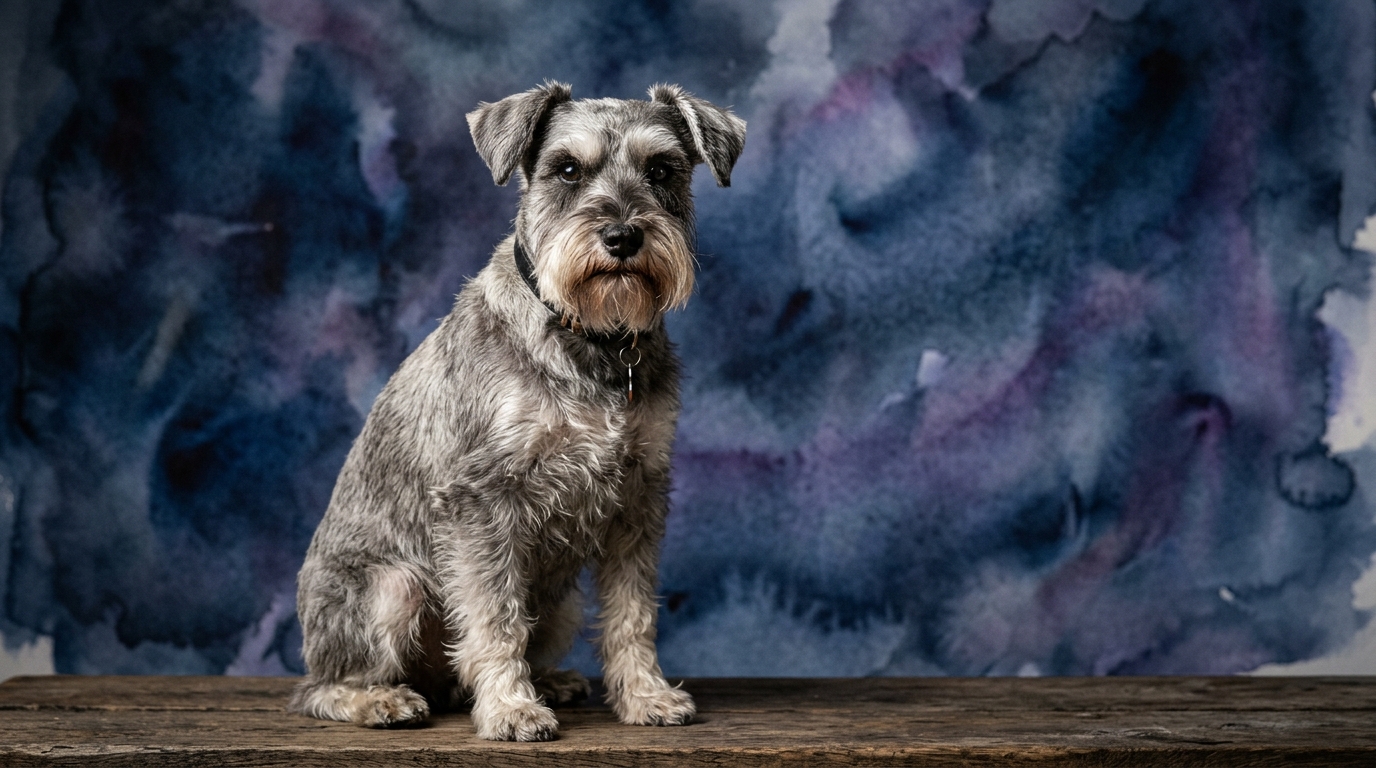
The Miniature Schnauzer, a Terrier breed ranking #12 in Coren's intelligence scale, presents a cognitive makeup geared towards interactive engagement and focused tasks. Their Problem Solving is rated 4/5, indicating a strong capacity for figuring out novel situations, such as manipulating puzzle toys or devising strategies to access desired objects, often approaching challenges with focused determination. Their Training Speed stands at an exceptional 5/5, meaning they absorb new commands and routines with remarkable swiftness, often grasping concepts after only a few repetitions, making them highly receptive to advanced obedience or trick training. Social Intelligence is 4/5; they are adept at interpreting human body language, vocal tones, and emotional states, enabling them to form close bonds and respond appropriately in various social contexts. Their Instinctive Drive, at 4/5, manifests as a keen prey instinct from their ratting origins, a robust guarding tendency, and a persistent curiosity for exploration and digging. Finally, their Memory is 4/5, indicating solid retention of learned behaviors, locations, and past experiences.
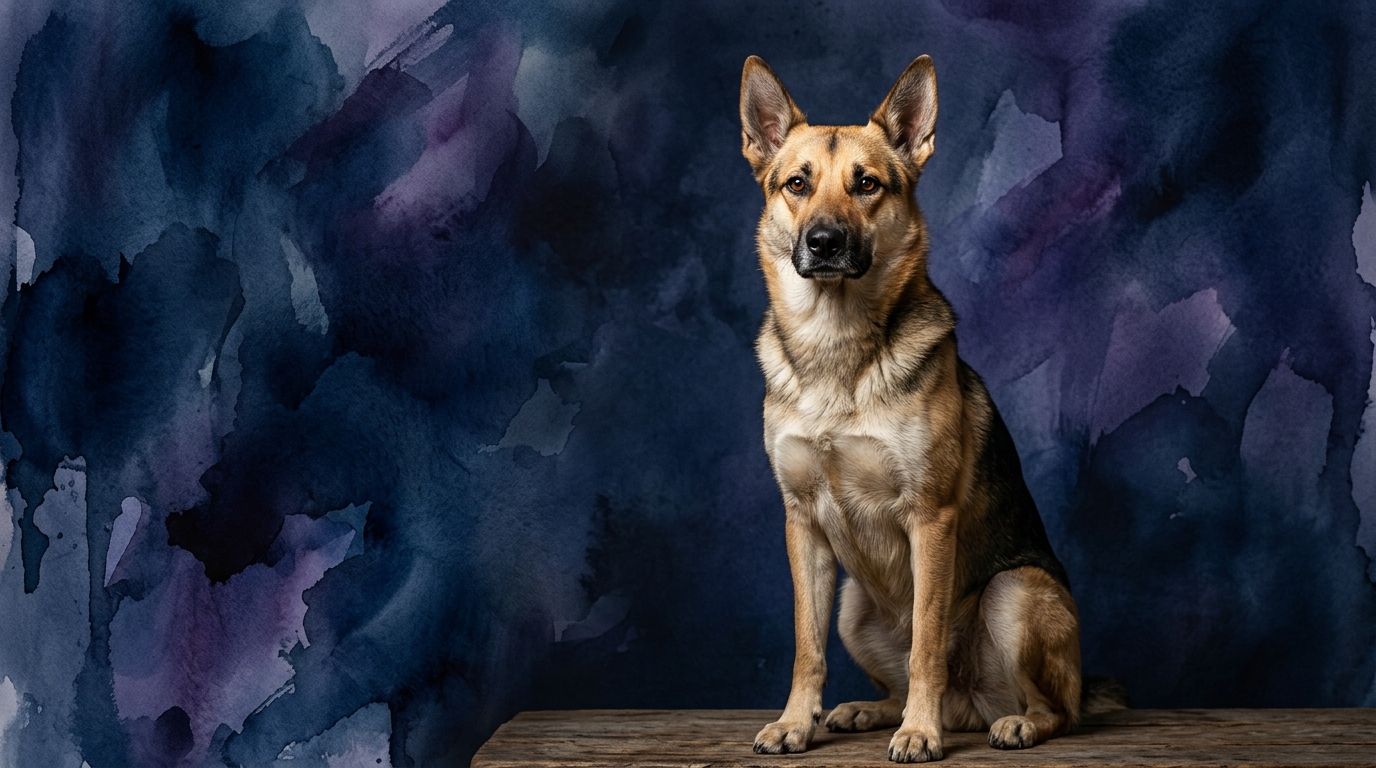
The Canaan Dog, a Herding breed ranking #43, showcases a cognitive profile shaped by its heritage as a resilient, independent desert dog. Their Problem Solving is 3/5; while capable, their approach is often more methodical and less inclined towards immediate, innovative solutions, relying more on learned patterns or careful observation rather than spontaneous experimentation. Training Speed is 3/5, meaning their learning pace is moderate; they require consistent, patient instruction and may take more repetitions to solidify new commands, not picking up tasks as quickly as more biddable breeds. Social Intelligence is 3/5; these dogs are observant of their human companions and surroundings, understanding social dynamics without necessarily seeking constant engagement, reflecting their independent nature. Their Instinctive Drive, also 3/5, is geared towards self-preservation, territorial guarding, and independent decision-making, rather than human-directed tasks, showcasing a strong sense of their environment and potential threats. Like the Schnauzer, their Memory is 4/5, ensuring that once a lesson is learned or an experience is cataloged, it remains firmly established, contributing to their reliability.
Where the Miniature Schnauzer Excels Cognitively
The Miniature Schnauzer's superior Training Speed (5/5 vs 3/5) and Problem Solving (4/5 vs 3/5) offer a distinct edge in scenarios requiring rapid learning and adaptive thinking. Their quick grasp of commands means they can progress through obedience levels much faster, making them suitable for competitive dog sports that demand precision and speed, like agility or rally. Their problem-solving acumen allows them to independently figure out complex sequences, such as manipulating multi-step puzzle toys or devising ways to access desired objects, often with a visible spark of ingenuity. This breed’s social intelligence (4/5 vs 3/5) also provides a nuanced advantage in interpreting human emotional states and tailoring their responses, fostering a more intuitive partnership in daily interactions. For instance, a Schnauzer might more readily pick up on subtle cues of a handler's frustration or excitement and adjust its behavior accordingly, enhancing the flow of communication and cooperation during training or daily life.
Where the Canaan Dog Demonstrates Unique Strengths
While not outscoring the Schnauzer in every metric, the Canaan Dog's cognitive strengths lie in areas reflecting its ancient heritage as a resilient, independent survivalist. Their Instinctive Drive (3/5) is uniquely channeled towards self-sufficiency and acute environmental awareness, making them superb natural guardians and alert observers. Unlike the Schnauzer's prey-driven instincts, the Canaan Dog's drive is rooted in surveying its territory and identifying potential threats, showcasing a profound situational awareness that doesn't necessarily rely on human direction. Their Memory (4/5) is equally strong, ensuring that once a lesson is learned or an experience is cataloged, it remains firmly established. This robust memory, combined with their capacity for independent thought, means they can recall complex territorial boundaries or past encounters with remarkable fidelity, contributing to their reliability as watchdogs who understand long-term patterns in their environment. This breed excels at making independent judgments based on observation and recall, a cognitive win for self-reliance and environmental understanding.
Ease of Training: A Comparative Look
The Miniature Schnauzer is definitively easier to train due to its exceptional Training Speed (5/5) and higher Social Intelligence (4/5). These dogs exhibit a strong desire to please their handlers and a remarkable ability to process and act upon instructions quickly. Their terrier tenacity, coupled with their responsiveness, means they learn basic and advanced commands with fewer repetitions and are more forgiving of handler errors. For example, a Schnauzer is likely to master foundational commands like “sit” or “stay” in a handful of sessions, eager for the next challenge and readily motivated by positive reinforcement and handler approval. This makes them highly adaptable to various training methodologies and an engaging partner in learning.
In contrast, the Canaan Dog, with a Training Speed of 3/5 and Social Intelligence of 3/5, presents a more significant training challenge. As a primitive breed, they possess a strong independent streak and a natural inclination to question commands, often weighing the perceived value of compliance against their own impulses. Their learning requires immense patience, consistency, and positive reinforcement, as they are less motivated by mere pleasing and more by understanding the 'why' behind an action. A Canaan Dog might understand a command but choose not to execute it if it doesn't align with their immediate priorities or if they perceive no benefit, a behavioral difference rooted in their self-sufficient heritage. Training a Canaan Dog demands a handler who can be a confident leader without resorting to harshness, earning their respect through fairness and clear communication.
Matching Breeds to Owner Lifestyles
For active owners, the Miniature Schnauzer's robust instinctive drive (4/5) and problem-solving acumen (4/5) make them an excellent match. They thrive on engaging activities that challenge both their bodies and minds, such as agility courses, earthdog trials, or long, exploratory hikes where their keen senses can be put to use. Their quick training speed also means they can be readily taught complex tricks or participate in dog sports, making them ideal companions for those who enjoy structured, interactive engagement. Their energy levels and cognitive needs demand consistent outlets and a handler willing to provide regular, stimulating activities. They appreciate being an integral part of an active lifestyle and will eagerly join in adventures.
Relaxed owners, or those seeking a companion with a more independent, less overtly demanding cognitive presence, might find the Canaan Dog a better fit, despite its need for mental stimulation. While they are active and alert, their instinctive drive (3/5) is less about human-directed performance and more about surveying their environment. They appreciate a consistent routine and ample space to observe, making them suitable for owners who enjoy quieter companionship but can still provide secure outdoor areas and opportunities for independent exploration or guarding. Their cognitive independence means they don't constantly seek instruction or validation, allowing for a more relaxed, observational partnership. They are content to be near their people, quietly vigilant, rather than constantly seeking active participation.
The Verdict
Opt for a Miniature Schnauzer if you desire a highly trainable, interactive companion eager to learn, excel in dog sports, and thrive on consistent mental and physical challenges.
Select a Canaan Dog if you appreciate an independent, resilient, and acutely aware companion who offers strong protective instincts and a profound, self-sufficient presence.
🧠 Find Your Pet's IQ Score
Our Pet IQ Lab assessment covers 25+ tests across 5 cognitive dimensions — personalized to your breed.
Take the Full IQ Test →Frequently Asked Questions
Do Miniature Schnauzers need a lot of mental stimulation?
Yes, with a problem-solving score of 4/5 and high training speed, Miniature Schnauzers require consistent mental engagement to prevent boredom. Puzzle toys, obedience training, and learning new tricks are excellent ways to keep their sharp minds occupied and prevent them from devising their own, potentially mischievous, entertainment.
Are Canaan Dogs good with children and other pets?
Canaan Dogs can be good with children and other pets if properly socialized from a young age, leveraging their social intelligence of 3/5. Their independent nature means they may prefer respectful interactions and require supervision, especially with very young children or boisterous animals, ensuring boundaries are understood and maintained for harmonious living.
Which breed is better for a first-time dog owner?
The Miniature Schnauzer, with its higher training speed and social intelligence, is generally more manageable for a first-time dog owner willing to commit to consistent positive reinforcement training. The Canaan Dog's independent nature and specific needs make it better suited for experienced owners who understand primitive breeds and can provide firm, patient guidance.