A Tale of Two Minds: IQ Profiles at a Glance
The Cosmic Pet Pet IQ Lab provides a unique lens through which to examine the distinct cognitive landscapes of the Miniature Schnauzer and the Dogue de Bordeaux. While one is a compact, energetic terrier and the other a formidable, calm mastiff, their mental attributes are equally divergent, influencing everything from their trainability to their social interactions.
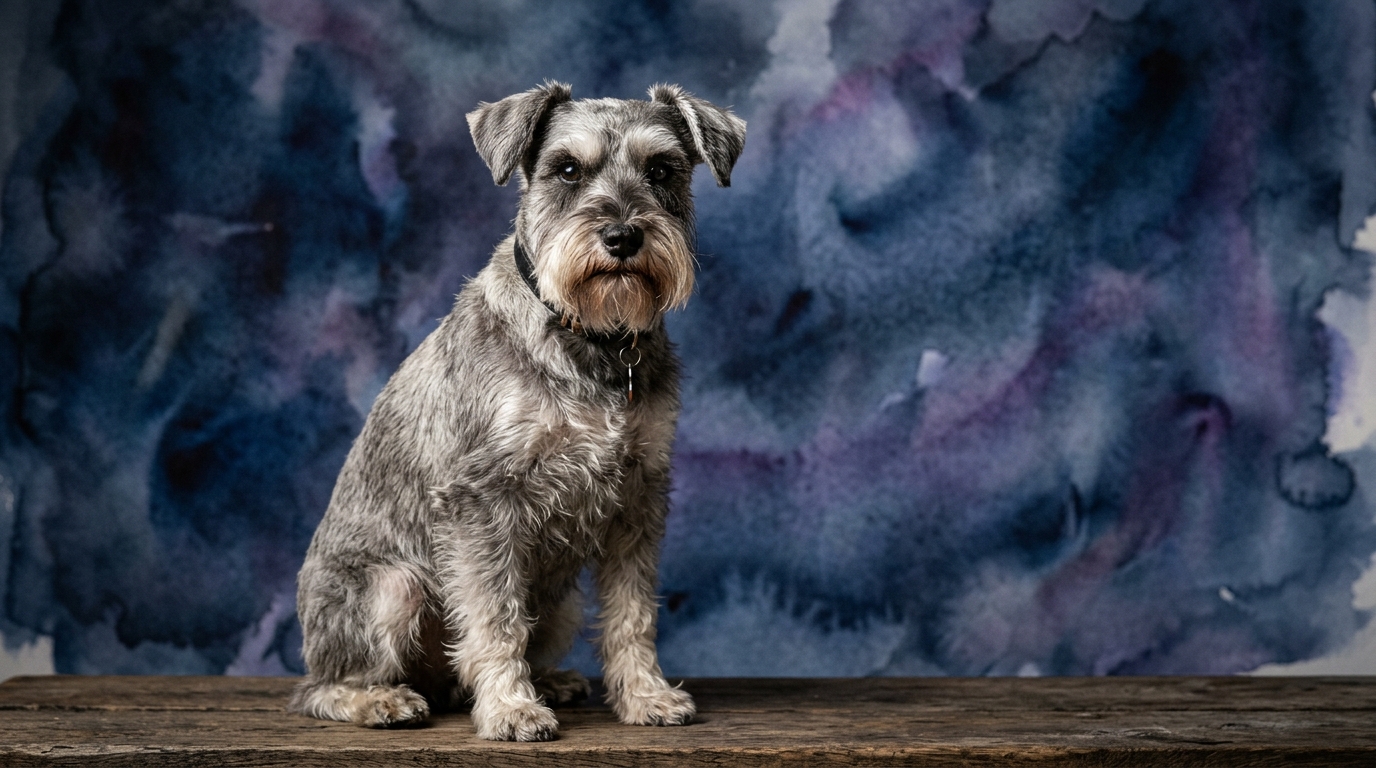
The Miniature Schnauzer, a terrier breed, boasts an impressive cognitive profile. Its problem-solving ability scores a strong 4/5, indicating a capacity for independent thought and clever solutions to environmental challenges. Training speed is an exceptional 5/5, suggesting a rapid grasp of new commands and routines. Social intelligence stands at 4/5, reflecting their adeptness at understanding human cues and navigating social dynamics. Their instinctive drive, rated 4/5, points to a strong internal motivation for activity and purpose, often manifesting as a keen focus on tasks. Finally, memory is also rated 4/5, supporting their quick learning and retention of experiences.
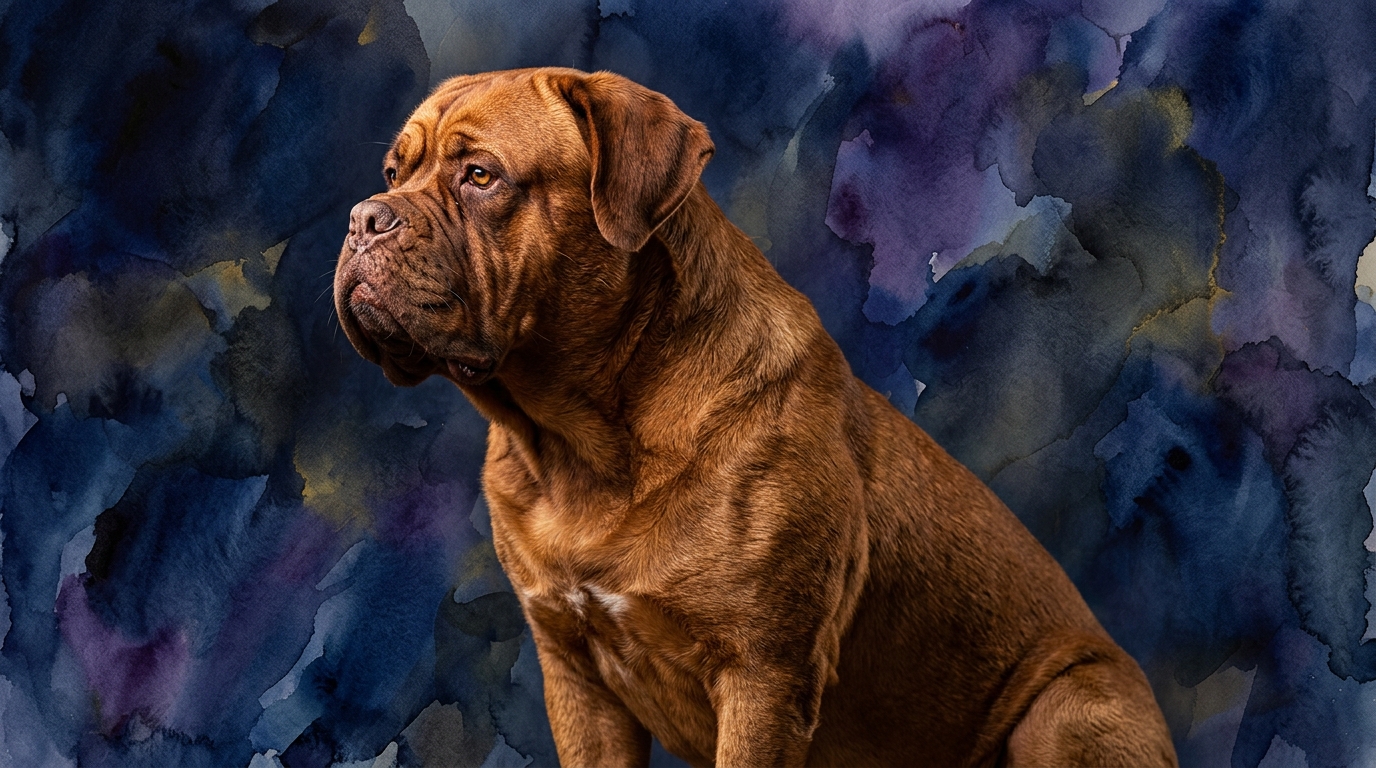
In contrast, the Dogue de Bordeaux, a working breed, presents a more uniformly balanced cognitive picture. Its problem-solving ability is rated 3/5, indicating a practical, rather than overtly innovative, approach to challenges. Training speed also scores 3/5, suggesting a steady, deliberate learning pace. Social intelligence is 3/5, reflecting a capacity for connection and understanding within their established social circle. Instinctive drive, at 3/5, points to a moderate internal motivation, often focused on guarding and companionship. Memory, too, is 3/5, allowing them to recall routines and familiar faces with reliability.
Where the Miniature Schnauzer's Wit Shines Brightest
The Miniature Schnauzer's cognitive strengths are particularly evident in its agility of thought and rapid acquisition of new skills. Its 4/5 problem-solving score means these dogs are often quick to figure out how to access a coveted toy from a tricky spot or navigate a complex new environment. This isn't just about physical dexterity; it's about mental mapping and strategic thinking.
Their exceptional 5/5 training speed is a standout feature, making them highly responsive to instruction. A Miniature Schnauzer can often master new commands in fewer repetitions than many other breeds, quickly connecting actions with desired outcomes. This rapid learning curve makes them a rewarding partner for anyone interested in advanced obedience or dog sports.
Furthermore, their 4/5 social intelligence allows them to keenly observe and adapt to human moods and expectations. Paired with a 4/5 memory, they not only learn quickly but also retain that knowledge, building a comprehensive understanding of their human companions' preferences and household routines over time. This combination allows for nuanced communication and a deep, responsive bond.
The Dogue de Bordeaux's Distinct Cognitive Strengths
While the Dogue de Bordeaux's scores are consistently lower across the board compared to the Miniature Schnauzer, this doesn't imply a lack of mental capacity, but rather a different style of cognition. Their balanced 3/5 scores suggest a steady, thoughtful, and reliable mental processing, favoring consistency and depth over quick bursts of insight.
Their 3/5 problem-solving ability means they approach challenges with a more measured perspective. Instead of immediately seeking novel solutions, a Dogue de Bordeaux might rely on learned experiences or wait for guidance from their trusted human. This can translate into a calm, less impulsive demeanor, where they carefully assess situations rather than reacting impulsively.
The Dogue de Bordeaux's 3/5 social intelligence, while not as acutely perceptive as some breeds, fosters deep, unwavering loyalty within their established family unit. They form strong attachments and are attentive to the needs of their loved ones, often displaying a quiet empathy. Their 3/5 instinctive drive is channeled towards protective instincts and a desire for companionship, making them watchful guardians and devoted family members who appreciate routine and a clear hierarchy. Their memory, also 3/5, is sufficient for remembering their daily schedule, familiar people, and established boundaries, contributing to their dependable nature.
Training Dynamics: Speed vs. Steadfastness
The difference in training speed between these two breeds is perhaps the most striking cognitive contrast. The Miniature Schnauzer's 5/5 training speed means they are often eager students, picking up new commands and complex sequences with remarkable alacrity. Their 4/5 instinctive drive often translates into a strong desire to engage in activities and complete tasks, making them highly motivated to learn and perform for their handlers.
Teaching a Miniature Schnauzer typically involves fewer repetitions and a quicker progression through various skill levels. They thrive on mental challenges and enjoy the process of learning, often excelling in obedience competitions, agility, and even trick training. Their quick understanding and retention make training a dynamic and interactive experience, where new concepts can be introduced frequently.
Conversely, the Dogue de Bordeaux's 3/5 training speed necessitates a more patient and consistent approach. They will learn, but at a more deliberate pace, requiring more repetitions and a calm, clear teaching style. Their 3/5 social intelligence means they respond best to handlers with whom they have a strong, trusting bond, valuing clear communication and a predictable routine over rapid-fire instruction. Training a Dogue de Bordeaux is a marathon, not a sprint; it builds a foundation of reliability and mutual understanding through steady effort rather than immediate brilliance.
Matching Breeds to Lifestyles: Active Explorers vs. Calm Companions
Understanding these cognitive profiles is key to selecting a canine companion that aligns with your lifestyle. The mental energy and processing style of each breed dictate the kind of engagement and environment they will thrive in.
The Miniature Schnauzer, with its high problem-solving, exceptional training speed, and robust instinctive drive, is an excellent match for active owners who enjoy engaging in mentally stimulating activities. They thrive with structured training, puzzle toys, and opportunities to use their wit, whether it's learning new tricks, participating in dog sports like agility, or simply having varied experiences that challenge their quick minds. Owners who appreciate a dog that is always 'thinking' and ready for the next challenge will find a Miniature Schnauzer highly rewarding.
The Dogue de Bordeaux, with its more consistent 3/5 scores across all cognitive dimensions, is better suited for relaxed owners seeking a steadfast, devoted companion. While they require regular exercise for their physical well-being, their cognitive needs are met more by routine, companionship, and clear, consistent guidance rather than constant novelty or complex mental games. Their social intelligence (3/5) means they bond deeply with their family, offering a calm and reassuring presence. Owners who value a predictable, loyal, and quietly protective dog will find the Dogue de Bordeaux's thoughtful nature a perfect fit.
The Verdict
Opt for a Miniature Schnauzer if you seek a highly trainable, quick-thinking partner for dog sports, advanced obedience, or a home that thrives on intellectual engagement and playful problem-solving.
Select a Dogue de Bordeaux if you desire a devoted, steady companion who appreciates routine, calm guidance, and forms deep bonds, offering a reassuring presence rather than constant mental gymnastics.
🧠 Find Your Pet's IQ Score
Our Pet IQ Lab assessment covers 25+ tests across 5 cognitive dimensions — personalized to your breed.
Take the Full IQ Test →Frequently Asked Questions
Does the Dogue de Bordeaux's lower training speed mean it's difficult to teach?
Not at all; it simply means they learn at a more deliberate pace than some breeds. Consistency, patience, and positive reinforcement are crucial, allowing them to process and retain information effectively over time, leading to a deeply ingrained understanding.
Are Miniature Schnauzers good with children given their high energy and drive?
Miniature Schnauzers can be excellent family dogs, often displaying a playful and protective nature, but their higher instinctive drive and problem-solving require mental stimulation. Proper socialization and training from a young age are essential to channel their energy positively and ensure harmonious interactions with children.
How does 'instinctive drive' differ between these two breeds?
The Miniature Schnauzer's 4/5 instinctive drive often manifests as a keen desire to 'work' or engage in terrier-typical behaviors like chasing or digging, making them highly motivated in tasks. The Dogue de Bordeaux's 3/5 drive is typically directed towards guarding and companionship, showing a steadfast loyalty and protective instinct rather than a drive for complex tasks.