Side-by-Side Cognitive Profile
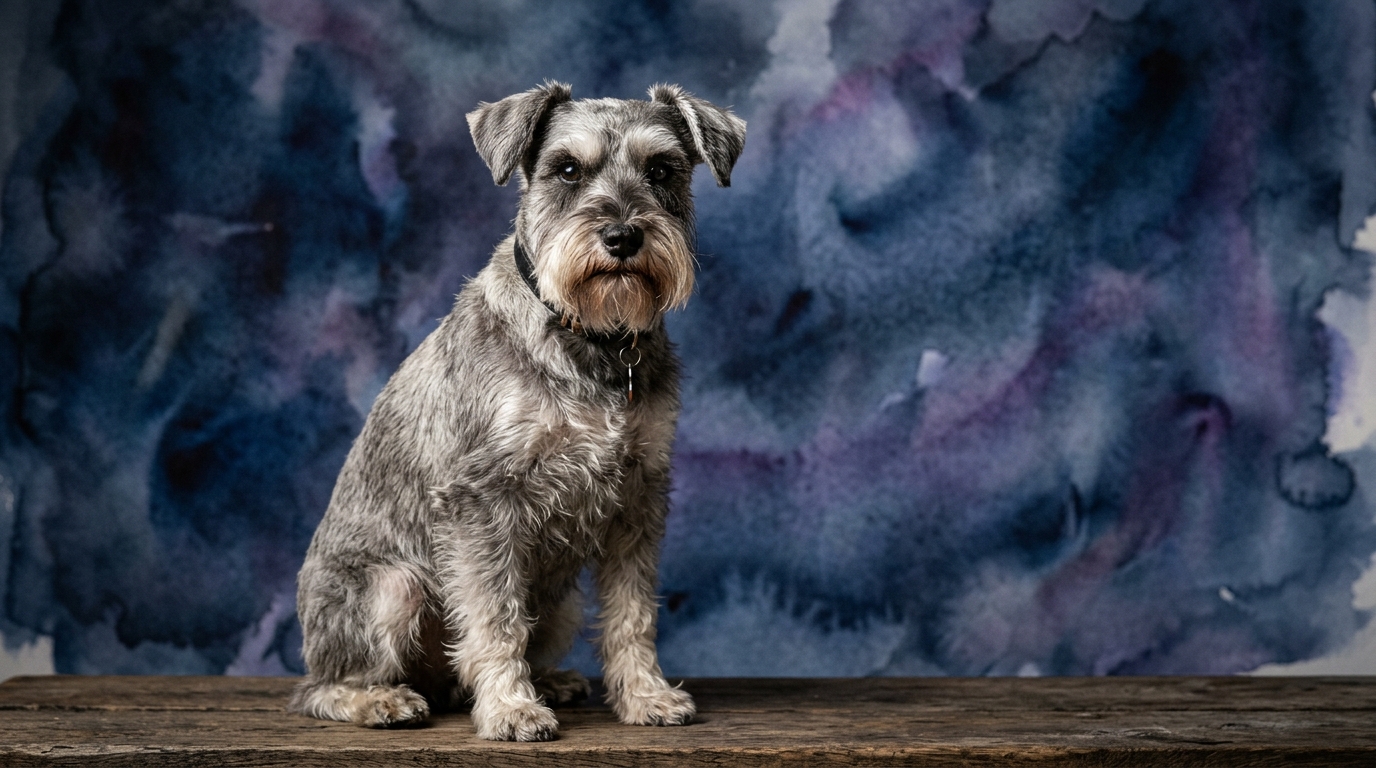
The Miniature Schnauzer, holding a Coren rank of #12, exhibits a distinct cognitive profile shaped by its terrier heritage. Its Problem Solving score of 4/5 reflects an aptitude for independent strategizing, particularly when it comes to outwitting small prey or navigating complex household scenarios to achieve a desired outcome. Training Speed, rated at a perfect 5/5, means these dogs grasp commands with remarkable swiftness, quickly forming associations between actions and their consequences. Social Intelligence, at 4/5, indicates a perceptive understanding of human moods and family dynamics, allowing them to discern intentions and adapt their behavior accordingly. Their Instinctive Drive, a robust 4/5, is largely channeled into chasing, digging, and 'ridding' an area of perceived pests, requiring consistent redirection. Finally, their Memory, also 4/5, ensures excellent retention of learned behaviors, routines, and past interactions, contributing to their consistent responses.
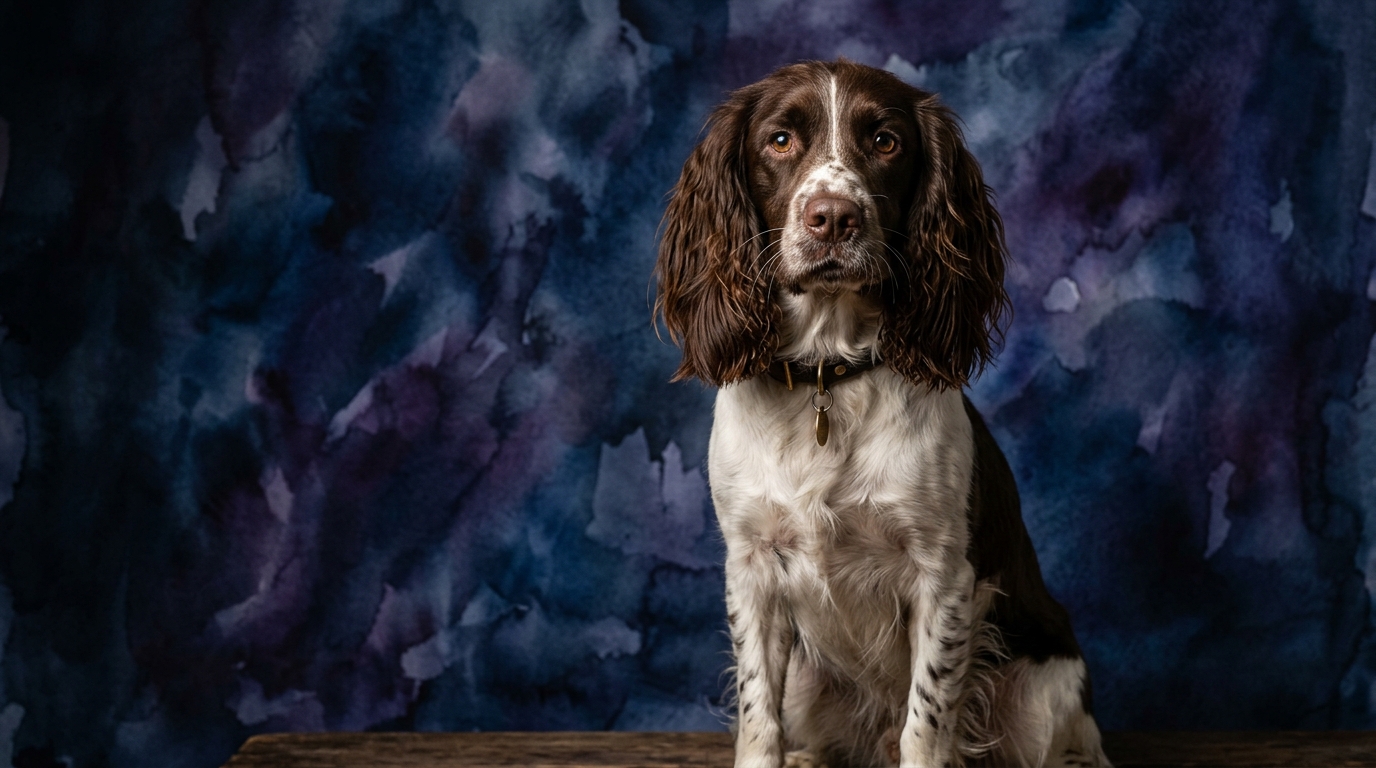
Closely following at Coren rank #13, the English Springer Spaniel presents a cognitive makeup optimized for cooperative work and sustained engagement. Sharing a 4/5 in Problem Solving, their intelligence shines in navigating dynamic outdoor environments, locating hidden objects, and devising routes to complete retrieval tasks. Their Training Speed also scores 5/5, demonstrating an exceptional capacity to process and integrate complex commands, particularly those related to fieldwork. Social Intelligence at 4/5 means they are highly attuned to their handler's cues, thriving on cooperative interaction and reading subtle body language for effective teamwork. A standout feature is their Instinctive Drive, a potent 5/5, which fuels a relentless motivation to hunt, flush, and retrieve, maintaining profound focus on task completion. Their Memory, a solid 4/5, allows them to retain extensive information regarding commands, scent trails, and spatial awareness, making them reliable partners.
Where the Miniature Schnauzer Excels Cognitively
Despite sharing similar numerical scores across several cognitive dimensions, the Miniature Schnauzer's terrier mindset grants it a unique edge in certain areas. Its 4/5 in Problem Solving often manifests as a highly independent approach to challenges, a legacy of its ratting past where self-sufficiency was paramount. These dogs frequently excel at autonomously figuring out intricate puzzle toys or devising novel ways to circumvent household rules, demonstrating a persistent and often creative individualistic streak in their cognitive application. This means they are less reliant on constant human direction for basic problem-solving, preferring to strategize and execute solutions on their own terms.
Furthermore, their 4/5 Social Intelligence, while equally strong as the Springer's, often translates into a more discerning and analytical interpretation of human interactions. A Miniature Schnauzer might quickly identify the 'weak link' in household discipline or be particularly adept at reading subtle cues from specific family members, allowing them to adapt their persuasive tactics. This nuanced social awareness can make them astute judges of character and situation, sometimes leading to a protective or aloof demeanor with strangers as they process social information carefully.
Where the English Springer Spaniel Excels Cognitively
The English Springer Spaniel, while numerically similar in many cognitive aspects, truly distinguishes itself through the application of its potent 5/5 Instinctive Drive. This isn't merely a strong urge; it's a profound, sustained motivation for cooperative work, particularly in tasks involving scent discrimination, flushing, and retrieving. Their minds are wired for extended, purposeful engagement alongside a human handler, allowing them to maintain intense focus and perseverance through challenging conditions where other breeds might waver. This exceptional drive makes them unparalleled partners for complex, multi-stage tasks that require enduring mental and physical stamina.
Their 4/5 in Problem Solving, when combined with their strong cooperative drive, manifests as a highly efficient and goal-oriented cognitive process. Springers excel at navigating intricate environments, whether dense woodlands or agility courses, to achieve a handler-defined objective. This involves a sophisticated integration of spatial reasoning, sensory input—especially scent—and a clear understanding of the task at hand. Their problem-solving is less about independent mischief and more about effective, collaborative strategy to successfully complete a shared mission, showcasing a practical, applied intelligence in real-world scenarios.
Training Dynamics: Schnauzer vs. Springer
Both the Miniature Schnauzer and the English Springer Spaniel share an impressive 5/5 rating for Training Speed, indicating that both breeds are remarkably quick to grasp new commands and concepts. However, the ease of consistent training and long-term compliance diverges due to their differing instinctive drives and historical roles. The Miniature Schnauzer, with its 4/5 instinctive drive rooted in terrier independence, often learns commands rapidly but may choose when and if to apply them based on perceived self-interest or a lack of strong motivation. Their quick intellect might lead them to 'test' boundaries, requiring an owner who understands the need for consistent, engaging, and highly rewarding training methods to channel their cleverness effectively.
In contrast, the English Springer Spaniel, boasting a 5/5 in instinctive drive, typically marries its rapid learning ability with an innate desire to please and work cooperatively with its handler. Their profound biddability and focus on companionship mean they are often eager to comply, finding immense satisfaction in performing tasks and receiving praise. This makes the overall training experience often feel more straightforward and less challenging for the owner, as the Springer's powerful drive is inherently geared towards partnership and achieving shared goals, translating into enthusiastic and reliable obedience.
Matching Breeds to Owner Lifestyles
When considering lifestyle compatibility, the cognitive and physical demands of these two breeds present distinct profiles for potential owners. The Miniature Schnauzer, while possessing a formidable 4/5 instinctive drive, can adapt to a moderately active household, provided their sharp minds are consistently engaged. They benefit from daily structured walks, interactive puzzle toys, and regular training sessions that challenge their problem-solving abilities and satisfy their curious nature. Owners who appreciate a discerning companion capable of independent thought and who can provide consistent mental stimulation will find the Schnauzer a rewarding fit, even if their physical exercise needs are not extreme.
Conversely, the English Springer Spaniel, with its exceptional 5/5 instinctive drive, is unequivocally suited for highly active owners who can provide abundant opportunities for vigorous physical exercise and mentally stimulating work. These dogs thrive when given a 'job' to do, whether it's extended fetching sessions, scent work, agility, or hiking. Their cognitive satisfaction is deeply intertwined with sustained, purposeful activity that taps into their cooperative hunting instincts. Owners seeking a truly relaxed, sedentary companion may find the Springer's unmet needs lead to restlessness or inventive (and sometimes destructive) ways to self-entertain, underscoring their requirement for an engaged, active lifestyle.
The Verdict
Opt for the Miniature Schnauzer if you appreciate a discerning companion with an independent streak, a quick learner who thrives on varied mental challenges and rewards clear, consistent leadership.
Select the English Springer Spaniel if you desire an enthusiastic, cooperative partner for active outdoor pursuits, one whose profound drive for working alongside you makes them a joy to train and engage.
🧠 Find Your Pet's IQ Score
Our Pet IQ Lab assessment covers 25+ tests across 5 cognitive dimensions — personalized to your breed.
Take the Full IQ Test →Frequently Asked Questions
Do Miniature Schnauzers and English Springer Spaniels learn new commands at the same rate?
Yes, both breeds score 5/5 in training speed, indicating they process and acquire new commands very rapidly. The key difference lies in their motivation and willingness to apply those commands consistently without a strong bond or clear incentive.
Which breed is more prone to independent thinking?
While both demonstrate problem-solving abilities, the Miniature Schnauzer, with its terrier background, tends towards more independent strategizing, often acting on its own initiative to achieve goals. The English Springer Spaniel's problem-solving is more often geared towards cooperative tasks with a handler.
How does their instinctive drive differ in daily life?
The Miniature Schnauzer's 4/5 instinctive drive often manifests as a strong urge to chase small animals or dig, requiring management. The English Springer Spaniel's 5/5 drive is typically expressed as a tireless enthusiasm for fetching, exploring scents, and engaging in sustained, purposeful activity, often alongside their human companions.