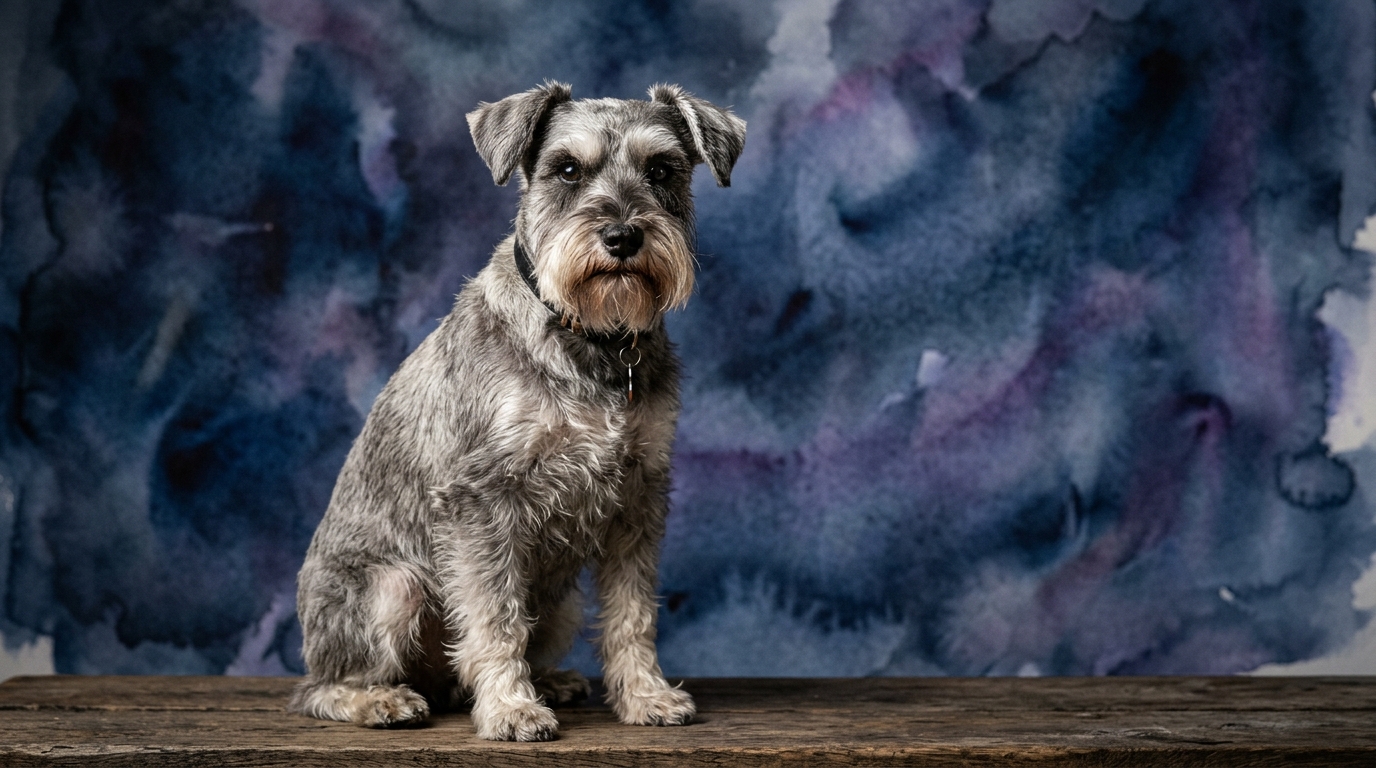
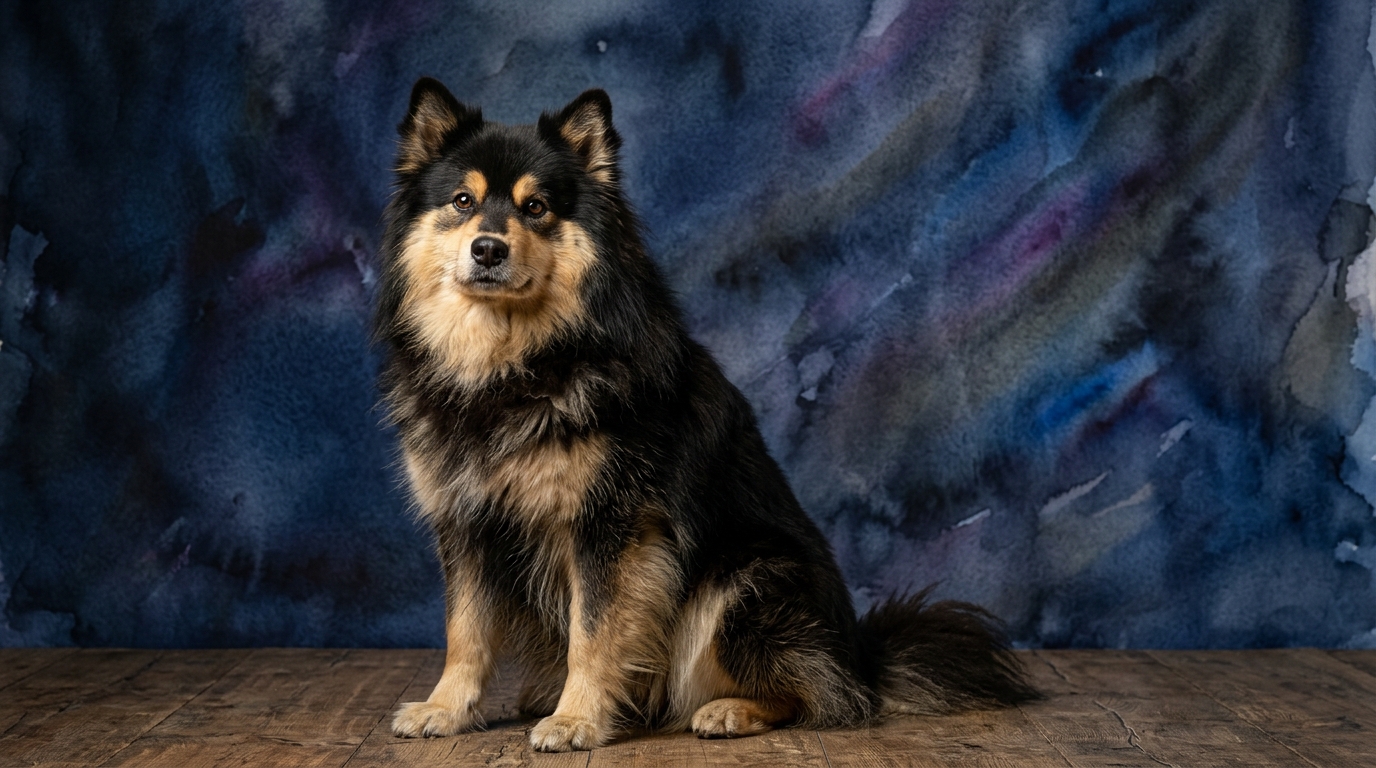
Side-by-Side IQ Profile: Miniature Schnauzer vs. Finnish Lapphund
The Miniature Schnauzer, holding a Coren rank of #12, demonstrates a cognitive profile geared towards responsiveness and active engagement. Their Problem Solving is rated 4/5, indicating a strong capacity to figure out solutions in novel situations, often with tenacity and cleverness. Training Speed is an exceptional 5/5, meaning they grasp new commands and routines with remarkable alacrity, requiring minimal repetitions. Social Intelligence scores 4/5, reflecting their robust understanding of both human and canine social cues, allowing them to integrate effectively into various family dynamics. An Instinctive Drive of 4/5 highlights their terrier heritage, manifesting as a pronounced drive for chasing, digging, and investigating, fueled by a keen curiosity. Finally, their Memory is rated 4/5, enabling them to readily recall learned behaviors, commands, and routines over extended periods, which significantly aids in training retention and navigating complex environments.
The Finnish Lapphund, while not holding a Coren rank, presents a distinct cognitive makeup shaped by its herding ancestry. Their Problem Solving is rated 3/5, suggesting a thoughtful, often independent approach to challenges; they may not be as quick to innovate but can methodically work through environmental or resource-related issues. Training Speed is 3/5, indicating a moderate learning pace that requires more patience and positive reinforcement, as their independent nature often means they need to be convinced of a command's value. Social Intelligence scores 3/5, reflecting a nuanced understanding within their perceived 'pack' or family unit, though they can be reserved with strangers, excelling at interpreting the emotional states of close companions. An Instinctive Drive of 3/5 manifests as a drive to gather and manage, often seen in 'herding' family members, and a keen awareness of their surroundings rather than a strong prey drive. Their Memory is rated 3/5, providing a solid ability to recall routines, learned behaviors, and social interactions, which contributes to their daily lives and reinforces their sense of security within their environment.
Where the Miniature Schnauzer Wins Cognitively
The Miniature Schnauzer’s cognitive profile shines brightly in scenarios demanding rapid learning and adaptable problem-solving. Their exceptional training speed (5/5) means they can master complex command sequences and intricate tricks with remarkable efficiency, often excelling in canine sports like agility or obedience trials where quick thinking and precise execution are paramount. This swift acquisition of new skills, coupled with a problem-solving score of 4/5, allows them to quickly understand and overcome novel environmental challenges, such as navigating an unfamiliar obstacle course or manipulating puzzle toys designed to dispense treats. Their robust social intelligence (4/5) further enhances their ability to integrate into diverse human environments, as they are adept at interpreting subtle human cues and adjusting their behavior to maintain harmony, making them highly responsive companions in varied social settings. This combination of quick learning, adaptable problem-solving, and social acumen makes them particularly adept at navigating and thriving in complex, human-centric environments that value responsiveness and engagement.
Their cognitive strengths are especially evident in situations requiring proactive engagement and initiative. For instance, a Miniature Schnauzer is more likely to independently explore and attempt to figure out how to access a desired object, demonstrating a higher degree of exploratory problem-solving. Their strong memory (4/5) reinforces this, ensuring that once a solution is found or a command is learned, it is retained effectively, enabling consistent performance and reducing the need for constant re-teaching. This cognitive tenacity and retention make them excellent candidates for advanced training and tasks that build upon a foundation of previously acquired knowledge.
Where the Finnish Lapphund Wins Cognitively
While the Finnish Lapphund's scores might appear lower in traditional metrics, their cognitive strengths are distinct and rooted in their original purpose. Their instinctive drive (3/5), though not as high as a terrier's prey drive, is finely tuned for observation and managing a flock, translating into a keen awareness of their environment and the subtle dynamics within their family unit. They excel in situations requiring sustained attention to their surroundings and the ability to make independent decisions based on environmental cues, rather than relying solely on human direction. This thoughtful approach to their environment and social sphere provides a unique cognitive advantage in settings where self-reliance and environmental awareness are prized.
The Finnish Lapphund’s social intelligence (3/5), while perhaps more reserved, allows them to form deep, nuanced bonds with their core family, exhibiting a quiet understanding of individual personalities and family routines. This fosters a profound, though sometimes understated, companionship. Their problem-solving (3/5) is often practical and resource-oriented, making them adept at navigating their home territory and understanding the layout of their environment, rather than purely for sport or entertainment. Their memory (3/5) supports this by helping them recall patterns and safe zones, contributing to their sense of security and their ability to navigate familiar spaces with confidence and purpose.
Which is Easier to Train and Why
Based on The Cosmic Pet Pet IQ Lab data, the Miniature Schnauzer distinctly holds the advantage in terms of ease of training. Their impressive training speed of 5/5 means they typically require fewer repetitions to grasp new commands and behaviors, making initial training sessions more efficient and less frustrating for both dog and owner. This rapid learning is complemented by their problem-solving ability (4/5) and a strong desire to engage, allowing them to quickly generalize learned behaviors to new contexts. They are often eager to participate in training and respond enthusiastically to positive reinforcement, making the training process feel like a collaborative game.
In contrast, the Finnish Lapphund's training speed of 3/5 suggests a more deliberate learning process; while certainly capable of learning, they often require more patience and consistent motivation due to their independent nature. Finnish Lapphunds, as herding breeds, often question the "why" behind a command, needing to be convinced of its utility, whereas Miniature Schnauzers, with their terrier eagerness, are often more intrinsically motivated by the act of learning and pleasing. This difference in intrinsic motivation and learning pace significantly impacts the perceived ease of training, with the Schnauzer typically offering a smoother, faster training journey, while the Lapphund benefits from a more patient, relationship-based approach.
Which Suits Active Owners vs. Relaxed Owners
For owners seeking a highly engaged and active companion, the Miniature Schnauzer is often a more suitable match due to its energetic disposition and pronounced instinctive drive (4/5). Their terrier heritage means they thrive on consistent mental and physical stimulation, requiring regular exercise, engaging play, and opportunities to channel their curiosity and prey drive through activities like agility, earthdog trials, or extensive walks. A relaxed owner who cannot provide these outlets might find a Miniature Schnauzer resorting to less desirable behaviors like excessive barking or digging out of boredom, as their cognitive energy needs a productive outlet. Their desire for engagement and problem-solving also makes them excellent partners for owners who enjoy teaching new tricks and participating in dog sports.
Conversely, the Finnish Lapphund, while certainly enjoying activity and outdoor time, possesses a more moderate instinctive drive (3/5) and a thoughtful, often calmer demeanor indoors, making them suitable for owners who appreciate a balance of activity and quiet companionship. They enjoy walks, hiking, and outdoor exploration but are generally content with a more relaxed pace indoors after their needs are met, fitting well with owners who enjoy a moderate level of outdoor activity and a serene home environment. Their social intelligence (3/5) allows them to form deep, quiet bonds, making them wonderful, observant companions for owners who value a steady presence and a dog that can entertain itself thoughtfully.
The Verdict
Choose the Miniature Schnauzer if you desire a highly trainable, quick-witted companion eager for mental challenges and capable of rapid skill acquisition in various canine activities. They thrive with owners who can provide consistent engagement and channels for their spirited terrier energy.
Opt for the Finnish Lapphund if you value a thoughtful, independent companion with a deep bond to its family, preferring a balanced lifestyle that includes outdoor exploration and a serene home environment. They suit owners who appreciate a dog's subtle social cues and are patient with a more deliberate learning style.
🧠 Find Your Pet's IQ Score
Our Pet IQ Lab assessment covers 25+ tests across 5 cognitive dimensions — personalized to your breed.
Take the Full IQ Test →Frequently Asked Questions
Do Miniature Schnauzers bark a lot due to their intelligence?
Miniature Schnauzers are indeed vocal, often using barking as a form of communication or to alert their owners, a trait linked to their keen observational skills and assertive terrier nature. While not directly a measure of intelligence, their social intelligence helps them understand when to use their voice effectively within a household.
Are Finnish Lapphunds good for first-time dog owners despite their independence?
Finnish Lapphunds can be good for first-time owners who are prepared for their independent streak and willing to invest in patient, consistent positive reinforcement training. Their social intelligence allows them to form strong, loyal bonds, but their moderate training speed means success requires dedication and understanding of their thoughtful nature.
How do their memory scores impact daily life for these breeds?
A Miniature Schnauzer's 4/5 memory ensures they quickly recall commands and routines, making daily interactions smooth and predictable, and aiding in rapid skill progression. A Finnish Lapphund's 3/5 memory is still solid, helping them remember family members, safe places, and established household patterns, contributing to their overall security and contentment without requiring constant reinforcement.