Side-by-Side IQ Profile: Miniature Schnauzer
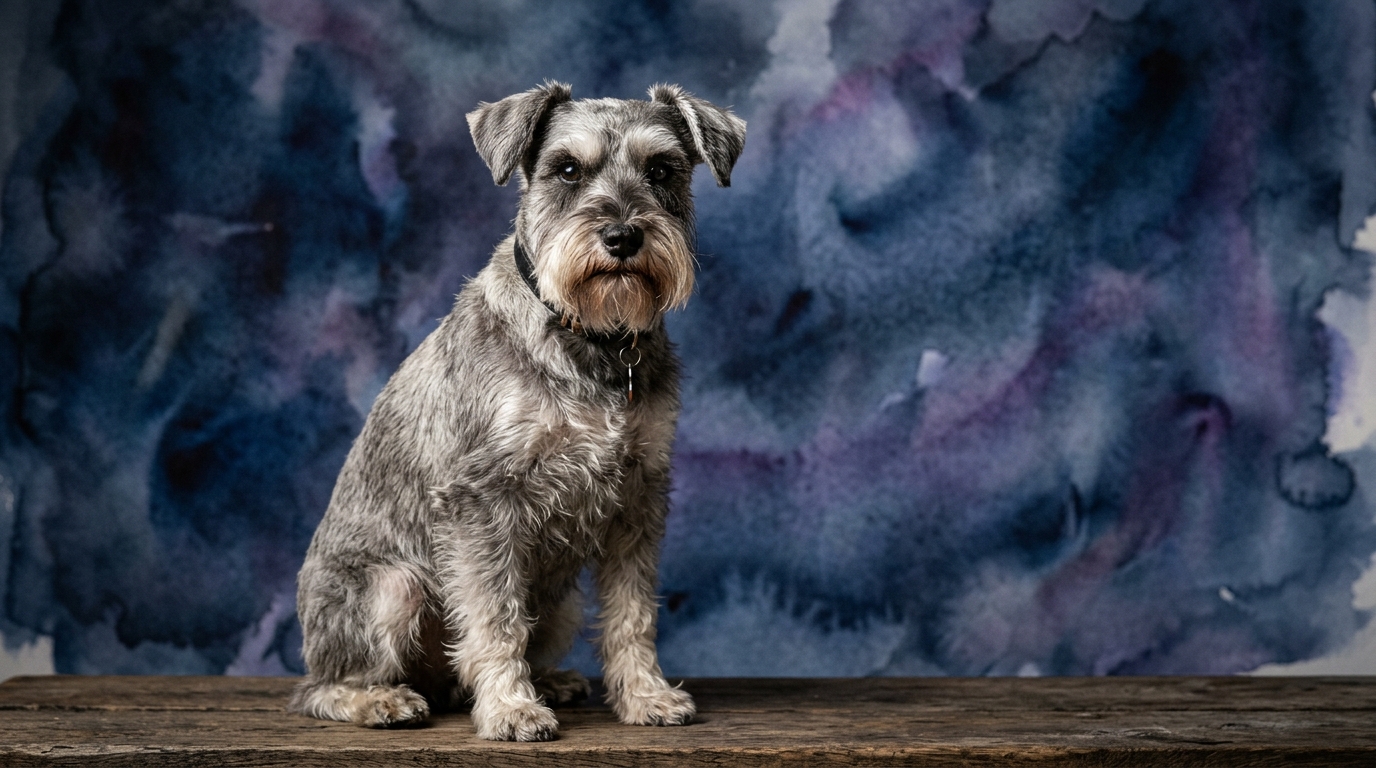
The Miniature Schnauzer, ranking #12 on the Coren scale, presents a compelling cognitive profile. Their Problem Solving is rated at 4/5, indicating a resourceful nature; they can often devise clever ways to achieve their goals, whether it's figuring out a puzzle toy or manipulating a situation to their advantage, though complex, multi-stage problems might require more guidance. Training Speed is a standout at 5/5, meaning these dogs grasp new commands and routines with impressive swiftness, often requiring fewer repetitions than many other breeds. Social Intelligence sits at 4/5; Miniature Schnauzers are adept at reading human emotions and intentions, forming strong, responsive bonds with their families, yet they maintain a degree of independent thought characteristic of terriers. Their Instinctive Drive, at 4/5, manifests as a keen alertness, a strong prey drive for small critters, and a protective instinct for their home and people, driving them to investigate novel stimuli. Finally, their Memory is solid at 4/5, allowing them to recall learned behaviors and past experiences reliably, contributing to their consistent performance in training and daily routines.
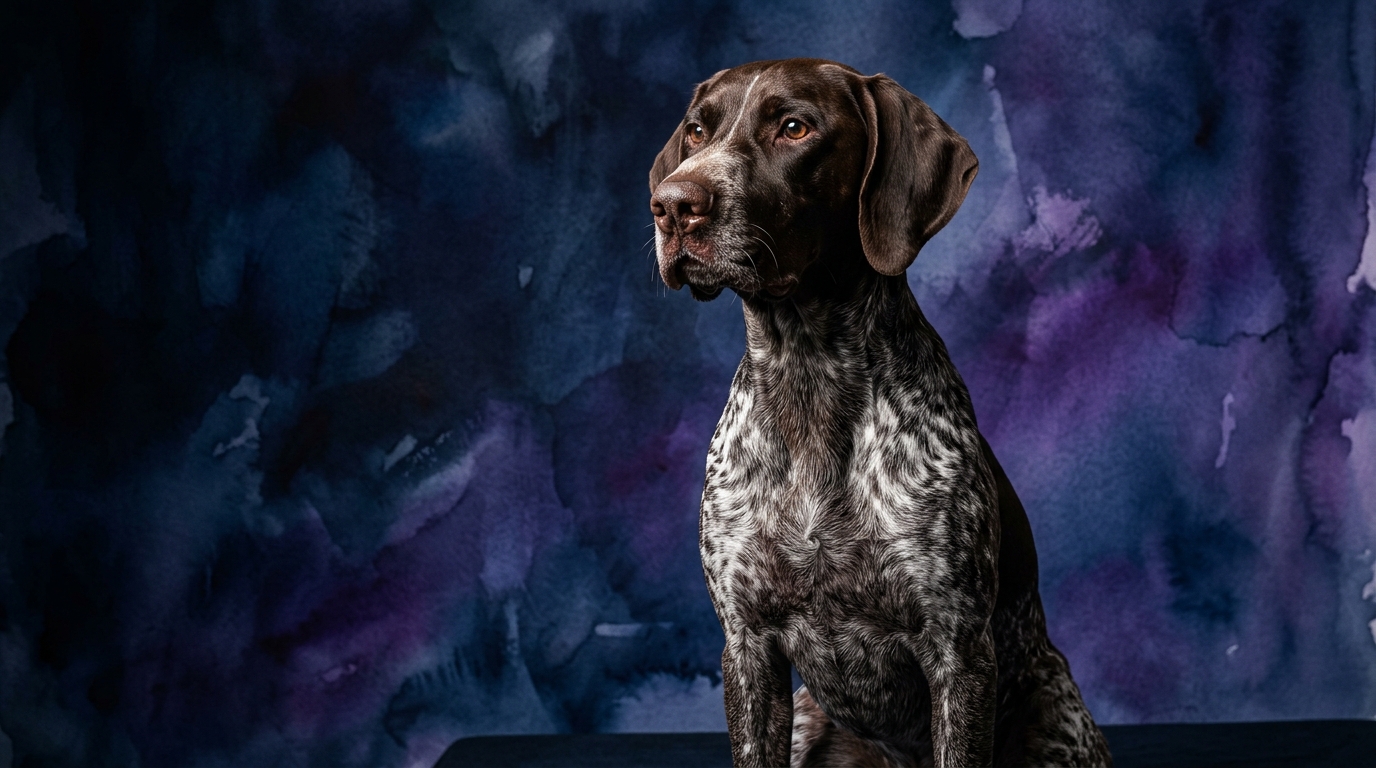
The German Shorthaired Pointer (GSP), with a Coren ranking of #17, exhibits a cognitive makeup optimized for its demanding sporting role. Their Problem Solving shines at 5/5, indicating an exceptional capacity for navigating complex environments and challenges, often requiring strategic thinking in the field or adapting to new hunting scenarios. Training Speed is strong at 4/5; GSPs learn new tasks quickly, particularly when the training engages their natural drives and athleticism, although their high energy might occasionally require more focused management. Social Intelligence is rated 4/5; these dogs are deeply attuned to their human partners, demonstrating a strong desire to work cooperatively and respond to cues, fostering profound working relationships. Their Instinctive Drive is a powerful 5/5, characterized by an intense, tireless focus on scent, tracking, and retrieving, showcasing an unwavering dedication to their primary purpose. Memory, at 4/5, is robust, enabling them to retain intricate sequences of commands, recall specific locations, and remember past successful hunts or training sessions, which is crucial for their performance.
Where the Miniature Schnauzer Wins Cognitively
The Miniature Schnauzer truly excels in its training speed and adaptability to varied domestic life. With a 5/5 score in Training Speed, they often pick up new verbal cues and physical commands with remarkable alacrity, making them exceptionally rewarding for owners who enjoy teaching tricks or participating in obedience sports. This rapid learning curve, combined with their 4/5 Social Intelligence, means they are often quicker to integrate into household routines and understand subtle human expectations. Their problem-solving, while a 4/5, is often applied to immediate, smaller-scale challenges within the home, such as navigating household objects or figuring out how to get attention, where their tenacity serves them well. This combination allows them to adapt to changes in schedule or environment with less disruption, provided their social needs are met.
Where the German Shorthaired Pointer Wins Cognitively
The German Shorthaired Pointer's cognitive strengths lie in its exceptional problem-solving capabilities within complex, dynamic environments and its unparalleled instinctive drive. Their 5/5 Problem Solving score reflects a profound ability to assess situations, strategize, and execute multi-step solutions, particularly in scenarios that engage their natural hunting instincts. This includes navigating varied terrain, deciphering scent trails, and coordinating with a handler over long distances. Coupled with their 5/5 Instinctive Drive, GSPs demonstrate a sustained mental focus and endurance for tasks that require intense, prolonged engagement, a feat few breeds can match. Their memory and social intelligence are finely tuned to their working relationship, allowing them to perform intricate tasks reliably and cooperate seamlessly with their human partners in high-stakes situations.
Which is Easier to Train and Why
When considering ease of training, the Miniature Schnauzer generally presents a more straightforward experience for the average owner. Their 5/5 Training Speed means they absorb lessons quickly, often requiring fewer repetitions to master a command. Their smaller size also makes physical management during training sessions easier, and their strong desire for social interaction often translates into a keenness to please their human companions. While they possess a terrier's independent streak, their rapid comprehension allows for consistent progress, making them suitable for novice trainers or those seeking quick results in basic obedience and trick training.
The German Shorthaired Pointer, despite its 4/5 Training Speed, can be more challenging to train for those unprepared for its unique behavioral needs. Their immense energy and powerful 5/5 Instinctive Drive mean that training must be highly engaging, consistent, and often physically demanding to channel their focus effectively. While they are highly intelligent and eager to work, their propensity for distraction by scents or movement requires a trainer who can maintain their attention and provide ample opportunity for their drives to be satisfied. Early and consistent socialization and training are crucial to harness their cognitive potential and prevent their natural exuberance from becoming overwhelming.
Which Suits Active Owners vs. Relaxed Owners
The Miniature Schnauzer is a superb fit for owners who appreciate a clever, engaged companion for daily activities and moderate bursts of mental and physical engagement. They thrive with owners who can provide consistent mental stimulation through training, puzzle toys, and interactive play, alongside regular walks and yard time. While they are not couch potatoes, their exercise needs are generally manageable for individuals or families with an active but not intensely athletic lifestyle. Owners who enjoy teaching new things and value a responsive, communicative dog will find a Miniature Schnauzer highly rewarding, provided they can manage the breed's natural terrier tenacity.
Conversely, the German Shorthaired Pointer is unequivocally suited for highly active owners who can match and channel their boundless energy and profound instinctive drives. These dogs require extensive daily physical exercise, often several hours of vigorous activity such as running, hiking, swimming, or participation in dog sports like agility, field trials, or dock diving. Owners who are committed to providing structured mental work that taps into their problem-solving and instinctive drive, such as advanced obedience, scent work, or hunting, will find a GSP to be an unparalleled partner. A relaxed owner simply cannot meet the fundamental needs of a GSP, which could lead to behavioral issues stemming from boredom and unspent energy.
The Verdict
Choose the Miniature Schnauzer if you desire a quick-learning, socially perceptive companion for a moderately active lifestyle, enjoying rapid progress in training and a tenacious, charming presence in your home.
Opt for the German Shorthaired Pointer if you lead a highly active life and seek a powerful, problem-solving partner for extensive outdoor adventures and demanding mental challenges, ready to channel immense drive and focus.
🧠 Find Your Pet's IQ Score
Our Pet IQ Lab assessment covers 25+ tests across 5 cognitive dimensions — personalized to your breed.
Take the Full IQ Test →Frequently Asked Questions
Which breed is generally easier to teach new tricks?
The Miniature Schnauzer, with its 5/5 Training Speed, generally picks up new tricks and commands faster than the German Shorthaired Pointer. Their eagerness to please and quick comprehension make them highly receptive to novel learning experiences, often requiring fewer repetitions.
Do both breeds require a lot of mental stimulation?
Yes, both breeds require significant mental stimulation, though the type and intensity differ. Miniature Schnauzers need consistent engagement through training and puzzle toys to satisfy their clever minds, while German Shorthaired Pointers demand extensive mental work that taps into their powerful instinctive drives, often through complex tasks or outdoor activities.
Is a Miniature Schnauzer or German Shorthaired Pointer better for apartment living?
A Miniature Schnauzer is generally more adaptable to apartment living, provided they receive regular walks and mental engagement, due to their smaller size and more manageable exercise requirements. A German Shorthaired Pointer, with its immense energy and need for vast physical space to run, is typically not suited for apartment life and thrives best in homes with large yards or regular access to open spaces.