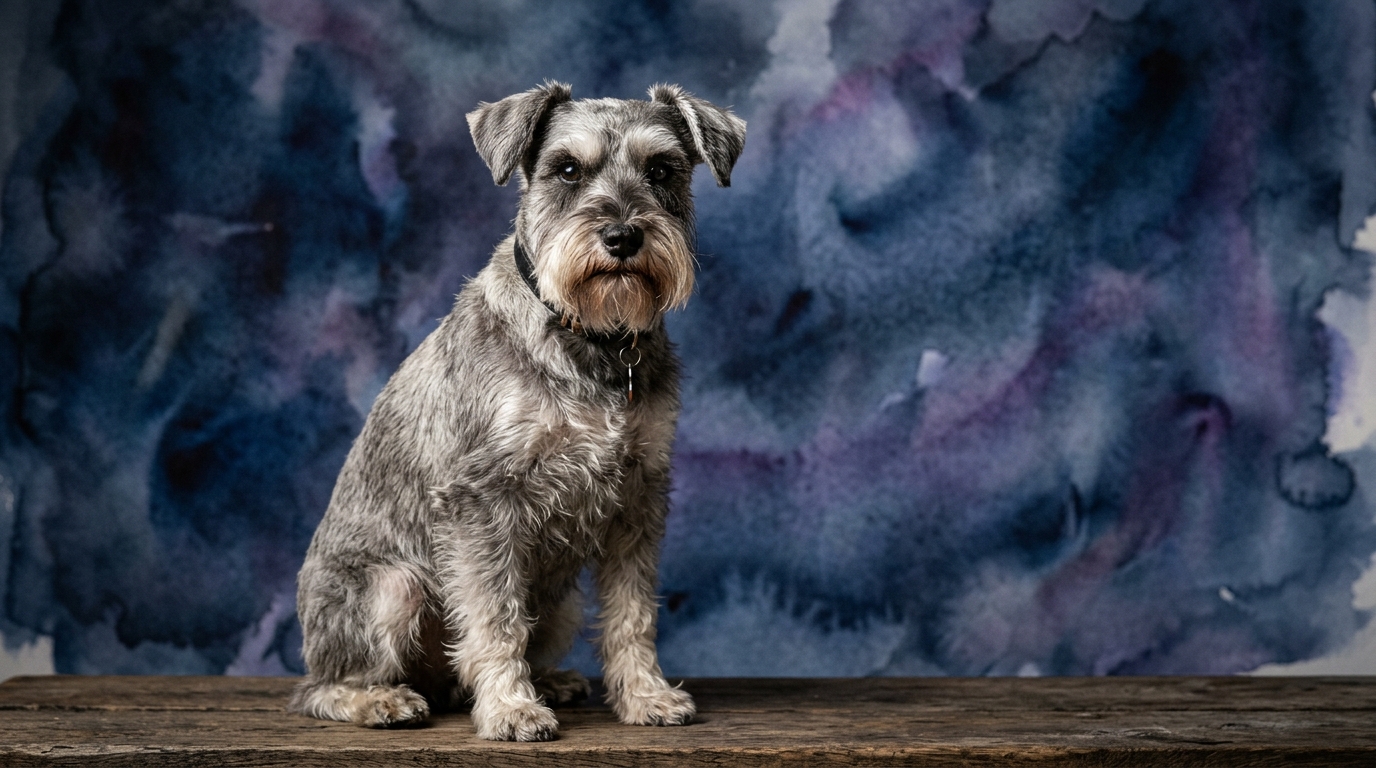
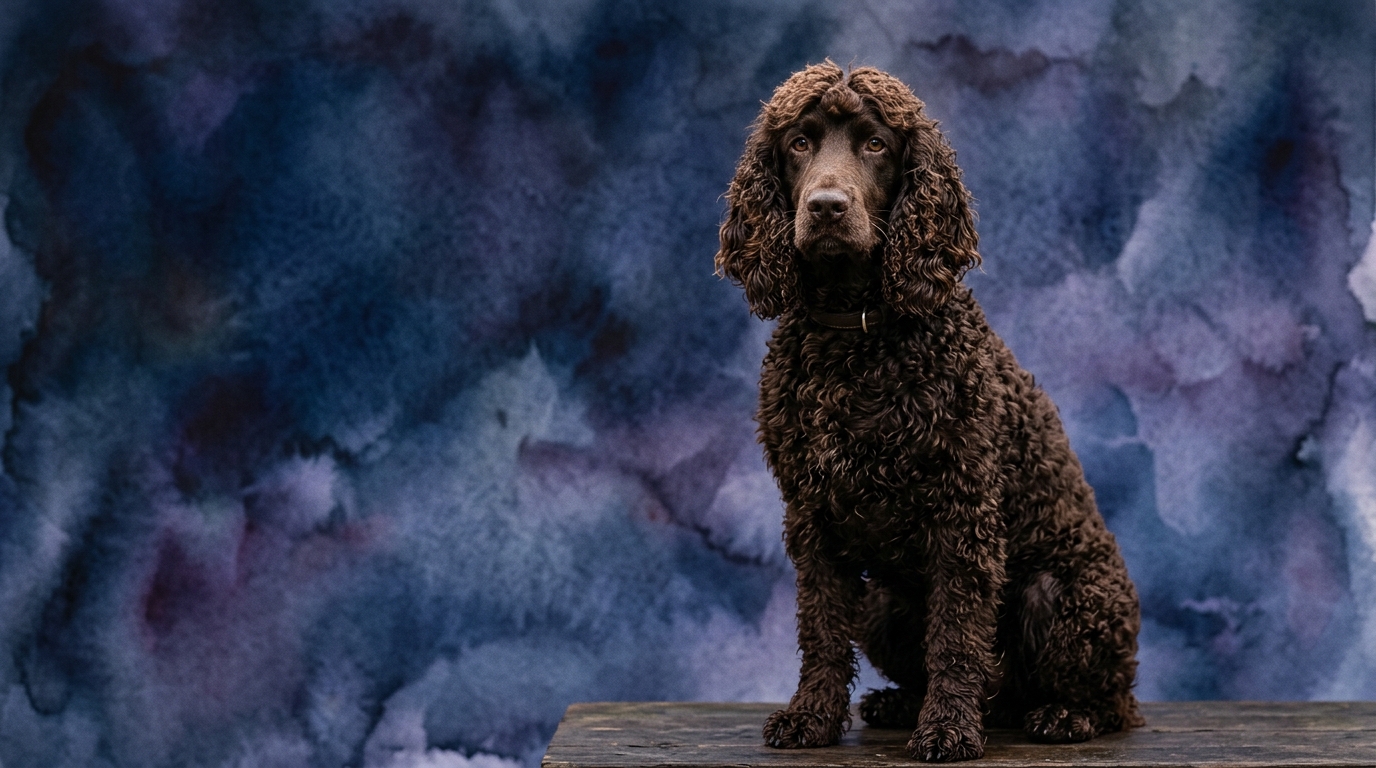
Side-by-Side IQ Profile
**Miniature Schnauzer (Coren rank #12)**: Possessing a solid capacity to independently navigate novel challenges, Miniature Schnauzers often devise solutions for tasks like opening cabinets or acquiring treats, driven by their terrier tenacity (Problem Solving 4/5). Their perfect 5/5 training speed indicates exceptional eagerness and rapid uptake of new commands; they typically grasp concepts quickly, requiring minimal repetitions to solidify learning. Their strong social intelligence (4/5) means they are adept at reading human cues, understanding social dynamics, and responding appropriately, forming strong bonds and being responsive to their human companions' moods. A pronounced innate inclination towards breed-typical behaviors like patrolling, alerting with barking, and a strong prey drive defines their 4/5 instinctive drive, which is a significant part of their behavioral makeup requiring appropriate channeling. Miniature Schnauzers exhibit reliable memory (4/5), retaining learned commands, routines, and even favored object locations for extended periods, contributing to their consistent behavior and training success.
**Irish Water Spaniel (Coren rank #24)**: Sharing a strong problem-solving capacity (4/5), Irish Water Spaniels can independently assess and work through obstacles, particularly when motivated by tasks like retrieving. While very capable, their training speed (4/5) is slightly less rapid than the Schnauzer's, potentially requiring more repetitions or varied approaches to integrate new commands fully. Their 3/5 social intelligence suggests Irish Water Spaniels, while affectionate with family, might be less overtly attuned to subtle human social cues or less universally engaging with strangers; they tend to be more reserved and handler-focused. Their instinctive drives (3/5) are present but often less intense or broad than a terrier's, typically translating to a strong desire for water work and retrieving, rather than a pervasive alert or prey drive. Like the Schnauzer, the Irish Water Spaniel demonstrates robust memory (4/5), crucial for remembering complex retrieving sequences, scent trails, and learned behaviors over time, underpinning their reliability in working roles.
Where Miniature Schnauzer Wins Cognitively
The Miniature Schnauzer truly shines in areas demanding rapid skill acquisition and nuanced social interaction. Their perfect 5/5 training speed makes them remarkably quick to learn complex obedience, agility, or trick sequences, often a joy to teach. Coupled with their 4/5 social intelligence, they are highly responsive to human emotions and cues, often anticipating desires. This translates into a communicative, interactive companion eager to please and easily integrated into family life, adapting well to diverse social settings when their energy is properly channeled.
Where Irish Water Spaniel Wins Cognitively
The Irish Water Spaniel's cognitive strengths are rooted in its sporting heritage, excelling in specific domains. Their 4/5 problem-solving and 4/5 memory make them formidable in tasks requiring sequential thought and sustained focus, like complex retrieving or scent work. They approach challenges methodically, often working independently. Their instinctive drive, intensely focused on water work and retrieving, allows them to demonstrate exceptional cognitive engagement and persistence in aligned tasks, often showing single-minded dedication. This focus, combined with slightly lower social intelligence, can mean greater concentration on the task at hand.
Which Is Easier to Train and Why
Based on their cognitive profiles, the Miniature Schnauzer generally presents as the easier breed to train. Their exceptional 5/5 training speed means they absorb new commands and behaviors with remarkable quickness, often needing fewer repetitions to achieve proficiency, making initial obedience training feel more fluid. Coupled with their 4/5 social intelligence, Miniature Schnauzers are typically more attuned to their handler's instructions and body language, making them highly responsive and eager to comply. Conversely, the Irish Water Spaniel, with a 4/5 training speed and 3/5 social intelligence, may require a more patient and consistent approach. While certainly trainable, they might take a bit longer to grasp new concepts or be less instinctively driven to perform purely for social approval, often requiring stronger positive reinforcement and a clear purpose for the task, ideally linking training to their natural retrieving and water-loving instincts.
Which Suits Active Owners vs Relaxed Owners
The Miniature Schnauzer, with its 4/5 instinctive drive and high training speed, generally suits active owners who are keen to engage their dog in structured activities. Their terrier energy and quick minds thrive on regular mental and physical stimulation, such as daily walks, interactive play, and participation in dog sports like agility or obedience. Owners who enjoy teaching new tricks and providing consistent training will find the Schnauzer a highly rewarding companion. A relaxed owner, unwilling or unable to provide this consistent engagement, might find a Miniature Schnauzer prone to boredom-induced behaviors like excessive barking or digging. The Irish Water Spaniel, while also an active sporting breed, might appeal to a different kind of active owner. Their 3/5 instinctive drive is primarily geared towards water and retrieving activities, making them ideal for individuals who enjoy hunting, dock diving, or long outdoor excursions near water bodies. While less overtly demanding attention than a Schnauzer, they still require substantial physical exercise. They are not suited for purely relaxed owners, but may be less prone to general restlessness indoors compared to a Schnauzer if their specific outdoor needs are met.
The Verdict
Choose Miniature Schnauzer: If you seek a highly social, rapidly learning companion eager for diverse activities and close family bonding, and are prepared for consistent mental and physical stimulation to channel their sharp mind and terrier drive.
Choose Irish Water Spaniel: If you value a dog with independent problem-solving, strong memory for tasks, and dedicated focus on sporting activities, especially water and retrieving, and are willing to provide patient, purpose-driven training.
🧠 Find Your Pet's IQ Score
Our Pet IQ Lab assessment covers 25+ tests across 5 cognitive dimensions — personalized to your breed.
Take the Full IQ Test →Frequently Asked Questions
Are Miniature Schnauzers good for first-time dog owners?
Miniature Schnauzers can suit first-time owners due to their high training speed and social intelligence, facilitating easy teaching and bonding. However, their strong instinctive drives require new owners to be committed to regular training and activity to prevent boredom.
Do Irish Water Spaniels need a lot of grooming?
Yes, Irish Water Spaniels possess a unique double coat needing regular grooming to prevent matting. Their dense, water-repellent curls require weekly brushing and periodic professional trimming, especially around the ears and feet.
Which breed is better with children?
Both breeds can be good with children, though differently. Miniature Schnauzers, with higher social intelligence, are often more overtly playful and family-adaptable. Irish Water Spaniels, while affectionate with their family, tend to be more reserved, needing careful introductions and preferring older, respectful children.