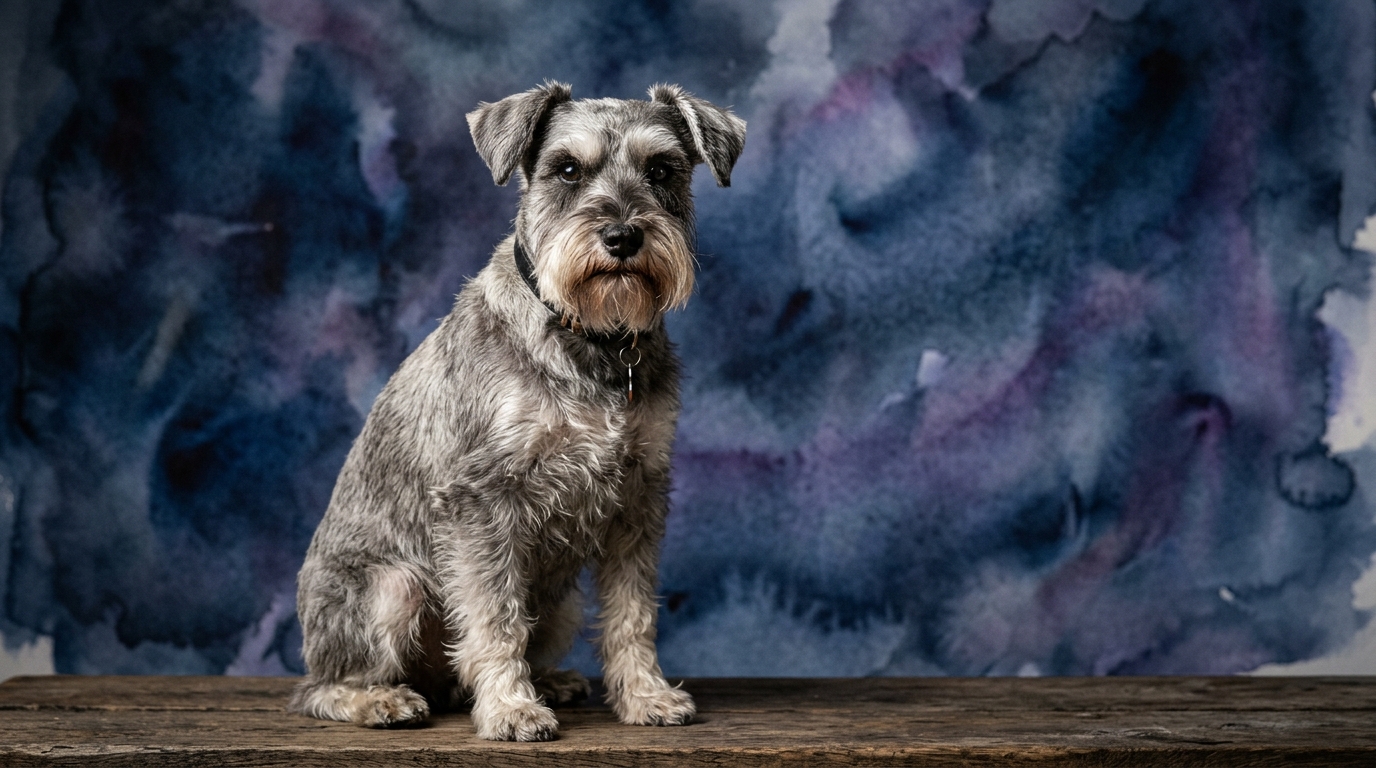
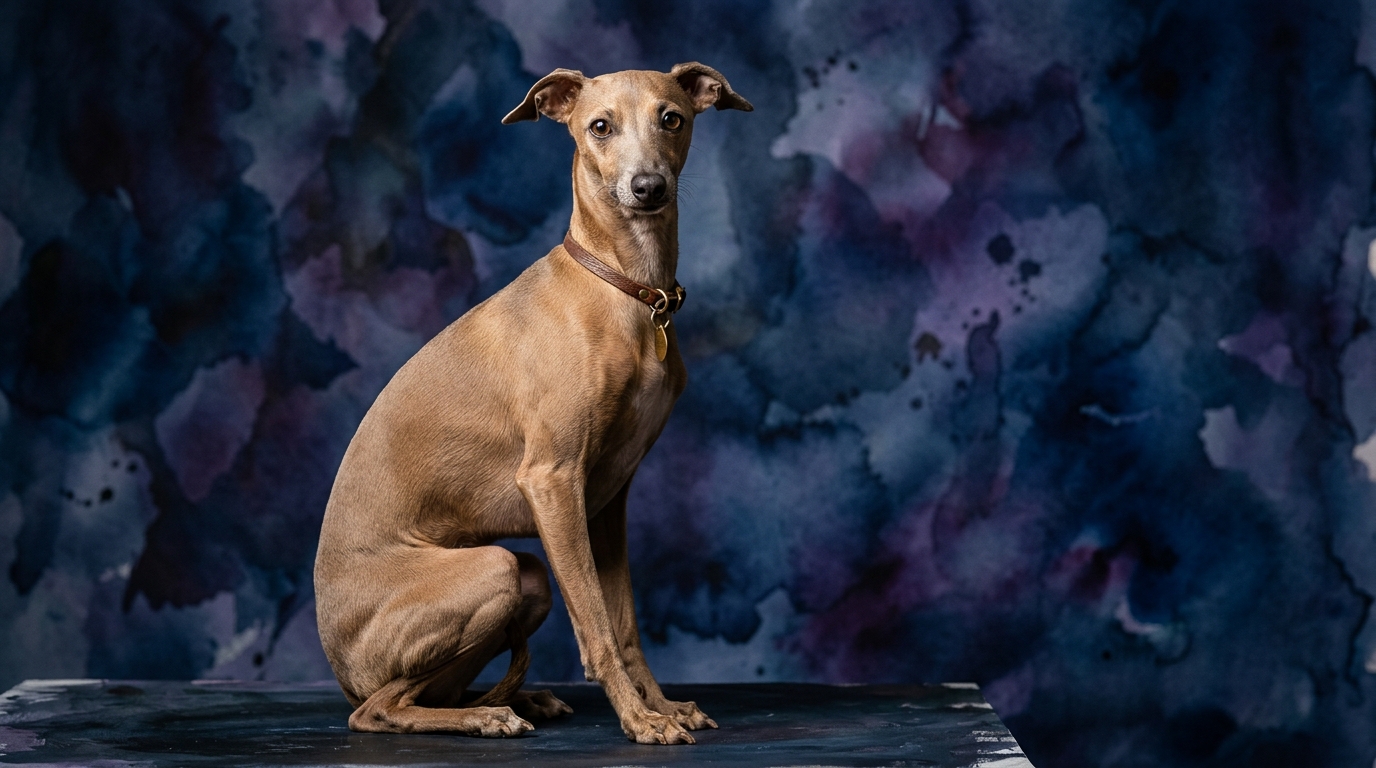
Side-by-Side Cognitive Profiles
The Cosmic Pet Pet IQ Lab provides a detailed lens through which to compare the mental faculties of our canine companions. For the Miniature Schnauzer, a breed consistently ranked high in working and obedience intelligence (Coren rank #12), their cognitive profile paints a picture of a diligent and adaptable learner.
The Miniature Schnauzer's Problem Solving score of 4/5 indicates a notable capacity for analytical thought, often approaching new situations with a strategic mindset. They are adept at figuring out how to open puzzle toys, navigate complex environments, or even manipulate situations to their advantage, showcasing a proactive intellectual engagement rather than simple trial-and-error. Their Training Speed, an impressive 5/5, highlights their exceptional pace of learning, absorbing new commands and routines with remarkable efficiency, often grasping concepts after just a few repetitions. This quick assimilation makes them highly responsive to consistent training methods, eager to perform and establish clear communication with their human companions. Their Social Intelligence, rated 4/5, means Miniature Schnauzers possess a sophisticated understanding of social cues and hierarchies within their human family. They can often discern subtle shifts in mood, anticipate intentions, and adapt their behavior accordingly, contributing to their attentive nature and their ability to form deep, interactive bonds. Reflecting their terrier heritage, their Instinctive Drive of 4/5 manifests as a robust set of natural urges, particularly a spirited prey drive and a vigilant guarding tendency, eagerness to explore, investigate, and sometimes 'hunt' small moving objects. Finally, their Memory, scoring 4/5, means this breed maintains strong retention of learned behaviors, commands, and past experiences; once a lesson is embedded, they rarely forget it, whether it’s a complex trick or a household rule.
In contrast, the Italian Greyhound, while not appearing on Coren's working and obedience intelligence rankings, possesses a distinct cognitive makeup shaped by its sighthound lineage and history as a companion. Their cognitive scores, while generally lower than the Schnauzer's, reflect a different set of priorities and aptitudes.
The Italian Greyhound's Problem Solving score of 3/5 suggests they approach challenges with a moderate degree of curiosity, often relying on observation and a more straightforward approach rather than complex strategizing. They can learn to navigate familiar obstacles or simple puzzles, but their persistence might wane with more intricate challenges, preferring comfort or seeking human assistance rather than prolonged independent effort. Their Training Speed, also 3/5, indicates that learning new commands typically requires consistent, patient repetition. While capable of understanding and performing tasks, their acquisition speed is moderate, meaning owners should anticipate more sessions and positive reinforcement to solidify new behaviors, and distractions, especially visual ones, can significantly impact their focus during training. Their Social Intelligence of 3/5 demonstrates a gentle understanding of human interaction, often forming very close, almost singular bonds with their primary caregivers. They can read basic emotional states and respond to familiar voices, but their social engagement might be more reserved or selective compared to more outwardly expressive breeds, valuing quiet companionship over boisterous interaction. The Italian Greyhound's Instinctive Drive, rated 3/5, primarily lies in their sighthound heritage: a keen visual acuity and an impulse to chase fast-moving objects. This manifests as sudden bursts of speed and focus on anything that sparks their chase instinct. Beyond this, their general instinctive drives, such as guarding or extensive digging, are typically moderate. Their Memory, scoring 3/5, means they possess a moderate retention for commands and routines. They can certainly retain what they've learned, but some behaviors might require periodic refreshers, especially if not consistently practiced.
Where the Miniature Schnauzer Excels Cognitively
The Miniature Schnauzer's cognitive strengths are evident in their superior problem-solving capabilities and rapid learning acquisition. Their 4/5 Problem Solving score means they are more inclined to independently decipher complex situations, whether it's figuring out how to retrieve a hidden treat from an intricate puzzle or adapting to a new routine with minimal guidance. This strategic thinking allows them to be more resourceful in various scenarios.
Their exceptional 5/5 Training Speed is a clear advantage, enabling them to grasp and execute new commands with remarkable efficiency. This translates into a dog that not only learns basic obedience quickly but also excels in more advanced activities like agility, rally obedience, or trick training, often enjoying the mental challenge itself. The Schnauzer's strong 4/5 Instinctive Drive, rooted in their terrier background, translates into a focused determination, which, when properly channeled, can make them formidable competitors in scent work or earth dog trials, leveraging their natural urges for productive engagement. Furthermore, their 4/5 Social Intelligence allows for a nuanced understanding of human communication, making them highly responsive to subtle cues and fostering a deeply interactive relationship where mutual understanding is paramount.
Where the Italian Greyhound Shows Unique Strengths
While the Italian Greyhound's scores might appear lower, their cognitive profile highlights unique strengths perfectly suited to their intended role as a gentle companion. Their 3/5 Social Intelligence, while moderate, often manifests as an intense, almost singular devotion to their primary human, leading to an exquisite sensitivity to that individual's presence and mood. This profound bond can create an incredibly attuned and empathetic companion, where subtle shifts in energy are keenly felt and responded to with quiet affection.
Their 3/5 Instinctive Drive, predominantly focused on visual stimuli and chasing, means they possess an unparalleled quickness of reaction to movement and an impressive burst of speed. This specialized cognitive processing allows them to instantly lock onto and pursue a fleeting object, a testament to their sighthound heritage. From a practical standpoint, their generally lower general instinctive drive compared to the Schnauzer means they may be less prone to behaviors such as persistent digging or excessive territorial barking, making them a calmer presence in the home for owners who prefer a less demanding management of such urges. Their preference for comfort and quiet companionship, while not directly an IQ score, reflects a cognitive prioritization of security and close bonding, which is a strength for specific lifestyles.
Training Dynamics: Schnauzer vs. Italian Greyhound
When it comes to trainability, the Miniature Schnauzer generally presents a more straightforward path. Their 5/5 Training Speed means they are eager and quick to learn, often thriving on the mental stimulation that training provides. They respond well to consistent, positive reinforcement and enjoy the process of mastering new commands. Their 4/5 Problem Solving and 4/5 Memory ensure that once a behavior is learned, it's retained efficiently, making them reliable in their responses. Their inherent drive can be a powerful motivator, allowing owners to channel their energy into structured activities, leading to a highly engaged and well-mannered companion.
The Italian Greyhound, with a 3/5 Training Speed, requires a different approach. Patience and consistency are paramount, as they may take longer to grasp new concepts and can be easily distracted, especially by movement or outdoor stimuli due to their sighthound instincts. Their delicate nature means harsh corrections are counterproductive; positive reinforcement, short, engaging sessions, and a calm environment yield the best results. House training can be a particular challenge, not due to a lack of understanding, but often due to their delicate bladder control, aversion to cold or wet weather, and a preference for indoor comfort, necessitating diligent and consistent routines. Their 3/5 Memory means periodic refreshers for commands are often beneficial to maintain proficiency. While they may not excel in complex obedience trials, they are capable of learning essential commands with the right approach, benefiting from an owner who understands their sensitive and sometimes stubborn nature.
Lifestyle Suitability: Active vs. Relaxed Owners
For owners seeking an active and mentally engaged companion, the Miniature Schnauzer is often the ideal choice. Their 4/5 Problem Solving and 4/5 Instinctive Drive mean they thrive on purpose and require regular mental and physical stimulation. They excel in structured activities like obedience, agility, earth dog trials, or even simply learning an extensive repertoire of tricks. An owner who enjoys daily walks, interactive play, and consistent training will find the Miniature Schnauzer to be an enthusiastic and fulfilling partner, eager to participate in family activities and vigilant in their role.
Conversely, the Italian Greyhound is better suited for owners who appreciate a more relaxed, yet deeply affectionate, indoor companion. While they enjoy short bursts of intense activity – a quick sprint in a securely fenced yard is a joy for them – their primary need is for warmth, comfort, and close companionship. Their 3/5 Social Intelligence means they form profound bonds and often prefer to spend their time curled up with their human, making them excellent lap dogs and quiet housemates. Owners who can provide a calm, predictable home environment and are prepared for a sensitive, sometimes timid, companion will find the Italian Greyhound to be a devoted and gentle presence. Their sighthound nature does necessitate secure outdoor spaces to prevent them from bolting after perceived prey, but their overall exercise needs are moderate compared to many breeds.
The Verdict
Choose the Miniature Schnauzer if you desire a highly trainable, mentally agile companion eager for structured activities and intellectual challenges, thriving on a clear purpose and consistent engagement.
Opt for the Italian Greyhound if you seek a sensitive, devoted indoor companion who values comfort, quiet affection, and forms a deep, singular bond, requiring patience in training and a secure environment for their bursts of sighthound energy.
🧠 Find Your Pet's IQ Score
Our Pet IQ Lab assessment covers 25+ tests across 5 cognitive dimensions — personalized to your breed.
Take the Full IQ Test →Frequently Asked Questions
Which breed is easier to house train?
The Miniature Schnauzer is generally easier to house train due to their higher training speed and robust nature. Italian Greyhounds, with their delicate bladders and aversion to cold or wet weather, can be notoriously challenging, requiring extra patience and consistency.
Do Miniature Schnauzers and Italian Greyhounds get along well with children?
Miniature Schnauzers, with their robust social intelligence and playful nature, can be excellent with children, especially when properly socialized. Italian Greyhounds, being more delicate and sensitive, often do better with older, respectful children who understand how to interact gently with a fragile dog.
Which breed requires more grooming?
The Miniature Schnauzer requires regular grooming, including professional clipping or hand-stripping every 6-8 weeks, plus daily brushing to prevent matting. The Italian Greyhound has a very short, fine coat that requires minimal grooming, typically just occasional bathing and nail trims.