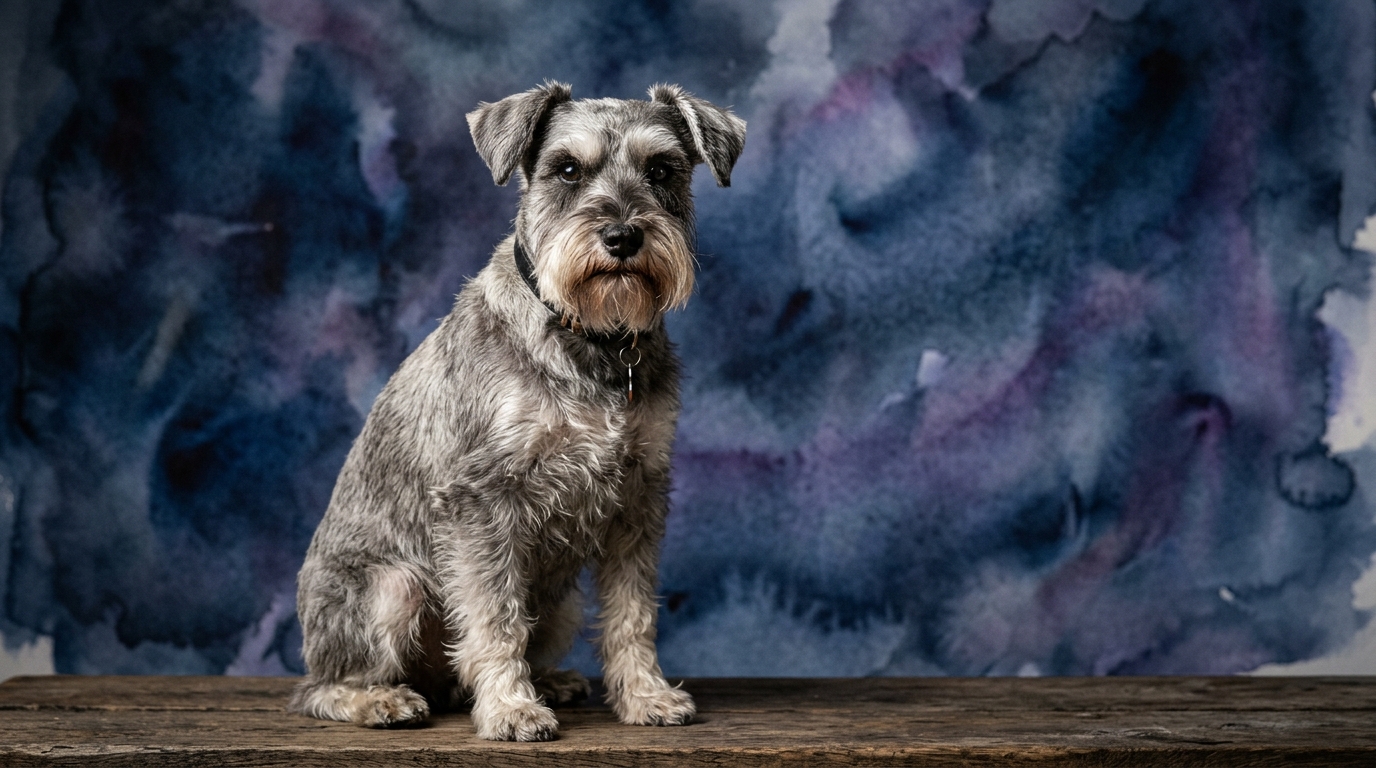
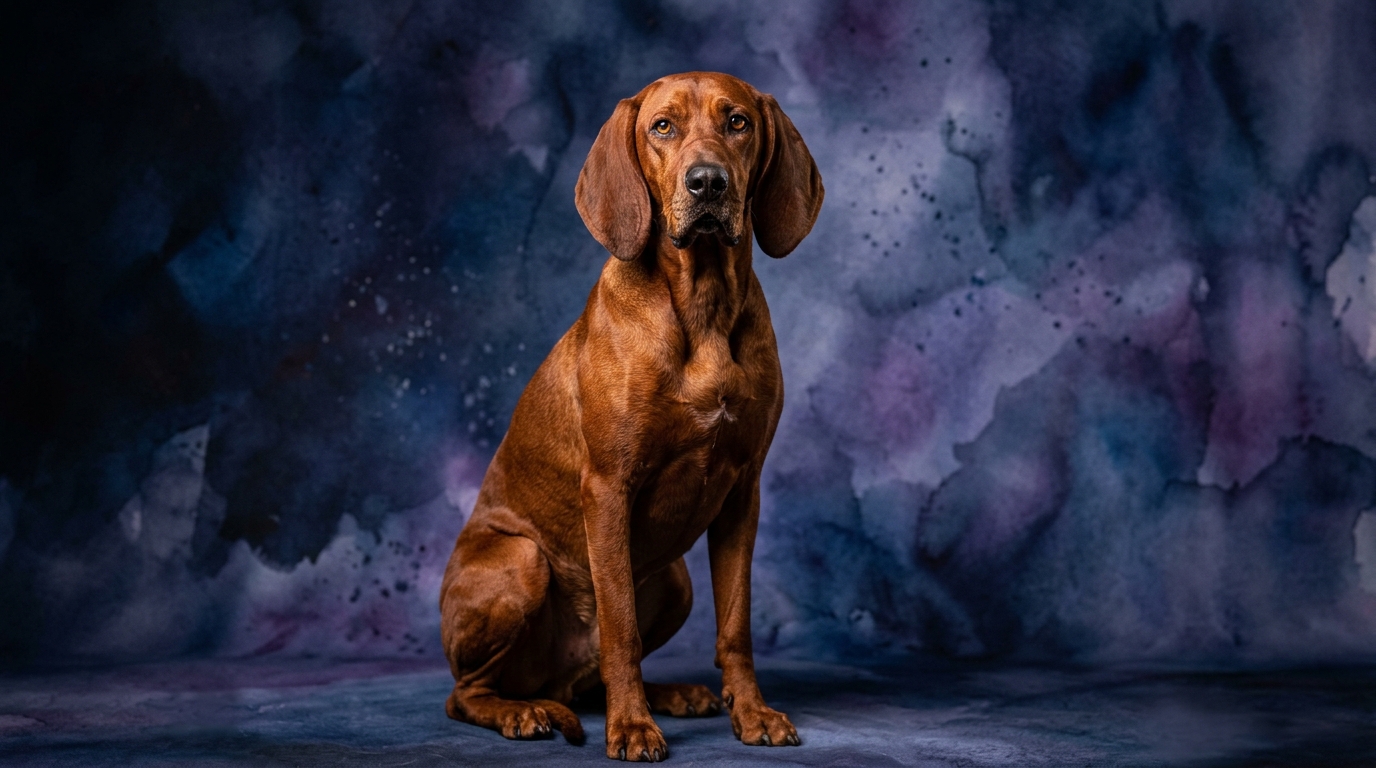
Side-by-Side IQ Profile
The Cosmic Pet Pet IQ Lab employs five key dimensions to evaluate canine intelligence, offering a nuanced view of how breeds process information and interact with their world. For the Miniature Schnauzer, a terrier breed Coren-ranked at #12, its cognitive profile paints a picture of sharp engagement. Its Problem Solving at 4/5 indicates a dog capable of quickly assessing novel situations and devising effective solutions, whether it's navigating a complex obstacle course or figuring out how to access a hidden treat. Training Speed, rated at an exceptional 5/5, highlights their rapid acquisition of new commands and behaviors, often requiring fewer repetitions than many other breeds. Social Intelligence, also 4/5, suggests a keen awareness of human cues and emotions, fostering strong bonds and responsiveness to their owners. An Instinctive Drive of 4/5 speaks to their inherent terrier nature, manifesting as vigilance, a robust prey drive, and a readiness for action. Finally, a Memory score of 4/5 means they retain learned information and routines effectively over time.
In contrast, the Redbone Coonhound, a hound breed not formally Coren-ranked, presents a profile rooted deeply in its specialized purpose. Its Problem Solving score of 3/5 reflects a cognitive approach more geared towards practical, scent-driven challenges rather than abstract puzzles; they excel at unraveling a complex trail, not necessarily a puzzle toy. Training Speed, also at 3/5, indicates that while they are certainly capable of learning, their independent nature and powerful scent focus can make conventional obedience training a more patient endeavor. Social Intelligence at 3/5 suggests they are affectionate within their trusted pack, but may be less attuned to subtle human social cues than a Miniature Schnauzer, often prioritizing their nose over human direction. Their Instinctive Drive, rated 3/5, is singularly powerful and directed towards tracking; this isn't a generalized prey drive but a highly focused drive to follow a scent trail relentlessly. A Memory score of 3/5 means they possess an excellent memory for scent paths and past environmental experiences, though perhaps less for rote commands when a compelling scent presents itself.
Where Miniature Schnauzer Wins Cognitively
The Miniature Schnauzer's cognitive strengths shine particularly in areas requiring adaptability and quick, multi-faceted learning. Their 4/5 Problem Solving prowess means they are adept at deciphering human-imposed challenges, like learning complex sequences in agility or manipulating latches to open gates. This makes them excellent candidates for advanced obedience, trick training, and dog sports where novel situations are common. Their 5/5 Training Speed is unparalleled in this comparison, allowing them to grasp new commands with remarkable efficiency. This translates into a dog that can quickly learn household rules, respond to intricate verbal cues, and adapt to new training methodologies with enthusiasm. Furthermore, their 4/5 Social Intelligence allows them to interpret subtle shifts in human tone and body language, fostering a highly responsive and communicative partnership that makes them feel deeply connected to their human companions. This breed thrives on mental engagement that involves interaction and collaboration.
Where Redbone Coonhound Wins Cognitively
While the Redbone Coonhound's numerical scores may appear lower in general cognitive metrics, their true genius lies in a highly specialized form of intelligence honed over generations for a specific task. Their 3/5 Instinctive Drive, though numerically lower than the Schnauzer's, represents an almost unparalleled dedication to scent work. This isn't a general instinct but a laser-focused drive to follow and interpret complex odor trails, demonstrating a cognitive ability to process and prioritize olfactory information at an extremely sophisticated level. Their 3/5 Problem Solving manifests uniquely in the field; they are masters at untangling a cold or confusing scent line, making complex decisions about direction and persistence based solely on scent cues. Their 3/5 Memory, similarly, is exceptional for recalling scent patterns and geographical features associated with past hunts or trails, allowing them to navigate vast and varied terrains with an internal map of olfactory information. This breed's cognitive strengths are deeply embedded in their sensory world and their endurance for pursuit, making them truly remarkable in their chosen domain.
Which is Easier to Train and Why
When it comes to conventional obedience and general training, the Miniature Schnauzer unequivocally presents an easier path for most owners. Their 5/5 Training Speed means they are inherently eager to please and quick to absorb new instructions, often requiring only a few repetitions before a command is understood. They thrive on positive reinforcement and the opportunity to engage collaboratively with their owner, making sessions productive and enjoyable. Their 4/5 Social Intelligence also contributes to their trainability, as they are more likely to be attuned to their owner's intentions and respond readily to cues.
The Redbone Coonhound, with a 3/5 Training Speed, requires a different approach. Their independent nature and overwhelming scent drive mean that even when they understand a command, they might choose to prioritize a compelling scent over immediate obedience. Training often requires more patience, consistency, and a deep understanding of their primary motivators. Distractions, especially olfactory ones, are a significant challenge. While they are capable of learning, owners must work harder to capture and maintain their focus, often needing to integrate scent-based rewards or training games that leverage their natural instincts rather than fighting against them. Their memory for scent trails can sometimes override their memory for a “sit” command in a high-distraction environment.
Which Suits Active Owners vs Relaxed Owners
Both breeds benefit from active engagement, but their ideal activity types diverge significantly. The Miniature Schnauzer, with its 4/5 Problem Solving and 4/5 Instinctive Drive, thrives with owners who can provide a varied routine encompassing both physical exercise and mental challenges. They enjoy brisk walks, playtime, and activities like agility, rally obedience, or even puzzle toys that engage their sharp minds. While they appreciate activity, they are also adaptable and can settle into a more relaxed home life, provided their cognitive needs are met through interactive play and training sessions. A “relaxed” owner who still dedicates time to mental stimulation might find a good fit.
The Redbone Coonhound, however, is unequivocally suited for highly active owners who can accommodate their profound physical and instinctive needs. Their specialized 3/5 Instinctive Drive for tracking demands significant outlets, ideally through long runs, hiking, or actual scent work. They are not satisfied with short walks; their endurance and drive compel them to cover vast distances and follow trails. A “relaxed” owner who cannot provide consistent, vigorous exercise, particularly involving their nose, will likely find themselves with a restless, potentially destructive, and certainly vocal hound. Their well-being is intrinsically linked to fulfilling their ancestral purpose.
The Verdict
Choose the Miniature Schnauzer if you seek a highly responsive, adaptable companion keen on collaborative learning and diverse mental challenges, fitting well into a home that values interactive training and shared activities.
Opt for the Redbone Coonhound if you are a dedicated, active owner prepared to embrace their profound scent drive and provide extensive outdoor exploration, appreciating their independent spirit and specialized tracking abilities.
🧠 Find Your Pet's IQ Score
Our Pet IQ Lab assessment covers 25+ tests across 5 cognitive dimensions — personalized to your breed.
Take the Full IQ Test →Frequently Asked Questions
Are Miniature Schnauzers good with children and other pets?
Miniature Schnauzers typically form strong family bonds and can be very good with respectful children, often enjoying interactive play. With proper socialization, they can coexist well with other pets, though their terrier prey drive might require careful introductions to smaller animals.
What kind of environment is best for a Redbone Coonhound?
A Redbone Coonhound thrives in a home with a secure, fenced yard and ample opportunities for extensive outdoor activity, ideally in rural or semi-rural settings where they can safely explore scents. They need committed owners who understand their vocal nature and provide consistent physical and mental stimulation related to their tracking instincts.
How much grooming does a Miniature Schnauzer require?
Miniature Schnauzers have a double coat that requires regular grooming to prevent matting and maintain skin health. This typically involves brushing several times a week, professional grooming every 5-8 weeks for clipping or hand-stripping, and routine care for their beard and furnishings.