Side-by-Side IQ Profile: Unpacking Similar Scores
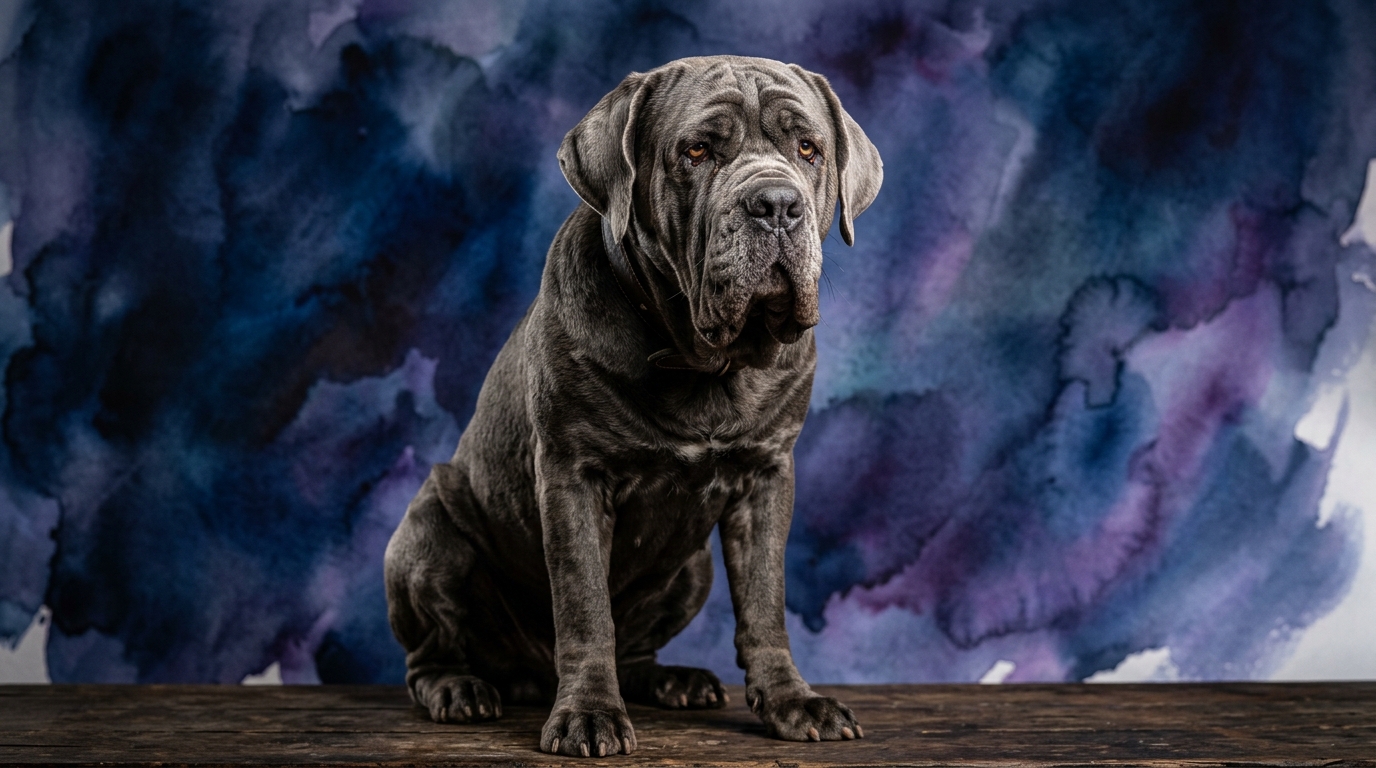
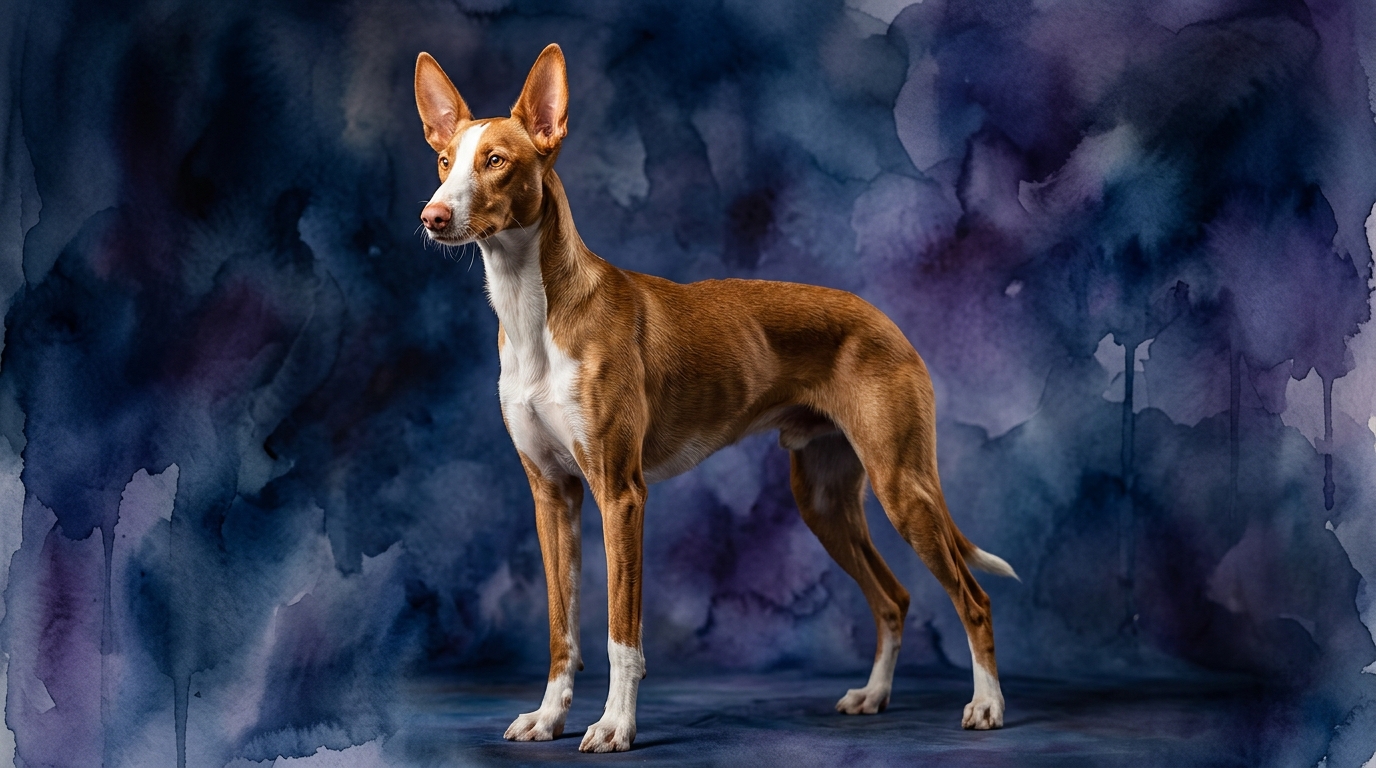
At first glance, the IQ profiles of the Neapolitan Mastiff and the Ibizan Hound appear identical across the board, each scoring a consistent 3 out of 5 in problem-solving, training speed, social intelligence, instinctive drive, and memory. However, these identical scores don't imply identical cognitive experiences; rather, they signify a comparable level of capacity expressed through distinct breed-specific lenses. The Neapolitan Mastiff, a dog from the Working Group, is not listed in Stanley Coren's rankings, reflecting its specialized role that often prioritizes independent decision-making in protection over obedience for complex tasks. In stark contrast, the Ibizan Hound, a member of the Hound Group, holds a Coren rank of #53, suggesting a more conventional assessment of its trainability and adaptive intelligence within a broader canine context.
For the Neapolitan Mastiff, a 3/5 in problem-solving often translates to a deliberate, methodical approach, particularly when assessing perceived threats or navigating familiar environments. Their solutions are often rooted in persistence and physical presence, rather than agile, quick-witted maneuvers. Training speed at 3/5 indicates they are capable learners, but require patient, consistent methods, often responding best to a handler they deeply trust and respect, rather than displaying an eagerness to please. Their social intelligence, also 3/5, is profoundly tuned to their immediate family unit, allowing them to discern nuances in human emotion and household dynamics, while remaining reserved with strangers. The instinctive drive of 3/5 for a Neapolitan Mastiff is almost exclusively focused on protection and territorial guardianship, a deeply ingrained need to survey and defend. Finally, their 3/5 memory is robust for routines, identifying individuals (both welcomed and unwelcomed), and retaining established boundaries, reinforcing their role as watchful sentinels.
The Ibizan Hound, conversely, expresses its 3/5 problem-solving through its ancestral hunting prowess. These dogs excel at navigating complex outdoor environments, strategically pursuing quarry, and overcoming physical obstacles with a blend of agility and resourcefulness. Their 3/5 training speed means they can grasp commands readily, but their independent sighthound nature often means compliance is conditional, dependent on their motivation or the absence of more compelling environmental distractions. Social intelligence at 3/5 for the Ibizan typically manifests as a sensitive, affectionate bond with their chosen family, though they often retain a characteristic hound independence and can be quite reserved or aloof with new people. The Ibizan's 3/5 instinctive drive is overwhelmingly a prey drive, fueled by sight and speed, dictating much of their behavior and focus outdoors. Their memory, also 3/5, is excellent for recalling hunting grounds, successful chase strategies, and familiar people, though their intense focus on quarry can sometimes override remembered commands in high-stimulus situations.
Where the Neapolitan Mastiff Wins Cognitively
While both breeds share identical IQ scores, the Neapolitan Mastiff demonstrates a distinct cognitive strength in the application of its social intelligence and problem-solving within a stable, protective family environment. Its 3/5 social intelligence, when compared to the Ibizan Hound's more independent expression, is often characterized by a profound, nuanced understanding of its human pack's emotional states and perceived needs for security. This allows the Mastiff to act as a highly discerning guardian, capable of subtle threat assessment and calibrated responses that rely on presence and deterrence rather than agile pursuit. They possess an exceptional memory for distinguishing 'friend' from 'foe' within their defined territory, a critical component of their guarding role.
Furthermore, the Neapolitan Mastiff's problem-solving (3/5) is uniquely adapted to its protective duties. Faced with a perceived intrusion, their cognitive process is less about intricate maneuver and more about a steadfast, unwavering assessment of the situation, often leading to a direct, intimidating solution. They excel at understanding and enforcing boundaries, not through rapid shifts in strategy, but through consistent, imposing vigilance. This specific cognitive advantage allows them to excel in roles requiring calm, deliberate judgment and a powerful deterrent presence, making them highly effective in their ancestral purpose.
Where the Ibizan Hound Wins Cognitively
The Ibizan Hound's cognitive strengths shine brightest in dynamic, open-field environments, particularly when engaged in activities that tap into its innate hunting drives. Its 3/5 problem-solving manifests as a remarkable capacity for environmental navigation and strategic pursuit. Unlike the Mastiff's deliberate assessment, the Ibizan can rapidly process visual information, adapt to changing terrain, and anticipate prey movements with incredible speed and precision. This form of problem-solving is less about static vigilance and more about fluid, real-time decision-making during a high-speed chase.
The Ibizan's 3/5 instinctive drive, overwhelmingly focused on sight-hunting, is a key cognitive asset in this context. This drive fuels a specialized memory for successful hunting patterns and terrain, allowing them to learn and refine strategies for capturing quarry. While both breeds score 3/5 for training speed, the Ibizan's quickness to grasp physical tasks and agility challenges, even if compliance can be selective, points to a cognitive style geared towards rapid learning in movement-based scenarios. Their keen sensory perception and ability to maintain focus on a distant moving object for extended periods showcase a unique, highly specialized form of intelligence critical to their historical role as sighthounds.
Training: Reliability vs. Independence
Despite both breeds scoring 3/5 in training speed, the practical experience of training a Neapolitan Mastiff versus an Ibizan Hound differs significantly due to their underlying behavioral tendencies and primary drives. The Neapolitan Mastiff, while not inherently eager to please like some traditional working breeds, responds well to consistent, patient, and positive reinforcement from a trusted handler. Their massive size necessitates early and thorough socialization and obedience training, making it non-negotiable for safety. Once a command or routine is established and they understand its purpose or their handler's expectation, they are generally reliable due to their loyalty and lower susceptibility to external distractions. Their independence means they need a reason to comply, not just blind obedience, but once convinced, their compliance is often steadfast.
The Ibizan Hound, on the other hand, presents a different set of training challenges. While they can learn commands quickly, their strong prey drive (3/5 instinctive drive) and independent sighthound nature mean they are easily distracted by environmental stimuli, particularly moving objects or interesting scents. Recall, a fundamental command, can be particularly challenging as their innate drive to chase often overrides learned behaviors in an open environment. They are sensitive dogs that do not respond well to harsh training methods, requiring high motivation, engaging techniques, and a deep understanding of their sighthound quirks. An Ibizan might learn a trick in minutes but choose to ignore it moments later if a squirrel runs by. Therefore, while both require dedication, the Neapolitan Mastiff, once trained, tends to offer more consistent reliability in obedience, whereas the Ibizan Hound, despite its learning capacity, often retains a selective compliance dictated by its powerful instincts.
Lifestyle Match: Active Pursuits vs. Calm Companionship
When considering which breed best suits an owner's lifestyle, the contrast between the Neapolitan Mastiff and the Ibizan Hound becomes stark. The Neapolitan Mastiff is an ideal fit for owners who appreciate a calm, watchful presence and a devoted companion within the home. While they require moderate daily exercise to maintain health, they are not high-energy dogs seeking strenuous activities like jogging or intense dog sports. Their contentment often comes from being near their family, surveying their territory, and enjoying a relaxed pace of life. Owners must be prepared for the significant commitment of early socialization and handling required for a giant breed, and provide a secure, appropriately sized living space, but their daily exercise needs are manageable for a more relaxed household.
Conversely, the Ibizan Hound is perfectly suited for highly active owners who can provide ample opportunities for physical exertion. These elegant sighthounds thrive on long runs, extended walks, lure coursing, or other activities that allow them to stretch their powerful legs and satisfy their innate prey drive. They are not content with a sedentary lifestyle and can become restless or destructive if their exercise needs are not met. Ibizan Hounds require a very securely fenced yard, as their jumping ability and prey drive make them escape artists. Off-leash exercise should only occur in safely enclosed areas, as their instinct to chase can lead them far afield. They are the quintessential companion for the outdoors enthusiast who values an agile, independent, and energetic partner for adventures.
The Verdict
Choose the Neapolitan Mastiff if you seek a devoted, protective guardian with a calm, imposing presence, and are prepared for the commitment of training and caring for a giant breed whose primary function is family companionship and vigilance.
Opt for the Ibizan Hound if you lead a highly active lifestyle, can provide extensive daily exercise, understand the unique challenges of a sighthound's powerful prey drive, and appreciate an elegant, independent companion for outdoor adventures.
🧠 Find Your Pet's IQ Score
Our Pet IQ Lab assessment covers 25+ tests across 5 cognitive dimensions — personalized to your breed.
Take the Full IQ Test →Frequently Asked Questions
Are Neapolitan Mastiffs difficult to train?
While scoring 3/5 in training speed, Neapolitan Mastiffs require consistent, patient, and positive reinforcement-based training. Their independent nature means they respond best when they understand the purpose of a command, but once learned, they are generally reliable due to their loyalty.
Do Ibizan Hounds have a strong prey drive?
Absolutely. Ibizan Hounds possess a very strong instinctive drive (3/5) geared towards sight-hunting. This means they are highly prone to chasing anything that moves, necessitating secure leashing and fencing to ensure their safety outdoors.
Which breed is better with children?
With proper socialization, both breeds can coexist well with children, though their approaches differ. The Neapolitan Mastiff is often a calm, watchful guardian, while the Ibizan Hound can be playful but might be too boisterous for very young children due to its energetic nature. Supervision is always key.