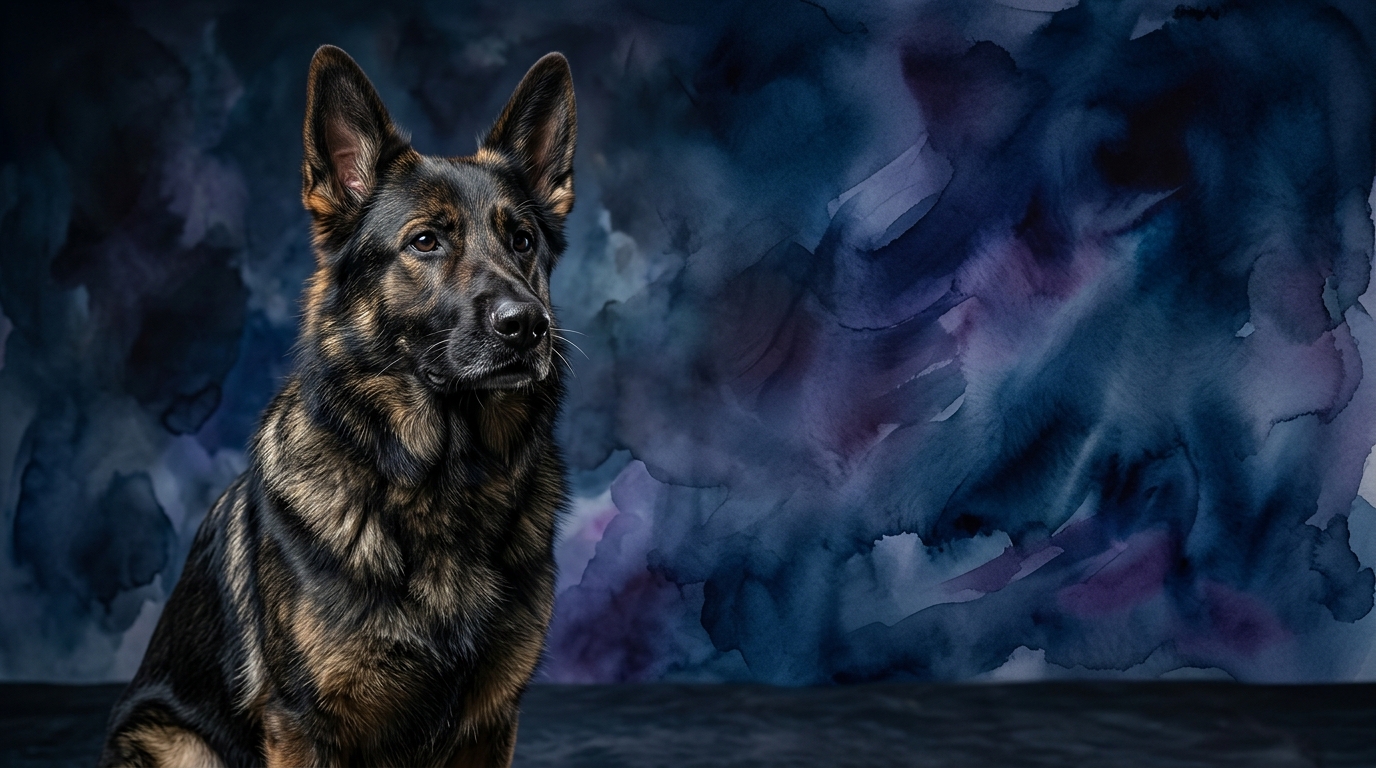
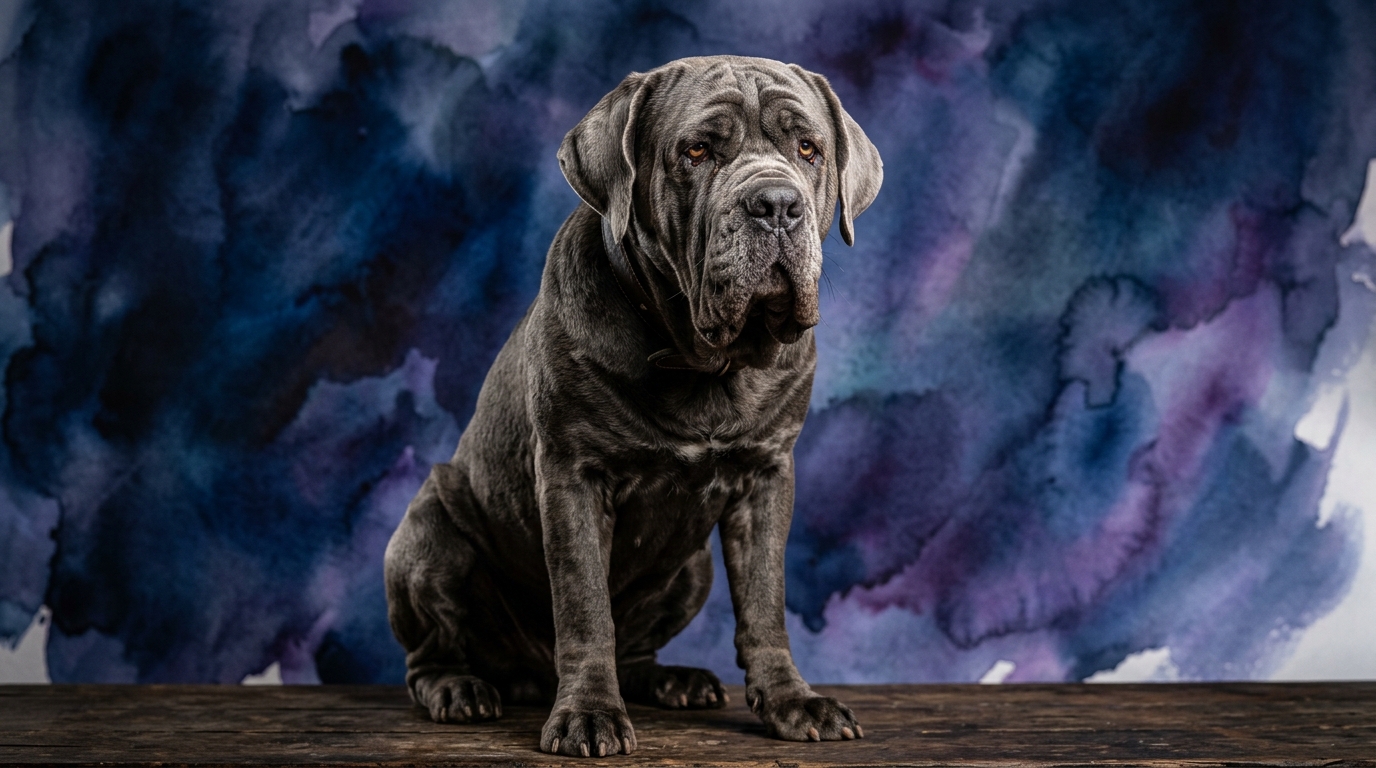
Side-by-side IQ Profile: German Shepherd vs. Neapolitan Mastiff
The Cosmic Pet Pet IQ Lab employs five key dimensions to evaluate canine intelligence, offering a nuanced perspective beyond simple obedience. For the German Shepherd, a breed consistently celebrated for its versatile capabilities, our lab scores reflect its remarkable cognitive prowess across the board. Its Problem Solving is rated 5/5, indicating an exceptional capacity to rapidly analyze novel situations and devise effective solutions, often with minimal human guidance. Training Speed also stands at 5/5, meaning these dogs typically grasp complex commands and routines with very few repetitions, demonstrating an eagerness and aptitude for learning. Social Intelligence, at 5/5, highlights their profound ability to interpret subtle human cues, anticipate intentions, and form deep, collaborative bonds. Instinctive Drive, also 5/5, points to powerful innate behaviors—like herding or protection—that are easily channeled and refined for specific tasks. Finally, Memory, a perfect 5/5, signifies their remarkable retention of learned commands, routines, and experiences over extended periods, making them highly reliable partners.
In stark contrast, the Neapolitan Mastiff, a formidable guardian with a deep lineage in protection, presents a different cognitive landscape. While robust and capable, its scores consistently register at 3/5 across all five dimensions. Its Problem Solving capacity, while present, is more deliberate; these dogs can navigate challenges, but may require more time or trial-and-error to arrive at a solution compared to their German Shepherd counterparts. Training Speed at 3/5 suggests they learn steadily, but require greater patience, repetition, and consistent motivation to master commands. Their Social Intelligence, also 3/5, implies an understanding of basic human communication, yet they tend to be more independent and less attuned to the subtle emotional shifts or anticipatory behaviors that characterize the German Shepherd. Instinctive Drive, at 3/5, reflects strong inherent protective instincts, but these are often expressed with a greater degree of independent judgment rather than immediate biddability for complex, human-directed tasks. Memory, a solid 3/5, means they retain important information, but perhaps not with the same breadth or detail, nor for as long, as a German Shepherd, particularly regarding less critical or frequently reinforced commands.
Where the German Shepherd Wins Cognitively
The German Shepherd's cognitive strengths lie in its exceptional adaptability and eagerness to engage in complex, multi-stage tasks alongside a human partner. Their 5/5 Problem Solving score allows them to excel in dynamic environments, such as navigating agility courses, tracking intricate scent trails, or performing intricate service dog duties where novel challenges constantly emerge. For example, a German Shepherd might quickly learn to open various types of doors or retrieve specific items from a cluttered room, demonstrating a flexible application of learned principles. Their superior Training Speed (5/5) means they can acquire a vast repertoire of commands and behaviors, from advanced obedience to specialized search and rescue protocols, far quicker than many other breeds. Furthermore, their 5/5 Social Intelligence makes them exquisitely sensitive to human direction, allowing for precise communication through subtle hand signals or vocal inflections, fostering a seamless working relationship in high-stakes situations. This breed thrives on intellectual engagement and the challenge of mastering new skills, consistently seeking to understand and fulfill their handler's intentions.
Where the Neapolitan Mastiff Wins Cognitively
While the Neapolitan Mastiff's IQ scores are lower, their cognitive profile is perfectly suited to their historical purpose, revealing a different kind of strength: discerning, independent guardianship. Their 3/5 Problem Solving manifests as a calm, calculated assessment of potential threats rather than rapid, externally-directed task execution. A Neapolitan Mastiff might independently decide the best vantage point to observe its territory or subtly position itself between its family and an unfamiliar visitor, showcasing an innate strategic awareness without needing a command. Their 3/5 Social Intelligence, while not focused on constant interaction, allows them to form deep, protective bonds with their immediate family, distinguishing trusted individuals from strangers with profound accuracy. This discernment is a cognitive strength, enabling them to make independent judgments about who belongs and who might pose a threat. Their Instinctive Drive, while scoring 3/5 for biddability, represents a potent, self-directed protective instinct; they excel at being formidable, watchful sentinels whose decisions are often based on their own assessment of a situation, requiring less micro-management than a German Shepherd in their guardian role. They possess a deep-seated understanding of their protective duties, often acting decisively and appropriately without explicit instruction in a crisis.
Which is Easier to Train and Why
The German Shepherd is unequivocally easier to train for a wide array of tasks due to its inherent biddability, high cognitive scores, and strong desire for partnership. Their 5/5 Training Speed means they absorb commands quickly, often requiring only a few repetitions to solidify a new behavior. This rapid learning, coupled with their 5/5 Social Intelligence, makes them highly receptive to handler cues and eager to please, viewing training as a collaborative and rewarding activity. A German Shepherd's strong Instinctive Drive (5/5) can be readily channeled into structured activities like obedience, agility, or working roles, where their focus and drive are assets. They thrive on having a "job" and will actively seek to understand and execute commands, making the training process highly efficient and often enjoyable for both dog and owner.
The Neapolitan Mastiff, with its consistent 3/5 scores, presents a more significant training challenge, primarily due to its independent nature and lower inherent biddability. Their 3/5 Training Speed means they require far more patience, repetition, and consistent, positive reinforcement to learn and reliably perform commands. Unlike the German Shepherd, the Neapolitan Mastiff often weighs a command against its own perceived importance or relevance, rather than immediately complying out of an eagerness to please. Their 3/5 Social Intelligence, while strong within their family unit, does not translate to the same degree of handler-focused cooperation in training. Training a Neapolitan Mastiff requires a confident, consistent leader who understands their guardian instincts and respects their thoughtful, sometimes stubborn, approach to learning. They respond best to training that is fair, clear, and provides a strong motivation, as opposed to simply fulfilling a human's request.
Which Suits Active Owners vs. Relaxed Owners
The German Shepherd is an ideal companion for active owners who relish engaging deeply with their dog's mind and body. Their high cognitive scores across all dimensions mean they require substantial mental and physical stimulation to thrive. An active owner for a German Shepherd is someone who enjoys daily structured training sessions, dog sports like agility or obedience, long hikes, or even working roles such as search and rescue or protection work. This breed’s eagerness to learn and strong working drive makes them perfect partners for individuals seeking a canine companion to share an energetic, purpose-driven lifestyle. They can become destructive or anxious if their considerable cognitive and physical needs are not met, making them unsuitable for owners seeking a low-maintenance, sedentary pet.
The Neapolitan Mastiff, conversely, is better suited for owners who might be described as "relaxed" in terms of constant, high-energy engagement, but who are nonetheless confident, consistent leaders. While large, their exercise needs are generally moderate, consisting of daily walks and access to a secure yard, rather than intense, sustained activity. Their 3/5 cognitive scores, particularly for Problem Solving and Training Speed, suggest they don't require the same level of complex, structured mental tasks as a German Shepherd. Instead, a relaxed owner for a Neapolitan Mastiff is someone who appreciates a calm, watchful presence, providing consistent routines and a secure environment. They need an owner who understands their independent, protective nature and can provide firm, gentle guidance, rather than expecting constant playful interaction or complex obedience. They are content with monitoring their domain and being a loyal, imposing presence, making them suitable for owners who value a majestic, self-possessed companion over a constantly active partner.
The Verdict
Choose a German Shepherd if you are an active, committed owner seeking a highly biddable, versatile partner eager for complex training, dog sports, or a working role, thriving on constant mental and physical engagement. This breed excels when given a "job" and thrives on collaborative problem-solving alongside its human.
Choose a Neapolitan Mastiff if you are a calm, confident leader seeking a majestic, independent guardian whose primary role is watchful protection and loyal companionship, requiring consistent but less intensive training and moderate exercise. This breed thrives with a clear, stable home environment and an owner who respects its discerning nature.
🧠 Find Your Pet's IQ Score
Our Pet IQ Lab assessment covers 25+ tests across 5 cognitive dimensions — personalized to your breed.
Take the Full IQ Test →Frequently Asked Questions
Does a lower IQ score mean a dog is "dumb"?
Not at all; a lower score simply indicates a different cognitive profile, often one suited to specific historical roles that prioritize independence or a different type of problem-solving, rather than high biddability for human-directed tasks. Every breed possesses inherent strengths.
Are Neapolitan Mastiffs difficult to live with due to their independence?
Neapolitan Mastiffs are not difficult if their owner understands their independent, guardian nature and provides consistent leadership and appropriate socialization from a young age. Their discernment and protective instincts require confident handling, but they are deeply loyal to their family.
Can a German Shepherd be a good family pet without a "job"?
Yes, a German Shepherd can be an excellent family pet, but they still require significant mental and physical engagement, which can be fulfilled through regular training, interactive games, long walks, and family activities that provide purpose and stimulation. Their need for activity doesn't necessarily mean a formal "job," but rather consistent interaction.