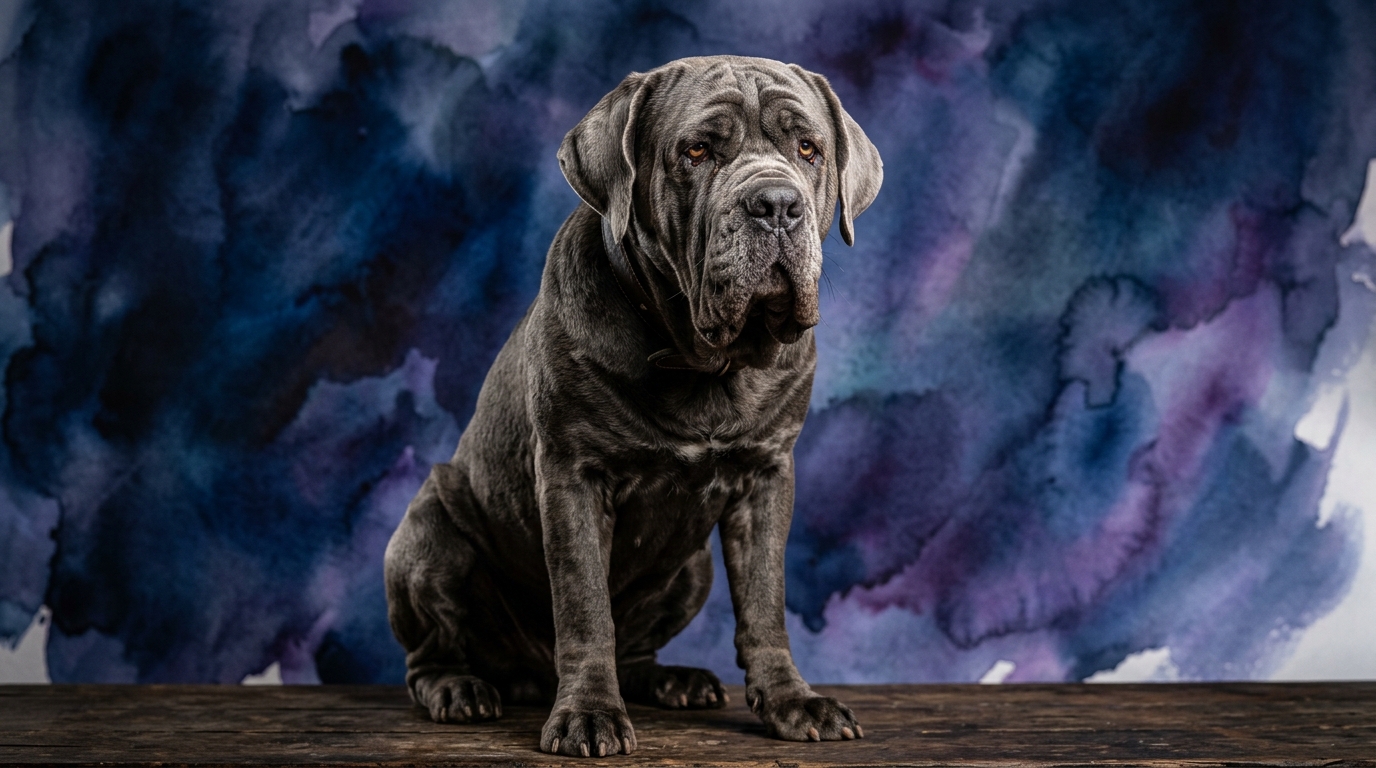
Side-by-Side Cognitive Profiles: Neapolitan Mastiff
**Problem Solving (3/5):** The Neapolitan Mastiff displays a moderate capacity for independent thought and figuring out novel situations. They can assess a new obstacle or a puzzle toy with a degree of deliberation, often relying on their physical presence or a calm, methodical approach rather than rapid experimentation. Their problem-solving isn't always about speed but about a considered, albeit sometimes slow, process to achieve a goal.
**Training Speed (3/5):** This breed possesses a moderate pace when it comes to learning new commands or routines. While not the quickest to grasp complex sequences, they are capable of solid retention with consistent, patient reinforcement. Their learning curve benefits from clear, calm instruction and a handler who understands their deliberate nature, rather than expecting immediate compliance or lightning-fast recall.
**Social Intelligence (3/5):** Neapolitan Mastiffs exhibit a moderate understanding of social cues, both from humans and other animals. They can interpret body language and emotional states to a reasonable extent, influencing their responses in various social settings. Their social interactions are often characterized by a watchful, reserved demeanor, discerning friend from stranger with a calm, discerning gaze before engaging.
**Instinctive Drive (3/5):** Their instinctive drives are moderately expressed, primarily rooted in their historical role as guardians. This manifests as a protective instinct towards their family and territory, coupled with a moderate prey drive that is typically less intense than many hunting breeds but still present. They possess an inherent awareness of their surroundings, often reacting with a steady, watchful presence to perceived changes or threats.
**Memory (3/5):** Neapolitan Mastiffs demonstrate a moderate memory capacity, capable of recalling learned behaviors, routines, and experiences over time. They remember people, places, and commands reliably, especially those associated with positive or significant emotional events. This memory contributes to their consistent adherence to established household rules and their recognition of familiar faces.
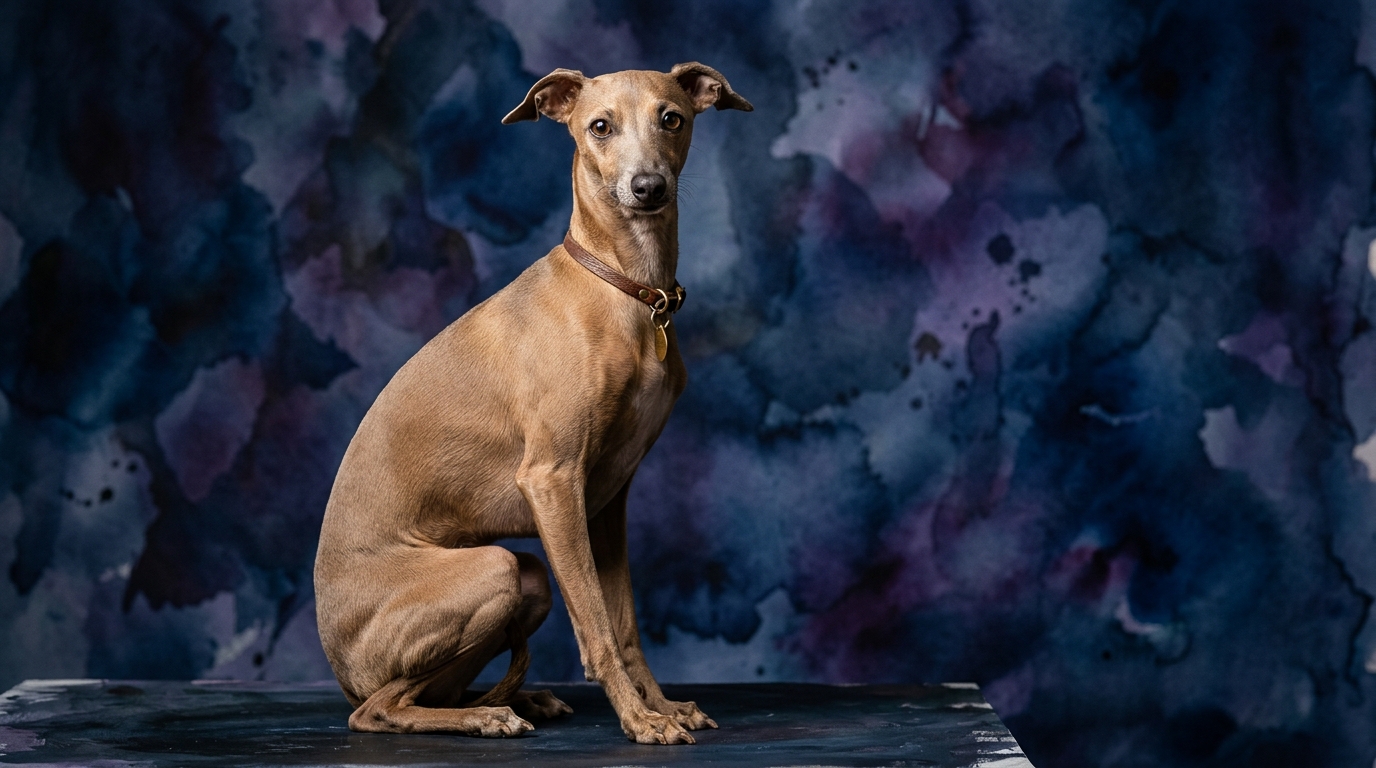
Side-by-Side Cognitive Profiles: Italian Greyhound
**Problem Solving (3/5):** Italian Greyhounds show a moderate ability to navigate challenges and figure things out. They might approach a puzzle with a mix of curiosity and quick, exploratory actions, though sometimes with a touch of independent thought that can lean towards their own agenda. Their problem-solving often involves agile movements and a light touch, rather than brute force or prolonged contemplation.
**Training Speed (3/5):** This breed learns at a moderate speed, capable of picking up new commands and tricks with consistent, positive reinforcement. While they can be sensitive and easily distracted, their desire to please their favored humans, combined with their quick physical responses, aids in their learning. Short, engaging training sessions yield the best results, preventing boredom or frustration.
**Social Intelligence (3/5):** Italian Greyhounds display a moderate understanding of social dynamics, often highly attuned to their human companions' moods and subtle cues. They can adapt their behavior based on the social atmosphere, seeking comfort or play as appropriate. Their social interactions are often characterized by a sensitive, sometimes reserved approach, preferring familiar company and gentle introductions.
**Instinctive Drive (3/5):** Their instinctive drives are moderately present, primarily stemming from their sighthound heritage. This includes a distinct prey drive, often triggered by small, fast-moving objects, and a strong urge to chase. They also possess a keen awareness of their environment, constantly scanning for anything that might spark their interest or flight response.
**Memory (3/5):** Italian Greyhounds have a moderate memory, allowing them to recall routines, learned behaviors, and the people they bond with. They remember house rules and training cues, though their selective hearing, often linked to their sighthound independence, can sometimes make it seem otherwise. Their memory for comfort, warmth, and preferred sleeping spots is particularly strong.
Where the Neapolitan Mastiff Wins Cognitively
While both breeds share identical 3/5 scores across all Cosmic Pet IQ dimensions, their expression of these cognitive traits differs significantly due to their distinct evolutionary paths. The Neapolitan Mastiff, with its guardian heritage, exhibits a superior capacity for sustained, watchful awareness in its environment. Their problem-solving, though not fast, is often characterized by a deliberate, methodical assessment of a situation, allowing them to process complex environmental changes or potential threats with a calm persistence, rather than impulsive reaction. This translates to a cognitive advantage in tasks requiring steady vigilance and a measured response to unfolding scenarios. For instance, understanding the subtle shift in a stranger's demeanor or the unusual sound outside isn't about speed for the Mastiff, but about a thorough, steady processing that allows for a proportional and appropriate reaction, often without overt display.
Furthermore, their social intelligence, while rated the same, manifests as a profound, albeit reserved, discernment. A Neapolitan Mastiff excels at identifying nuanced social hierarchies within their family unit and understanding the unspoken expectations of their role. Their memory, combined with this social acumen, means they consistently recall who belongs and who doesn't, or which family member needs gentle protection versus playful engagement. This deep-seated understanding of their social structure and the consistent recall of these relationships allows them to be incredibly reliable and predictable within their established circle, offering a cognitive steadiness that is a hallmark of their breed.
Where the Italian Greyhound Wins Cognitively
Conversely, the Italian Greyhound's cognitive strengths lie in areas demanding quick environmental scanning and rapid adaptation, reflecting their sighthound lineage. Their problem-solving, while also rated 3/5, is often expressed through agility and speed of thought, particularly when it comes to navigating complex physical spaces or quickly assessing opportunities for play or chase. They can rapidly identify and exploit a small gap in a fence or find the fastest route to a favorite sunbeam, demonstrating a different kind of efficiency in their cognitive processing. This quick assessment of their immediate surroundings and the ability to adapt their physical actions on the fly gives them an edge in dynamic, fast-paced situations.
Their social intelligence, though sharing the same score, manifests as an acute sensitivity to human emotions and a swift responsiveness to subtle cues from their favored people. An Italian Greyhound can often pick up on a change in their owner's mood or a slight shift in tone almost instantly, adjusting their behavior from playful to comforting with remarkable speed. Their memory, while also a 3/5, is particularly strong for associations linked to comfort, routine, and the locations of their cherished soft furnishings or warm laps. This leads to a cognitive advantage in rapidly forming strong, intuitive bonds and remembering patterns of comfort and interaction, making them incredibly attuned companions who often seem to anticipate their owner's needs for closeness.
Which is Easier to Train and Why
Determining which breed is 'easier' to train is less about raw IQ scores and more about understanding their inherent motivations and physical capabilities. Both breeds are rated 3/5 in training speed, implying a moderate learning curve. However, their approaches differ. The Neapolitan Mastiff typically requires a patient, consistent, and confident handler. Their training benefits from a calm, authoritative presence, as they are less likely to respond to frantic energy or repeated, high-pitched commands. They learn well through positive reinforcement and a clear understanding of expectations, but their deliberate nature means progress might seem slow. Their sheer size and strength necessitate early, consistent training to manage their physical presence effectively, making their training critical from a young age.
The Italian Greyhound, while also a 3/5 in training speed, presents a different set of challenges. Their sensitivity means harsh corrections are counterproductive, leading to shut down or anxiety. They respond best to short, engaging sessions filled with praise and high-value treats. Their sighthound independence and easily distracted nature, especially by movement, can make recall a significant hurdle. While they may grasp a command quickly, their inclination to follow their nose or chase a leaf can override their learned obedience. House training can also be protracted due to their small bladders and preference for warmth, requiring diligent supervision and frequent outdoor access. Their delicate physical structure also means training must consider their propensity for injury during exuberant play or falls.
Which Suits Active Owners vs. Relaxed Owners
The Neapolitan Mastiff, despite its imposing size, is generally suited for more relaxed owners who appreciate a calm, steady presence. While they require moderate daily exercise to maintain health, such as leashed walks, they are not high-energy dogs seeking intense activities like agility or marathon running. Their ideal owner enjoys quiet companionship, is prepared for their substantial physical needs (space, sturdy equipment), and values a dog with a strong, protective instinct that manifests as a watchful rather than constantly active demeanor. They thrive in environments where they can be part of the family routine, often content to observe from a comfortable spot near their loved ones.
The Italian Greyhound, conversely, can surprise some with their bursts of energy, making them suitable for owners who enjoy short, vigorous play sessions or have secure areas for them to zoom. While they also enjoy lounging and snuggling, their sighthound heritage means they need opportunities to run safely. They are excellent companions for owners who appreciate a dog that can transition from intense play to quiet cuddles on the couch. Their delicate build means they are less suited for rough-and-tumble activities or homes with very young, boisterous children. They thrive with owners who can provide warmth, gentle handling, and understand their need for both explosive exercise and prolonged periods of rest and affection.
The Verdict
Opt for the Neapolitan Mastiff if you seek a calm, steadfast companion with a profound, deliberate protective instinct, and if you appreciate a dog whose cognitive strengths lie in watchful, measured discernment and consistent loyalty within a stable home environment.
Select the Italian Greyhound if you desire an agile, sensitive companion who offers quick bursts of playful energy interspersed with intense affection, and if you value a dog whose cognitive strengths are expressed through rapid environmental assessment and a swift, intuitive bond with their chosen people.
🧠 Find Your Pet's IQ Score
Our Pet IQ Lab assessment covers 25+ tests across 5 cognitive dimensions — personalized to your breed.
Take the Full IQ Test →Frequently Asked Questions
Do Neapolitan Mastiffs respond well to positive reinforcement?
Yes, Neapolitan Mastiffs respond very well to positive reinforcement. Their deliberate nature means they thrive with consistent, calm praise, treats, and affection when they perform desired behaviors, which builds trust and encourages cooperation without overwhelming them.
Are Italian Greyhounds difficult to house train compared to other breeds?
Italian Greyhounds can sometimes be more challenging to house train due to their small bladders, preference for warmth, and sensitive nature. Consistent scheduling, frequent outdoor access, and positive reinforcement are crucial for success, as harsh methods can cause setbacks.
Can Neapolitan Mastiffs and Italian Greyhounds live together peacefully?
While possible, introducing these breeds requires careful management due to their vast size and temperament differences. A Neapolitan Mastiff's protective instincts and an Italian Greyhound's delicate frame and high prey drive for small, fast-moving objects mean early, supervised socialization and constant vigilance are essential for a safe cohabitation.