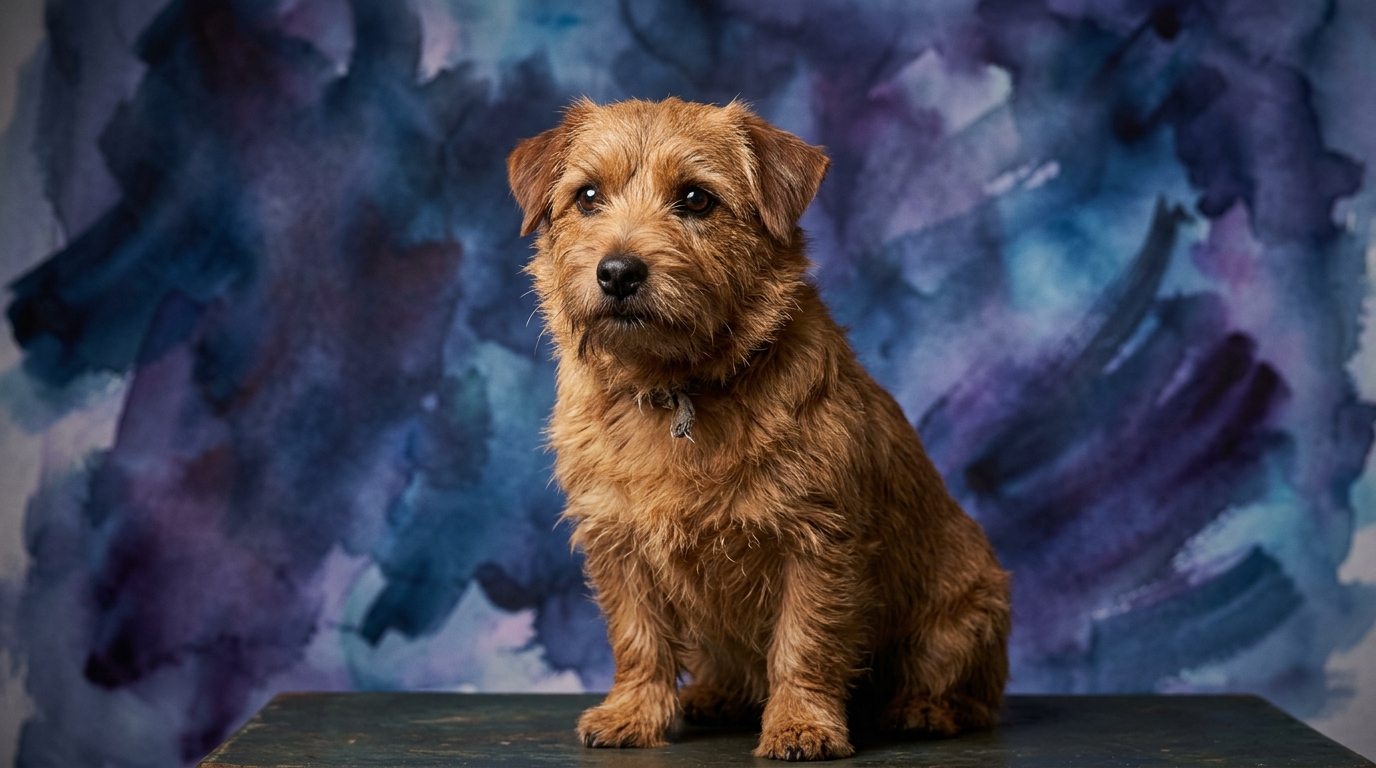
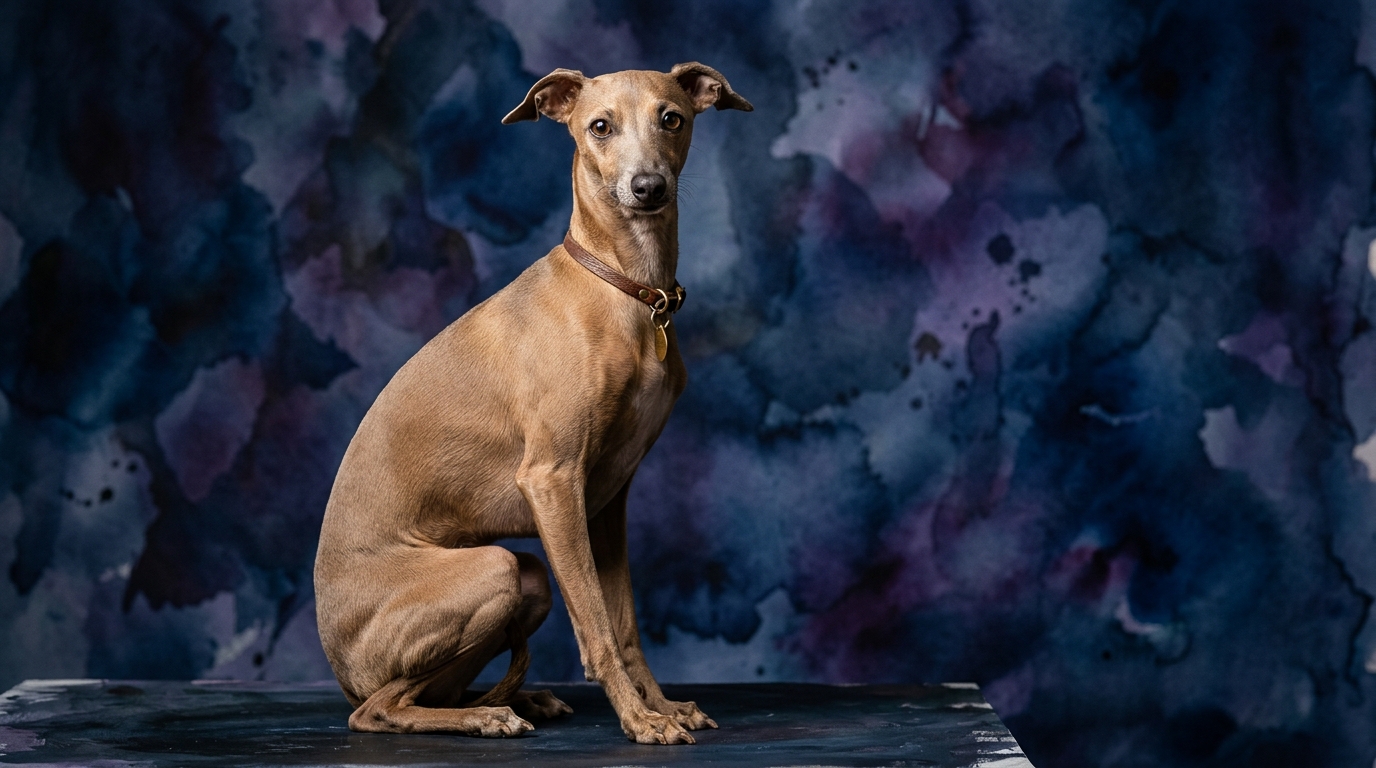
Side-by-Side Cognitive Profiles: Norfolk Terrier vs. Italian Greyhound
At The Cosmic Pet Pet IQ Lab, both the Norfolk Terrier and the Italian Greyhound register a consistent 3 out of 5 across all five core cognitive dimensions. However, these identical numerical scores belie distinct manifestations shaped by their inherent breed characteristics and historical roles. Understanding these nuances is key to appreciating their individual thought processes.
For the Norfolk Terrier, Problem Solving (3/5) often manifests as tenacious resourcefulness in investigating new scents or objects, requiring creative solutions to reach a perceived 'prize,' like a hidden toy or a burrowing critter. Their determination means they won't easily give up on a puzzle. Training Speed (3/5) indicates they grasp commands quickly, yet their independent spirit means compliance isn't always immediate; training requires engaging, varied methods to keep their attention, otherwise their strong will can make them seem slower to obey. Social Intelligence (3/5) shows they keenly observe human behavior and household dynamics, understanding routines and who to approach for specific needs, though their interactions are often tempered by their self-assured terrier nature. Their Instinctive Drive (3/5) is a strong urge to chase, dig, and explore, rooted in their vermin-hunting heritage, powerfully motivating much of their spontaneous behavior. Memory (3/5) allows them reliable recall for learned commands in familiar contexts and specific locations where interesting events occurred, aiding their exploratory endeavors.
The Italian Greyhound's Problem Solving (3/5) is often directed towards navigating their environment for comfort and security, such as finding the warmest sunbeam or the softest blanket, or figuring out how to get onto a favorite lap. Their solutions are typically elegant and efficient rather than forceful. Training Speed (3/5) highlights them as sensitive learners, quick to pick up cues with gentle, positive reinforcement; however, their delicate nature means they can become withdrawn or resistant if training is perceived as harsh or overly repetitive. Social Intelligence (3/5) reveals they are highly attuned to their human companions' emotional states and subtle body language, often seeking to offer comfort or solicit affection, forming deep bonds and thriving on close companionship. Their Instinctive Drive (3/5) is primarily expressed as a sighthound's urge to chase fast-moving objects, coupled with a profound desire for warmth and physical closeness, less about digging and more about bursts of speed. Memory (3/5) ensures they remember preferred people, established routines, and the locations of their favorite cozy spots with remarkable consistency, aiding in their comfort-seeking behaviors and strengthening family bonds.
Where the Norfolk Terrier Shines Cognitively
The Norfolk Terrier's cognitive strengths lean towards tenacious problem-solving in a 'task' oriented sense. Their inherent drive to investigate and overcome obstacles gives them an edge in scenarios requiring sustained focus on an external goal, such as sniffing out a hidden treat in a complex puzzle toy or navigating a new, stimulating environment. This persistence, deeply ingrained from their working heritage, means they are less likely to abandon a challenge until a solution is found, often testing boundaries and exploring cause-and-effect with a determined spirit. They excel at independent decision-making when presented with a novel situation that sparks their curiosity, often devising their own strategies rather than waiting for direction.
Where the Italian Greyhound Excels Cognitively
Conversely, the Italian Greyhound often demonstrates a deeper, more nuanced understanding of human emotional states, making them particularly adept at reading moods and responding with appropriate comfort or affection. Their cognitive strengths are often directed internally, focused on optimizing their environment for comfort and security, such as meticulously arranging blankets or finding the perfect warm spot to settle. This sensitivity extends to learning subtle cues from their human companions, allowing them to anticipate owner actions with remarkable precision and respond with a gentle, intuitive grace. They possess an exceptional ability to form profound emotional connections, which fuels their social intelligence and shapes their interactions.
Training Dynamics: A Tale of Two Temperaments
When it comes to training, both breeds present unique considerations. The Norfolk Terrier, with its independent spirit and strong prey drive, can be challenging in a different way. While they grasp commands quickly, their inclination to follow a compelling scent or investigate an interesting sound can override their desire to comply. Effective training for a Norfolk requires engaging, consistent, positive reinforcement that taps into their investigative nature and offers substantial rewards, as they often approach tasks with a 'what's in it for me?' attitude. Their reliability in diverse situations strengthens once a bond and understanding are firmly established, but it demands patience and creativity from the trainer.
The Italian Greyhound, on the other hand, is a sensitive learner. They respond exceptionally well to gentle, positive reinforcement and praise, often eager to please their beloved companions. However, their delicate nature means they can become withdrawn, anxious, or resistant if training is perceived as harsh, overly repetitive, or high-pressure. Housetraining can be a particular challenge due to their small bladders and an aversion to cold or wet weather, which makes outdoor elimination less appealing. While they might pick up basic commands faster in a quiet, low-stress environment due to their desire for closeness, their sensitivity means consistency in a gentle manner is paramount to avoid creating a fearful response. Therefore, neither breed is universally 'easier,' as success hinges on the trainer's ability to adapt to their specific temperament and motivational triggers.
Lifestyle Match: Active Adventurer vs. Cozy Companion
The Norfolk Terrier is an ideal companion for active owners who relish outdoor adventures and can provide ample mental stimulation. Their boundless energy and insatiable curiosity demand regular engagement, whether through structured walks, invigorating puzzle toys, or varied training sessions that challenge their intellect. They thrive with owners who appreciate a confident, investigative companion ready for action, able to keep pace with an active lifestyle and enjoy exploring new sights and smells. Their resilience allows them to adapt to various outdoor conditions, making them excellent partners for hiking or long strolls.
The Italian Greyhound, conversely, suits owners who appreciate a quiet, affectionate companion but can also provide opportunities for short bursts of intense activity in a secure area. While they genuinely enjoy lounging in warm, soft spots, their sighthound heritage means they need to run and stretch their legs in a safe, fenced environment. They are particularly sensitive to cold, preferring cozy indoor environments and thrive with owners who value close companionship, gentle interaction, and are prepared to provide sweaters or coats for cooler weather outings. They are content with less strenuous daily exercise, provided they have their sprint opportunities, making them suitable for owners with a more relaxed pace but who are still committed to their specific activity needs.
The Verdict
Opt for a Norfolk Terrier if you seek a resilient, curious companion eager for exploration and mental challenges, thriving alongside owners who appreciate a dog with independent thought and a determined spirit.
Select an Italian Greyhound if you desire a sensitive, elegant companion who excels at forming deep emotional bonds and prioritizes comfort, suitable for owners who value quiet affection and gentle interactions.
🧠 Find Your Pet's IQ Score
Our Pet IQ Lab assessment covers 25+ tests across 5 cognitive dimensions — personalized to your breed.
Take the Full IQ Test →Frequently Asked Questions
Do Norfolk Terriers or Italian Greyhounds bark more?
Norfolk Terriers, true to their terrier heritage, are generally more vocal, using barks to alert or express excitement during exploration or play. Italian Greyhounds tend to be quieter, though they may bark to communicate needs or in response to unexpected stimuli or perceived threats.
Are Italian Greyhounds difficult to housetrain?
Italian Greyhounds can present challenges in housetraining due to their small bladders and aversion to cold or wet weather, which makes outdoor elimination less appealing. Consistent, positive reinforcement and frequent trips outside, especially in comfortable conditions, are crucial for success, often requiring patience.
Can Norfolk Terriers live in apartments?
Yes, Norfolk Terriers can adapt well to apartment living provided they receive adequate daily exercise and mental stimulation. Their compact size is suitable, but their energy and curiosity mean owners must commit to regular walks, engaging activities, and playtime to prevent boredom and ensure their well-being.