Side-by-Side IQ Profile
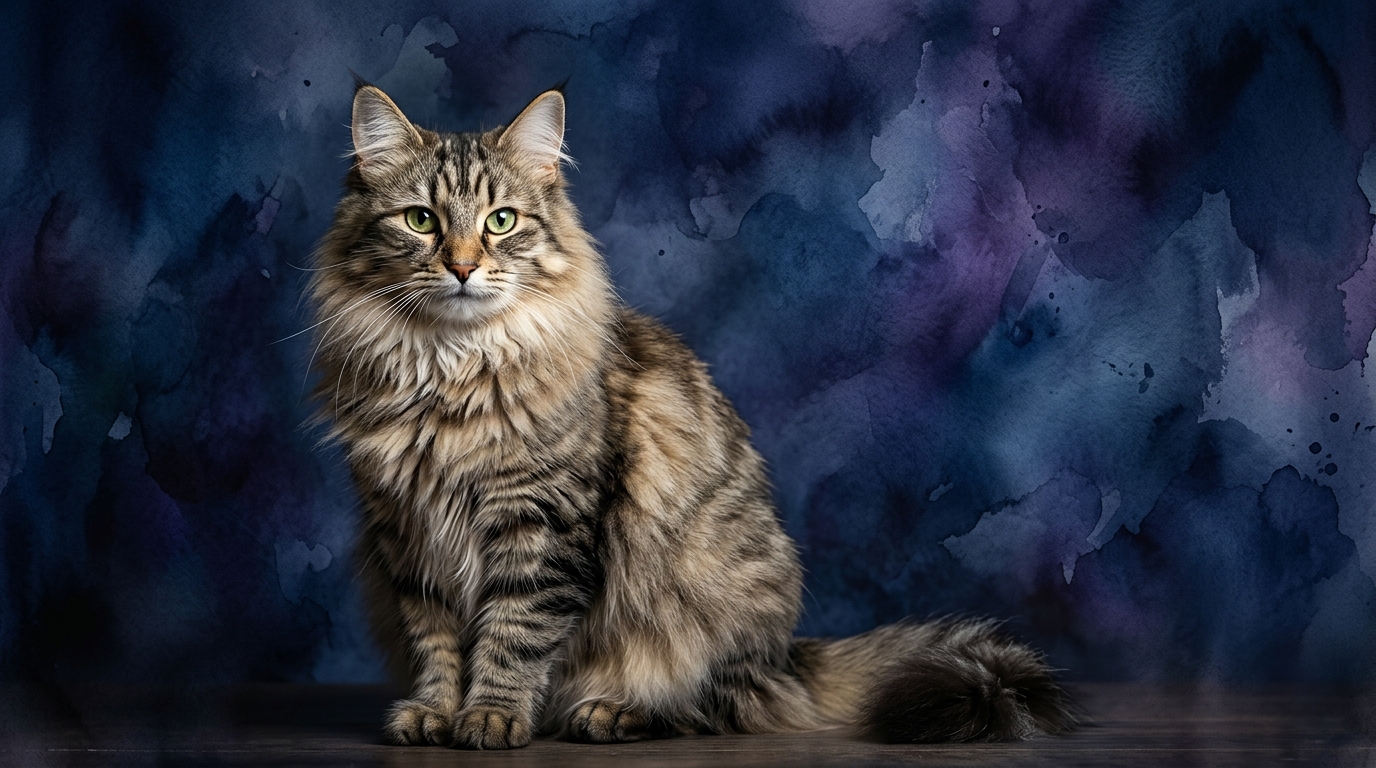
The Norwegian Forest Cat presents a cognitive profile indicating a robust and active mind. Their Problem Solving is rated at 4/5, signifying a strong aptitude for figuring things out, often experimenting with different approaches to achieve a goal, like opening cabinets or retrieving hidden toys. This cognitive flexibility allows them to adapt to new challenges with relative ease, demonstrating a persistent curiosity about their environment. Their Training Speed is 3/5; while not the fastest learners in terms of rote commands, their moderate pace indicates they can pick up routines and respond to consistent reinforcement. However, their problem-solving inclination can sometimes lead them to find their *own* solutions, which might require patient guidance during training sessions to ensure desired behaviors are established. Social Intelligence for this breed is 3/5; they possess a moderate capacity for understanding human cues and other animal interactions, forming bonds and being affectionate, but their social engagement often feels more independent, observing rather than constantly seeking interaction. They generally adapt well to household dynamics but might not be overtly demonstrative in their social responsiveness. Their Instinctive Drive is a commanding 5/5, meaning they showcase a powerful urge to hunt, explore, and engage with their environment; this manifests as a strong prey drive, a desire to climb and survey high vantage points, and a deep-seated need for mental and physical stimulation that mimics their natural behaviors. Finally, their Memory is 4/5, indicating a robust recall of past experiences, learned routines, and the locations of favored items or hiding spots for extended periods, contributing to their ability to navigate complex environments and remember successful problem-solving strategies.
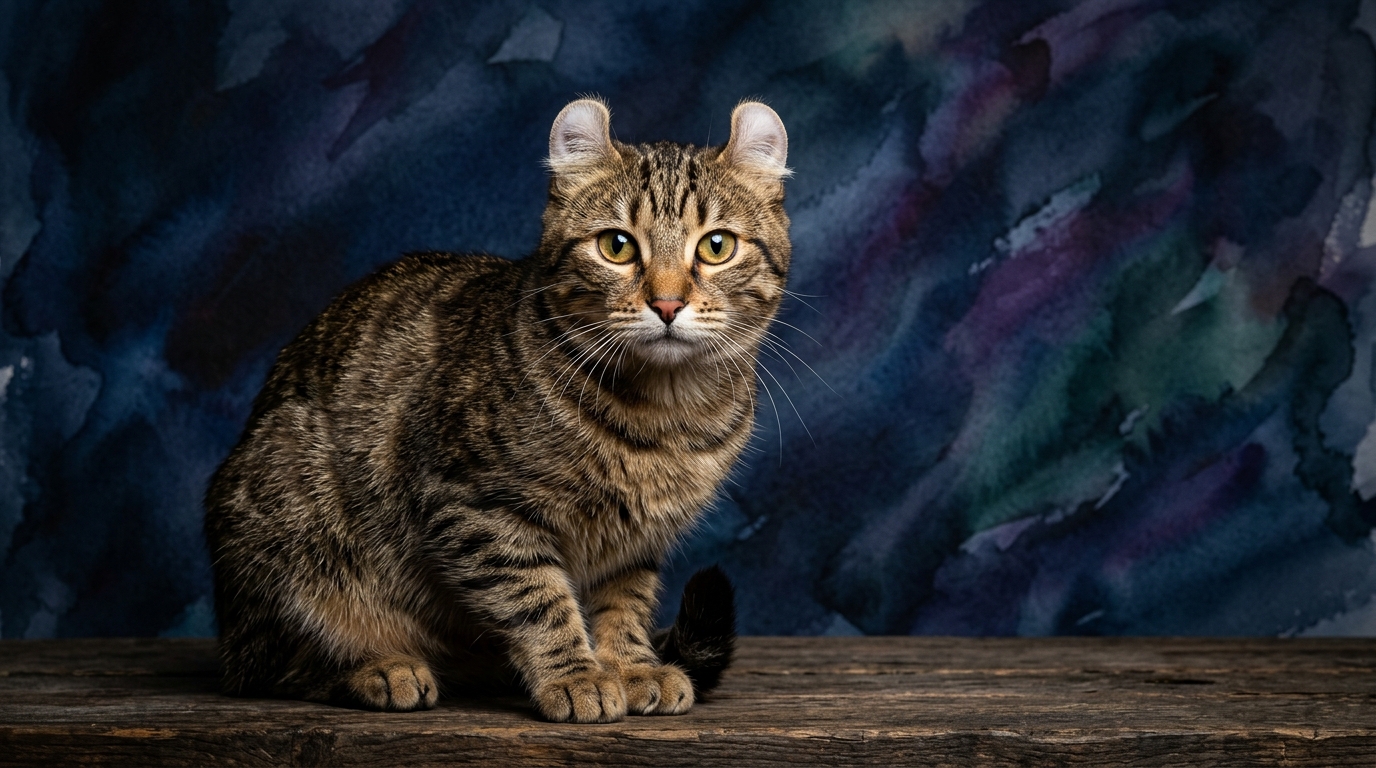
In contrast, the American Curl offers a more balanced cognitive landscape. Their Problem Solving is rated at 3/5, displaying a moderate ability to solve puzzles or navigate simple environmental challenges; they can learn through trial and error but may be less inclined to persistently deconstruct complex problems, preferring straightforward solutions or seeking assistance when faced with difficulties. Their Training Speed is also 3/5, similar to the Norwegian Forest Cat, showing a moderate pace for learning commands and routines; they are generally cooperative and eager to please, which can aid in training, but they might require more repetition to solidify new behaviors. Social Intelligence for the American Curl is 3/5, allowing them to connect with their human families and other pets; they are often described as affectionate and people-oriented, enjoying companionship and participating in household activities without being overly demanding, reading social cues adequately but perhaps not possessing the nuanced understanding of highly socially attuned breeds. Their Instinctive Drive is 3/5, meaning while they enjoy play and exploration, their hunting and territorial instincts are less pronounced than many other breeds; they are content with indoor life and often find satisfaction in interactive toys and human companionship rather than constantly seeking to fulfill deep-seated primal urges. Lastly, their Memory is 3/5, indicating a functional recall of familiar faces, places, and basic routines; they can remember where their food bowl is or who gives them treats, but their recall of intricate details or less frequent events might be less pronounced.
Where Norwegian Forest Cat Wins Cognitively
The Norwegian Forest Cat’s 4/5 problem-solving score clearly outshines the American Curl’s 3/5, translating into a cat that is more adept at navigating complex environments and figuring out how things work. Owners might observe a Norwegian Forest Cat systematically trying different methods to open a door, dismantle a puzzle feeder, or retrieve a toy stuck in an awkward spot. Their persistence and strategic thinking mean they are less likely to give up on a mental challenge, often surprising owners with their ingenuity in overcoming obstacles. This cognitive edge means they thrive on environments that offer regular opportunities for mental engagement and exploration.
With a commanding 5/5 in instinctive drive compared to the American Curl’s 3/5, Norwegian Forest Cats possess a profound connection to their primal behaviors. This isn't just about hunting; it encompasses a strong desire to climb, explore, and engage with their surroundings in a purposeful way. They are natural explorers, often seeking out high perches to survey their domain or meticulously investigating new scents and sounds. This robust drive fuels their curiosity and provides a powerful internal motivation for interaction with their environment, making them particularly responsive to play that mimics hunting or exploration.
The Norwegian Forest Cat’s 4/5 memory score indicates a more expansive and enduring recall compared to the American Curl’s 3/5. This enhanced memory means they are likely to remember complex sequences of events, specific locations of interest, or even human routines with greater accuracy and for longer durations. For instance, they might remember the exact spot a treat was hidden weeks ago or the specific steps required to get attention for a desired outcome. This cognitive advantage allows them to build a richer mental map of their world and learn from past experiences more effectively.
Where American Curl Wins Cognitively
While the American Curl doesn't boast higher scores in any specific cognitive dimension, their consistent 3/5 across problem-solving, training speed, social intelligence, instinctive drive, and memory positions them uniquely. This balanced profile suggests a cat that is generally more predictable and less prone to extreme behaviors driven by intense cognitive urges. Owners might find an American Curl to be less demanding of complex mental stimulation or less inclined to engage in high-octane exploratory behaviors, making them an excellent fit for households seeking a steady, amiable companion. Their moderate instinctive drive, for example, means they are less likely to exhibit strong hunting behaviors or an overwhelming need to climb and explore every nook and cranny, which can be a significant “win” for those preferring a more settled pet.
The American Curl’s moderate instinctive drive and social intelligence contribute to a generally easier integration into various household dynamics. They are typically content with simpler forms of interaction and less likely to challenge boundaries established by their human companions due to overwhelming internal drives. This makes them particularly well-suited for families with children or other pets, where a highly driven or intensely problem-solving feline might inadvertently create more complex social situations. Their cognitive profile leans towards an adaptable and agreeable nature, prioritizing companionship and comfort over constant independent exploration or intellectual challenges.
For owners who appreciate a cat that enjoys companionship without requiring constant, intricate mental stimulation, the American Curl's cognitive profile is a distinct advantage. Their moderate problem-solving and memory scores mean they are satisfied with straightforward play and routine interactions, rather than needing to constantly outwit their environment or their owners. This allows for a more relaxed approach to daily care and engagement, where the focus can be more on affectionate bonding rather than providing an endless array of complex puzzles or outlets for intense predatory instincts.
Which is Easier to Train and Why
When evaluating ease of training, both breeds score a moderate 3/5 in training speed, suggesting they can learn new behaviors at a similar pace with consistent effort. However, the underlying cognitive differences significantly impact the training experience. The Norwegian Forest Cat’s higher problem-solving (4/5) and strong instinctive drive (5/5) can make training a nuanced endeavor. While they might quickly grasp the *concept* of a command, their independent problem-solving nature might lead them to experiment with alternative ways to achieve a goal, or their powerful drives might make them more inclined to follow an instinct rather than a learned command, especially if the instinct is stronger. For example, teaching a 'leave it' command might be more challenging if their high prey drive is engaged, requiring more consistent redirection and positive reinforcement. They remember well (4/5 memory), which means once a behavior is learned, it tends to stick, but they also remember if a 'mistake' led to a desired outcome.
The American Curl, with its consistent 3/5 across most cognitive dimensions, tends to be more straightforward to train. Their moderate instinctive drive means they are less likely to be sidetracked by powerful primal urges, making them generally more compliant and less prone to challenging boundaries. While they might require more repetition to solidify a new command due to their 3/5 memory, their lack of an overwhelming drive to 'figure things out' independently means they are more likely to simply follow the established rules. Their moderate social intelligence also means they are generally receptive to human interaction and cues, often eager to please, which can be a strong motivator in training. Therefore, while both require patience, the American Curl often presents fewer cognitive 'hurdles' in achieving predictable trained behaviors, making them arguably 'easier' for many owners seeking a compliant companion.
Which Suits Active Owners vs Relaxed Owners
The cognitive profiles of these two breeds offer clear distinctions for different owner lifestyles. An active owner, one who thrives on engagement and providing ample mental and physical stimulation, would find a fulfilling companion in the Norwegian Forest Cat. Their robust instinctive drive (5/5) and superior problem-solving abilities (4/5) mean they require regular opportunities to explore, climb, and 'hunt' through interactive play or puzzle toys. Owners who enjoy teaching complex tricks, providing challenging environments (like cat trees with multiple levels and hidden compartments), and engaging in extended play sessions will find the Norwegian Forest Cat's cognitive needs align perfectly with their own energetic approach to pet ownership. They are cats that benefit from an owner who can anticipate and channel their powerful drives into constructive activities, preventing boredom-induced mischief.
Conversely, a relaxed owner, one who appreciates a more serene and predictable feline presence, might find the American Curl to be a more harmonious fit. Their consistent 3/5 scores across problem-solving, instinctive drive, and memory indicate a cat that is generally content with a more moderate level of engagement. While they certainly enjoy play and interaction, their needs are less intense than the Norwegian Forest Cat. They are happy with a comfortable lap, a few interactive toys, and routine social interaction without the constant demand for novel challenges or outlets for profound primal urges. For owners who prefer a calm home environment and a companion that is amiable without being overly demanding of their time for complex activities, the American Curl’s balanced cognitive makeup offers a tranquil partnership.
The Verdict
Choose a Norwegian Forest Cat if you are an active owner who enjoys providing intricate challenges and outlets for a cat's powerful exploratory and problem-solving instincts. Their keen memory and drive make them rewarding for those who appreciate a deeply engaged and independently thinking feline.
Opt for an American Curl if you prefer a more predictable, amiable companion who is content with moderate engagement and a relaxed home environment. Their balanced cognitive profile makes them an adaptable and less demanding pet for those seeking a steady, affectionate presence.
🧠 Find Your Pet's IQ Score
Our Pet IQ Lab assessment covers 25+ tests across 5 cognitive dimensions — personalized to your breed.
Take the Full IQ Test →Frequently Asked Questions
Do Norwegian Forest Cats get bored easily due to their high instinctive drive?
Yes, their 5/5 instinctive drive means Norwegian Forest Cats require consistent mental and physical stimulation to prevent boredom. Without adequate outlets for their natural behaviors like hunting and exploring, they may invent their own 'entertainment' which might not always align with owner preferences.
Are American Curls better for first-time cat owners compared to Norwegian Forest Cats?
An American Curl's balanced cognitive profile and moderate instinctive drive can make them a more straightforward choice for first-time cat owners. Their generally adaptable and less demanding nature might be easier to manage than the Norwegian Forest Cat's more intense problem-solving and exploratory needs.
How does the memory difference affect daily life with these breeds?
The Norwegian Forest Cat's 4/5 memory means they recall complex routines and learned behaviors more readily, which can be great for training but also means they remember 'bad' habits. The American Curl's 3/5 memory is functional for daily routines but might mean they need more repetition for less frequent commands or might forget specific details more quickly.