Side-by-Side IQ Profile: Bengal vs. Norwegian Forest Cat
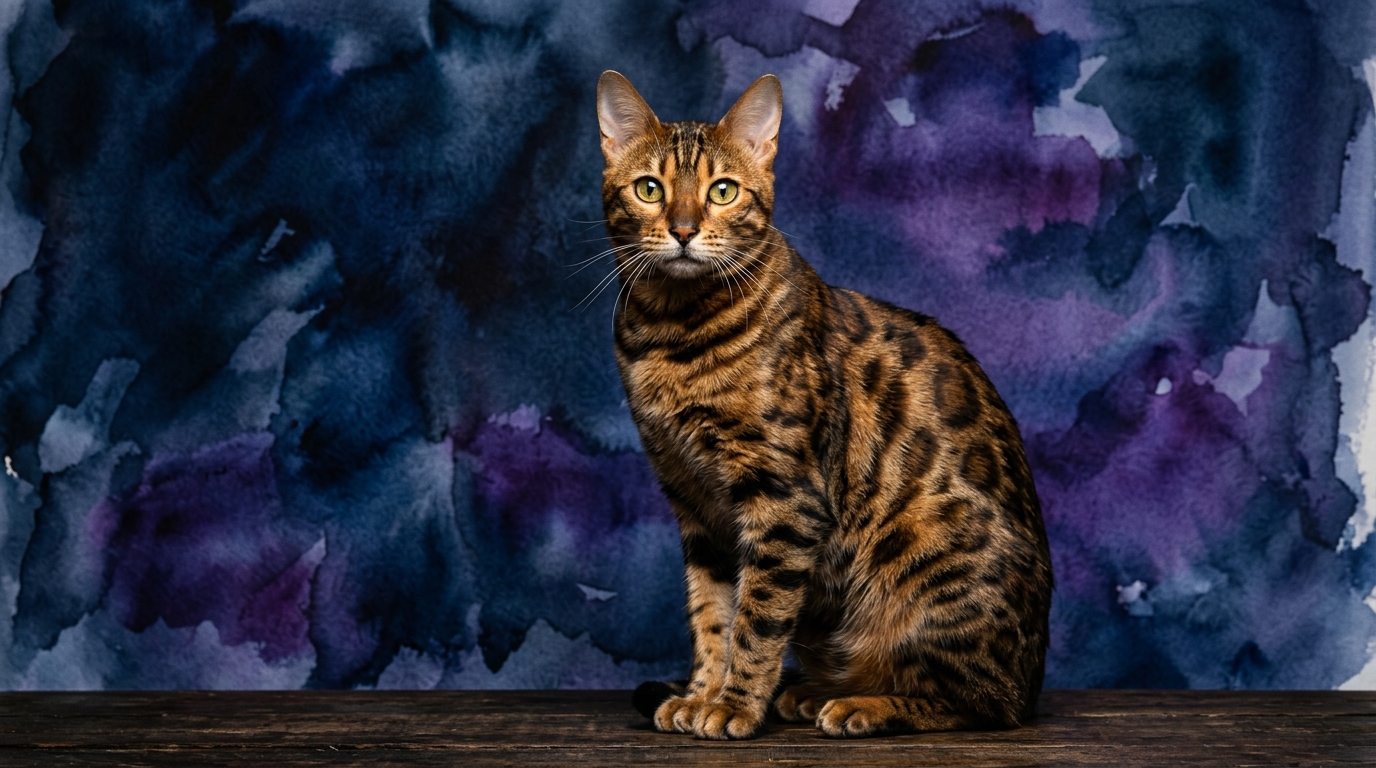
The Cosmic Pet Pet IQ Lab provides a structured framework for understanding feline cognitive strengths, assessing breeds across five key dimensions. For the Bengal, we observe a robust set of cognitive aptitudes: Problem Solving 5/5, Training Speed 4/5, Social Intelligence 4/5, Instinctive Drive 5/5, and Memory 5/5. This profile suggests a feline that is not only adept at deciphering complex situations but also quick to learn and remember, with a strong internal compass for natural behaviors and a nuanced understanding of social cues.
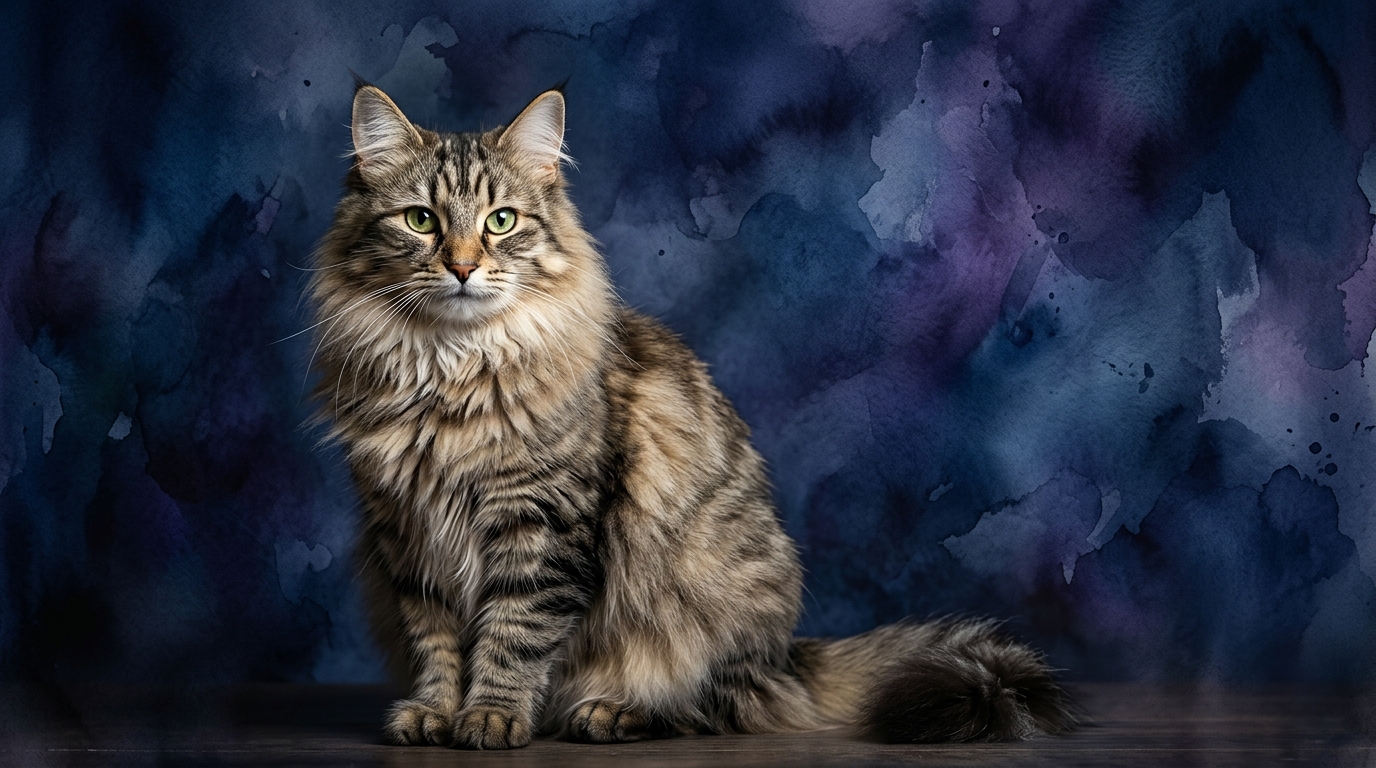
In contrast, the Norwegian Forest Cat presents a slightly different cognitive emphasis, though no less capable: Problem Solving 4/5, Training Speed 3/5, Social Intelligence 3/5, Instinctive Drive 5/5, and Memory 4/5. This breed demonstrates significant resourcefulness and strong natural instincts, but with a more deliberate approach to novel challenges and a somewhat more reserved social demeanor. Their memory is reliable, particularly for routines and important environmental details, though perhaps not as expansive or quick to form as the Bengal's.
Where the Bengal Excels Cognitively
The Bengal’s cognitive prowess shines particularly in abstract problem-solving and rapid learning. With a 5/5 in Problem Solving, these cats are often observed figuring out complex puzzle feeders, opening latches, or navigating multi-step obstacles to reach a desired outcome. This isn't just about trial and error; it's about making connections and applying previous knowledge to new scenarios, demonstrating a flexible and adaptive intellect. Their high score in Memory (5/5) means they retain these solutions and learned behaviors for extended periods, making them less likely to repeat mistakes and more likely to build upon past successes.
Furthermore, the Bengal's 4/5 Training Speed indicates a remarkable capacity for acquiring new commands and tricks quickly. They often respond enthusiastically to positive reinforcement, eager to engage in mental sparring with their human companions. Their 4/5 Social Intelligence allows them to pick up on subtle human emotional cues and adapt their interactions accordingly, fostering a dynamic and responsive bond. This combination of quick learning, strong memory, and social perceptiveness makes them highly interactive and receptive to complex communication.
Where the Norwegian Forest Cat Demonstrates Unique Strengths
The Norwegian Forest Cat, while scoring slightly lower in some cognitive areas, exhibits a profound and practical intelligence rooted in its ancestral environment. Their 4/5 in Problem Solving is less about abstract puzzles and more about resourceful navigation and adaptation within their physical world. They are masters of their domain, adept at finding the warmest sunbeams, the safest high perches, or the most efficient routes through a complex home environment. This manifests as a deep understanding of spatial relationships and environmental manipulation, a critical skill for survival in demanding climates.
Their 5/5 Instinctive Drive is a cornerstone of their cognitive strength, guiding their impressive hunting prowess and their innate ability to assess and manage risks in their surroundings. This drive isn't just about chasing; it’s about strategic stalking, patient observation, and efficient energy use, all underpinned by a reliable 4/5 Memory for prime hunting spots or safe escape routes. While their Social Intelligence is 3/5, it translates into a deep, steady affection for their chosen companions, often expressed through quiet presence and observant loyalty rather than overt demands for interaction, reflecting a self-assured cognitive independence.
Training: Bengal's Swift Grasp vs. Norwegian Forest Cat's Steady Learning
When it comes to training, the differences between these two breeds become quite pronounced. The Bengal, with its 4/5 Training Speed and 5/5 Problem Solving, often picks up new commands and complex tricks with striking alacrity. Their high instinctive drive can be channeled into engaging activities like fetch or agility courses, where their memory allows them to quickly establish routines and recall specific actions. Owners often find Bengals enjoy the mental challenge of learning, seeing it as an extension of their natural curiosity and desire for interaction.
The Norwegian Forest Cat, scoring 3/5 in Training Speed, requires a more patient and consistent approach. While certainly trainable, they may not grasp new concepts as rapidly as a Bengal. Their training often benefits from repetition and making the learning process feel like a natural extension of their environment or play. They excel in practical training, such as leash walking or coming when called, especially if it leads to an enjoyable outdoor exploration or a favored treat. Their independent nature means they might choose to comply out of trust and comfort rather than an inherent eagerness to perform complex tasks on command.
Which Suits Active Owners vs. Relaxed Owners?
For owners who thrive on high-energy interaction and enjoy providing constant mental stimulation, the Bengal is an exceptional match. Their superior problem-solving and memory capabilities mean they require regular engagement with puzzle toys, interactive play sessions, and opportunities to learn new behaviors. An active owner will find immense satisfaction in teaching a Bengal complex tricks, going on leash walks, or even engaging in feline agility, as these cats genuinely flourish when their cognitive needs are met through dynamic challenges. A Bengal without sufficient mental outlets can become inventive in ways an owner might not appreciate, such as opening cabinets or exploring forbidden territories.
Conversely, the Norwegian Forest Cat is an ideal companion for owners who appreciate a more relaxed, yet deeply affectionate, presence. While they possess a strong instinctive drive (5/5), this is often expressed through independent exploration, climbing, and observing their surroundings from a comfortable perch rather than demanding constant human-initiated mental tasks. They enjoy companionship and gentle interaction but are generally less insistent on intricate cognitive games. A relaxed owner will find a Norwegian Forest Cat content to share space, offering quiet affection and enjoying their environment with a self-assured tranquility, while still appreciating access to climbing structures and opportunities for independent play.
The Verdict
If you seek a companion that thrives on intellectual challenges, intricate play, and a dynamic bond, a Bengal will match your energy and curiosity, offering endless opportunities for shared learning.
If you appreciate a calm, resourceful companion who enjoys independent exploration and offers a steady, affectionate presence without constant mental demands, the Norwegian Forest Cat is an excellent choice.
🧠 Find Your Pet's IQ Score
Our Pet IQ Lab assessment covers 25+ tests across 5 cognitive dimensions — personalized to your breed.
Take the Full IQ Test →Frequently Asked Questions
Do Bengals need more mental stimulation than Norwegian Forest Cats?
Yes, Bengals typically require more consistent and varied mental stimulation due to their higher problem-solving and memory scores. They thrive on puzzle toys, learning tricks, and interactive play to prevent boredom and destructive behaviors. Norwegian Forest Cats, while still active, fulfill more of their cognitive needs through independent exploration and observation.
Can Norwegian Forest Cats be trained to do tricks?
Absolutely, Norwegian Forest Cats can be trained to do tricks and learn commands, though they might take longer to grasp concepts than a Bengal. Patience, positive reinforcement, and making training feel like a natural, rewarding activity are key to success with this breed. They often excel in practical commands like recall or leash training for outdoor adventures.
How do their social behaviors differ?
Bengals, with their higher social intelligence, often engage in more interactive and demonstrative social behaviors, actively seeking out engagement and showing nuanced responses to human emotions. Norwegian Forest Cats, while affectionate, tend to be more reserved and independent in their social interactions, preferring to observe and offer quiet companionship rather than constant, overt displays of affection. They form deep bonds but express them more subtly.