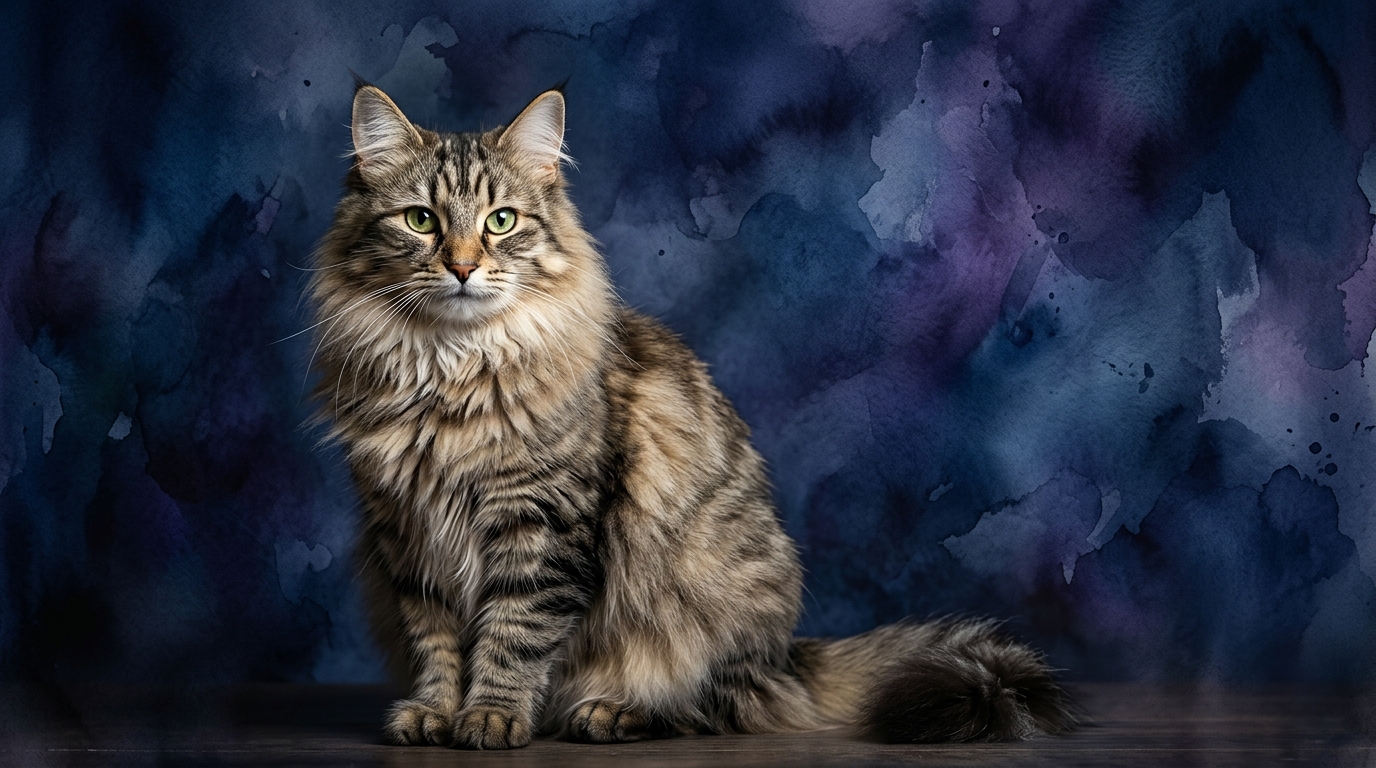
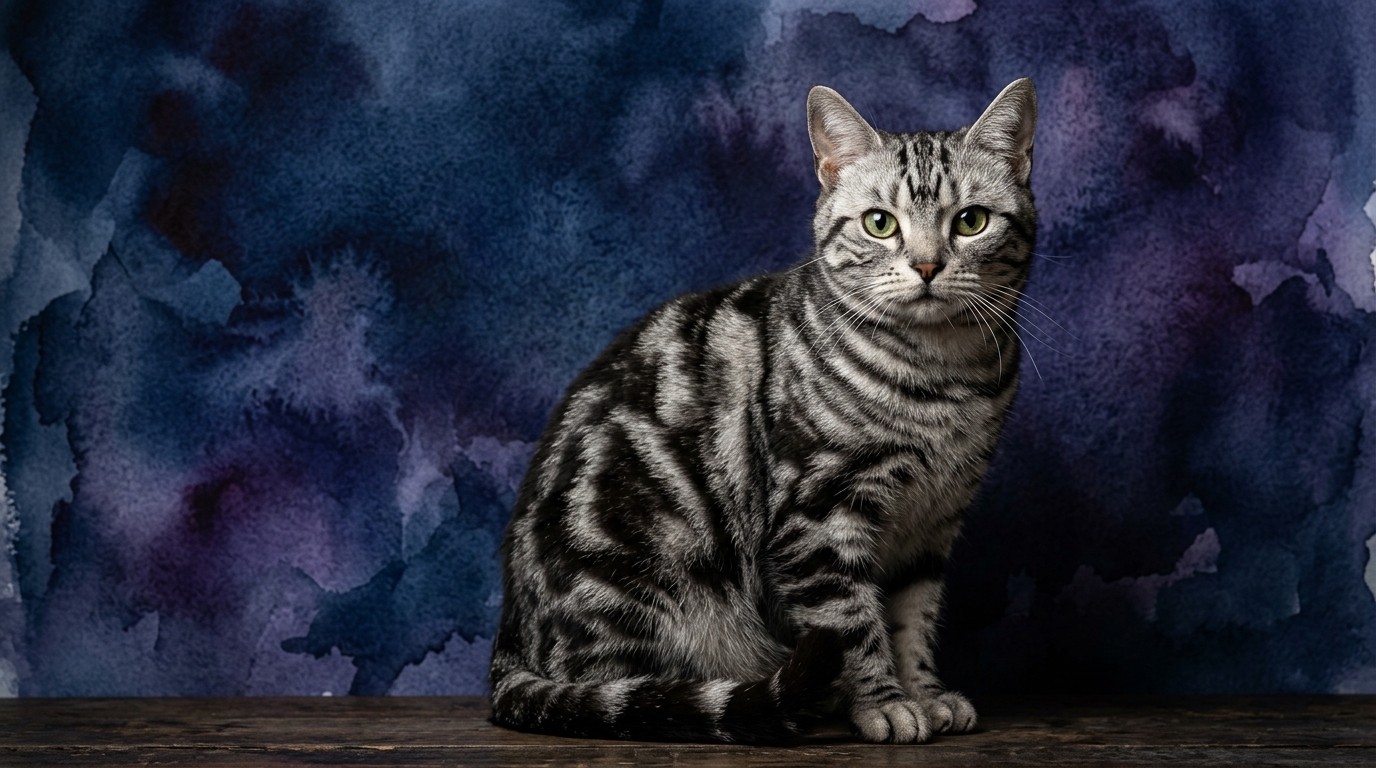
Side-by-Side IQ Profile: Forest Cat vs. Shorthair
The Norwegian Forest Cat, a breed steeped in lore and natural prowess, presents a distinct cognitive blueprint. Their Problem Solving is rated at 4/5, indicating a strong capacity for figuring out complex situations and a persistent curiosity that drives them to understand their environment. Training Speed stands at 3/5, suggesting they are capable learners, though their independent spirit means they often learn on their own terms. Social Intelligence is also 3/5, reflecting a selective affection where they form deep bonds with trusted individuals but may not be universally gregarious. Their Instinctive Drive is a remarkable 5/5, showcasing a profound connection to their predatory roots, a relentless desire to explore, and a love for climbing. Finally, their Memory is strong at 4/5, enabling them to recall intricate routes, routines, and past experiences with impressive accuracy.
In contrast, the American Shorthair, a hallmark of domestic feline companionship, demonstrates a more balanced and adaptable cognitive profile. Their Problem Solving ability is rated 3/5, meaning they are practical and capable of navigating daily challenges, but perhaps less inclined to seek out complex intellectual puzzles. Training Speed matches at 3/5, indicating a willingness to learn and adapt, making them generally amenable to basic training. Social Intelligence is rated 3/5, reflecting their amiable and adaptable nature, allowing them to integrate smoothly into various family dynamics. Their Instinctive Drive is a moderate 3/5, present enough for enjoyable play sessions but without the intense, relentless predatory focus seen in some breeds. Their Memory also stands at 3/5, allowing them to comfortably recall routines, familiar faces, and the layout of their home without the same detailed retention as their Forest Cat counterparts.
Where the Norwegian Forest Cat Wins Cognitively
The Norwegian Forest Cat truly shines in areas demanding robust cognitive engagement, particularly in problem-solving and harnessing their formidable instincts. With a Problem Solving score of 4/5 compared to the American Shorthair's 3/5, the Norwegian Forest Cat exhibits a superior ability to decipher intricate puzzles, figure out how to open challenging latches, or devise clever strategies to access desired objects. This resourcefulness makes them adept at navigating complex multi-level play structures and mastering advanced interactive toys, constantly seeking new intellectual conquests within their environment.
Their Instinctive Drive, an unparalleled 5/5 against the American Shorthair's 3/5, means the Forest Cat possesses a profound and enduring connection to its wild ancestry. This translates into a powerful mental drive for exploration, climbing to the highest vantage points, and engaging in play that vividly mimics hunting behaviors. It's not merely physical activity; it's a deep cognitive imperative to stalk, pounce, and 'capture,' requiring owners to provide ample mental stimulation to satisfy these innate urges. This drive fuels their curiosity and engagement with the world around them.
Furthermore, the Norwegian Forest Cat's Memory score of 4/5, surpassing the American Shorthair's 3/5, significantly enhances their cognitive prowess. This superior recall allows them to remember complex sequences of actions, intricate territorial layouts, and past successful strategies over extended periods. This detailed memory aids their problem-solving abilities, enabling them to refine their approaches and learn from previous experiences more effectively, making them highly efficient and adaptable within their chosen domain.
Where the American Shorthair Wins Cognitively
While the American Shorthair may not boast higher individual scores in specific cognitive dimensions, its strength lies in its balanced and adaptable cognitive profile, which translates into distinct advantages for many households. The consistent 3/5 across all five IQ dimensions signifies a well-rounded and stable intellect. This balanced approach means they are less prone to exhibiting extreme behaviors that might arise from exceptionally high drives or intense problem-solving needs, fostering a more predictable and harmonious living environment.
Their Instinctive Drive, rated at a manageable 3/5 compared to the Forest Cat's 5/5, represents a significant cognitive 'win' for owners seeking a less demanding companion. While they thoroughly enjoy play and engaging with toys, their predatory drive is present without being overwhelming or constant. This means they are more easily satisfied with regular interactive play sessions, reducing the need for elaborate and continuous hunting simulations that a higher-drive cat might require, making them easier to integrate into a typical domestic setting.
The American Shorthair's practical Problem Solving (3/5) ensures they can competently navigate daily household challenges without constantly seeking to overcome complex barriers or engaging in 'mischievous' problem-solving that might disrupt a home. Their cognitive approach is geared towards efficient adaptation to their human environment, learning what is necessary for comfortable coexistence rather than endlessly pushing boundaries. This practical intelligence contributes to their reputation as an easygoing and agreeable companion.
Their Social Intelligence (3/5), combined with their overall balanced traits, allows them to integrate smoothly into diverse family structures. They adapt readily to routines and different personalities, offering a consistent and amiable presence without the potential for the more independent or selectively demanding social interactions that might be observed in a cat with a stronger drive for autonomy.
Which is Easier to Train and Why
Both the Norwegian Forest Cat and the American Shorthair share a Training Speed score of 3/5, but this numerical equality doesn't mean they are equally 'easy' to train in practice; their overall cognitive profiles influence the training experience significantly. The Norwegian Forest Cat's 3/5 Training Speed is coupled with a formidable 5/5 Instinctive Drive and 4/5 Problem Solving. This means they are highly capable of learning complex tasks and tricks, especially if those tasks engage their natural predatory instincts or intellectual curiosity. However, their independent nature often dictates that they learn and perform on their own terms. Training a Norwegian Forest Cat requires creativity, patience, and a deep understanding of what motivates them; they might learn quickly if sufficiently stimulated, but they might also choose not to comply if a task doesn't align with their strong internal drives or perceived self-interest.
Conversely, the American Shorthair's 3/5 Training Speed, combined with their more balanced instinctive drive and adaptable social intelligence, often translates to a smoother, more cooperative training experience for the average owner. They are generally more amenable and eager to please within a domestic context, making basic obedience, leash training, or litter box routines straightforward. While they might not be as driven to master intricate, multi-step tricks as a highly motivated Norwegian Forest Cat, their willingness to engage and their less intense independent streak mean that the *process* of training feels less like a negotiation and more like a collaborative effort. They learn effectively within the framework of a predictable and loving home, making them a more approachable option for those new to cat training or seeking a less challenging companion.
Which Suits Active Owners vs. Relaxed Owners
For owners with an active lifestyle and a desire for a highly engaged companion, the Norwegian Forest Cat is an excellent match. Their exceptional Instinctive Drive (5/5) and robust Problem Solving (4/5) mean they thrive on significant mental and physical stimulation. These cats require ample opportunities for climbing, exploration, and interactive play that mimics hunting. An active owner will find immense joy in providing a rich environment with tall cat trees, varied puzzle feeders, and daily interactive play sessions involving wand toys or laser pointers. They flourish when their intellect and natural drives are consistently challenged and satisfied, making them ideal for individuals or families who enjoy actively participating in their pet's daily enrichment and embrace a dynamic household.
Conversely, the American Shorthair is perfectly suited for more relaxed owners who appreciate a calm yet affectionate presence. Their balanced cognitive profile, with 3/5 across all dimensions, indicates a moderate need for stimulation. While they certainly enjoy play and interaction, they are not constantly seeking out complex challenges or demanding intense, prolonged hunting simulations. American Shorthairs are content with a more predictable routine and can entertain themselves with independent play or enjoy quieter moments of companionship. They are adaptable and comfortable in a less demanding environment, making them an ideal choice for owners who prefer a serene household but still cherish a playful, amiable, and consistently present feline companion without the need for constant high-intensity engagement.
The Verdict
If you desire a cat with a profound connection to its primal instincts, one that thrives on intellectual challenges, intricate play, and a rich, stimulating environment, a Norwegian Forest Cat will be a deeply engaging companion.
If you seek a companion cat with a balanced, adaptable cognitive profile, one that enjoys consistent interaction without demanding constant high-intensity mental or physical engagement, the American Shorthair offers a wonderfully amenable presence.
🧠 Find Your Pet's IQ Score
Our Pet IQ Lab assessment covers 25+ tests across 5 cognitive dimensions — personalized to your breed.
Take the Full IQ Test →Frequently Asked Questions
Are Norwegian Forest Cats good with puzzle toys?
Yes, with a problem-solving score of 4/5, Norwegian Forest Cats excel at engaging with puzzle toys. Their innate curiosity and drive to figure things out make them adept at solving complex challenges, providing valuable mental stimulation.
How does the American Shorthair's social intelligence compare?
The American Shorthair has a social intelligence score of 3/5, indicating they are generally adaptable and friendly companions. While not as overtly demonstrative as some breeds, they form strong bonds and fit well into various family dynamics.
What kind of play do Norwegian Forest Cats enjoy most?
Norwegian Forest Cats, with their 5/5 instinctive drive, thrive on play that mimics hunting. They enjoy chasing toys, climbing, and exploring high places, benefiting greatly from interactive sessions that engage their predatory instincts and physical agility.