Side-by-Side Cognitive Profiles: The Pet IQ Lab Breakdown
In our Pet IQ Lab, both the Norwich Terrier and the Italian Greyhound consistently registered a score of 3 out of 5 across all five measured cognitive dimensions. This identical numerical outcome, however, belies the rich tapestry of how each breed approaches and utilizes these mental capacities in their daily lives. Understanding these nuances requires looking beyond the numbers to their behavioral manifestations.
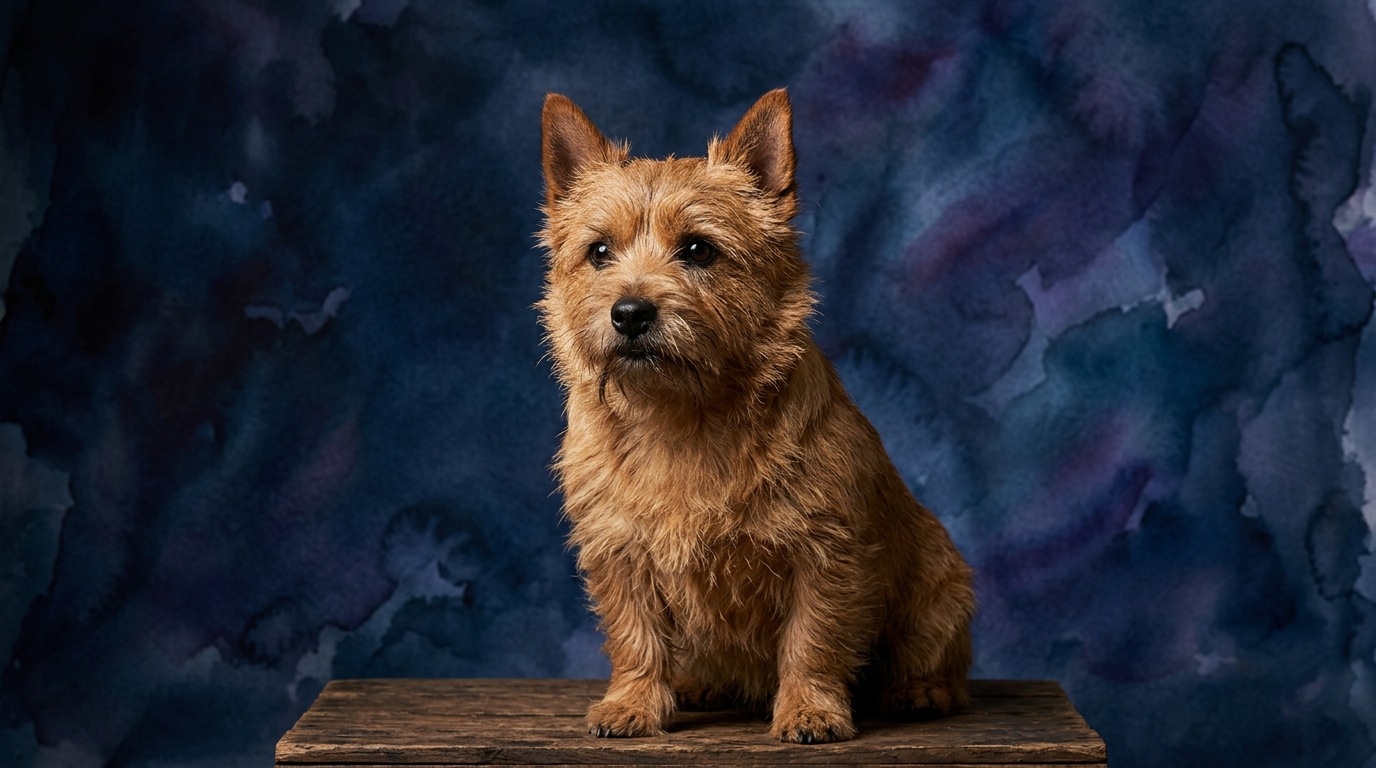
For the **Norwich Terrier**, a 'Problem Solving' score of 3/5 often translates into tenacious investigation. These small terriers excel at figuring out how to get to something they want, whether it's a dropped treat under the couch or a perceived critter in the garden, demonstrating persistent, trial-and-error reasoning. Their 'Training Speed' at 3/5 means they are capable learners, picking up commands with reasonable repetition, though their independent terrier spirit can sometimes make them choose their own agenda over immediate compliance. 'Social Intelligence' at 3/5 reflects their generally outgoing nature with familiar people and their ability to read social cues within their established pack, though they maintain a distinct terrier self-assurance. Their 'Instinctive Drive' at 3/5 is strongly rooted in their historical role as vermin hunters, manifesting as a keen interest in chasing small, fast-moving objects and a determined digging instinct. Finally, their 'Memory' at 3/5 suggests they retain learned behaviors and routines effectively, remembering both positive and negative experiences, which can influence future interactions.
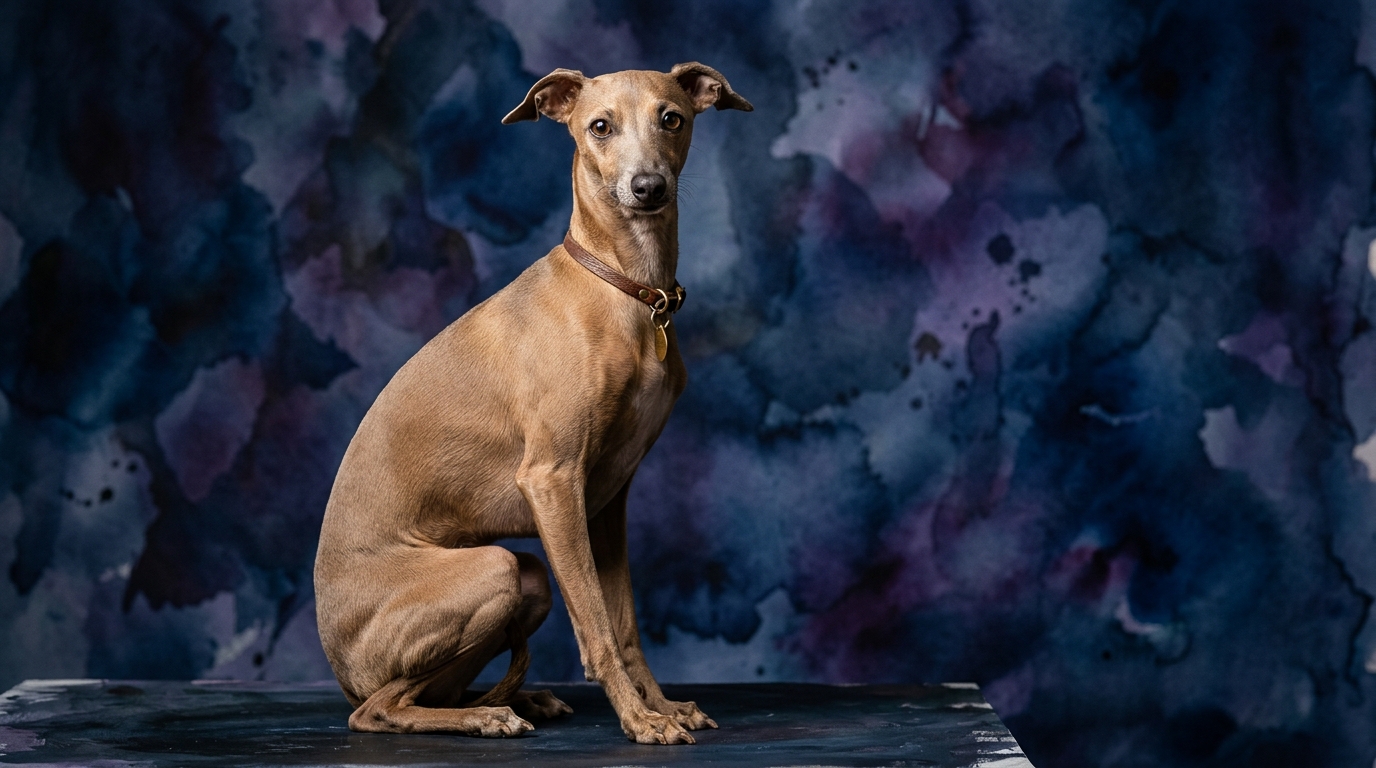
The **Italian Greyhound**, also scoring 3/5 in 'Problem Solving,' often exhibits this through clever observation and agility. They might not dig under a fence but could instead attempt to scale it or find the path of least resistance with a graceful, almost feline cunning. Their 'Training Speed' at 3/5 indicates they are quick to grasp new concepts, particularly when positive reinforcement is consistent and gentle, though their sensitive nature means they can become easily distracted or shut down by harsh methods. 'Social Intelligence' at 3/5 for an Italian Greyhound typically means a profound, almost telepathic bond with their primary caregivers, showing an acute sensitivity to human emotions and subtle body language, though they can be reserved or aloof with strangers. Their 'Instinctive Drive' at 3/5 is a clear echo of their sighthound heritage, with an irresistible urge to chase anything that moves quickly, driven by their exceptional vision. Their 'Memory' at 3/5 allows them to recall routines, commands, and the comfort of their favorite sleeping spots, and they tend to hold onto past experiences, good or bad, influencing their trust and responsiveness.
Where the Norwich Terrier Excels Cognitively
The Norwich Terrier's cognitive strengths often shine in scenarios demanding a certain gritty resilience and independent thought, a hallmark of their terrier lineage. While both breeds scored a 3/5 in problem-solving, the Norwich often brings a distinct tenacity to the task. If a puzzle toy proves challenging, a Norwich is more likely to keep at it, employing various strategies with persistent enthusiasm until the reward is achieved. Their determination, fueled by a strong instinctive drive, means they are less likely to give up on a mental challenge, even if it requires a bit of creative, sometimes mischievous, thinking.
Furthermore, their social intelligence, while scoring the same, manifests as a robust self-confidence that can be advantageous in novel social situations. A Norwich might be quicker to investigate a new environment or interact with unfamiliar dogs, relying on their inherent assertiveness to navigate social complexities. This self-assuredness, combined with their memory, allows them to adapt to varied social settings and remember which interactions were positive, building a confident social repertoire.
Where the Italian Greyhound Shines Cognitively
The Italian Greyhound's cognitive prowess often emerges in contexts requiring sensitivity, rapid reaction, and a deep attunement to their human companions. Their 3/5 in problem-solving often presents as a graceful efficiency; they may not brute-force a solution but will instead observe, analyze, and execute a strategy with surprising swiftness and elegance. This can be seen in their ability to navigate complex indoor environments or subtly communicate their needs with precision.
Their social intelligence, though numerically equivalent, is expressed through a profound emotional connection and empathy. An Italian Greyhound might be more attuned to a handler's subtle mood shifts or non-verbal cues, often anticipating needs or offering comfort without direct prompting. This sensitivity, combined with their memory, makes them highly responsive to consistent, positive reinforcement, remembering kindness and gentle guidance vividly. Their instinctive drive, while strong, is often channeled into bursts of speed and agility, allowing them to process and react to visual stimuli with remarkable alacrity, a testament to their sighthound heritage.
Training Dynamics: Norwich Terrier vs. Italian Greyhound
When it comes to training, the identical 3/5 'Training Speed' scores don't tell the whole story; the approach required for each breed differs significantly due to their inherent temperaments and drives. The Norwich Terrier, with its independent and often headstrong terrier nature, learns effectively but may require more patience and consistency from the trainer. They respond well to clear, firm commands and positive reinforcement, but their instinctive drive to explore or chase can sometimes override their desire to comply. A Norwich might understand a command perfectly but choose to ignore it if a more interesting scent or sight presents itself, necessitating a trainer who can make training more engaging and rewarding than external distractions.
The Italian Greyhound, on the other hand, while equally capable of learning at a moderate pace, thrives on gentle, positive reinforcement and can be quite sensitive to harsh tones or methods. Their deep social intelligence and desire to please their primary caregiver make them highly responsive to praise and soft encouragement. However, their sighthound instinct means they can be easily distracted by movement, and their delicate physical and emotional constitution means training sessions should be kept positive, short, and engaging to prevent them from becoming overwhelmed or shutting down. House training can also be a particular challenge for Italian Greyhounds due to their small bladders and preference for warmth, requiring extra diligence and consistency from their owners.
Suitability for Active vs. Relaxed Owners
The choice between a Norwich Terrier and an Italian Greyhound also hinges significantly on an owner's lifestyle and energy levels, despite their similar overall cognitive scores. The Norwich Terrier, a robust and energetic small dog, typically suits active owners who enjoy consistent outdoor adventures and can provide ample mental and physical stimulation. Their instinctive drive for exploration and their sturdy build mean they enjoy regular walks, playtime, and even earthdog trials. Owners who appreciate a dog with a confident, spirited personality and are prepared to engage in consistent training and socialization will find a rewarding companion in a Norwich. They thrive in environments where they are given jobs to do or puzzles to solve, preventing boredom-induced mischief.
Conversely, the Italian Greyhound, while possessing bursts of incredible speed, is largely a creature of comfort and companionship, making them ideal for more relaxed owners who prioritize indoor bonding and gentle activities. Their delicate build and sensitivity to cold mean they are often happiest curled up on a warm lap or snuggled under blankets. While they do require daily opportunities for safe, enclosed running to satisfy their sighthound instincts, their exercise needs are generally lower than a terrier's, and they are less inclined to prolonged outdoor exertion in inclement weather. Owners who can offer a calm, predictable home environment, gentle handling, and constant companionship will find an incredibly devoted and sensitive friend in an Italian Greyhound.
The Verdict
Choose the Norwich Terrier if you seek a spirited, tenacious companion who thrives on consistent engagement, outdoor adventures, and a confident personality that requires firm yet fair guidance.
Opt for the Italian Greyhound if you desire a deeply bonded, sensitive, and elegant companion who cherishes indoor comfort, gentle interactions, and bursts of graceful activity.
🧠 Find Your Pet's IQ Score
Our Pet IQ Lab assessment covers 25+ tests across 5 cognitive dimensions — personalized to your breed.
Take the Full IQ Test →Frequently Asked Questions
Are Norwich Terriers good at learning tricks?
Yes, Norwich Terriers are quite capable of learning tricks. Their 3/5 training speed combined with their tenacious problem-solving means they can master a variety of commands and tricks with consistent, engaging, and reward-based training sessions.
How do Italian Greyhounds show their intelligence socially?
Italian Greyhounds demonstrate their social intelligence (3/5) through their profound emotional sensitivity and ability to form deep, intuitive bonds with their primary caregivers. They are adept at reading subtle human cues and often anticipate needs, though they can be reserved with strangers.
Which breed is better for a first-time dog owner?
Neither breed is inherently 'easier' for a first-time owner, as both have distinct needs. A Norwich requires an owner ready for a confident, sometimes stubborn personality and consistent training, while an Italian Greyhound needs a gentle, patient owner who understands their sensitivity and specific house-training challenges. Researching both extensively is key.