Side-by-Side IQ Profile: Old English Sheepdog vs. Ibizan Hound
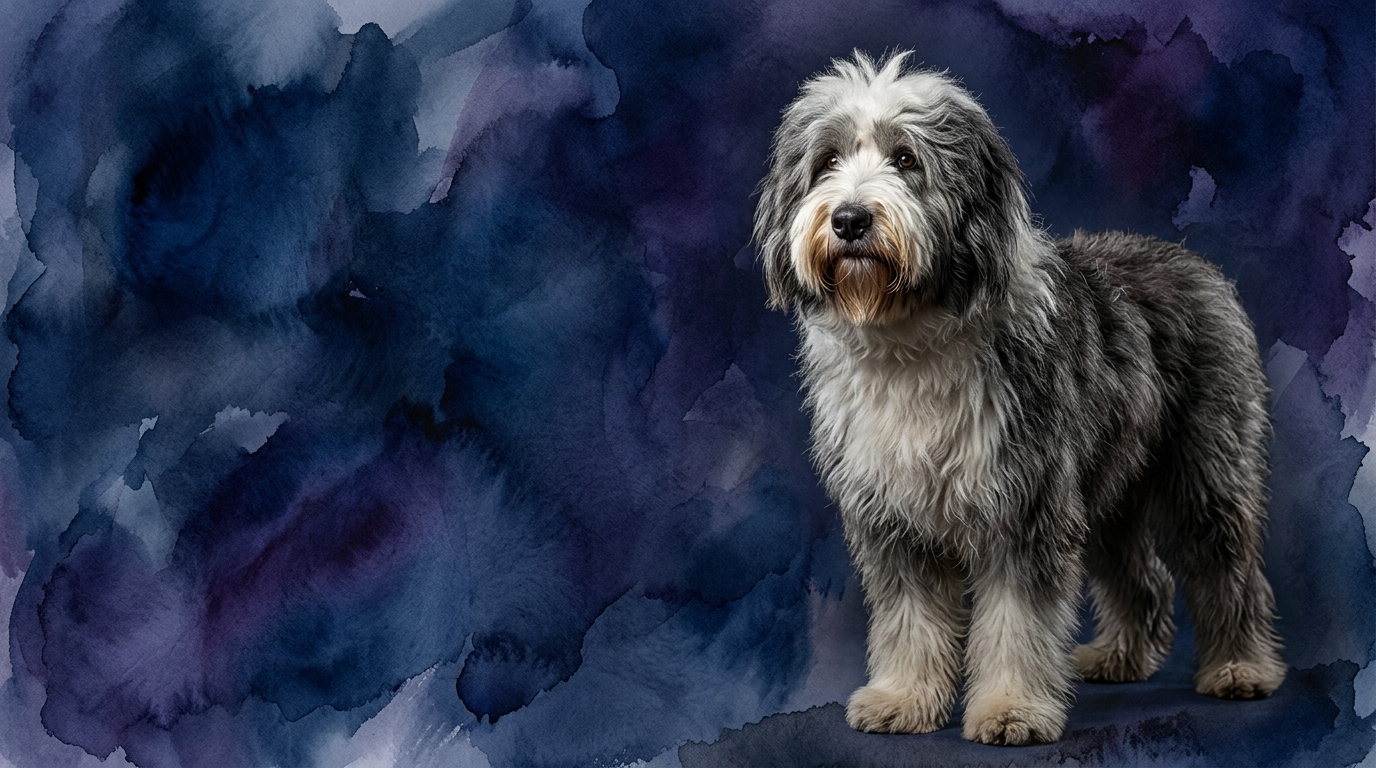
The Old English Sheepdog, a beloved 'Bobtail,' holds a Coren rank of #44, indicating an above-average capacity for understanding and executing commands. Their Problem Solving is rated 3/5, demonstrating competence in tackling novel situations, though they often prefer guidance. Training Speed is also 3/5, meaning they learn at a steady, consistent pace, responding well to positive reinforcement and clear directives. Social Intelligence, at 3/5, highlights their ability to connect with human emotions and family dynamics, though they retain a degree of independent thought characteristic of working breeds. Their Instinctive Drive, also 3/5, centers on herding, manifesting as a desire to keep their 'flock' (family) together. Notably, their Memory stands at an impressive 4/5, suggesting a strong ability to recall complex sequences, routines, and specific individuals or locations over time.
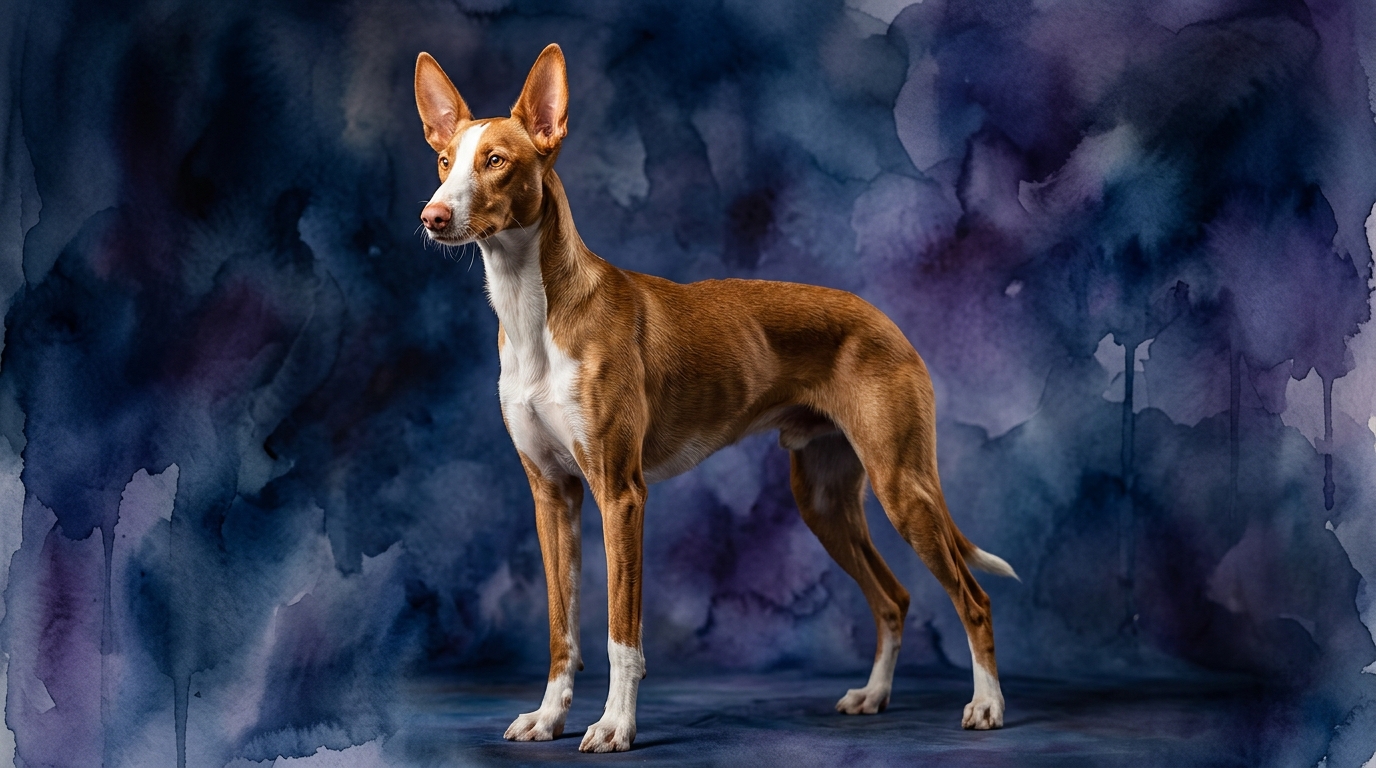
The elegant Ibizan Hound, holding Coren rank #53, falls into the average category for working and obedience intelligence, a testament to their independent sighthound nature. Their Problem Solving is rated 3/5, indicating a capacity for navigating challenges, often relying on their keen senses and quick reflexes rather than abstract reasoning. Training Speed is 3/5, reflecting their ability to learn but also their propensity for independent thought, which means they might not always be as eager to please or repeat drills as some breeds. Social Intelligence, also 3/5, means they form deep bonds with their chosen family but can be reserved or aloof with strangers, valuing trust and gentle interactions. Their Instinctive Drive, at 3/5, is predominantly a powerful prey drive, compelling them to chase anything that moves with incredible speed and focus. Their Memory, rated 3/5, is solid for routines and familiar environments but perhaps not as geared towards retaining intricate command sequences as a herding breed.
Where the Old English Sheepdog Wins Cognitively
The Old English Sheepdog notably excels in cognitive areas crucial for their historical herding role, particularly in memory and a cooperative approach to problem-solving. With a memory score of 4/5 compared to the Ibizan Hound's 3/5, the OES demonstrates a superior capacity for retaining complex sequences of commands, remembering intricate routes, and recalling specific individuals or events over extended periods. This strong mnemonic ability is invaluable for coordinating large flocks, where recalling specific patterns, boundaries, and individual sheep behaviors is paramount. Furthermore, their Coren rank of #44 suggests a slightly higher inherent biddability and eagerness to work with human partners, making them generally more receptive to structured learning and command execution. While both breeds score 3/5 in problem-solving, the OES's approach is often more geared towards collaborative solutions within a human-directed framework, leveraging their recall to apply learned strategies.
Where the Ibizan Hound Wins Cognitively
While the raw numerical scores for the Ibizan Hound often mirror those of the Old English Sheepdog, the Ibizan's cognitive strengths lie in the application of its intelligence, particularly in areas demanding independent decision-making, visual processing, and swift, instinctual action. Their problem-solving, rated 3/5, is uniquely refined for the hunt: it's about rapidly assessing dynamic visual information, calculating trajectories, and making split-second choices to pursue elusive prey. This form of operational problem-solving, unburdened by human direction once a chase begins, showcases a distinct cognitive advantage in their specialized field. Their instinctive drive, also 3/5, is a powerful force channeled into an acute visual acuity and an explosive burst of speed, demanding a brain that can process sensory input and trigger motor responses with unparalleled efficiency. This independence in action, rather than deference to human instruction, is where the Ibizan Hound's cognitive prowess truly shines, requiring a different kind of mental agility focused on self-reliance and environmental mastery during the chase.
Which is Easier to Train and Why
When it comes to ease of training, the Old English Sheepdog generally holds an advantage over the Ibizan Hound, largely due to their differing historical roles and inherent motivations. The OES, as a herding breed, was selectively bred to work closely with humans, responding to subtle cues and executing complex tasks collaboratively. Their Coren rank of #44 reflects this inherent biddability and willingness to please, making them typically more receptive to obedience training. Their superior memory (4/5) also means they are more likely to retain learned commands and routines consistently, leading to quicker and more reliable command execution. In contrast, the Ibizan Hound, a sighthound, was bred for independent hunting, relying on its own senses and decision-making capabilities to pursue prey. This deep-seated independence means they can be less motivated by repetitive drills or a desire to constantly please their human, often finding their own reward in the act of chasing. While both breeds score 3/5 in training speed, an Ibizan Hound's training often requires more creativity, shorter sessions, and strong motivation techniques, often incorporating their prey drive into games, to maintain their engagement and overcome their natural inclination towards self-directed action.
Which Suits Active Owners vs. Relaxed Owners
Neither the Old English Sheepdog nor the Ibizan Hound are suited for truly 'relaxed' owners, as both breeds possess significant energy and cognitive needs, albeit expressed differently. The Ibizan Hound demands an owner capable of providing ample, secure space for intense bursts of speed and chasing, ideally in a fenced yard or a safe, enclosed dog park. Their sighthound heritage means they require mental and physical outlets that tap into their prey drive, such as lure coursing or interactive 'hunt' games. Owners must be prepared for their independent nature and the need for consistent, engaging exercise to prevent boredom and destructive behaviors. The Old English Sheepdog, while not requiring the same explosive sprints, still needs consistent, moderate daily exercise, including walks, playtime, and opportunities for mental stimulation through training and puzzle toys. They thrive on being involved in family activities and appreciate structured routines. While they can be content to lounge indoors after their needs are met, an owner who prefers minimal engagement beyond basic care might find the OES's need for companionship and activity challenging. Therefore, both breeds are best suited for active owners who understand and are committed to fulfilling their specific breed-related physical and mental requirements.
The Verdict
Select an Old English Sheepdog if you're seeking a devoted, shaggy companion eager to engage in structured activities and family life, and you are prepared for consistent grooming and engaging training that leverages their excellent memory.
Opt for an Ibizan Hound if you appreciate an independent, athletic sighthound, can provide ample secure space for vigorous running, and value a more reserved yet deeply affectionate companion who thrives on keen observation and quick action.
🧠 Find Your Pet's IQ Score
Our Pet IQ Lab assessment covers 25+ tests across 5 cognitive dimensions — personalized to your breed.
Take the Full IQ Test →Frequently Asked Questions
Do Old English Sheepdogs need a lot of mental stimulation?
Yes, Old English Sheepdogs, with their strong memory and herding background, thrive on mental challenges. They benefit from obedience training, puzzle toys, and activities that engage their problem-solving skills to prevent boredom.
Are Ibizan Hounds good with other pets?
Ibizan Hounds can coexist with other pets, especially if raised together, but their strong prey drive means careful introductions and supervision are crucial, particularly with smaller, fast-moving animals like cats or rabbits. Their instinct to chase is powerful.
How do their grooming needs compare?
The Old English Sheepdog requires significant grooming due to its long, dense double coat, necessitating regular brushing to prevent mats and professional grooming appointments. The Ibizan Hound, with its short, sleek coat, has minimal grooming needs, primarily requiring occasional brushing to remove loose hair.