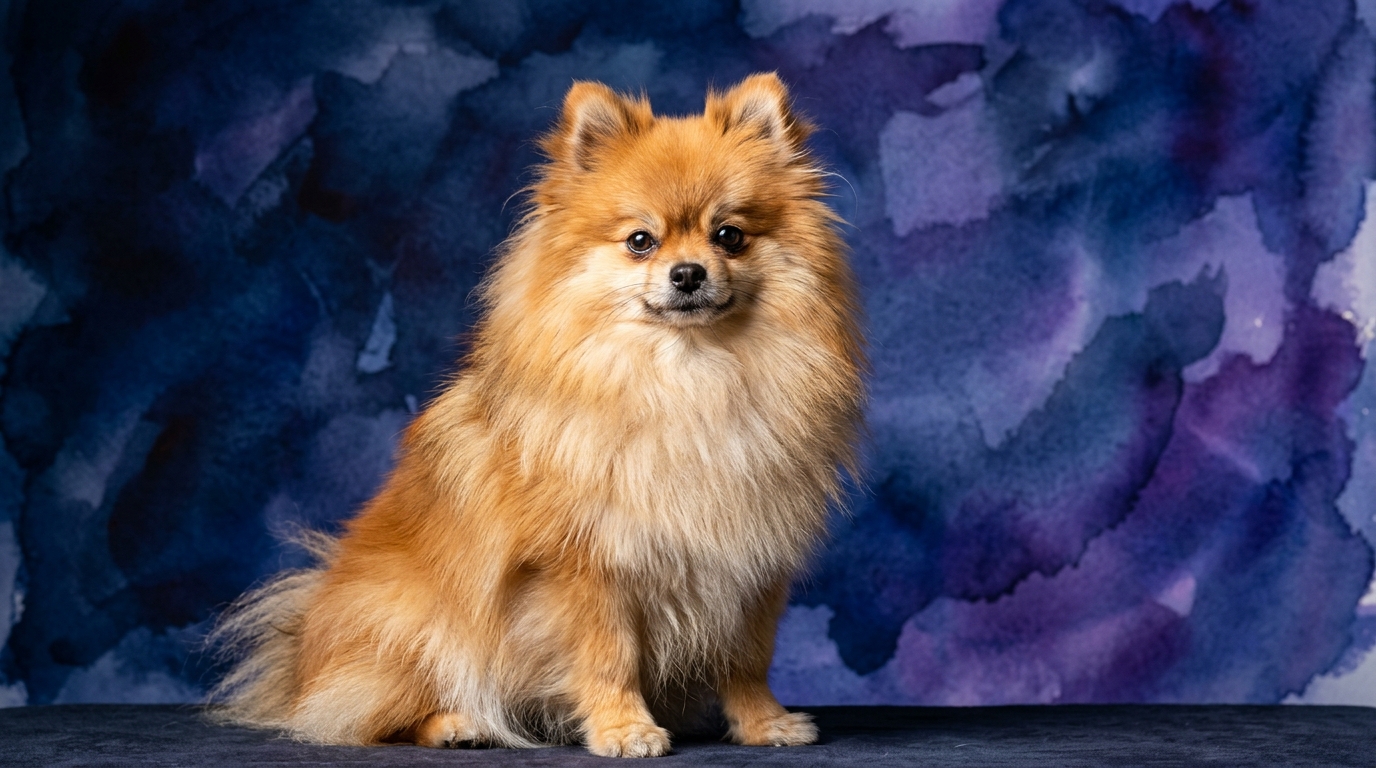
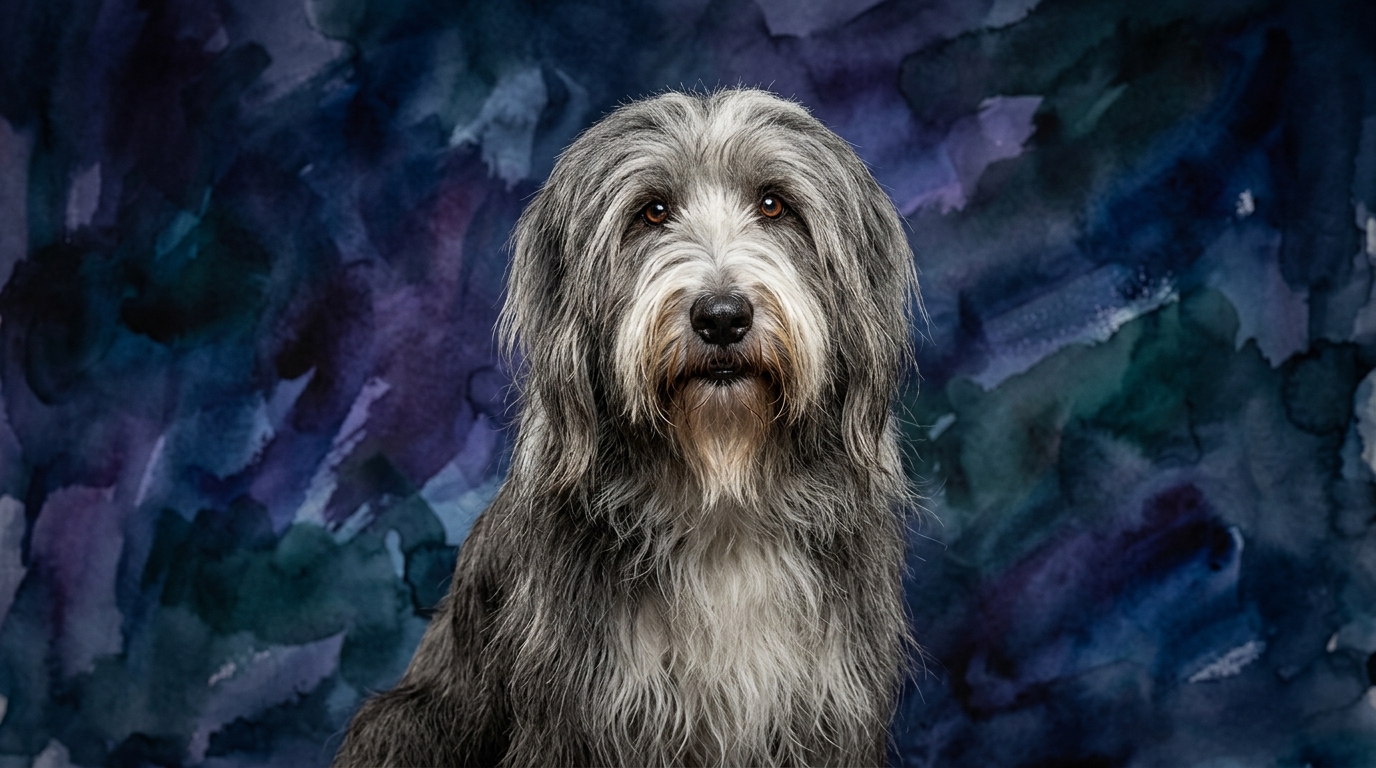
Side-by-Side Cognitive Profiles: Pomeranian vs. Bearded Collie
At first glance, a Pomeranian and a Bearded Collie might seem worlds apart, yet our Pet IQ Lab data reveals intriguing similarities and key distinctions in their cognitive architectures. Both breeds exhibit a strong capacity for learning and adaptation, reflecting their long histories alongside humans.
The Pomeranian, a charming Toy breed ranking #23 on the Coren scale, demonstrates a balanced suite of cognitive abilities. Its Problem Solving is rated 4/5, indicating a clever approach to navigating its environment and overcoming small challenges. Training Speed also scores 4/5, highlighting their quick grasp of new commands. Where the Pomeranian truly shines is in Social Intelligence, earning a 4/5 for its perceptive understanding of human cues and household dynamics. Its Instinctive Drive stands at 3/5, often manifesting as alert barking or playful 'herding' of family members, while Memory is strong at 4/5, ensuring lasting retention of learned behaviors and routines.
The Bearded Collie, a robust Herding breed with a Coren rank of #34, presents a cognitive profile equally impressive but tailored to its working heritage. Its Problem Solving skill is also 4/5, reflecting its strategic thinking in complex environments. Training Speed matches the Pomeranian at 4/5, showcasing its eagerness and efficiency in acquiring new tasks. However, its Social Intelligence is rated 3/5, suggesting a more reserved or less immediately expressive understanding of subtle human emotional shifts compared to the Pomeranian. Instinctive Drive, naturally, is 3/5, evident in its desire to gather and watch over its 'flock.' Like the Pomeranian, its Memory is excellent at 4/5, crucial for recalling intricate sequences of actions.
Where the Pomeranian Holds a Cognitive Edge
The Pomeranian's primary cognitive advantage lies in its superior Social Intelligence, scoring a 4/5 compared to the Bearded Collie's 3/5. This higher rating signifies the Pomeranian's exceptional ability to 'read the room' – to discern the moods, intentions, and subtle non-verbal cues of its human companions with remarkable acuity. A Pomeranian is often more adept at adjusting its behavior to provide comfort, solicit attention, or simply exist harmoniously within a family's emotional landscape. For instance, they might more quickly pick up on a family member's stress and offer gentle nudges or quiet companionship, demonstrating a nuanced understanding of social dynamics that goes beyond mere obedience.
Their smaller size and close living proximity to humans throughout their development have likely amplified this trait, making them highly attuned to the intricacies of human interaction. While a Bearded Collie is certainly affectionate and connected to its family, the Pomeranian's responsiveness in social situations often appears more immediate and finely tuned, allowing for a unique level of emotional synchronicity within a household.
Where the Bearded Collie Demonstrates Cognitive Superiority
While both breeds earn a 4/5 for Problem Solving, the Bearded Collie's cognitive strength in this area often manifests with a broader, more complex application, rooted deeply in its herding lineage. Their problem-solving prowess is typically exercised in dynamic, multi-variable environments, such as strategically maneuvering livestock or navigating challenging terrains. This involves not just figuring out how to get to a treat in a puzzle toy, but anticipating movement, understanding spatial relationships on a larger scale, and making decisions that affect multiple entities. For example, a Bearded Collie might logically deduce the most efficient path around obstacles to gather scattered items, or learn complex agility courses by understanding the overall sequence rather than just individual commands.
This suggests a cognitive architecture geared towards sophisticated environmental reasoning and strategic planning, which, while adaptable to domestic challenges, truly shines when given tasks requiring a wider scope of analytical thought. The Pomeranian is clever at solving personal dilemmas, but the Bearded Collie's cognitive problem-solving is often about managing and influencing a larger, more unpredictable system, demanding a different kind of mental processing.
Training Dynamics: Which Breed is Easier and Why?
Both the Pomeranian and the Bearded Collie boast an impressive 4/5 in Training Speed, indicating they are quick to absorb new commands. However, the 'ease' of training can vary based on the trainer's approach and the specific behavioral nuances of each breed. The Pomeranian's higher Social Intelligence often translates into a training experience driven by a strong desire to please and a keen responsiveness to human feedback. They are typically highly motivated by praise, attention, and positive reinforcement from their primary caregiver, making training sessions feel like a cooperative game. Their smaller stature also means they are generally easier to physically manage during early training stages, such as leash manners or impulse control.
Conversely, the Bearded Collie, while equally fast to learn, often requires training that taps into its inherent herding instincts and desire for a 'job.' Their energetic nature and strong instinctive drive (3/5) mean that training needs to be consistently engaging and often task-oriented to maintain their focus. If not adequately stimulated mentally and physically, a Bearded Collie might invent its own 'jobs,' which could manifest as unwanted behaviors. A trainer working with a Bearded Collie might need to be more creative in designing varied, challenging tasks that harness their natural drive, ensuring their cognitive and physical needs are met to foster optimal cooperation. Therefore, while both learn quickly, the Pomeranian's training might feel more intuitively responsive to social cues, while the Bearded Collie's benefits from structured, mentally stimulating activities.
Lifestyle Match: Active vs. Relaxed Owners
For individuals or families seeking a companion that thrives in a more relaxed, indoor-centric lifestyle, the Pomeranian often presents a more suitable choice. Their moderate exercise requirements mean they are content with shorter daily walks, indoor play sessions, and ample lap time. Their exceptional Social Intelligence ensures they remain deeply engaged and connected within the family unit, offering perceptive companionship without demanding extensive physical outings. They are well-suited to apartment living or homes with smaller yards, as long as their mental needs for interaction and occasional enrichment are met.
In contrast, the Bearded Collie is an ideal match for active owners who relish outdoor adventures and enjoy providing consistent mental and physical challenges. Their herding background endows them with significant stamina and a strong desire for vigorous activity, including long hikes, runs, or participation in dog sports like agility or obedience. Their problem-solving abilities and instinctive drive flourish when given opportunities to engage in meaningful tasks that provide both physical exertion and cognitive stimulation. Owners who lead an energetic lifestyle and are prepared to dedicate time to robust exercise and training will find a highly rewarding and dedicated partner in a Bearded Collie.
The Verdict
Opt for a Pomeranian if you prioritize a highly socially intelligent companion who thrives on close interaction, offers perceptive emotional support, and fits seamlessly into a less intensely active household with moderate exercise needs.
Select a Bearded Collie if you seek an active, problem-solving partner eager for engaging outdoor activities and structured tasks, valuing a working breed's dedication and robust physical presence.
🧠 Find Your Pet's IQ Score
Our Pet IQ Lab assessment covers 25+ tests across 5 cognitive dimensions — personalized to your breed.
Take the Full IQ Test →Frequently Asked Questions
Are Pomeranians difficult to house train?
Pomeranians, despite their intelligence, can sometimes present a challenge in house training due to their small bladders and independent streak. Consistent, positive reinforcement training from a young age, along with frequent potty breaks, is crucial for success in establishing good habits.
How much exercise does a Bearded Collie need daily?
Bearded Collies require substantial daily exercise, typically an hour or more of vigorous activity like running, hiking, or engaging in dog sports. Their herding background means they thrive on both physical exertion and mental stimulation to prevent boredom and maintain well-being.
Do Pomeranians bark a lot?
Pomeranians are known for being alert and can be quite vocal, often barking to announce visitors, other dogs, or unusual sounds. Early training focused on appropriate barking and 'quiet' commands can help manage this trait and encourage selective vocalization.