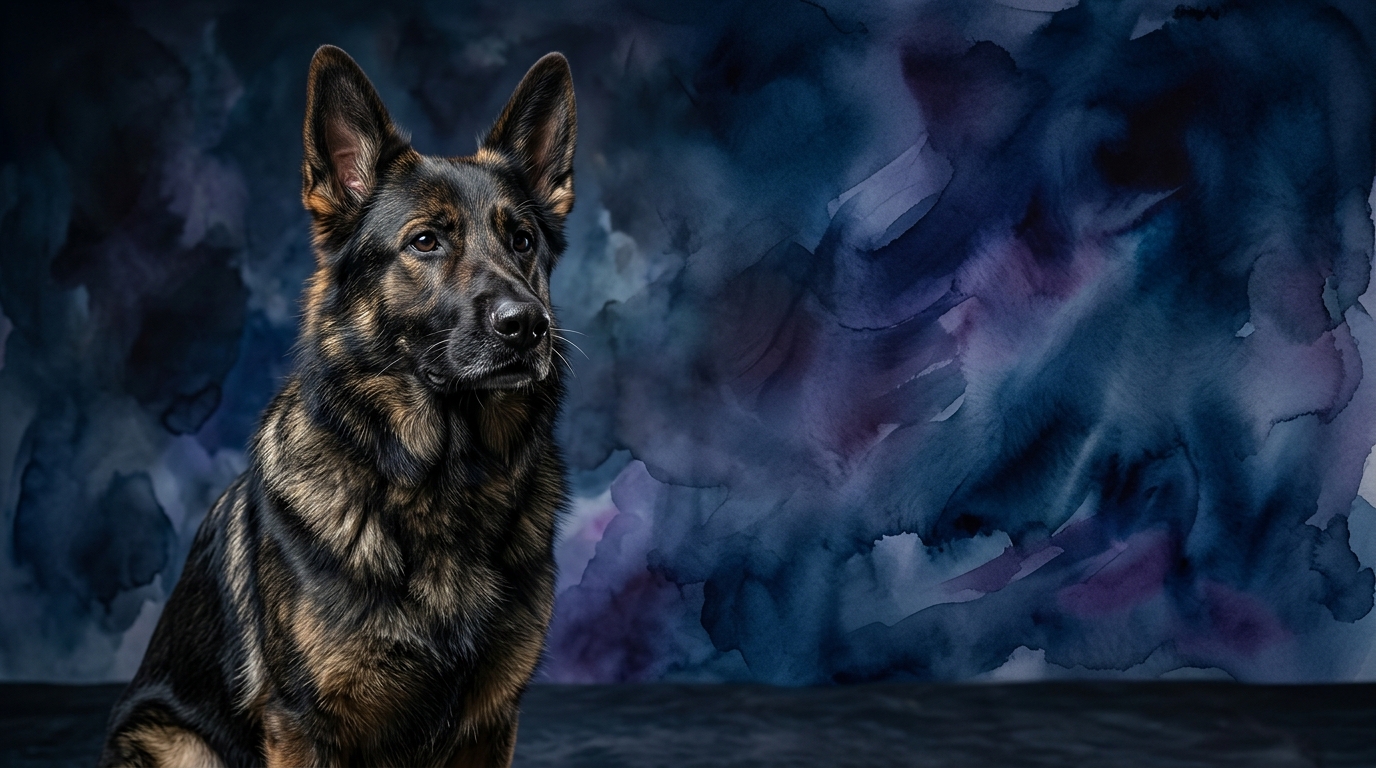
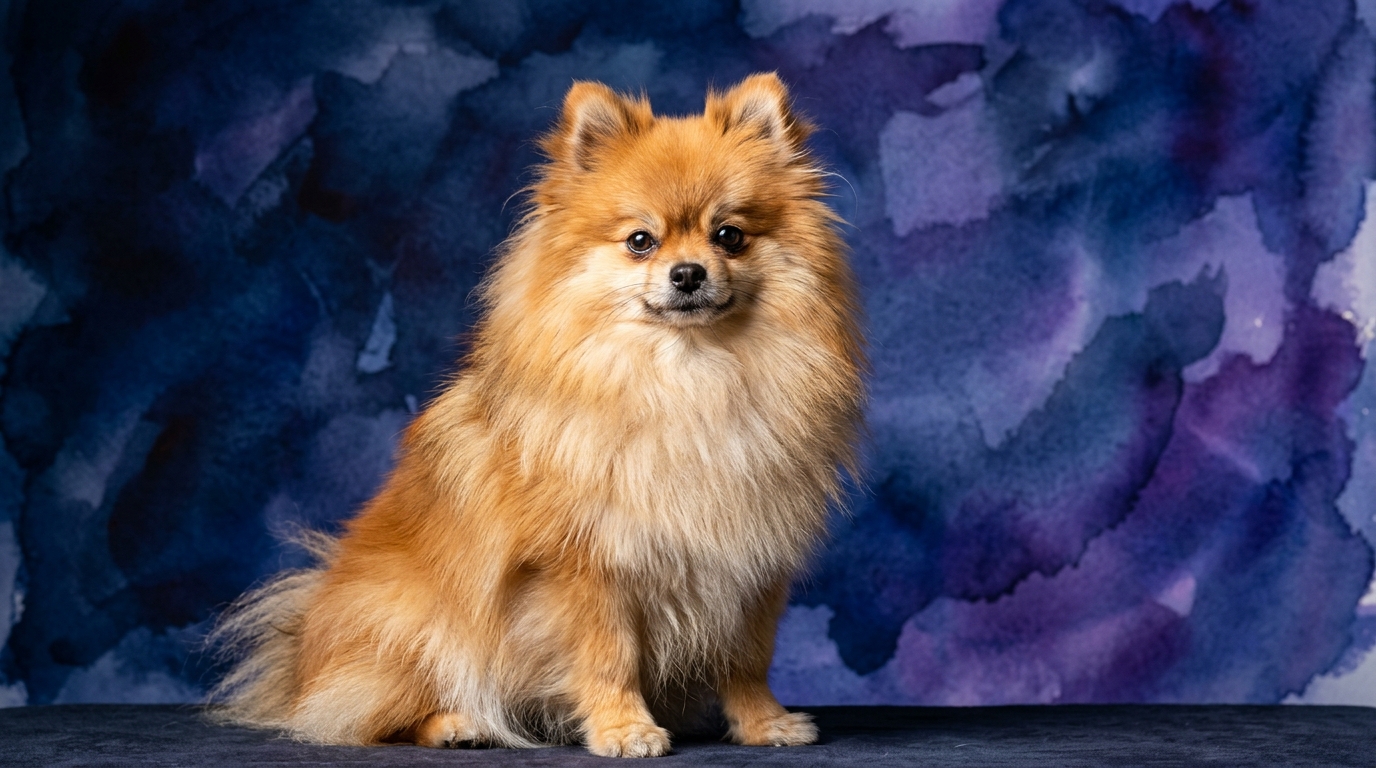
Side-by-Side Cognitive Profile: German Shepherd vs. Pomeranian
The Cosmic Pet Pet IQ Lab's assessment provides a detailed look into the mental faculties of these two breeds. The German Shepherd, ranked #3 by Coren, consistently scores 5/5 across all five cognitive dimensions: problem-solving, training speed, social intelligence, instinctive drive, and memory. This indicates an exceptionally balanced and robust intellect suited for complex tasks and roles.
In contrast, the Pomeranian, holding Coren's #23 rank, shows a strong cognitive profile within its own context, scoring 4/5 for problem-solving, training speed, social intelligence, and memory. Its instinctive drive is rated at 3/5, reflecting a different set of innate priorities compared to the German Shepherd. These scores highlight competence and adaptability, albeit with a distinct focus.
For the German Shepherd, a 5/5 in Problem Solving means an exceptional capacity for complex tasks, figuring out multi-step commands, and adapting strategies in novel situations, consistently understanding cause-and-effect. A 5/5 in Training Speed signifies rapid acquisition of new commands, often understanding a new instruction within a few repetitions due to their focus and desire to work. Their 5/5 Social Intelligence denotes a profound ability to interpret human cues, body language, and vocal tones, forming deep bonds and adapting to social dynamics. An Instinctive Drive of 5/5 translates to strong innate predispositions for herding, guarding, and protection, fostering a persistent work ethic. Finally, a 5/5 Memory means long-term retention of commands, experiences, and associations, contributing to their reliability.
The Pomeranian's 4/5 in Problem Solving indicates competence at navigating puzzles and learning routines, though perhaps less inclined towards abstract reasoning without clear incentives, yet capable of manipulating objects to achieve goals. A Training Speed of 4/5 shows a good capacity for learning commands and tricks with consistent positive reinforcement, proving trainable and eager to please within their context. Their 4/5 Social Intelligence means they are adept at reading human emotions and seeking attention, understanding family dynamics and developing specific communication methods. An Instinctive Drive of 3/5 points to a robust 'toy dog' instinct, manifesting as alertness, territorial barking, and a desire for companionship rather than complex task performance. Lastly, a 4/5 Memory means good recall of familiar routines, people, and basic commands, remembering experiences that influence future interactions.
Where the German Shepherd Excels Cognitively
The German Shepherd's cognitive architecture provides distinct advantages, particularly in areas demanding sustained mental effort and adaptability. Their superior 5/5 problem-solving ability allows them to not only understand new challenges but also to generalize solutions, applying learned principles to entirely new situations. This contrasts with the Pomeranian's more routine-oriented problem-solving, where repetition often plays a larger role; a German Shepherd can deduce how to open a complex latch or navigate an intricate obstacle course with minimal prior exposure.
Furthermore, the German Shepherd's powerful 5/5 instinctive drive for herding and protection provides a significant cognitive edge. This isn't merely a physical predisposition but a mental framework for persistent, goal-oriented work, offering an innate motivation to engage with tasks requiring sustained focus and purpose. This deep-seated drive means they actively seek out work, a trait less pronounced in the companionship-focused Pomeranian, whose drives are more centered on immediate social interaction.
The culmination of their 5/5 scores across all dimensions means German Shepherds excel in roles demanding continuous learning, adapting to complex, dynamic situations, and making independent decisions, such as police work, search and rescue, or service animal tasks. The depth of their cognitive processing allows for a level of operational consistency, strategic thinking, and resilience that a Pomeranian's inherent nature doesn't typically cultivate for such demanding applications.
Where the Pomeranian Shines Cognitively
Despite scoring lower in overall IQ dimensions, the Pomeranian demonstrates unique cognitive strengths perfectly suited to its role. While German Shepherds are profoundly socially astute, Pomeranians exhibit a remarkable efficiency in using their 4/5 social intelligence to manage their immediate environment and secure attention. Their ability to quickly discern which human actions yield desired outcomes (e.g., a specific bark for food, a nudge for petting) is highly refined, allowing them to effectively 'train' their owners for consistent interaction and comfort.
Pomeranians also display a practical problem-solving knack (4/5) particularly for navigating smaller, domestic environments and adapting quickly to changes within a home setting. Their cognitive energy is often directed towards understanding household routines, optimizing their comfort, and maximizing interaction within a limited domain. This form of practical, domestic problem-solving, while different from a German Shepherd's field-oriented tasks, is highly effective for their lifestyle.
Their instinctive drive, though rated 3/5, is perfectly tuned for a companion role. This translates into a focused cognitive energy on human interaction, emotional mirroring, and maintaining close proximity. This inherent drive makes them exceptionally 'efficient' at being a devoted lap dog or an alert household presence, often anticipating their owner's needs for companionship with an innate understanding that differs from the external task-orientation of a German Shepherd.
Trainability: German Shepherd vs. Pomeranian
The German Shepherd is generally easier and faster to train, largely due to their 5/5 training speed, exceptional problem-solving abilities, and high instinctive drive. Their natural inclination to work, coupled with a strong desire to please and a capacity for understanding complex, multi-stage commands, means they absorb lessons rapidly. They thrive on structure and purpose, making them highly receptive to consistent, reward-based training methods and capable of mastering a vast array of commands and behaviors with remarkable efficiency.
The Pomeranian, while trainable with a 4/5 training speed, may require more patience and creative motivation. Their instinctive drive (3/5) is less about performing complex tasks and more about companionship and alertness, meaning their primary motivation might be more food-driven or attention-seeking rather than task-oriented obedience. They can sometimes exhibit independent streaks or 'selective hearing' if not engaged with consistent, positive reinforcement, and their smaller bladder capacity combined with occasional stubbornness can make potty training a longer process compared to a German Shepherd.
Ideal Owners: Active vs. Relaxed Lifestyles
For active owners, the German Shepherd is an ideal match. Individuals who enjoy extensive outdoor activities such as hiking, running, or participating in dog sports like agility, obedience, or Schutzhund will find the German Shepherd's cognitive profile perfectly aligned. Their high instinctive drive and profound need for mental stimulation mean they thrive when given a 'job' or engaging intellectual and physical challenges. A relaxed or sedentary owner might inadvertently lead to a German Shepherd becoming bored, which can manifest as destructive behavior, anxiety, or excessive vocalization due to unfulfilled mental and physical needs.
Relaxed owners will find a wonderful companion in the Pomeranian. Those seeking a devoted, charming presence for indoor living or leisurely strolls will appreciate the Pomeranian's cognitive focus on social interaction and adaptable nature within a home environment. Their needs for physical and mental engagement are generally met through family interaction, short play sessions, and understanding household routines, aligning well with a less demanding lifestyle. While they enjoy play and short walks, they don't require the intense, structured work a German Shepherd needs to remain content and well-adjusted.
The Verdict
Opt for a German Shepherd if you are an experienced owner prepared to engage a powerful mind with consistent training, complex tasks, and ample physical activity, seeking a capable working partner or a highly responsive, protective family member.
Select a Pomeranian if you desire a charming, alert, and devoted companion who thrives on close human interaction and can adapt well to indoor living, offering affection and a lively presence without requiring extensive structured work.
🧠 Find Your Pet's IQ Score
Our Pet IQ Lab assessment covers 25+ tests across 5 cognitive dimensions — personalized to your breed.
Take the Full IQ Test →Frequently Asked Questions
Does a higher Coren rank mean a dog is always 'better'?
Coren's ranking primarily assesses obedience and working intelligence, reflecting a dog's ability to learn and follow commands. It doesn't encompass all forms of intelligence, such as emotional or spatial reasoning, nor does it dictate a dog's suitability as a pet; rather, it indicates trainability for specific roles.
Can a Pomeranian perform complex tasks like a German Shepherd?
While Pomeranians can learn many tricks and routines, their cognitive architecture and instinctive drives are not typically geared towards the sustained, complex problem-solving or protection tasks a German Shepherd excels at. They shine more in roles requiring alertness, companionship, and social engagement.
How does instinctive drive impact a dog's daily life?
Instinctive drive dictates a dog's natural inclination towards certain behaviors, like herding, guarding, or retrieving. A high drive, like the German Shepherd's, means they need outlets for these innate tendencies, while a moderate drive, like the Pomeranian's, focuses more on social interaction and alertness within their home environment.