
Side-by-Side Pet IQ Profile
The Pet IQ Lab provides a nuanced look at five key cognitive dimensions, helping us understand the unique mental landscapes of the Pomeranian and the Boerboel.
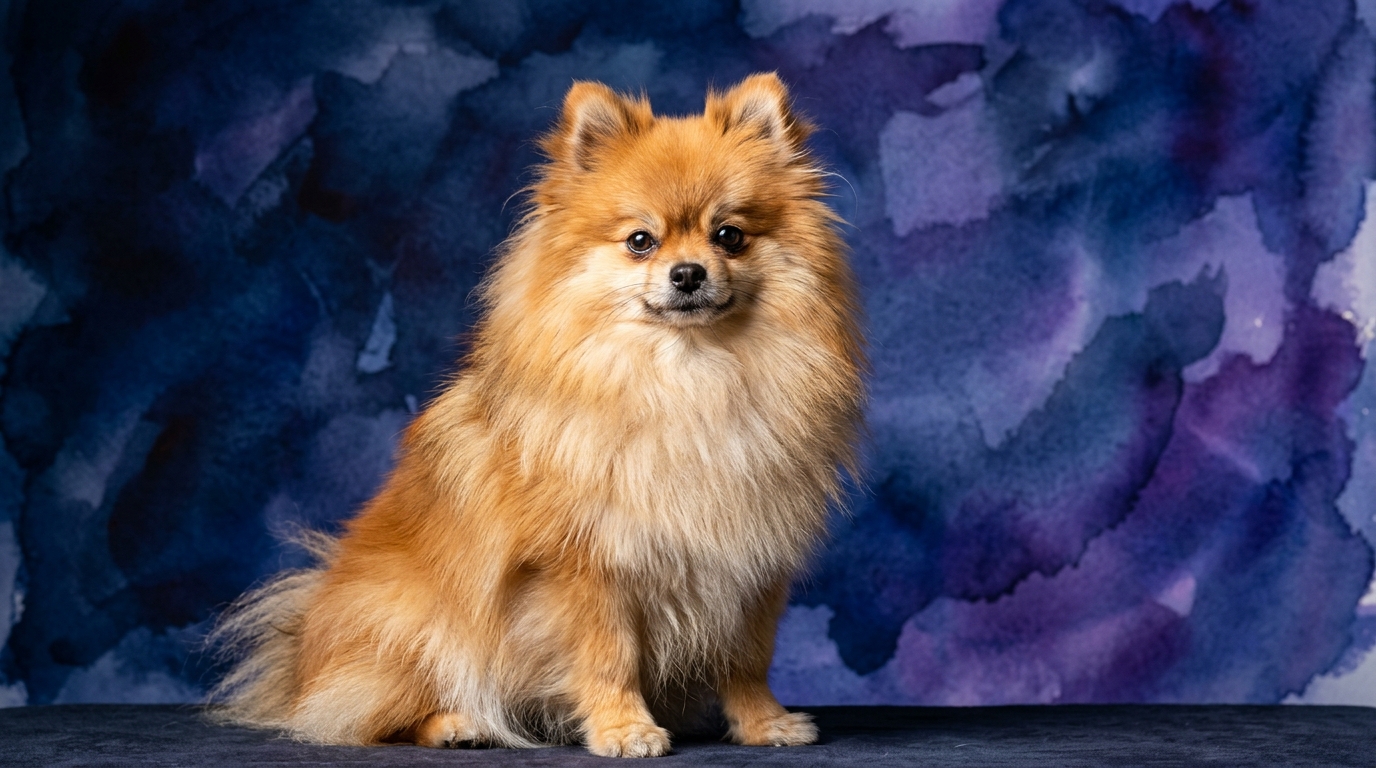
For the **Pomeranian**, their profile is marked by: **Problem Solving (4/5)**, indicating a notable capacity for figuring out novel situations, such as manipulating puzzle toys or devising routes around obstacles to reach a desired item; **Training Speed (4/5)**, meaning they typically grasp new commands and routines quickly, showing a keen eagerness to learn; **Social Intelligence (4/5)**, suggesting a high ability to interpret human cues, moods, and intentions, making them adept at forming close bonds; **Instinctive Drive (3/5)**, which manifests in traits like alert barking, curiosity, and a surprisingly tenacious pursuit of small critters; and **Memory (4/5)**, exhibiting excellent recall of learned commands, routines, and specific people or places over long periods.
The **Boerboel's** profile, while different, is equally purposeful: **Problem Solving (3/5)**, where they demonstrate practical problem-solving skills, particularly in contexts related to their guarding instincts, such as assessing a perceived threat or navigating their territory; **Training Speed (3/5)**, indicating they are capable learners but may require more repetitions or a different motivational approach compared to some more biddable breeds; **Social Intelligence (3/5)**, allowing them to form strong bonds with their immediate family and discern friend from stranger, while being perceptive of their owner's emotional state; **Instinctive Drive (3/5)**, profoundly geared towards guarding and protection, manifesting as a strong territorial instinct and a watchful demeanor; and **Memory (3/5)**, where they reliably remember important routines, boundaries, and individuals, contributing to their reliability as guardians.
Where the Pomeranian Wins Cognitively
The Pomeranian's cognitive profile shines in areas requiring quick processing, nuanced social understanding, and adaptable learning. Their 4/5 in problem-solving means they are more likely to independently figure out how to open a cabinet or retrieve a toy from a tight spot, demonstrating a flexible cognitive approach to their environment. This breed's superior training speed (4/5) translates into a more rapid acquisition of new tricks and obedience commands, often excelling in canine sports where complex sequences are learned swiftly. Furthermore, their high social intelligence (4/5) allows them to pick up on subtle human cues, making them remarkably attuned companions who can anticipate needs or moods, often responding with comforting presence or playful engagement. Their strong memory (4/5) reinforces these traits, ensuring that once a lesson is learned or a social dynamic understood, it tends to stick, contributing to their consistent behavior.
Where the Boerboel Wins Cognitively
While the Boerboel's scores might appear numerically lower, their cognitive strengths are deeply rooted in their foundational purpose: guardianship and protection. Their 3/5 in problem-solving, though not as high as the Pomeranian's, translates into highly effective, practical solutions when it comes to assessing and neutralizing perceived threats or maintaining territorial boundaries. This isn't about intricate manipulation but rather about strategic evaluation of their environment and decisive action. Their instinctive drive (3/5), while numerically similar to the Pomeranian's, manifests as an unwavering commitment to their family and property, a profound sense of duty that guides their actions. This drive, combined with their memory (3/5) for established routines and boundaries, means they reliably perform their protective roles, remembering who belongs and who doesn't, and consistently upholding their perceived responsibilities within the household structure. Their intelligence is less about intricate trickery and more about steadfast, purposeful application in real-world scenarios.
Which Is Easier to Train and Why
Based on their Pet IQ Lab profiles, the Pomeranian generally presents as the easier breed to train. Their 4/5 training speed indicates a quicker understanding and retention of commands, making initial obedience work and advanced trick training more straightforward. This rapid learning is often coupled with a strong desire to please and a high social intelligence (4/5), meaning they are more likely to pay close attention to their handler's instructions and body language. A Pomeranian's typical eagerness and responsiveness allow for shorter, more engaging training sessions that yield visible results quickly. In contrast, the Boerboel's 3/5 training speed suggests they may require more patience, consistency, and a clear understanding of *why* they are performing a task. While perfectly capable of learning, their often independent nature and deeply ingrained protective instincts mean training must be firm, fair, and highly motivating, frequently requiring a handler who can command respect and clearly communicate expectations rather than relying solely on eager compliance. Their training is less about quick tricks and more about establishing a solid, reliable foundation for their significant physical presence and responsibilities.
Which Suits Active Owners vs. Relaxed Owners
The cognitive profiles of these two breeds suggest very different lifestyle fits. The Pomeranian, with its high problem-solving (4/5) and social intelligence (4/5), thrives with owners who can provide mental stimulation through puzzle toys, interactive games, and consistent, engaging training sessions. Their moderate instinctive drive (3/5) and need for social interaction make them ideal for relaxed owners who enjoy companionship, gentle walks, and the playful antics of a clever, attentive dog, but they also adapt well to moderately active owners who enjoy exploring new places. They are generally adaptable to apartment living, provided their mental and social needs are met. The Boerboel, conversely, with its powerful build and pronounced instinctive drive (3/5) geared towards protection, requires an owner who is not only active but also highly experienced and committed to consistent, structured training and socialization from an early age. They need ample space, regular physical exercise to manage their strength, and mental challenges that reinforce their role as a guardian. This breed is best suited for active, assertive owners who understand the demands of a working dog and are prepared to dedicate significant time to their development, not for relaxed owners seeking a low-maintenance companion.
The Verdict
When choosing a companion, the Pomeranian is ideal for individuals or families seeking an intelligent, highly trainable, and socially astute dog who thrives on companionship and mental engagement in a smaller package. They are an excellent fit for those who appreciate a clever dog that quickly picks up new skills and enjoys being an integral part of daily life.
The Boerboel, on the other hand, is the choice for experienced, active owners who require a dedicated, protective guardian and are prepared for the significant commitment involved in raising and training a powerful, instinct-driven breed. They are best suited to environments where their protective instincts can be appropriately channeled and managed through consistent leadership.
🧠 Find Your Pet's IQ Score
Our Pet IQ Lab assessment covers 25+ tests across 5 cognitive dimensions — personalized to your breed.
Take the Full IQ Test →Frequently Asked Questions
Are Pomeranians difficult to train because of their small size?
Not at all; Pomeranians actually boast a 4/5 training speed, indicating they typically learn commands and routines very quickly. Their small stature doesn't hinder their cognitive capacity, and many find them eager and responsive students.
Do Boerboels require a lot of mental stimulation despite their moderate problem-solving score?
Yes, Boerboels benefit significantly from mental engagement, particularly activities that tap into their instinctive drive for guarding and protection. While their problem-solving is 3/5, structured training, boundary work, and purposeful tasks are crucial for their well-being and appropriate behavior.
How does social intelligence differ between these two breeds?
The Pomeranian's 4/5 social intelligence means they are highly adept at reading human emotions and cues, often forming intricate social bonds and communicating subtly. The Boerboel's 3/5 social intelligence is more focused on discerning family from outsiders and understanding their role within the household structure, providing a reliable but less overtly expressive social interaction.