Side-by-Side IQ Profile
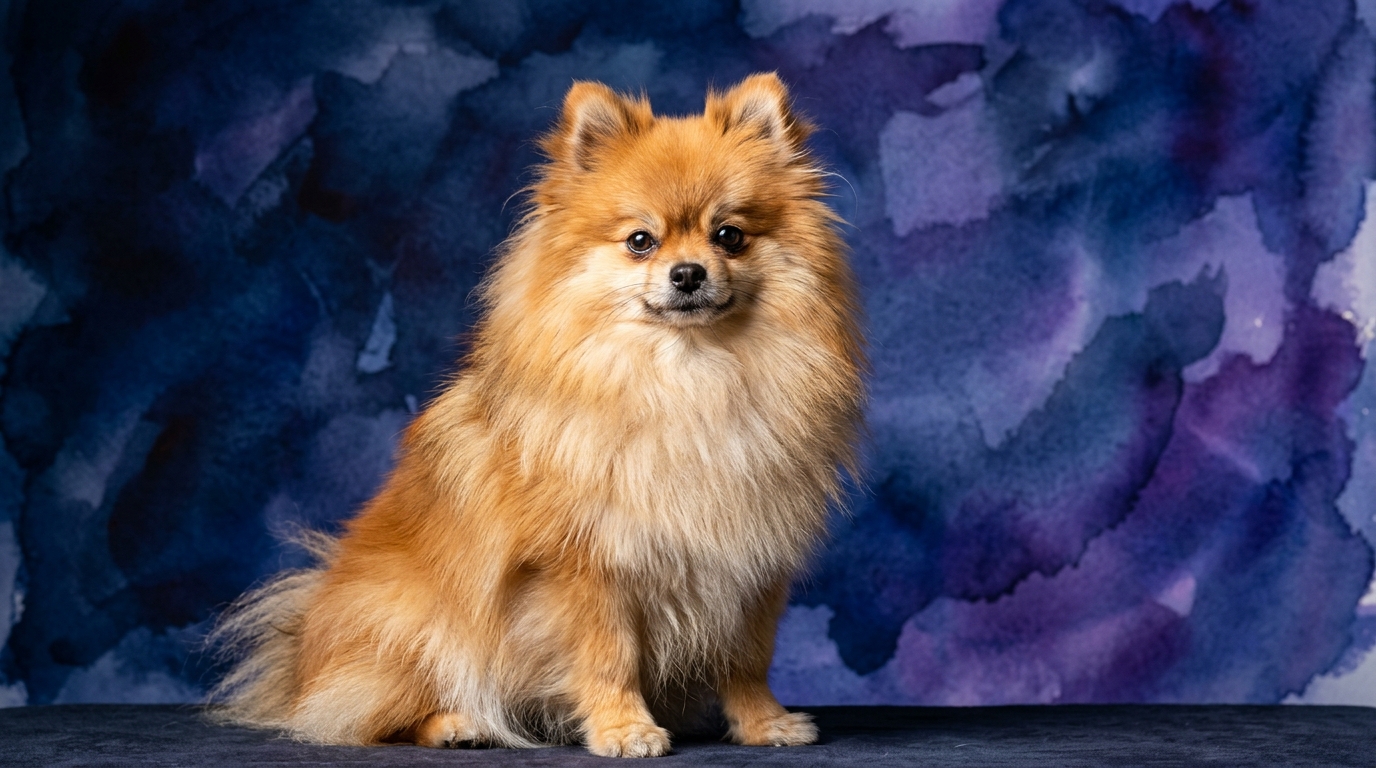
The Pomeranian, a Toy breed ranking #23 on the Coren scale, presents a robust cognitive profile. It scores 4/5 in Problem Solving, consistently demonstrating a strong capacity for figuring out novel situations and puzzles, often applying learned strategies to new challenges. Its Training Speed is also 4/5, indicating it typically grasps new commands and routines quickly, exhibiting eagerness to engage in structured learning sessions. Social Intelligence is rated 4/5, showing they are highly attuned to human cues and social dynamics, adept at reading emotions and adapting behavior within a family unit. Its Instinctive Drive is 3/5, a moderate level that manifests as curiosity or a desire to explore but is generally manageable. Finally, its Memory is 4/5, reflecting excellent retention of learned behaviors, commands, and routines, making them reliable in recalling information over time.
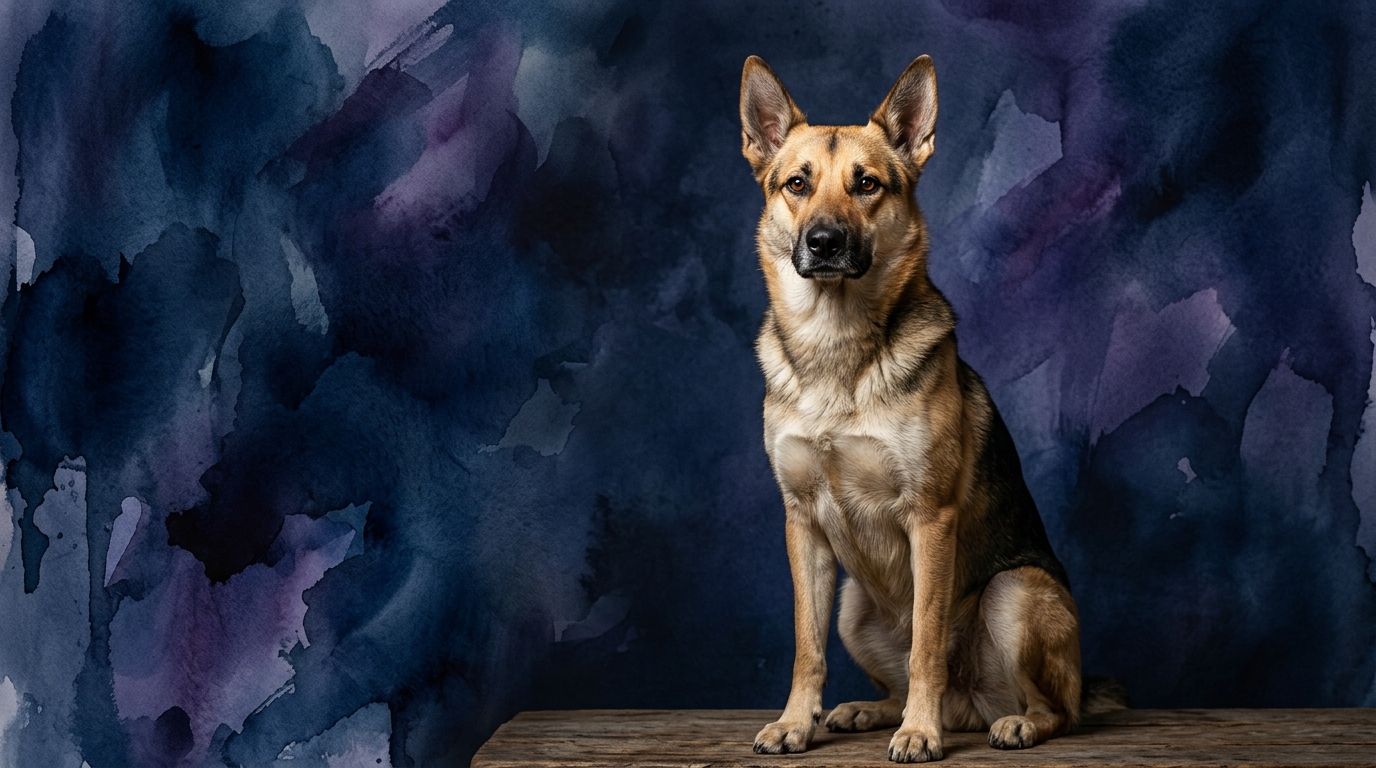
The Canaan Dog, a Herding breed with a Coren rank of #43, exhibits a cognitive makeup reflective of its ancient purpose. Its Problem Solving is 3/5, indicating a practical approach to challenges, often relying on observation and trial-and-error, which may require more time to generalize solutions. Training Speed is 3/5; it learns at a steady pace, capable of mastering commands but sometimes requiring more repetition and consistent reinforcement due to its independent nature. Social Intelligence is 3/5; observant of human companions, they form deep bonds but may be more reserved in expressing social understanding compared to overtly people-focused breeds. Instinctive Drive is 3/5, a moderate yet distinct set of natural instincts, including a strong territorial sense and watchful demeanor, rooted in their herding and guarding roles. Its Memory is 4/5, displaying robust recall of experiences, people, and boundaries, which contributes to their reliability in established routines and past interactions.
Where the Pomeranian Wins Cognitively
The Pomeranian, with superior scores in Problem Solving (4/5), Training Speed (4/5), and Social Intelligence (4/5) compared to the Canaan Dog's 3/5 in these areas, demonstrates a distinct edge in rapid cognitive processing and adaptability within a human-centric environment. Their quicker problem-solving often manifests in their ability to swiftly navigate complex home environments, figure out how to retrieve a hidden toy, or even manipulate situations to gain attention. This quick grasp of cause-and-effect allows them to excel in interactive puzzle toys, often solving them with less frustration and more persistent engagement. Furthermore, their heightened social intelligence means they are more readily able to interpret subtle human gestures, vocal tones, and emotional states, allowing them to adjust their behavior to better align with their owner's mood or expectations, fostering a highly responsive relationship.
Where the Canaan Dog Wins Cognitively
While the Canaan Dog might not match the Pomeranian in training speed or social effusiveness, its cognitive strengths are deeply rooted in its ancient purpose. Both breeds share an impressive Memory score of 4/5, but for the Canaan Dog, this is particularly crucial for its historical role. Their strong memory allows them to retain complex spatial information, remembering territory boundaries or patrol routes with remarkable accuracy. This translates into a dog that reliably remembers established household rules and familiar people, contributing to their excellent watchfulness. Moreover, their instinctive drive, while rated similarly at 3/5, is channeled differently, manifesting as independent judgment and keen observational capacity. This means they are less prone to impulse and more likely to assess situations before acting, a cognitive trait valuable for a guardian breed that needed to make independent decisions.
Which is Easier to Train and Why
Based on The Cosmic Pet Pet IQ Lab's metrics, the Pomeranian is generally easier to train, primarily due to its higher Training Speed (4/5) and Social Intelligence (4/5). Pomeranians typically exhibit a strong desire to please and a quick understanding of human expectations, making them receptive to new commands and routines with fewer repetitions. Their keen social intelligence allows them to readily pick up on cues and respond to positive reinforcement strategies, often eager for interaction and praise. This translates into a dog that is often enthusiastic about training sessions, viewing them as an engaging bonding activity. In contrast, the Canaan Dog, with its Training Speed of 3/5, requires more consistent and patient instruction. Their historical independence as a guardian breed means they are less inherently driven to follow every command without question. While capable of learning, their training often demands a clearer purpose and strong leadership, as they are more likely to think for themselves rather than simply comply.
Which Suits Active Owners vs. Relaxed Owners
The choice between a Pomeranian and a Canaan Dog largely depends on an owner's lifestyle and preferred engagement. A Pomeranian, despite its size, thrives with owners who can provide consistent mental stimulation and social interaction. Their high social intelligence and problem-solving aptitude mean they benefit from regular training, puzzle toys, and interactive play sessions that challenge their quick minds. They are well-suited for owners who enjoy teaching tricks, participating in dog sports, or integrating their dog into daily activities that offer varied experiences. The Canaan Dog, conversely, appeals to an owner who appreciates a dog with a strong sense of purpose and a need for structured activity. Their independent nature and moderate instinctive drive mean they benefit from activities that tap into their natural herding or guarding tendencies, such as long, exploratory walks or scent work. They are not necessarily 'relaxed' dogs, but their activity needs are often more about purposeful engagement and mental exercise linked to their historical roles, rather than constant social interaction. They can be content observing their surroundings, suitable for owners who enjoy outdoor adventures but also respect a dog's need for personal space and autonomy.
The Verdict
Opt for a Pomeranian if you're seeking a highly responsive companion eager for frequent social interaction and quick to master new skills, thriving on engaging training and consistent mental challenges.
Select a Canaan Dog if you appreciate an independent, observant companion with a strong memory and practical problem-solving skills, valuing purposeful activities and a partner for outdoor exploration.
🧠 Find Your Pet's IQ Score
Our Pet IQ Lab assessment covers 25+ tests across 5 cognitive dimensions — personalized to your breed.
Take the Full IQ Test →Frequently Asked Questions
Does a Pomeranian's small size mean it has low exercise needs?
Not necessarily; while they don't require extensive runs, Pomeranians are energetic and benefit from daily walks and engaging play to stimulate their keen minds and maintain physical health. Their cognitive demands for consistent interaction and training are often more significant than their purely physical exercise needs.
How does the Canaan Dog's independence impact its suitability as a family pet?
The Canaan Dog's independence means they can be more reserved and watchful, forming deep bonds with their immediate family but often being wary of strangers. They thrive in families that understand their need for clear boundaries, consistent training, and respect their space, making them loyal and protective companions.
Are Pomeranians better at learning tricks than Canaan Dogs?
Generally, yes, due to their higher Training Speed and Social Intelligence, Pomeranians are often quicker to pick up complex tricks and enjoy the interactive process. Canaan Dogs can learn tricks, but their motivation might stem more from a desire to please a respected leader rather than the sheer joy of performing for attention, often requiring more patience and repetition.