
Side-by-Side Cognitive Profiles
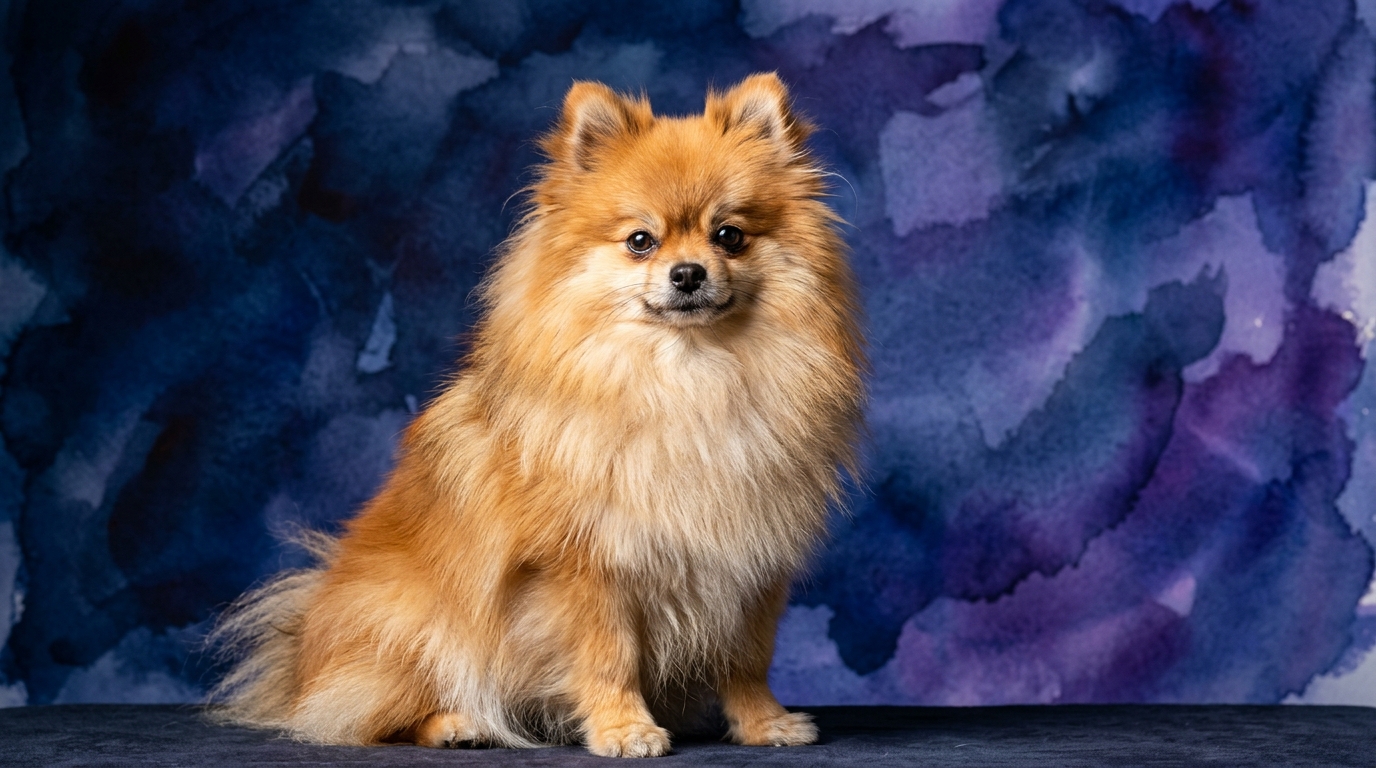
At The Cosmic Pet Pet IQ Lab, we evaluate canine intelligence across five key dimensions. For the Pomeranian, a breed often celebrated for its lively personality, we observe specific cognitive strengths that align with its companion role. Its Problem Solving ability scores 4/5, indicating a quick wit and aptitude for figuring out puzzles or navigating complex situations to achieve a desired outcome. Training Speed is also high at 4/5, reflecting their eagerness to learn and respond to cues, often picking up new commands with impressive rapidity. Social Intelligence, rated 4/5, showcases their acute sensitivity to human emotions and social dynamics, allowing them to form deep, communicative bonds. Their Instinctive Drive sits at 3/5, manifesting as a spirited alertness and a tendency to vocalize when perceiving novel stimuli. Finally, Memory scores 4/5, enabling them to retain learned behaviors and routines effectively over time.
The Dogo Argentino, a powerful working breed, exhibits a different set of cognitive priorities shaped by its heritage. Its Problem Solving capacity is rated 3/5, suggesting competence in practical, physically oriented tasks such as strategic tracking or assessing environmental challenges, though perhaps less inclined towards abstract puzzles. Training Speed is 3/5, meaning they are capable learners but typically require more consistent reinforcement and a structured approach to solidify commands. Social Intelligence also scores 3/5; while intensely loyal and protective of their family, their social cues might be less overtly expressive or nuanced with strangers compared to companion breeds. Their Instinctive Drive is 3/5, but this manifests as a strong prey drive and territoriality, demanding significant mental engagement and channeling. Memory for the Dogo Argentino is 3/5, indicating good retention of important information like boundaries and established routines, especially when reinforced consistently.
Where the Pomeranian Shines Cognitively
The Pomeranian consistently outshines the Dogo Argentino in several cognitive dimensions, particularly those related to adaptability and nuanced interaction. Their superior problem-solving acumen (4/5 vs 3/5) means they are often quicker to unravel novel challenges, whether it's figuring out how to open a treat-dispensing toy or devising a creative way to reach a coveted spot. This cognitive agility translates to a dog that can adapt rapidly to new situations and independently seek solutions in a household environment. Furthermore, their elevated social intelligence (4/5 vs 3/5) allows them to pick up on subtle human emotional shifts and intentions with greater precision. A Pomeranian might notice a slight change in your tone or body language and adjust their behavior accordingly, fostering a more intricate and responsive communicative relationship. Their faster training speed (4/5 vs 3/5) and robust memory (4/5 vs 3/5) also contribute to a perception of quicker learning and retention, making them often more responsive to new commands and complex sequences of actions in a shorter timeframe, which is a significant advantage in companion settings.
Where the Dogo Argentino Excels Cognitively
While the Dogo Argentino might not score as high in traditional "IQ" metrics focused on companion traits, its cognitive strengths are profoundly rooted in its working heritage, emphasizing practical application and resilience. Their problem-solving (3/5) is particularly potent when it comes to physical challenges and strategic navigation in real-world scenarios, such as tracking a scent over varied terrain or assessing and responding to a perceived threat in their environment. This isn't about intricate puzzles, but rather effective, decisive action under pressure. Their instinctive drive (3/5), while numerically matching the Pomeranian's, manifests as a powerful, focused intensity geared towards protection and pursuit, demanding significant mental engagement to manage and channel effectively. A Dogo’s social intelligence (3/5) is deeply rooted in loyalty and protection; they excel at discerning who belongs to their pack and responding appropriately to potential external threats, a form of social awareness critical for a guardian breed. Their memory (3/5) is solid for crucial information like territory boundaries and the identities of trusted individuals, forming a reliable foundation for their protective duties and consistent behavior within their established routine.
Training Aptitude: Ease and Approach
Based on our IQ scores, the Pomeranian (Training Speed 4/5) is generally easier to train than the Dogo Argentino (Training Speed 3/5), primarily due to inherent behavioral differences and motivational factors. Pomeranians often possess a strong desire to please and exhibit a high attentiveness span during training sessions, which, combined with their excellent memory, allows them to absorb and retain commands quickly. Their smaller size also means fewer physical challenges during early leash training or handling, making them more manageable for a wider range of owners. Their motivation often stems from positive reinforcement like treats and praise, and they readily engage in interactive learning.
In contrast, the Dogo Argentino, while intelligent and capable, requires a more consistent, firm, and experienced approach. Their strong prey drive and independent nature mean training needs to be highly structured, engaging, and reinforced frequently to overcome potential distractions and maintain focus. A Dogo’s training often involves more emphasis on impulse control, boundary setting, and channeling their inherent drives into appropriate behaviors, which can be a longer, more demanding process than teaching a Pomeranian basic obedience cues. Their size and power necessitate early and thorough socialization and obedience training to ensure they are well-adjusted and safe companions.
Lifestyle Match: Active vs. Relaxed Owners
For relaxed owners seeking a companion that fits seamlessly into a quieter, less physically demanding lifestyle, the Pomeranian is often a more suitable choice. Their moderate instinctive drive (3/5) and relatively low physical exercise requirements mean they are content with shorter walks, indoor play, and mental stimulation through interactive games or learning new tricks, making them ideal for apartment living or individuals with limited mobility. Their high social intelligence (4/5) ensures they thrive on companionship and close human interaction, often being satisfied with being near their owners.
Active owners, particularly those who enjoy outdoor pursuits like hiking, structured dog sports, or who seek a dog with a clear purpose, would find the Dogo Argentino a more fitting partner. Their robust build and inherent working drive (3/5, but physically demanding in manifestation) necessitate significant daily physical exercise and consistent mental engagement to prevent boredom and potential destructive behaviors. Dogo Argentinos excel when given a 'job' or a challenging activity, channeling their considerable physical and cognitive energies into pursuits that align with their breed's historical role. They thrive with owners who understand and are prepared to meet their substantial needs for physical activity and mental stimulation.
The Verdict
Choose a Pomeranian if you prioritize a highly responsive companion, quick to learn and adapt, who thrives on nuanced social interaction and engaging indoor activities.
Opt for a Dogo Argentino if you are an experienced owner prepared to provide consistent, firm training and channel a powerful working drive into purposeful physical and mental activities.
🧠 Find Your Pet's IQ Score
Our Pet IQ Lab assessment covers 25+ tests across 5 cognitive dimensions — personalized to your breed.
Take the Full IQ Test →Frequently Asked Questions
Do Pomeranians bark excessively due to their alertness?
Pomeranians' alertness and moderate instinctive drive (3/5) can lead to vocalizations, as they are quick to perceive and react to environmental changes. Their social intelligence (4/5) also means they might use barking as a form of communication to express needs or gather attention from their owners.
How does the Dogo Argentino's hunting background influence its cognitive profile?
The Dogo Argentino's hunting heritage contributes to its focused problem-solving (3/5) in practical scenarios and a strong instinctive drive (3/5) for pursuit and protection. These traits require consistent mental engagement and training to channel effectively and safely within a domestic setting.
Can a Dogo Argentino be as adaptable as a Pomeranian despite its lower IQ scores in some areas?
While a Dogo Argentino's adaptability might manifest differently than a Pomeranian's, they are capable of adapting to various living situations with proper socialization and consistent training. Their strong loyalty and memory (3/5) help them thrive in a stable, well-structured environment with a dedicated and experienced owner.