
Side-by-Side Cognitive Profiles: Pomeranian vs. English Setter
The Cosmic Pet Pet IQ Lab employs a multi-dimensional approach to assess canine intelligence, moving beyond simple rankings to reveal the nuances of each breed's cognitive strengths. While Stanley Coren's traditional ranking places the Pomeranian at a respectable #23 and the English Setter at #37, our deeper dive into five core cognitive dimensions paints a more comprehensive picture, highlighting how both breeds demonstrate impressive mental capabilities, albeit in different applications.
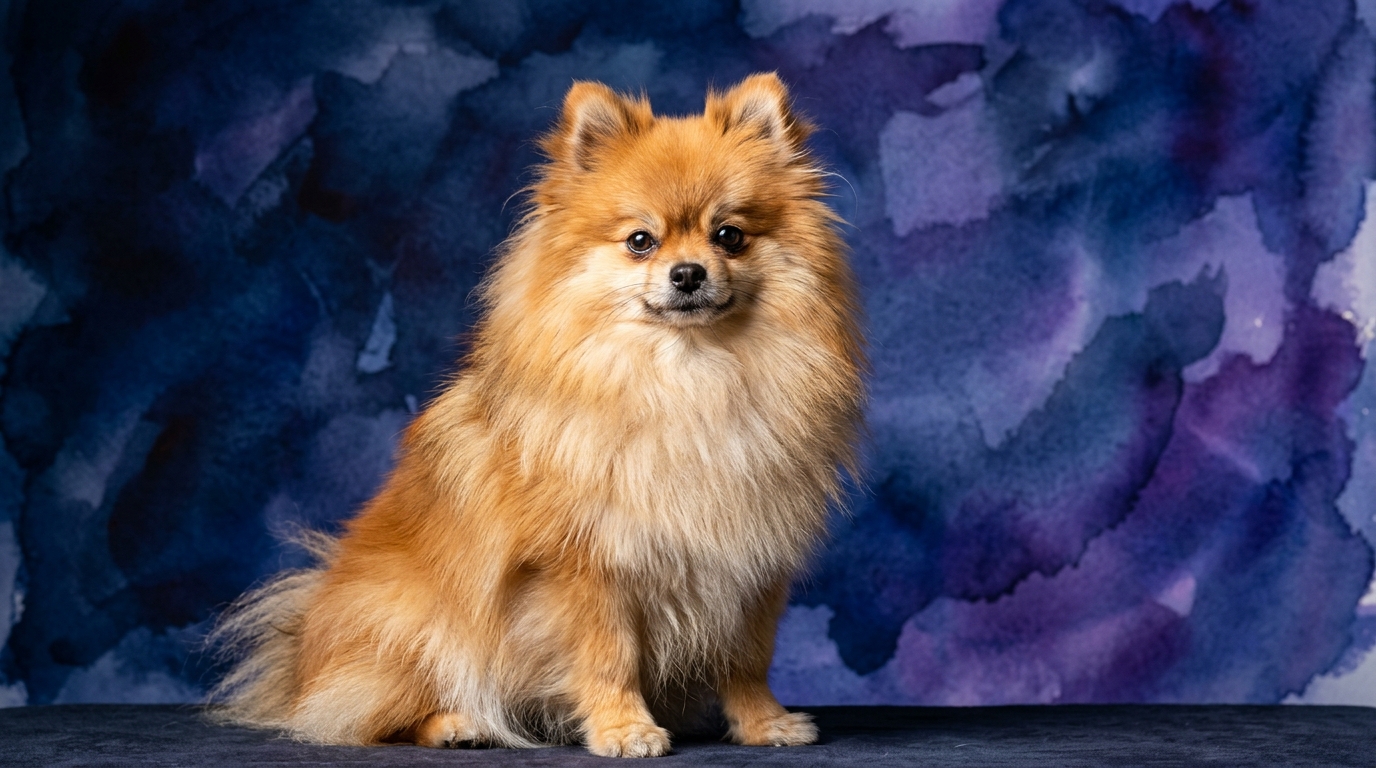
The Pomeranian, a member of the Toy group, consistently demonstrates a vibrant mental agility. In Problem Solving, they score a strong 4/5, indicating a sharp mind capable of figuring out puzzles and navigating complex domestic scenarios to achieve their desires. Their Training Speed also rates an impressive 4/5, reflecting their quick grasp of new commands and eagerness to please their human companions. Social Intelligence is where the Pomeranian truly shines with a 4/5, showcasing a profound attunement to human emotions and social cues, making them exceptionally communicative and bonded pets. Their Instinctive Drive sits at 3/5, manifesting often as alertness and a desire for companionship rather than intense prey pursuit. Finally, their Memory is excellent, scoring 4/5, allowing them to retain routines, tricks, and recognize familiar faces and places with ease.
The English Setter, a distinguished Sporting breed, also presents a robust cognitive profile tailored to its heritage. Like the Pomeranian, they achieve a 4/5 in Problem Solving, demonstrating an ability to adapt to new situations and navigate complex environments, especially in outdoor settings. Their Training Speed matches the Pomeranian's at 4/5, indicating a keen readiness to learn and a strong desire to cooperate in structured tasks, making them highly responsive students. However, their Social Intelligence is rated 3/5; while affectionate and loyal to their families, they can be somewhat more reserved or less overtly expressive with strangers compared to the Pomeranian. Their Instinctive Drive, also 3/5, is channeled into their natural pointing and retrieving abilities, showcasing a balanced prey drive suitable for their sporting roles. Their Memory, like the Pomeranian's, is a solid 4/5, enabling them to recall intricate field commands, scent patterns, and routes with precision.
Where the Pomeranian Cognitively Excels
While both breeds exhibit notable cognitive strengths, the Pomeranian demonstrates a particular edge in its nuanced Social Intelligence (4/5 vs. the English Setter's 3/5). This higher score reflects a more immediate and intricate understanding of human emotional states, often allowing them to preemptively respond to their owner's moods or desires with precise communicative gestures. Their ability to 'read the room' and adapt their behavior for maximum human engagement is particularly pronounced, making them exceptionally empathetic and interactive companions for individuals who appreciate a pet deeply attuned to their personal space and emotional landscape.
Furthermore, the Pomeranian's problem-solving skills, while rated equally at 4/5, often manifest in a distinct way within domestic settings. They frequently apply their ingenuity to 'outsmarting' humans for treats, attention, or access to forbidden areas, such as figuring out how to open low cabinets or scale furniture with surprising resourcefulness. Their smaller stature can make these clever feats appear even more impressive, as they navigate their human-centric world with a unique blend of charm and cunning, often for personal gain in the form of affection or a favored snack.
Where the English Setter Cognitively Excels
The English Setter, despite sharing 4/5 scores in Problem Solving and Memory with the Pomeranian, demonstrates a distinct cognitive advantage in the *scope* and *application* of these abilities, particularly within complex, dynamic environments. Their problem-solving acumen shines in extended, multi-stage challenges typical of outdoor activities, such as tracking game over varied terrain or executing intricate retrieve patterns across water and land. This requires not just initial understanding, but sustained focus and adaptive reasoning over longer periods, a different kind of cognitive endurance than typically required of a Toy breed.
Similarly, the English Setter's 4/5 Memory is finely tuned for recalling complex sequences in the field, recognizing and remembering specific scent trails, and navigating vast outdoor landscapes based on learned landmarks and previous experiences. This specialized memory is crucial for successful sporting endeavors, demanding a capacity for detailed environmental recall and task-oriented sequencing that goes beyond remembering household routines or simple tricks. Their instinctive drive, while rated 3/5 like the Pomeranian's, is channeled into a persistent, unwavering focus on a given task—be it pointing, retrieving, or following a scent—showcasing a profound mental stamina and dedication to their working heritage.
Training Dynamics: Which is Easier to Train?
Both the Pomeranian and the English Setter boast an impressive 4/5 in Training Speed, indicating that both breeds are highly receptive to learning new commands and behaviors. However, the *nature* of their trainability and the effort required can differ based on their inherent drives and physical characteristics. Pomeranians, with their intense social intelligence and eagerness to please, often pick up basic obedience, house manners, and a variety of tricks very quickly. Their smaller size makes them physically easier to manage during training sessions, and their strong desire for human interaction serves as a powerful motivator. However, their intelligence can sometimes manifest as stubbornness if they perceive an advantage, requiring consistent, positive reinforcement to keep them engaged.
English Setters are equally eager to learn and excel in structured training environments, often thriving in advanced obedience, agility, and field trials. Their sporting background means they are bred to work cooperatively with humans over sustained periods, making them highly responsive to consistent, engaging training methods. While they require more physical commitment due due to their size and energy levels, their strong drive to perform tasks can be a significant asset in channeling their intelligence towards complex goals. Ultimately, both breeds are highly trainable, but the Pomeranian might be perceived as 'easier' for basic household integration and tricks due to their size and social focus, while the English Setter demands a more comprehensive and physically active training regimen to fully harness their mental and physical prowess.
Lifestyle Match: Active vs. Relaxed Owners
When considering which breed aligns with an owner's lifestyle, the differences become quite pronounced. The Pomeranian, while spirited and requiring mental stimulation, is generally well-suited for a variety of living situations, including apartments, thanks to their smaller size. They thrive on consistent social interaction, interactive play, and daily walks, but do not demand extensive physical exertion. Owners who enjoy cuddling, teaching tricks, and having a highly interactive, socially perceptive companion who can adapt to indoor-centric activities will find the Pomeranian an excellent match. Their mental agility means they need engagement, but this can be satisfied through puzzle toys, training sessions, and ample lap time.
The English Setter, by contrast, is unequivocally a breed for active owners. Their sporting heritage dictates a significant need for regular, vigorous exercise, including long walks, runs, hikes, or dedicated time in a securely fenced yard for free play. They thrive when given opportunities to engage their keen senses and natural drives through activities like field work, advanced obedience, or participation in dog sports. A sedentary lifestyle would be detrimental to an English Setter's well-being, leading to potential frustration and behavioral issues. They are best suited for individuals or families who embrace an outdoor, active lifestyle and can commit to providing the extensive physical and mental stimulation this graceful and dedicated companion requires.
The Verdict
Choose the Pomeranian if you seek a highly interactive, socially perceptive companion who thrives in varied living situations and enjoys learning tricks and being the center of attention.
Opt for the English Setter if you are an active individual or family who can provide extensive physical exercise, consistent training for complex tasks, and appreciate a graceful, dedicated sporting companion.
🧠 Find Your Pet's IQ Score
Our Pet IQ Lab assessment covers 25+ tests across 5 cognitive dimensions — personalized to your breed.
Take the Full IQ Test →Frequently Asked Questions
Are Pomeranians better at problem-solving than English Setters?
Both breeds score 4/5 in problem-solving. Pomeranians often excel at human-centric puzzles and manipulating their environment for attention, while English Setters demonstrate their acumen in navigating complex outdoor terrains and tasks, requiring sustained focus.
Which breed has better memory for commands?
Both breeds rate 4/5 for memory, showcasing excellent retention. Pomeranians effectively recall routines and tricks, while English Setters show exceptional memory for field commands, scent trails, and intricate sequences required for their sporting roles.
Do English Setters require more mental stimulation than Pomeranians?
English Setters, with their sporting heritage, generally thrive on more structured and physically demanding mental engagement, like advanced obedience or field work. Pomeranians benefit from consistent social interaction and learning new tricks, which provides ample mental exercise for their size and social nature.