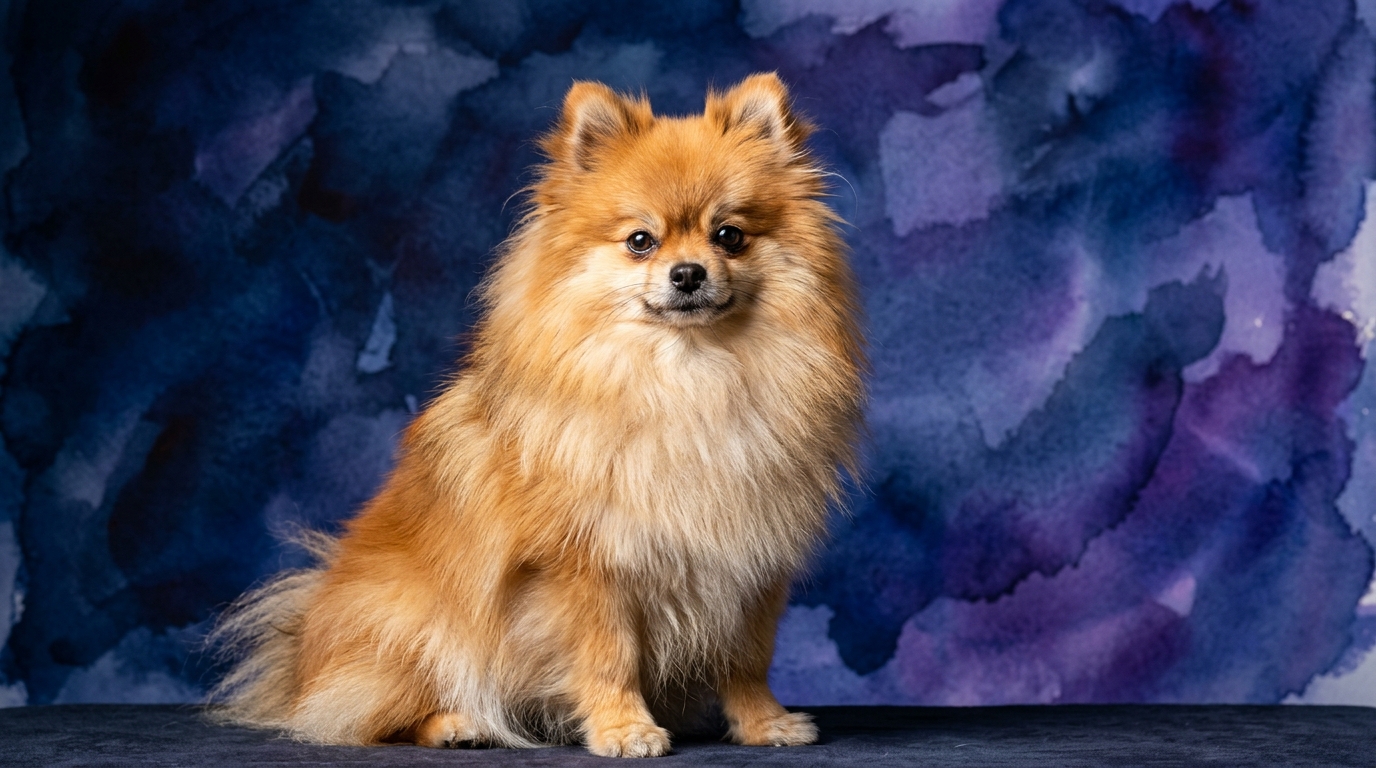

Side-by-Side IQ Profile: Pomeranian vs. English Toy Spaniel
The Pomeranian, a descendant of larger sled dogs, retains a sharp cognitive edge, reflected in its problem-solving score of 4/5. These compact canines often demonstrate a strategic approach to challenges, quickly figuring out how to bypass obstacles to reach a desired toy or treat. Their ability to connect cause and effect is notably strong, making them adept at navigating complex environments or even outsmarting a cleverly designed puzzle feeder. This quick comprehension extends directly to their training speed, also rated 4/5. Pomeranians typically pick up new commands and routines with remarkable alacrity, often grasping concepts after just a few repetitions. They appear to relish the mental engagement of learning, making them enthusiastic participants in training sessions, from basic obedience to more intricate trick work.
Their social intelligence, at 4/5, enables Pomeranians to read human emotions and intentions with considerable accuracy. They often seem to anticipate their owner's next move or mood, adjusting their behavior accordingly, whether offering comfort or initiating play. This perceptiveness allows them to integrate smoothly into family dynamics, understanding their role and the expectations placed upon them. Instinctive drive, at 3/5, indicates a moderate inclination towards innate behaviors like chasing or guarding. While they retain some vigilance and a tendency to alert to new stimuli, their drive isn't overwhelmingly focused on traditional working tasks. Finally, their memory, scored at 4/5, supports their rapid learning and social acumen. Pomeranians reliably recall commands, routines, and even specific people or places over extended periods, contributing to their reputation as consistent and responsive companions.
The English Toy Spaniel presents a more uniformly moderate cognitive profile, beginning with a problem-solving score of 3/5. These gentle companions are certainly capable of navigating their world and understanding simple challenges, but they may require more time and perhaps a clearer, step-by-step approach to grasp complex puzzles or novel situations. Their method tends to be one of steady application rather than immediate strategizing, thriving on consistency rather than rapid innovation. Similarly, their training speed is rated at 3/5. While English Toy Spaniels are eager to please and receptive to learning, they typically require more repetitions and patience to solidify new commands or behaviors. They learn effectively, but at a pace that is deliberate, favoring gentle encouragement over high-intensity, quick-fire drills.
Their social intelligence, also 3/5, describes a deeply affectionate and devoted companion. English Toy Spaniels form strong bonds with their families, demonstrating a clear understanding of their primary caregivers' presence and affections. While they may not read the most subtle human cues with the same precision as a Pomeranian, their profound desire for connection means they are generally attuned to their family's needs for comfort and companionship. Instinctive drive, matching the Pomeranian at 3/5, suggests a similar moderate inclination for innate behaviors; they are not typically driven by strong hunting or herding urges, focusing instead on their role as a lap dog. Their memory, scored at 3/5, supports their ability to learn and retain routines and familiar commands. They excel with consistent practice, remembering what is expected of them in their daily lives, though they might benefit from occasional refreshers for less frequently used instructions.
Where the Pomeranian Wins Cognitively
The Pomeranian's cognitive strengths shine particularly bright in areas demanding quick wit and adaptability. Their 4/5 problem-solving score means they are often the first to strategize for desired outcomes, whether it's figuring out how to open a cabinet with a loose latch or manipulating their humans for an extra treat. This intrinsic drive to solve puzzles translates into a dog that genuinely enjoys mental games and trick training, often surprising owners with their cleverness and inventiveness in navigating their environment.
Furthermore, their superior training speed and memory (both 4/5) allow them to absorb and retain complex sequences of commands and routines with impressive efficiency. This makes them highly responsive companions in varied situations, capable of learning advanced obedience or even agility exercises with enthusiasm. Their keen social intelligence (4/5) also provides an edge, enabling them to interpret subtle shifts in human body language and tone, often seeming to anticipate needs or respond to unspoken cues, fostering a highly interactive and communicative bond that makes them feel deeply connected to their human family.
Where the English Toy Spaniel Wins Cognitively
While the English Toy Spaniel's cognitive scores are generally more moderate, this consistent profile presents its own distinct advantages, particularly for owners seeking a specific type of companionship. Their 3/5 in problem-solving and training speed means they are not constantly seeking out new mental challenges or prone to boredom-induced mischief if not intensely stimulated. This can be a 'win' for owners who prefer a dog content with a simpler, more predictable daily routine, rather than one always pushing cognitive boundaries for engagement.
Their social intelligence, also 3/5, coupled with their deeply affectionate nature, means they excel at forming a calm, uncomplicated bond. They are less likely to over-analyze complex social dynamics or become overly demanding of attention through clever tactics. Instead, they offer steadfast devotion and a gentle presence, providing comfort without requiring constant intellectual engagement. This balanced cognitive makeup contributes to their reputation as serene and adaptable companions, perfectly content to be cherished lap dogs without the inherent 'need' for constant mental puzzles or high-energy activities.
Which is Easier to Train and Why
Based on their respective IQ profiles, the Pomeranian generally presents as the 'easier' dog to train in terms of speed and complexity of learned behaviors. Their 4/5 training speed and problem-solving mean they grasp new commands and concepts rapidly, often enjoying the process of learning and performing. They are motivated by engagement and mental stimulation, making them excellent candidates for advanced obedience, trick training, or even dog sports. However, their assertive personalities and high cognitive drive mean that consistency and clear boundaries are paramount; their quick minds can just as easily learn undesirable behaviors if not properly guided with positive reinforcement.
The English Toy Spaniel, with its 3/5 scores in training speed and problem-solving, requires a more patient and gentle approach. While eager to please and highly motivated by affection, they may take more repetitions to solidify commands and might become overwhelmed by overly complex or fast-paced training sessions. Their learning style is less about rapid acquisition and more about steady, positive reinforcement over time. Owners will find success by keeping training sessions short, fun, and consistent, focusing on building reliable foundational behaviors through gentle encouragement rather than pushing for rapid, intricate trick mastery.
Which Suits Active Owners vs. Relaxed Owners
For active owners who enjoy engaging their canine companions in varied activities and consistent mental stimulation, the Pomeranian is often the more fitting choice. Their higher problem-solving and training speed scores mean they thrive on challenges, whether it's daily training sessions, learning new tricks, or participating in dog sports like agility or rally obedience. A Pomeranian who isn't adequately stimulated intellectually can become bored, potentially channeling their sharp minds into less desirable behaviors like excessive barking or finding their own 'puzzles' to solve, which might include inappropriate chewing or exploring. Providing consistent mental enrichment is key to their well-being.
Conversely, the English Toy Spaniel's moderate cognitive profile makes them an ideal match for more relaxed owners who prioritize companionship and a serene home environment. These dogs are content with gentle daily walks, quiet playtime, and extended periods of cuddling on the sofa. They do not possess the same inherent drive for constant mental challenges as the Pomeranian, meaning they are less likely to become restless or destructive if their daily routine is calm and predictable. Their affectionate nature means their primary 'activity' is often simply being present and offering comfort, making them perfect for those seeking a devoted, low-key companion who thrives on gentle interaction.
The Verdict
Choose the Pomeranian if you enjoy an interactive, mentally stimulating companion who learns quickly and offers dynamic engagement, thriving on challenges and varied activities.
Opt for the English Toy Spaniel if you seek a gentle, devoted lap companion who thrives on affection and a serene home environment, content with a calmer, predictable routine.
🧠 Find Your Pet's IQ Score
Our Pet IQ Lab assessment covers 25+ tests across 5 cognitive dimensions — personalized to your breed.
Take the Full IQ Test →Frequently Asked Questions
Are Pomeranians prone to barking due to their intelligence?
Pomeranians' high social intelligence (4/5) and moderate instinctive drive (3/5) contribute to their vigilance. They are quick to alert their families to new sounds or perceived threats, which can manifest as barking. Consistent training and early socialization are key to managing this trait effectively.
Can an English Toy Spaniel learn complex tricks or commands?
Yes, an English Toy Spaniel can certainly learn complex tricks and commands, though their training speed (3/5) suggests it will take more time and repetition than a Pomeranian. Success relies on patient, positive reinforcement and breaking down complex tasks into smaller, manageable steps, as their desire to please their owner is a strong motivator.
How does the 'Not Coren-ranked' status of the English Toy Spaniel affect its perceived intelligence?
Being 'Not Coren-ranked' simply means the English Toy Spaniel wasn't included in Stanley Coren's specific study on obedience and working intelligence. It doesn't imply a lack of intelligence, but rather that its cognitive strengths might lie in different areas, such as companionship and adaptability within a domestic setting, which our IQ Lab scores reflect more broadly and specifically.