
Side-by-Side Cognitive Profiles: Pomeranian vs. GSP
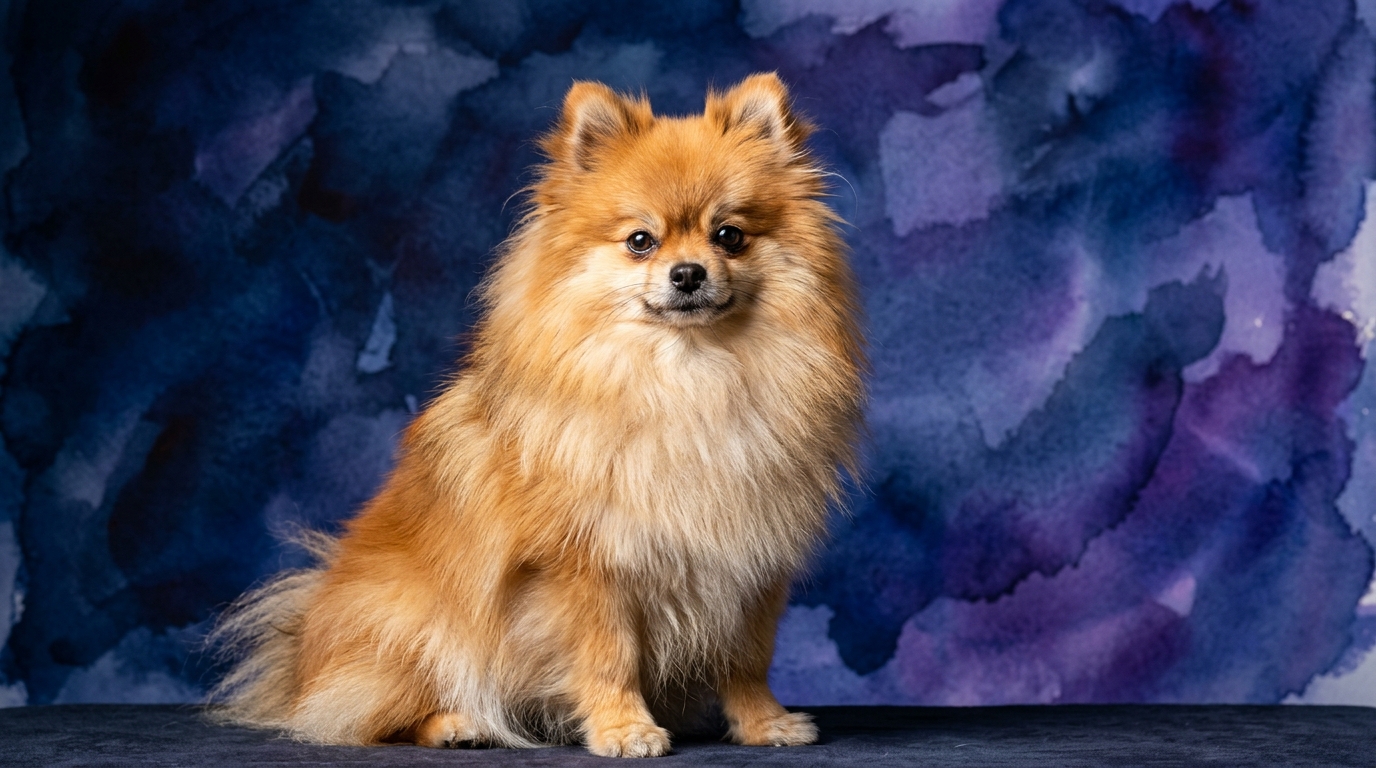
The Cosmic Pet Pet IQ Lab evaluates canine intelligence across five critical dimensions, providing a detailed look into what makes each breed tick. For the Pomeranian, ranked #23 by Coren, its profile shows a Problem Solving score of 4/5, indicating a strong capacity for navigating domestic challenges and figuring out intricate puzzles. Their Training Speed also stands at a commendable 4/5, meaning they grasp new commands and routines with impressive alacrity, often delighting owners with their quick uptake of tricks. Social Intelligence for the Pomeranian is rated 4/5, reflecting their adeptness at understanding human cues and forming deep, intuitive bonds, making them highly responsive companions. Their Instinctive Drive is a moderate 3/5, suggesting a less intense impulse towards traditional 'work' like hunting or herding, which contributes to their adaptability as house pets. Finally, their Memory at 4/5 ensures they retain learned behaviors and social interactions effectively.
In contrast, the German Shorthaired Pointer (GSP), with a Coren rank of #17, presents a cognitive profile geared towards purpose and performance. Their Problem Solving capability is a perfect 5/5, showcasing an exceptional ability to strategize, adapt, and overcome complex obstacles, particularly in dynamic outdoor environments. The GSP's Training Speed matches the Pomeranian's at 4/5, indicating they are equally quick to learn, though often with a greater drive to apply that learning in practical tasks. Social Intelligence is also 4/5, highlighting their strong pack mentality and responsiveness to their human handlers, essential for collaborative work. Where the GSP truly distinguishes itself is in Instinctive Drive, scoring a maximum 5/5. This reflects their powerful innate urges for tracking, pointing, and retrieving, driving their relentless energy and focus. Like the Pomeranian, their Memory is 4/5, crucial for remembering complex sequences of commands and field patterns.
Where the Pomeranian Shines Cognitively
While the GSP boasts higher scores in some areas, the Pomeranian's cognitive strengths are perfectly tailored for a different kind of brilliance, particularly within a companion animal role. Their 4/5 in Problem Solving, combined with a 4/5 in Social Intelligence, makes them exceptionally adept at navigating the nuances of human households. They excel at 'reading the room,' understanding subtle shifts in mood, and even manipulating situations to their advantage, often charming their way into extra treats or playtime. This isn't brute force problem-solving but rather a sophisticated social acumen that allows them to thrive in human-centric environments.
Furthermore, the Pomeranian's 4/5 Training Speed and 4/5 Memory, coupled with their moderate 3/5 Instinctive Drive, position them as masters of intricate trick learning and consistent adherence to household rules. They are quick to pick up complex sequences of actions and remember them reliably, making them stars in obedience classes or simply delightful companions who know precisely what's expected. Their less intense instinctive urges mean their cognitive energy is often directed towards engaging with their human family and mastering domestic routines, rather than being constantly pulled by external environmental stimuli.
Where the German Shorthaired Pointer Excels Cognitively
The German Shorthaired Pointer's cognitive profile is a testament to its heritage as a versatile hunting dog, built for intelligent, purposeful action. Their perfect 5/5 in Problem Solving is not just about mental agility but also about strategic thinking in dynamic, real-world scenarios. This manifests as an exceptional ability to analyze changing environments, track complex scent trails, and make on-the-spot decisions during field work or agility courses. They don't just solve problems; they anticipate them, demonstrating a proactive intelligence that is deeply impressive.
The GSP's 5/5 Instinctive Drive is the engine behind much of its cognitive prowess, fueling an unparalleled focus and determination. This drive, combined with their 4/5 Training Speed and 4/5 Memory, allows them to master and execute multi-step commands and complex hunting patterns with precision and endurance. They learn quickly and remember thoroughly, but their motivation is often rooted in fulfilling their innate purpose. This means they excel in tasks that demand sustained mental engagement and physical exertion, translating their sharp intellect into tangible, goal-oriented output.
Training Dynamics: Which Breed is Easier?
When considering ease of training, both the Pomeranian and German Shorthaired Pointer score a 4/5 in Training Speed, suggesting they are equally quick to grasp new concepts. However, the 'ease' factor diverges significantly when considering their underlying drives and behavioral tendencies. The Pomeranian, with its 3/5 Instinctive Drive, generally presents fewer challenges rooted in overwhelming prey drive or boundless energy. They are often content with structured play and mental challenges within the home, making basic obedience and house-training relatively straightforward for a first-time owner.
The GSP, despite its equally high Training Speed, presents a different kind of training demand due to its 5/5 Instinctive Drive. While they learn commands rapidly, their immense energy and innate desire to work mean that training must be consistent, engaging, and provide ample outlets for their physical and mental prowess. An under-stimulated GSP can become destructive or develop undesirable behaviors not because they don't understand, but because their powerful drive isn't being channeled appropriately. Therefore, while a GSP might master a complex command faster, maintaining their focus and providing sufficient 'work' requires a more dedicated and experienced trainer to truly harness their capabilities.
Matching Breeds to Lifestyles: Active vs. Relaxed Owners
The stark differences in Instinctive Drive and the manifestation of Problem Solving abilities make these two breeds suitable for very distinct owner lifestyles. The German Shorthaired Pointer, with its 5/5 Instinctive Drive and 5/5 Problem Solving, is unequivocally suited for highly active owners. These are individuals or families who can commit to significant daily exercise, often involving running, hiking, swimming, or vigorous games of fetch. Beyond physical exertion, GSPs thrive on mental stimulation through advanced training, agility, or field work, requiring owners who can provide purpose and consistent engagement to prevent boredom and destructive behaviors. They are partners for outdoor adventures and structured activities.
Conversely, the Pomeranian, while still requiring regular mental stimulation and walks, aligns more with owners seeking a companionable dog that integrates seamlessly into a moderately active or more relaxed household. Their 3/5 Instinctive Drive means they are less compelled by intense external stimuli, making them content with indoor games, trick training, and shorter, though consistent, daily walks. Pomeranians excel at being attentive, interactive companions, thriving on social engagement and mental puzzles that don't necessarily demand vast outdoor spaces or hours of strenuous activity. They are ideal for those who enjoy a clever, affectionate presence and can provide consistent companionship and focused playtime.
The Verdict
Choose a Pomeranian if you're seeking a clever, adaptable companion who thrives on social interaction and moderate mental challenges within a home environment.
Opt for a German Shorthaired Pointer if you're an active individual or family prepared to dedicate substantial time to harnessing immense energy and a sharp mind through consistent training and purposeful activities.
🧠 Find Your Pet's IQ Score
Our Pet IQ Lab assessment covers 25+ tests across 5 cognitive dimensions — personalized to your breed.
Take the Full IQ Test →Frequently Asked Questions
Do Pomeranians truly have good problem-solving skills?
Yes, with a 4/5 in Problem Solving, Pomeranians are quite clever. They often use their intelligence to figure out how to get attention, open cabinets, or navigate complex social dynamics within a household, showcasing their mental agility in a domestic context.
Is a German Shorthaired Pointer difficult to train due to its high drive?
A GSP is not difficult to train in terms of understanding commands (Training Speed 4/5). However, their 5/5 Instinctive Drive means training requires consistent effort, engagement, and providing sufficient purposeful outlets to channel their energy and intelligence, preventing boredom-related behavioral issues.
Which breed is better for a family with young children?
Both breeds can be good family dogs with proper socialization and training, but their energy levels differ. A Pomeranian might be better for families seeking a less physically demanding companion, while a GSP requires a family that can actively involve them in vigorous activities, which might be challenging with very young children requiring constant supervision.