The Cosmic Pet Pet IQ Lab: Pomeranian and Italian Greyhound Profiles
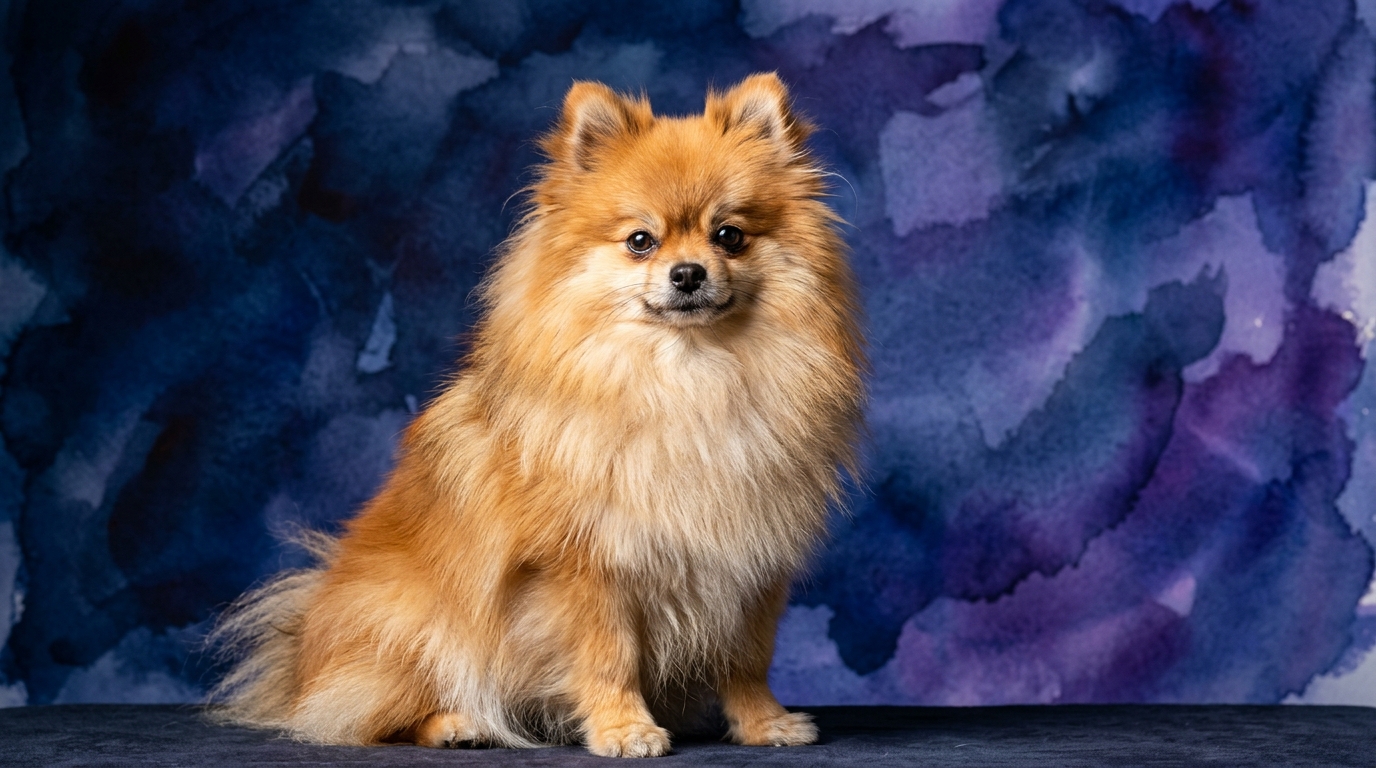
At The Cosmic Pet Pet IQ Lab, we delve into the unique cognitive blueprints of various breeds. For the Pomeranian, a Coren-ranked #23 breed, its intelligence profile paints a picture of a perceptive and adaptable companion. Their Problem Solving is rated 4/5, indicating a strong capacity to figure out challenges, often using creative strategies to achieve desired outcomes like retrieving a hidden toy or navigating complex spaces. Training Speed also scores 4/5, reflecting their efficiency in grasping new commands and routines, often requiring fewer repetitions than many other breeds. Pomeranians also exhibit a robust Social Intelligence at 4/5, demonstrating a keen understanding of human moods and social cues, allowing them to adjust their behavior to elicit specific responses or provide comfort. Their Instinctive Drive is 3/5, manifesting as a moderate intrinsic motivation for vigilance and engaging with their immediate surroundings, contributing to their alert nature. Finally, their Memory is 4/5, enabling them to retain learned behaviors, specific locations, and past interactions with clarity over long periods.
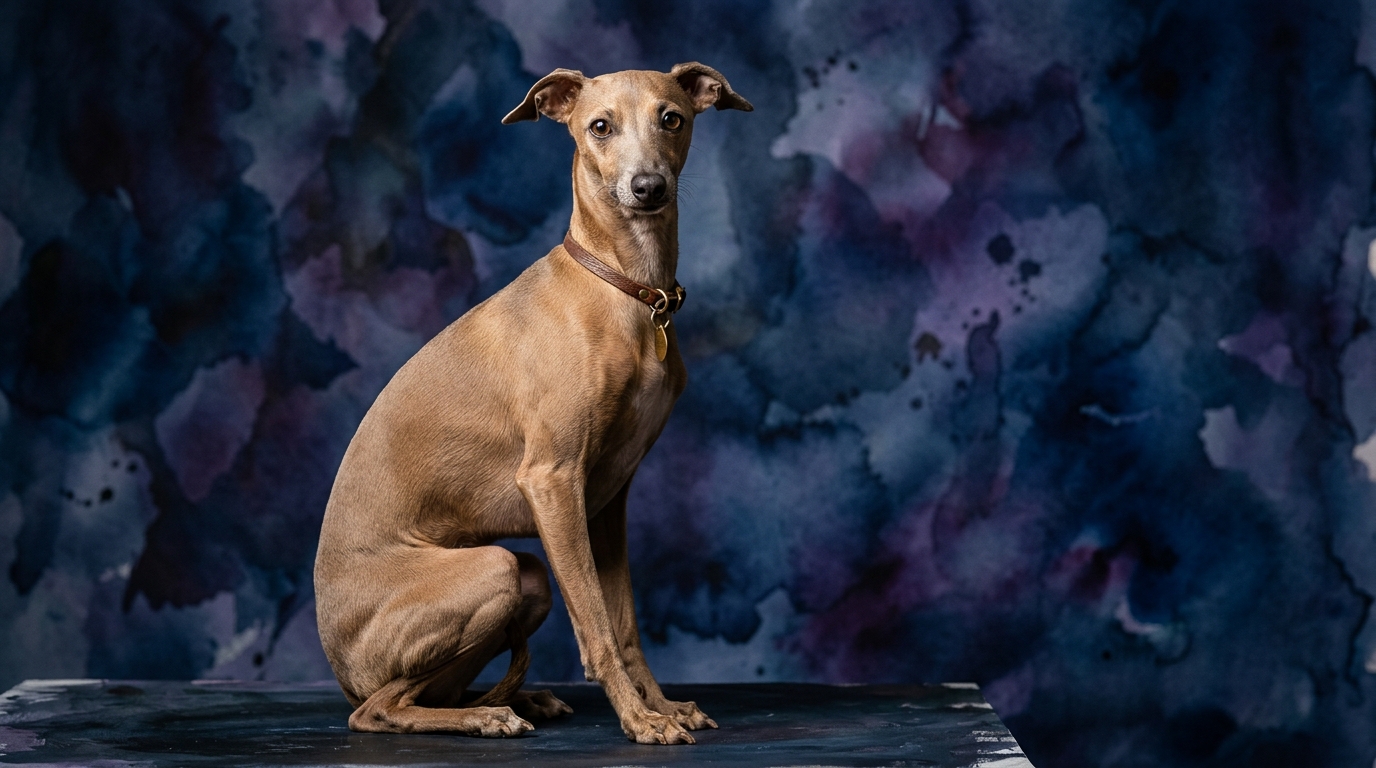
The Italian Greyhound, while not Coren-ranked, presents a distinct cognitive makeup. Their Problem Solving is 3/5, suggesting a more straightforward, often physical approach to challenges rather than intricate planning. They learn through direct experience but may not always seek alternative solutions if an initial attempt fails. Training Speed is also 3/5; while capable of learning, they may require more consistent repetition and patience during training sessions, with their focus sometimes being more fleeting. Their Social Intelligence is 3/5; Iggies form deep, affectionate bonds and understand their primary caregivers' emotions but might be less inclined to interpret subtle cues from strangers or adapt to rapidly changing social dynamics. Instinctive Drive, like the Pomeranian, is 3/5, but for the Italian Greyhound, it’s primarily rooted in their sighthound heritage, manifesting as a moderate chase drive for small, fast-moving objects. Their Memory is 3/5, indicating a functional recall for routines and familiar commands, though complex sequences or less frequently practiced behaviors might not be as sharp or immediate as breeds with higher scores.
Where the Pomeranian Shines Cognitively
The Pomeranian's cognitive strengths distinctly outpace the Italian Greyhound in several key areas. With a Problem Solving score of 4/5, Poms often display a more intricate and adaptive approach to novel challenges. They are more likely to experiment with different strategies to achieve a goal, such as manipulating objects to get what they want or figuring out how to navigate complex household environments to reach a desired spot. This contrasts with the Italian Greyhound’s generally more direct, less exploratory problem-solving style, which relies more on learned associations than on creative solutions.
Furthermore, the Pomeranian's Training Speed (4/5) indicates a quicker uptake of new commands and an ability to generalize learned behaviors to different contexts more readily. Their higher Social Intelligence (4/5) also means they are often more attuned to human emotional states and subtle social cues, making them adept at understanding and responding to nuanced changes in their environment and human companions. This perceptive nature allows them to anticipate needs and reactions, fostering a highly interactive and responsive bond. Their superior Memory (4/5) ensures that these learned skills and social observations are retained with greater clarity and for longer durations, contributing to a more consistent and predictable behavioral repertoire across various situations.
Italian Greyhound's Unique Cognitive Strengths
While the Pomeranian generally scores higher across several cognitive metrics, the Italian Greyhound possesses a unique cognitive profile that aligns with its sighthound heritage and inherent personality. Their Instinctive Drive (3/5), though numerically equal to the Pomeranian's, manifests differently; it's often directed towards the thrill of the chase, even if in a domestic setting, which hones a specific type of environmental awareness and quick reaction time. This drive, combined with their physical agility, means they excel in activities that leverage their speed and visual tracking, even if it doesn't translate to complex puzzle-solving. Their cognitive strengths are less about abstract problem-solving and more about an acute awareness of their physical environment in relation to movement.
An Italian Greyhound's contentment often stems from a secure, predictable environment and close physical contact, indicating a cognitive prioritization of comfort and safety. Their 'problem-solving' might manifest as finding the warmest sunbeam, the softest blanket, or the most comfortable lap, a different kind of intelligence focused on optimizing their immediate physical and emotional well-being rather than abstract tasks. They are masters of comfort-seeking and can be very persistent in achieving this goal, demonstrating a specific, focused form of practical intelligence related to their needs for warmth, security, and companionship. This unwavering focus on comfort and connection is a distinct cognitive strength, driving their behavior in a profound way.
Training Dynamics: Patience vs. Precision
When considering ease of training, the Pomeranian generally presents a more straightforward path. Their Training Speed of 4/5, coupled with a Problem Solving score of 4/5 and strong Memory (4/5), means they typically pick up new commands and routines swiftly and reliably. Pomeranians often enjoy the mental stimulation of training and are eager to please, responding well to positive reinforcement and consistency. For example, teaching a Pomeranian a complex trick like 'play dead' might involve fewer repetitions and a quicker grasp of the sequence due to their better memory and problem-solving aptitude in linking actions to rewards. Their capacity to generalize learned behaviors also means they can perform commands reliably in various environments, from the living room to a bustling park.
The Italian Greyhound, with scores of 3/5 across these dimensions, requires a more patient and nuanced approach. While intelligent, their training speed can be slower, and their focus may be more easily distracted by environmental stimuli or their inherent desire for comfort. For instance, house-training an Italian Greyhound might demand more vigilance and consistency over a longer period, as they might not generalize the concept of 'only outside' as quickly or consistently as a Pomeranian. Their sighthound nature means they are often more independently minded, and while affectionate, they might not always prioritize pleasing their owner over following their own instincts or seeking comfort. Therefore, training an Italian Greyhound benefits from short, engaging sessions, high-value rewards, and an understanding of their sensitive nature, avoiding harsh methods which can cause them to shut down and become resistant to learning.
Matching Breeds to Lifestyles: Active Explorers vs. Cozy Companions
The Pomeranian, with its higher scores in problem-solving, social intelligence, and memory, often thrives with owners who enjoy engaging in mentally stimulating activities. These dogs are well-suited for active owners who appreciate regular training sessions, puzzle toys, and perhaps even dog sports like agility or obedience, where their quick learning and adaptable nature can be fully utilized. Their robust social intelligence makes them excellent companions for owners who enjoy taking them to various social settings, as they are generally perceptive and adjust well to new people and environments. They are curious explorers, eager to investigate their surroundings and learn new things, making them ideal for individuals who want a companion for varied daily adventures, both mental and physical, and who can provide consistent intellectual engagement.
The Italian Greyhound, while possessing a moderate instinctive drive for chasing, often leans towards a more relaxed lifestyle focused on comfort and close companionship. They are ideal for owners who appreciate a devoted, affectionate presence and are content with shorter bursts of activity followed by extended periods of lounging. Their strong desire for warmth and soft places means they are perfect for owners who enjoy snuggling on the couch and providing a cozy home environment with ample blankets and sunny spots. While they do enjoy a good sprint in a secure area, their overall cognitive profile doesn't demand constant mental challenges in the same way a Pomeranian might. They are best suited for individuals who prioritize a calm, loving bond and are understanding of a breed that values comfort and predictability above all else, making them perfect for relaxed, home-centric lifestyles.
The Verdict
Choose a Pomeranian if you're seeking a highly interactive, quick-learning companion eager for mental challenges and social engagement, thriving on varied activities and consistent training.
Opt for an Italian Greyhound if you desire a deeply affectionate, comfort-loving companion who thrives in a relaxed, predictable environment and enjoys close physical contact and bursts of outdoor play.
🧠 Find Your Pet's IQ Score
Our Pet IQ Lab assessment covers 25+ tests across 5 cognitive dimensions — personalized to your breed.
Take the Full IQ Test →Frequently Asked Questions
Are Pomeranians easy to train for tricks?
Yes, Pomeranians generally excel at learning tricks due to their high problem-solving ability and training speed. They enjoy the mental engagement and often pick up new behaviors with enthusiasm and fewer repetitions.
Do Italian Greyhounds have a strong prey drive?
Italian Greyhounds possess a moderate instinctive drive, rooted in their sighthound heritage, which can manifest as a strong prey drive for small, fast-moving objects. Secure outdoor areas are essential for their safety during off-leash play.
Which breed is better with strangers?
Pomeranians, with their higher social intelligence, are generally more adaptable and perceptive with strangers, often adjusting their behavior to new interactions. Italian Greyhounds can be more reserved or timid with unfamiliar people, preferring to observe from a distance before warming up.