Side-by-Side IQ Profile: Pomeranian vs. Miniature American Shepherd
The Cosmic Pet Pet IQ Lab assesses canine intelligence across five key dimensions, offering a specific lens into how different breeds process the world. Here's how the Pomeranian and Miniature American Shepherd measure up.
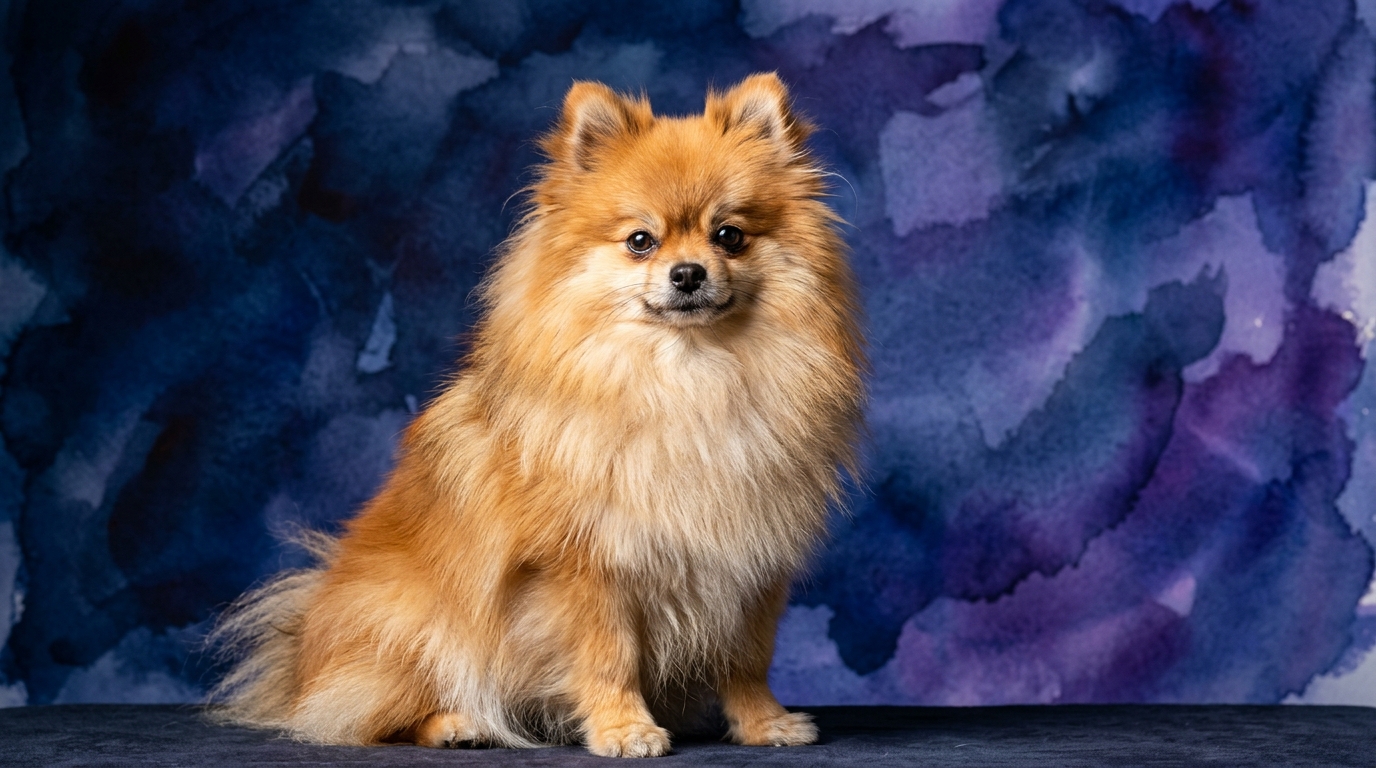
**Pomeranian (Toy Group)**: This breed holds a Coren rank of #23 among 138 breeds, placing them in the top quartile for working and obedience intelligence, suggesting a notable capacity for understanding and executing commands. Their Problem Solving score is 4/5, indicating a quick grasp of cause-and-effect, often figuring out how to manipulate objects for desired outcomes or navigating environments efficiently. Training Speed is also 4/5, meaning they form associations rapidly and pick up new commands with fewer repetitions than many other breeds. With a Social Intelligence of 4/5, these dogs are adept at reading human emotions and intentions, often adjusting their behavior to elicit specific responses or provide comfort. Their Instinctive Drive is 3/5; while they possess innate behaviors typical of companion breeds, their drives are generally not geared towards complex working tasks. Finally, their Memory is 4/5, allowing them to retain learned information, commands, people, and routines effectively over extended periods.
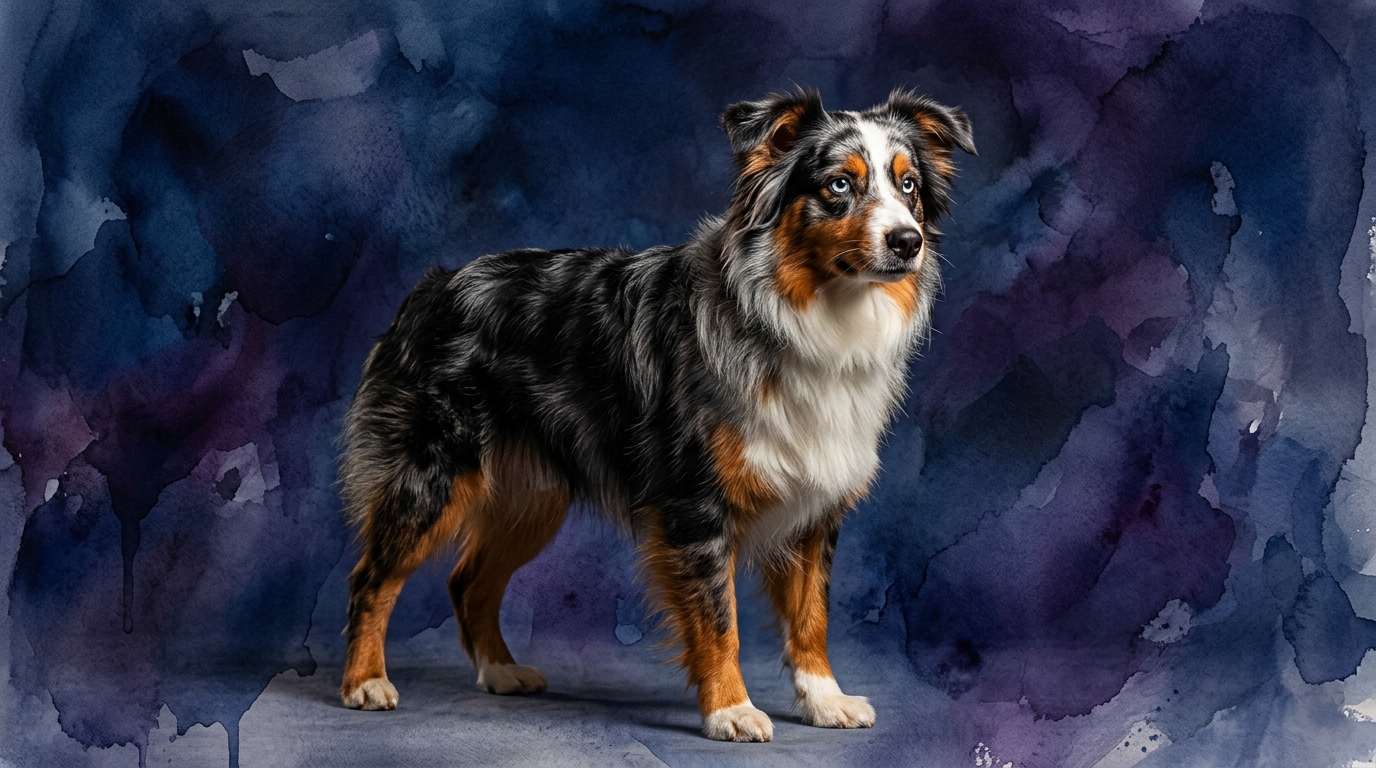
**Miniature American Shepherd (Herding Group)**: This breed is not Coren-ranked, which doesn't imply a lack of intelligence, but rather that they were not part of the specific obedience trials Coren used for his ranking system, and their intelligence is often expressed differently. Their Problem Solving score is 3/5, meaning Miniature American Shepherds can tackle challenges, though they might require more structured guidance to arrive at solutions compared to some breeds. Training Speed is 3/5; they are certainly trainable, but typically need consistent reinforcement and a thoughtful approach to master new skills, taking a moderate number of repetitions. Their Social Intelligence is 3/5; these dogs understand social cues within their pack and human family, demonstrating loyalty and an ability to respond to handler direction. The Instinctive Drive is 3/5, rooted in their herding heritage, giving them a distinct drive to gather and control, often expressed in interactions with family members or other pets. Their Memory is also 3/5, allowing them to remember commands and routines well, especially those tied to daily tasks or training.
Where the Pomeranian Wins Cognitively
The Pomeranian's cognitive strengths truly shine in areas demanding rapid learning, nuanced social interaction, and adaptable problem-solving. With a 4/5 score in Training Speed, they often master new tricks and commands at an impressive pace, picking up complex sequences quicker than many larger breeds. Their 4/5 in Social Intelligence means they are exceptionally attuned to human emotional states, making them superb at comforting owners or subtly manipulating situations, like soliciting an extra treat. This breed's 4/5 Problem Solving capability means they're adept at figuring out how to open cabinets, retrieve hidden toys, or navigate intricate puzzle feeders, often with a mischievous flair. Furthermore, their superior Memory score of 4/5 ensures that once a lesson is learned or a routine established, it sticks, making consistent behavior easier to maintain. This combination of quick wit, emotional perceptiveness, and lasting recall makes the Pomeranian a formidable mental competitor in a companion role.
Where the Miniature American Shepherd's Cognitive Strengths Shine
While the Miniature American Shepherd's scores might appear numerically lower, their cognitive profile represents a different, equally valuable kind of intelligence, deeply rooted in their working heritage. Their 3/5 Instinctive Drive, in particular, is a focused strength, translating into a persistent desire for purpose and activity. This isn't just about general energy; it's a drive to engage in tasks, whether herding, agility, or complex obedience, providing a powerful internal motivator for sustained effort. Their 3/5 in Problem Solving, combined with this drive, means they excel at practical, real-world tasks requiring endurance and methodical thinking, such as navigating an agility course or learning a multi-step routine. While their Social Intelligence is 3/5, it's often expressed as profound loyalty and attentiveness to their primary handler, making them highly responsive to directed commands in a working context. Their memory, also 3/5, is strong enough to reliably retain intricate sequences and commands essential for their working roles, allowing them to execute complex behaviors consistently.
Which is Easier to Train and Why
When considering ease of training, the Pomeranian generally presents a smoother path for most owners, primarily due to their higher scores in Training Speed (4/5) and Memory (4/5). Poms quickly form associations between commands and actions, often requiring fewer repetitions to solidify a behavior. Their keen social intelligence also means they are highly motivated by human praise and attention, making positive reinforcement exceptionally effective. For instance, a Pomeranian is likely to grasp 'sit' after just a few sessions, remembering it reliably for weeks. In contrast, the Miniature American Shepherd, with 3/5 in both Training Speed and Memory, requires a more consistent and patient approach. While capable learners, they typically need more repetitions and a clearer structure to embed new commands. Their herding drive can sometimes manifest as independent thinking or a strong desire to 'manage' their environment, which an inexperienced trainer might perceive as stubbornness. However, for an owner who understands their working dog mentality and provides engaging, task-oriented training, the Miniature American Shepherd's persistence can lead to a deeply ingrained and reliable skill set, albeit achieved at a different pace.
Which Suits Active Owners vs. Relaxed Owners
The choice between these two breeds depends significantly on an owner's lifestyle and their capacity to meet a dog's cognitive and physical needs. For the more relaxed owner who enjoys mental engagement without intense physical demands, the Pomeranian is often an ideal match. Their robust problem-solving skills and social intelligence thrive on puzzle toys, interactive games, and being an integral, observant part of family life. While they enjoy walks, their physical exercise requirements are moderate, allowing owners to focus more on mental stimulation within a home environment. Conversely, the Miniature American Shepherd is unequivocally suited for active owners. Their inherent 3/5 instinctive drive, combined with their moderate problem-solving and training speed, means they excel when given a job to do, whether participating in agility, obedience, herding trials, or long, engaging hikes. A relaxed owner might find a Miniature American Shepherd becomes bored, potentially leading to undesirable behaviors as they seek outlets for their unfulfilled working intelligence. For these dogs, mental and physical activity are intertwined, demanding an owner who can consistently provide both.
The Verdict
The Pomeranian offers a nimble, socially perceptive companion with rapid learning and enduring recall, making them excellent for interactive home life and quick trick training.
The Miniature American Shepherd, while requiring more consistent training, offers a dedicated, task-oriented partner whose intelligence excels in structured activities and physical engagement, thriving with an active, purposeful owner.
🧠 Find Your Pet's IQ Score
Our Pet IQ Lab assessment covers 25+ tests across 5 cognitive dimensions — personalized to your breed.
Take the Full IQ Test →Frequently Asked Questions
Do Pomeranians bark a lot due to their intelligence?
Pomeranians often use their social intelligence and alertness (part of their instinctive drive) to communicate, which can include barking to alert owners to new sounds or visitors. This isn't necessarily a sign of higher intelligence, but rather a manifestation of their communication style and protective instincts. Consistent training, leveraging their high training speed, can help manage excessive barking.
Can a Miniature American Shepherd live in an apartment?
While Miniature American Shepherds are a compact size, their 3/5 instinctive drive and moderate energy levels mean they can adapt to apartment living if owners are committed to providing substantial daily physical exercise and mental stimulation outside the home. They need regular, vigorous activity and engagement to prevent boredom and channel their working intelligence constructively.
How do their memory scores impact daily life?
A Pomeranian's 4/5 memory means they quickly recall commands, routines, and experiences, making consistent behavior easier to maintain and simplifying daily interactions. A Miniature American Shepherd's 3/5 memory is still very functional, allowing them to reliably remember training and tasks, especially those that are part of their regular routine or working activities, though it might require more reinforcement initially.