
Side-by-Side Cognitive Profiles: The Pet IQ Lab Breakdown
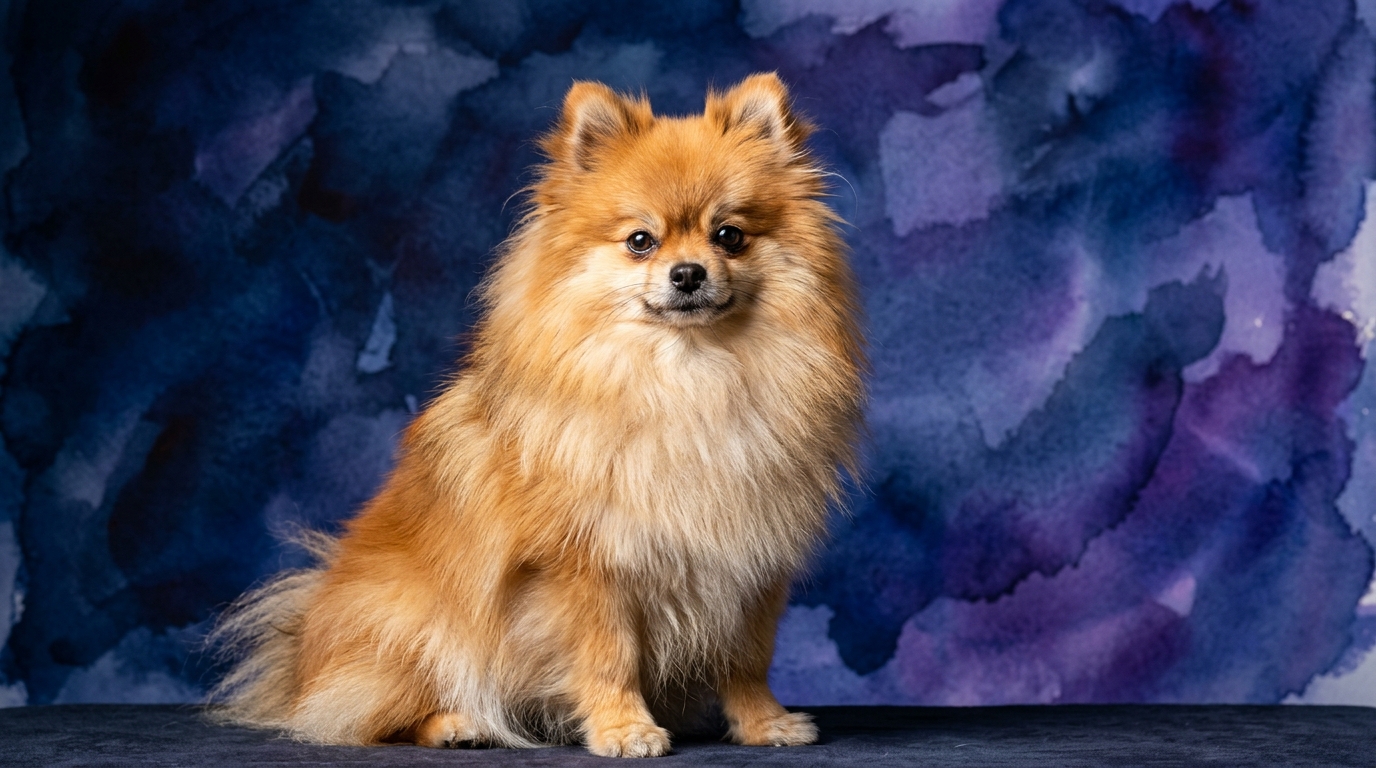
The Cosmic Pet Pet IQ Lab employs a multi-faceted approach to evaluate canine intelligence, moving beyond simple obedience to encompass various cognitive dimensions. For the Pomeranian, classified in the Toy group and holding a respectable Coren rank of #23, we observe a robust mental agility. Their problem-solving ability scores 4 out of 5, indicating a strong capacity to navigate novel challenges and figure things out independently. Training speed is also impressive at 4 out of 5, suggesting they grasp new commands and routines with efficiency. Social intelligence, crucial for interactions with humans and other animals, stands at a solid 4 out of 5. Their instinctive drive is measured at 3 out of 5, reflecting a moderate inclination towards innate breed-specific behaviors, while memory is strong at 4 out of 5, allowing them to retain learned information effectively.
In contrast, the Saint Bernard, a member of the Working group with a Coren rank of #65, presents a different cognitive landscape, shaped by their historical role as mountain rescuers. Their problem-solving ability is rated 3 out of 5, indicating a practical, task-oriented approach rather than complex abstract reasoning. Training speed is a more measured 2 out of 5, suggesting a need for patience and consistent repetition during learning. However, their social intelligence matches the Pomeranian at 4 out of 5, highlighting their empathetic and companionable nature. Where the Saint Bernard truly distinguishes itself is in instinctive drive, scoring an exceptional 5 out of 5, a testament to their powerful innate urges for protection, rescue, and companionship. Memory for this breed scores 3 out of 5, indicating a functional capacity for recall, though perhaps not as sharp as their smaller counterpart.
Where the Pomeranian Shines Cognitively
The Pomeranian's cognitive strengths are evident across several key dimensions, positioning them as a remarkably quick-witted companion. Their superior problem-solving score of 4/5, compared to the Saint Bernard's 3/5, means they are often adept at navigating household puzzles, figuring out how to open cabinets, or strategizing to get a favorite toy from a tight spot. This mental nimbleness contributes significantly to their Coren ranking of #23, placing them among breeds that excel in adaptive intelligence and independent thought.
Furthermore, the Pomeranian's training speed, also rated 4/5, indicates a breed eager and able to absorb new information rapidly. This translates into quicker mastery of commands and tricks, often requiring fewer repetitions than dogs with lower scores. Coupled with their 4/5 memory score, they not only learn quickly but also retain that knowledge over time, making them excellent candidates for advanced obedience or engaging in dog sports that demand precision and recall, such as agility or rally. Their cognitive profile suggests a dog that thrives on consistent mental engagement and challenges.
Saint Bernard's Distinct Cognitive Advantages
While the Saint Bernard may not exhibit the same rapid learning curve as the Pomeranian, their cognitive profile is profoundly shaped by an unparalleled instinctive drive, scoring a perfect 5 out of 5. This isn't merely a preference; it's an ingrained, powerful impulse to fulfill their historical working roles, manifest in their protective nature, their gentle patience with children, and their deep-seated desire for purposeful interaction. This drive translates into an exceptional capacity for tasks requiring endurance, loyalty, and a natural affinity for caregiving or guarding, even if the initial training takes more time.
Their social intelligence, matching the Pomeranian at 4 out of 5, underscores their reputation as gentle giants. This high social acumen means Saint Bernards are deeply attuned to human emotions and social cues, fostering strong, empathetic bonds with their families. While their problem-solving and memory scores are moderate, their robust instinctive drive and social sensitivity allow them to excel in roles where intuition, steadfastness, and a strong, calm presence are paramount, such as therapy work or search and rescue in specific contexts where their size and strength are assets.
Training Dynamics: Patience vs. Precision
When considering trainability, the Pomeranian's higher scores in training speed (4/5) and problem-solving (4/5) suggest a more straightforward and often faster training experience. They tend to pick up commands quickly, enjoy the mental stimulation of learning, and are often motivated by praise and treats. This breed typically responds well to positive reinforcement methods and can be molded into a highly obedient companion with consistent, engaging sessions. Their smaller stature also means that managing their energy and focus during training can be less physically demanding.
The Saint Bernard, with a training speed of 2/5, generally requires a more patient and persistent approach. Their learning curve is slower, meaning more repetitions and a longer duration for new commands to become ingrained. However, this doesn't imply a lack of ability, but rather a different processing style. Their immense instinctive drive (5/5) can be harnessed effectively; once they understand the 'why' behind a task, especially if it aligns with their natural inclination to please or protect, they can perform with unwavering dedication. Training a Saint Bernard often involves leveraging their desire for companionship and purpose, making consistency and clear communication vital to overcoming their slower initial acquisition rate. Their large size also means early and effective training is crucial for managing their physical presence safely.
Lifestyle Match: Active Engagement vs. Calm Companionship
For owners seeking an active, mentally stimulating companion, the Pomeranian's cognitive profile makes them an excellent fit. Their high scores in problem-solving, training speed, and memory mean they thrive on mental challenges, puzzle toys, and learning new tricks. While physically small, their energetic nature and quick minds require consistent engagement to prevent boredom. They are well-suited for owners who enjoy regular, varied training sessions, participation in dog sports like agility or rally, and who can provide ample opportunities for exploration and interaction, ensuring their sharp intellect remains stimulated.
The Saint Bernard, while possessing a profound social intelligence and incredible instinctive drive, generally aligns with owners seeking a more relaxed, yet deeply purposeful, companionship. Their lower training speed and moderate problem-solving scores suggest they are not typically seeking constant mental acrobatics but rather appreciate a steady routine and clear expectations. They are ideal for individuals or families who can provide a calm, stable environment, appreciate their gentle nature, and can accommodate their substantial physical presence. Owners who value a loyal, protective, and affectionate companion, and are prepared for the physical demands of a large breed, will find the Saint Bernard a rewarding presence, even if their 'activity' often involves serene companionship or a leisurely stroll rather than intense, intricate training sessions.
The Verdict
Choose a Pomeranian if you desire a quick-witted, highly trainable companion eager for mental challenges and capable of mastering complex commands with relative ease.
Opt for a Saint Bernard if you seek a deeply loyal, instinctively driven guardian with a gentle temperament, valuing steadfast companionship and a strong, calm presence over rapid learning.
🧠 Find Your Pet's IQ Score
Our Pet IQ Lab assessment covers 25+ tests across 5 cognitive dimensions — personalized to your breed.
Take the Full IQ Test →Frequently Asked Questions
Do Pomeranians need a lot of mental stimulation?
Yes, with their high scores in problem-solving and memory, Pomeranians benefit significantly from regular mental challenges like puzzle toys, learning new tricks, and consistent training. This engagement helps prevent boredom and channel their sharp intellect constructively.
Is a Saint Bernard difficult to train?
While Saint Bernards have a slower training speed, they are not inherently difficult to train, but require patience, consistency, and positive reinforcement. Their strong instinctive drive means they respond well when tasks align with their natural tendencies for protection or companionship, making early socialization and foundational obedience crucial.
Which breed is better for first-time dog owners?
Both breeds can be suitable, but their needs differ. A Pomeranian's quicker learning curve can be rewarding for a first-timer who enjoys consistent, positive training. A Saint Bernard requires a first-timer to be prepared for the significant physical presence and slower training pace of a large breed, prioritizing early and consistent socialization and foundational obedience.