Side-by-Side Cognitive Profile: Pomeranian vs. Toy Fox Terrier
The Cosmic Pet Pet IQ Lab employs a five-dimensional framework to assess canine intelligence, offering a nuanced perspective beyond simple obedience. Let's examine how the Pomeranian and Toy Fox Terrier measure up in each area.
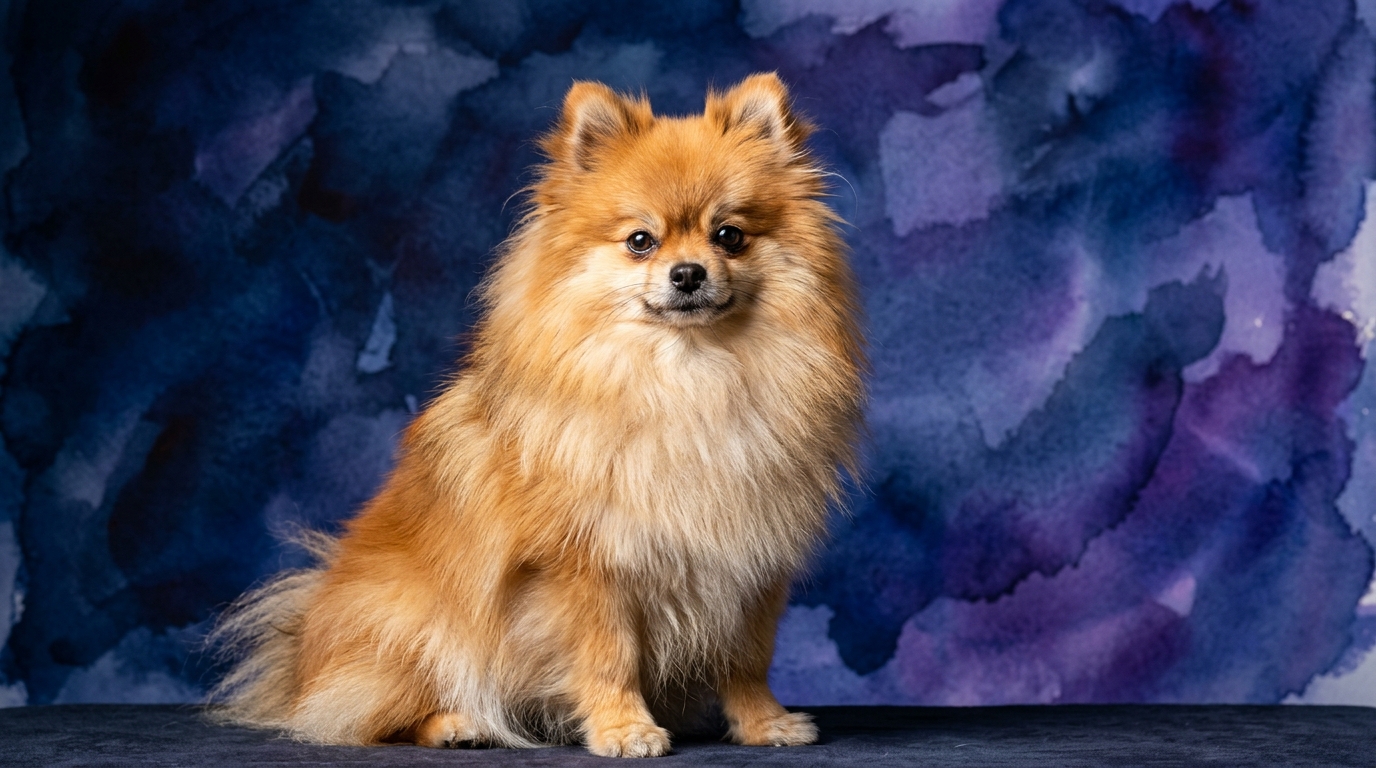
**Pomeranian (Coren rank #23):** Problem Solving (4/5): Pomeranians demonstrate a notable capacity for independent thought and strategic action, adept at navigating obstacles or figuring out how to access desired items. Training Speed (4/5): These small Spitz-type dogs typically absorb new commands and routines with impressive alacrity, often requiring fewer repetitions to grasp concepts. Social Intelligence (4/5): Pomeranians exhibit a refined understanding of human cues and social dynamics, highly attuned to their owners' moods and capable of adapting their behavior to social contexts. Instinctive Drive (3/5): While primarily companion animals, Pomeranians retain a moderate level of instinctive behaviors, which might manifest as alertness or a curious exploration drive. Memory (4/5): With a strong memory score, Pomeranians reliably recall learned behaviors, specific people, and past experiences, contributing significantly to their training responsiveness.
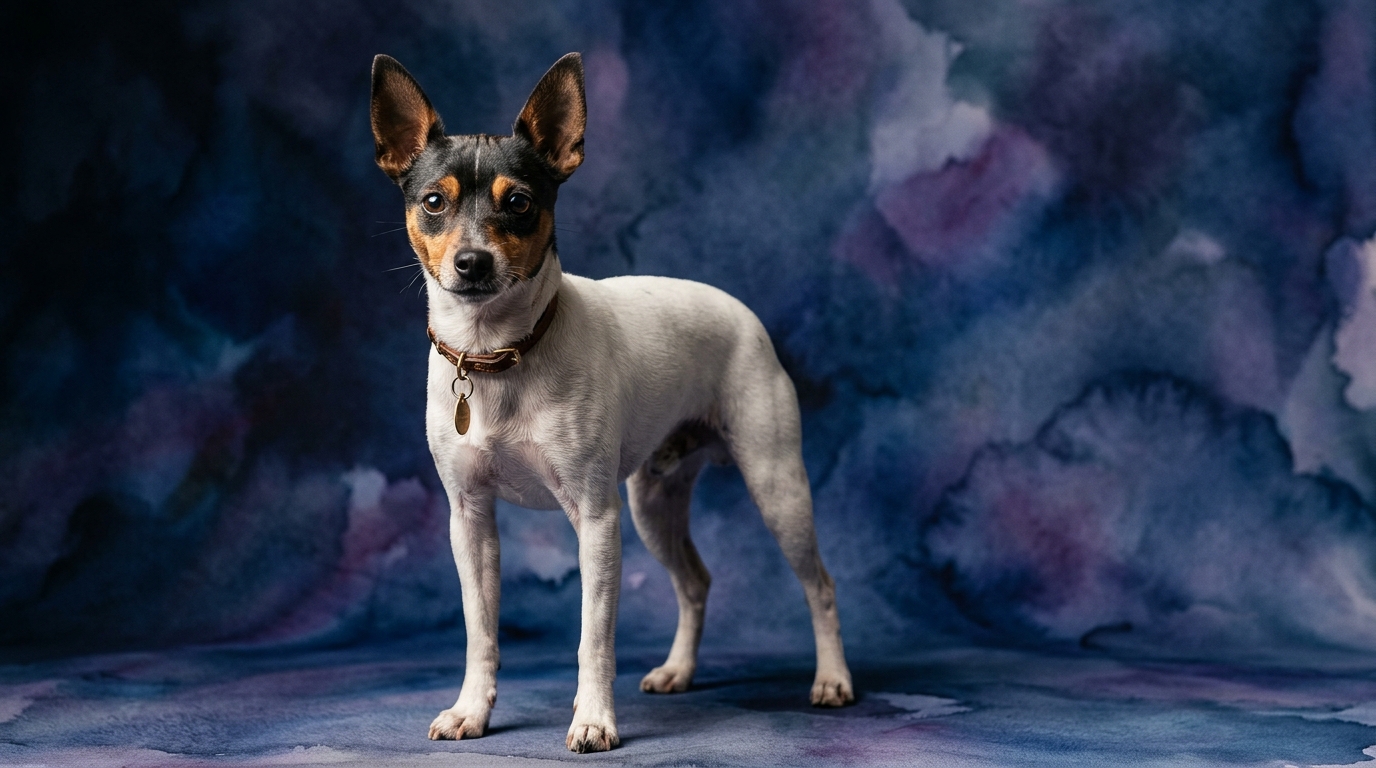
**Toy Fox Terrier (Not Coren-ranked):** Problem Solving (3/5): Toy Fox Terriers are capable of resolving straightforward challenges and learning from experience, yet they may require more structured guidance for complex, multi-step problems. Training Speed (3/5): These spirited terriers learn at a steady and consistent pace, generally cooperative and retaining information well with regular, clear reinforcement. Social Intelligence (3/5): Toy Fox Terriers possess a solid understanding of basic social cues and interactions, typically affectionate with their families but might display a more independent streak. Instinctive Drive (3/5): Reflecting their terrier lineage, Toy Fox Terriers exhibit a moderate instinctive drive, often expressed as alertness, a readiness to chase small moving objects, or a propensity for digging. Memory (3/5): Toy Fox Terriers demonstrate good recall for established routines, familiar commands, and recognized individuals, reliable for day-to-day interactions and learned behaviors.
Where the Pomeranian Wins Cognitively
The Pomeranian's cognitive profile shows distinct advantages in areas requiring quick learning, complex understanding, and social attunement. Their Problem Solving score of 4/5 means they are often more adept at independently figuring out novel situations, such as manipulating a puzzle feeder or devising a strategy to reach a coveted toy. Coupled with their 4/5 in Memory, once a Pomeranian has learned a solution or a command, they are likely to retain it efficiently, requiring fewer refreshers. Furthermore, their superior Social Intelligence (4/5) allows them to pick up on subtle human cues and emotional states more readily, fostering a deeply responsive and empathetic bond often described as almost telepathic. This nuanced social understanding can make them exceptionally attuned companions, capable of adapting their behavior to suit various social settings with grace.
Where the Toy Fox Terrier Wins Cognitively
While the Toy Fox Terrier's scores are consistently at 3/5, this uniformity across cognitive dimensions can be a unique strength, offering a balanced and predictable mental disposition. Their 3/5 Instinctive Drive, deeply rooted in their terrier heritage, translates into a focused determination when engaged in activities that tap into their natural inclinations. For instance, in dog sports like agility or flyball, this drive, though moderate, can be channeled into tenacious pursuit and completion of tasks, allowing them to excel with consistent training and motivation. Unlike breeds with extremely high problem-solving or social intelligence, a Toy Fox Terrier's cognitive profile suggests they might be less prone to overthinking or becoming overly sensitive to subtle environmental changes. This can result in a dog that is resilient and less likely to develop anxiety from complex social pressures, preferring straightforward interactions and clear expectations. Their balanced cognitive approach means they are generally straightforward to understand and engage with, provided their needs for purposeful activity are met.
Which is Easier to Train and Why
Based on their respective IQ profiles, the Pomeranian generally presents as the easier breed to train. Their 4/5 scores in Training Speed, Problem Solving, and Memory mean they grasp new concepts quickly, retain them efficiently, and can apply learned behaviors to new contexts with relative ease. A Pomeranian will often pick up basic commands like "sit" or "stay" in just a few sessions, and they are eager to engage in more advanced trick training or obedience work due to their quick comprehension and strong recall. Their high social intelligence further aids training, as they are often keen to please their human companions and highly responsive to praise and positive reinforcement. Conversely, the Toy Fox Terrier, with consistent 3/5 scores across these dimensions, will require a more patient and persistent approach to training. While certainly trainable, they might need more repetitions to solidify new commands and may not generalize learned behaviors as rapidly. Their independence, a facet often seen in terrier breeds, suggests they respond best to clear, firm, and consistent instruction rather than relying on subtle cues or a strong desire to appease. Owners of Toy Fox Terriers should be prepared for a steady, incremental training journey, emphasizing consistency over speed.
Which Suits Active Owners vs. Relaxed Owners
The choice between a Pomeranian and a Toy Fox Terrier also hinges on an owner's lifestyle and their capacity for mental and physical engagement. For active owners who enjoy structured activities and mental challenges, the Pomeranian's higher Problem Solving and Training Speed make them an excellent fit. These owners would thrive teaching complex tricks, engaging in canine sports like rally obedience or freestyle, or even participating in scent work, where the Pomeranian's quick mind and strong memory can shine. While small, their mental energy requires consistent stimulation to prevent boredom. For owners seeking a companion that requires a more direct and physically oriented form of engagement, the Toy Fox Terrier's balanced cognitive profile and terrier instincts make them suitable. These dogs often excel in activities like agility, flyball, or long, brisk walks where their moderate instinctive drive can be channeled. They suit owners who appreciate consistent, purposeful activity without necessarily seeking a dog that constantly demands complex mental puzzles.
For relaxed owners, the distinction becomes more nuanced. A relaxed owner still needs to provide mental enrichment for either breed. A Pomeranian, despite its size, will still require regular mental stimulation to prevent boredom, which could manifest as excessive barking or destructive behaviors if unmet. A relaxed owner of a Pomeranian might find success with daily short training sessions or puzzle toys. A Toy Fox Terrier might be a good fit for a relaxed owner who nonetheless commits to daily walks and interactive play that satisfies their moderate physical and instinctive needs. Their comparatively lower social intelligence might mean they are content with periods of independent activity, though they still cherish companionship and require consistent interaction to thrive.
The Verdict
If you delight in a highly interactive, mentally agile companion eager to learn new tricks, engage in complex problem-solving, and form a deeply empathetic bond through nuanced social understanding, the Pomeranian is likely your ideal match.
For those who appreciate a spirited, independent companion with a balanced cognitive profile, thriving on consistent, clear training and purposeful physical activity without demanding constant complex mental challenges, the Toy Fox Terrier presents a wonderful choice.
🧠 Find Your Pet's IQ Score
Our Pet IQ Lab assessment covers 25+ tests across 5 cognitive dimensions — personalized to your breed.
Take the Full IQ Test →Frequently Asked Questions
Are Pomeranians difficult to train?
Not at all; with a training speed of 4/5, Pomeranians are quite responsive and quick to learn new commands and routines. Their strong memory and social intelligence make them eager to please and retain lessons efficiently.
Do Toy Fox Terriers need a lot of exercise?
Toy Fox Terriers have a moderate instinctive drive (3/5) rooted in their terrier heritage, meaning they do require regular, purposeful exercise to prevent boredom. Daily brisk walks, interactive play, and opportunities to channel their natural drive are important for their well-being.
Which breed is better for first-time dog owners?
For first-time owners, the Pomeranian's higher training speed and social intelligence might make the initial training process feel more rewarding and quicker. However, a Toy Fox Terrier can also be a good choice for first-timers who are committed to consistent, clear training and providing adequate physical outlets for their moderate drive.