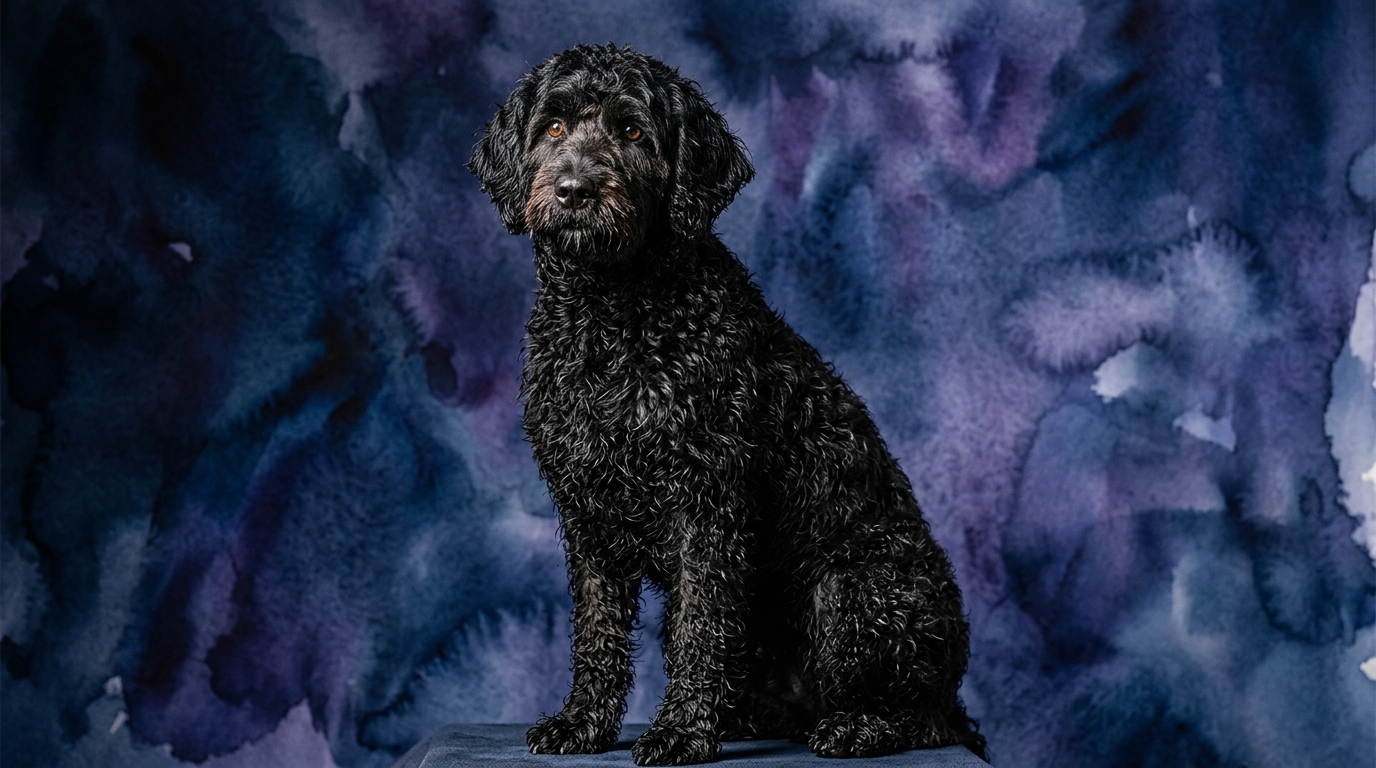
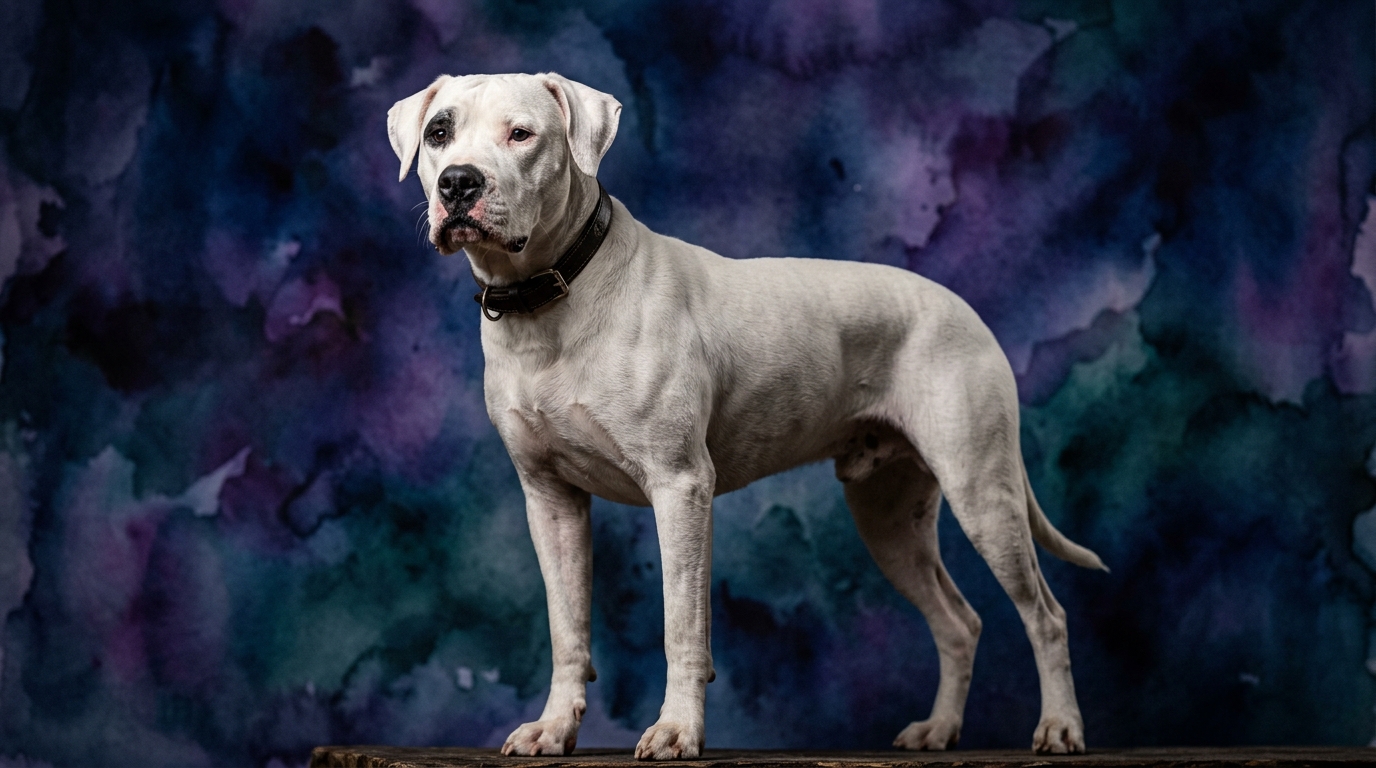
Side-by-Side IQ Profile: Identical Scores, Distinct Expressions
**Problem Solving (3/5):** Portuguese Water Dogs, historically aquatic assistants, demonstrate their 3/5 problem-solving through adaptive navigation and task completion in dynamic water environments. They were expected to retrieve lost nets, herd fish, and carry messages between vessels, requiring them to assess changing currents, identify targets, and execute multi-step solutions independently. Their cognitive approach leans towards practical, environmental challenges and cooperative solutions alongside their human partners. Dogo Argentinos apply their identical 3/5 problem-solving capacity to the strategic demands of big-game hunting. Their historical task involved tracking, cornering, and holding formidable prey in varied terrain. This requires independent decision-making under high pressure, assessing an animal's movements, and coordinating with a hunting pack, often without direct human commands in the heat of the chase. Their problem-solving is characterized by initiative and determination in pursuit and containment.
**Training Speed (3/5):** The Portuguese Water Dog's 3/5 training speed is often perceived as eager responsiveness. Their history of close collaboration with fishermen fostered a temperament that quickly grasps commands and complex sequences, especially when positive reinforcement and engaging methods are employed. They typically show a willingness to please that facilitates a steady learning curve. Dogo Argentinos also possess a 3/5 training speed, indicating they are capable learners, but their powerful drive and independent nature mean training requires consistent, clear, and firm leadership. They learn efficiently when they respect their handler and understand the value or necessity of a command within their perceived 'pack' structure, often requiring more repetition to solidify behaviors against strong instincts.
**Social Intelligence (3/5):** For the Portuguese Water Dog, a 3/5 social intelligence manifests as a strong ability to interpret human cues and integrate seamlessly into a family unit, often forming deep, empathetic bonds. Their historical role demanded understanding subtle signals from fishermen in noisy, open environments, fostering a perceptive nature geared towards cooperative interaction. Dogo Argentinos display their 3/5 social intelligence through a keen awareness of pack dynamics and a strong sense of loyalty to their human family. Bred to work in coordinated packs and protect their territory, they are adept at reading social hierarchies and identifying potential threats, often expressing their intelligence through protective behaviors and a clear understanding of their place within the family structure.
**Instinctive Drive (3/5):** The Portuguese Water Dog's 3/5 instinctive drive is primarily focused on retrieving, swimming, and a gentle herding instinct for fish. This drive is typically channeled into playful activities, water sports, and interactive games, making them highly motivated for tasks involving their mouths and paws. Their instincts are generally cooperative and aim to engage with their human companions. The Dogo Argentino's 3/5 instinctive drive is profoundly expressed through a powerful prey drive, tracking ability, and protective instincts. This drive is intense and purposeful, geared towards pursuit, confrontation, and guarding. It requires careful management and appropriate outlets to ensure it is channeled constructively, reflecting their heritage as big-game hunters.
**Memory (3/5):** Portuguese Water Dogs exhibit their 3/5 memory by retaining complex sequences of tasks, remembering specific commands, and recalling the location of retrieved items over time. Their ability to learn and hold onto routines and learned behaviors was essential for their varied working duties, allowing them to perform reliably day after day. Dogo Argentinos demonstrate their 3/5 memory through their capacity to recall scent trails, hunting strategies, and the boundaries of their territory. They also retain lessons regarding appropriate behavior and boundaries, especially concerning their perceived 'pack' and home environment, making them consistent once a rule or command is firmly established.
Where the Portuguese Water Dog Wins Cognitively
Despite identical IQ scores, the Portuguese Water Dog often excels in areas requiring nuanced collaborative problem-solving and adaptable learning in diverse companion settings. Their historical role demanded proactive engagement with humans, leading to a cognitive style that readily anticipates human needs and seeks cooperative solutions. This translates into a dog that often seems to 'think with' their owner, rather than purely independently.
Their cognitive strengths are particularly evident in their capacity for varied activities like agility, obedience, and dock diving, where they quickly interpret and execute complex commands. The PWD's instinctive drive is more easily redirected and integrated into a wide range of human-centric hobbies, allowing for greater cognitive flexibility in learning new, non-traditional tasks. Their social intelligence also manifests as a slightly higher biddability, making them highly receptive to continuous learning and skill acquisition throughout their lives.
Where the Dogo Argentino Wins Cognitively
The Dogo Argentino's cognitive strengths lie in independent problem-solving under pressure and strategic thinking in pursuit and protection scenarios. Their background as big-game hunters fostered a mind that can make swift, critical decisions in challenging, dynamic environments without constant human direction. This translates into a dog capable of assessing complex situations and acting decisively.
Their memory is particularly strong for territorial boundaries and threat assessment, making them highly effective guardians. While their training speed is equal, the Dogo's cognitive process often involves a deeper evaluation of the command's purpose and the handler's leadership. Once they commit to a task or a rule, their powerful instinctive drive ensures unwavering focus and determination, making them formidable in roles requiring steadfastness and courage.
Which is Easier to Train and Why
Considering their identical training speed scores, the Portuguese Water Dog is generally perceived as easier to train for the average owner due to behavioral differences rooted in their history. Their inherent desire to work cooperatively with humans, combined with a lower prey drive compared to the Dogo, makes them more responsive to positive reinforcement and less prone to independent decision-making that conflicts with commands. Their 'biddability' or willingness to please is a significant factor, leading to quicker and more consistent command execution.
The Dogo Argentino, while capable of learning quickly, presents a greater training challenge due to their formidable instinctive drive and independent nature. Their strong will and protective instincts require an experienced handler who can establish clear, consistent leadership from an early age. Training a Dogo demands rigorous socialization and ongoing mental stimulation to channel their powerful drives appropriately, ensuring their learned behaviors are reliably executed even when instincts are strong.
Which Suits Active vs. Relaxed Owners
Neither the Portuguese Water Dog nor the Dogo Argentino is suitable for truly relaxed owners, as both are working breeds requiring substantial engagement. However, their activity needs differ in nature. The Portuguese Water Dog thrives with active owners who enjoy varied, interactive pursuits like swimming, dock diving, agility, long hikes, and engaging puzzle games. They need consistent mental stimulation through learning new tricks and tasks, often preferring collaborative activities.
The Dogo Argentino requires intensely active owners who can provide vigorous daily exercise, such as long runs, structured scent work, or demanding outdoor adventures. Their activity needs are often more physical and purposeful, requiring clear boundaries and a 'job' to do, even if it's guarding the home. Without sufficient physical and mental outlets, a Dogo Argentino is more likely to develop destructive behaviors due to their powerful, unchanneled drives.
The Verdict
Choose the Portuguese Water Dog if you seek a highly engaged, cooperative companion for diverse activities, especially water sports, and appreciate a dog that integrates deeply into family life and responds eagerly to direction.
Choose the Dogo Argentino if you are an experienced owner prepared for consistent, firm leadership, desiring a powerful, protective companion for active outdoor pursuits, and can dedicate significant time to training and socialization to channel their formidable instincts.
🧠 Find Your Pet's IQ Score
Our Pet IQ Lab assessment covers 25+ tests across 5 cognitive dimensions — personalized to your breed.
Take the Full IQ Test →Frequently Asked Questions
Are Portuguese Water Dogs good family dogs?
Yes, Portuguese Water Dogs often form strong bonds with their families, are playful, and generally do well with children, provided they receive sufficient exercise and mental engagement. Their social intelligence helps them integrate well into a family structure and enjoy being part of daily activities.
What kind of exercise does a Dogo Argentino need?
Dogo Argentinos require substantial, vigorous exercise daily, such as long runs, intense play sessions, or structured work like scent tracking or protection training. This helps manage their powerful physique and high instinctive drive, preventing boredom and potential behavioral issues.
Can a Dogo Argentino live with other pets?
While possible with early and thorough socialization, a Dogo Argentino's strong prey drive and protective nature mean introducing them to other pets, especially smaller ones, requires careful management and supervision. Consistent training and understanding of their instincts are crucial for multi-pet households.