Side-by-Side IQ Profile: Unpacking the 3/5 Scores
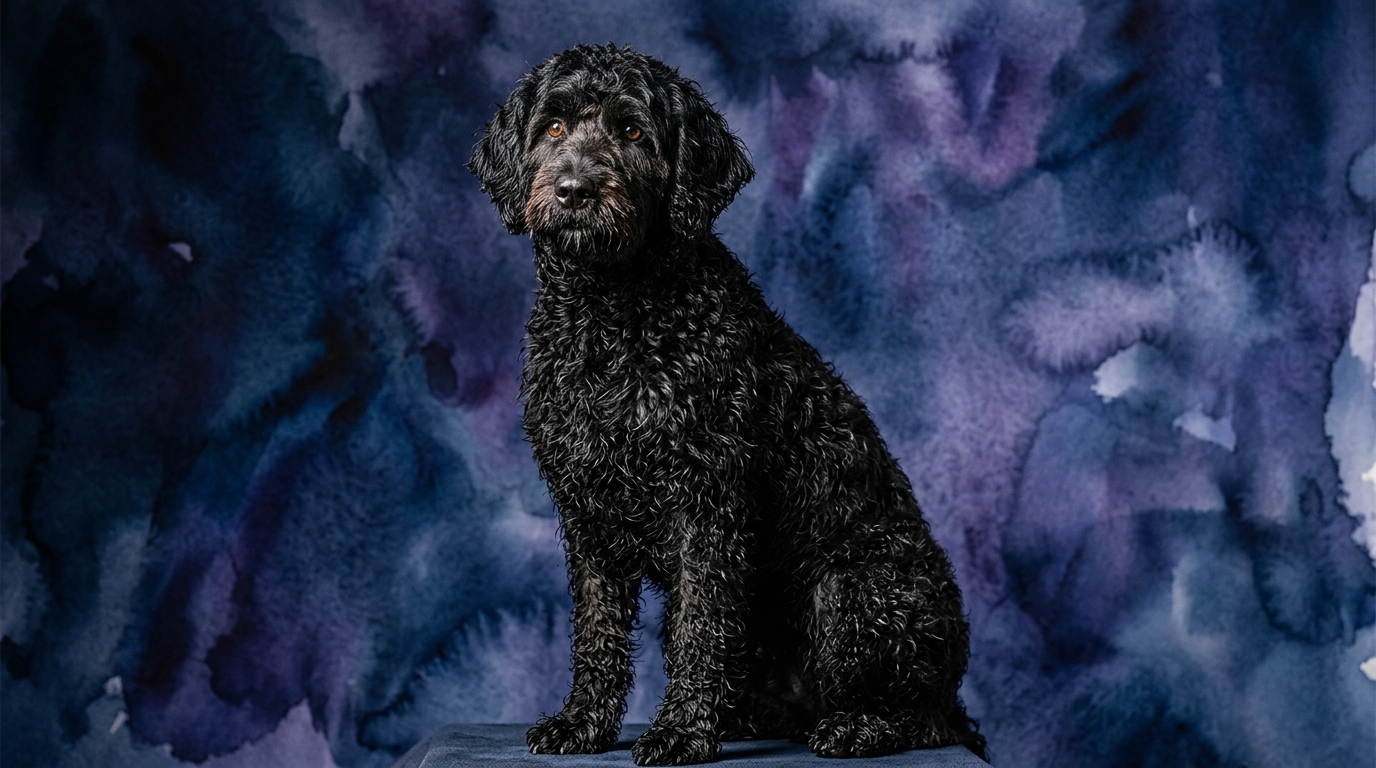
While both the Portuguese Water Dog (PWD) and the Irish Red and White Setter (IRWS) register a balanced 3/5 across all five Cosmic Pet Pet IQ Lab dimensions—Problem Solving, Training Speed, Social Intelligence, Instinctive Drive, and Memory—the application and manifestation of these scores diverge significantly due to their distinct breed histories. For the PWD, a working dog, their cognitive strengths are often tethered to utility and task completion, reflecting centuries of collaboration with human fishermen. They are adept at understanding multi-step commands and manipulating objects to achieve a goal, such as retrieving gear or fish from water, showcasing a practical problem-solving approach.
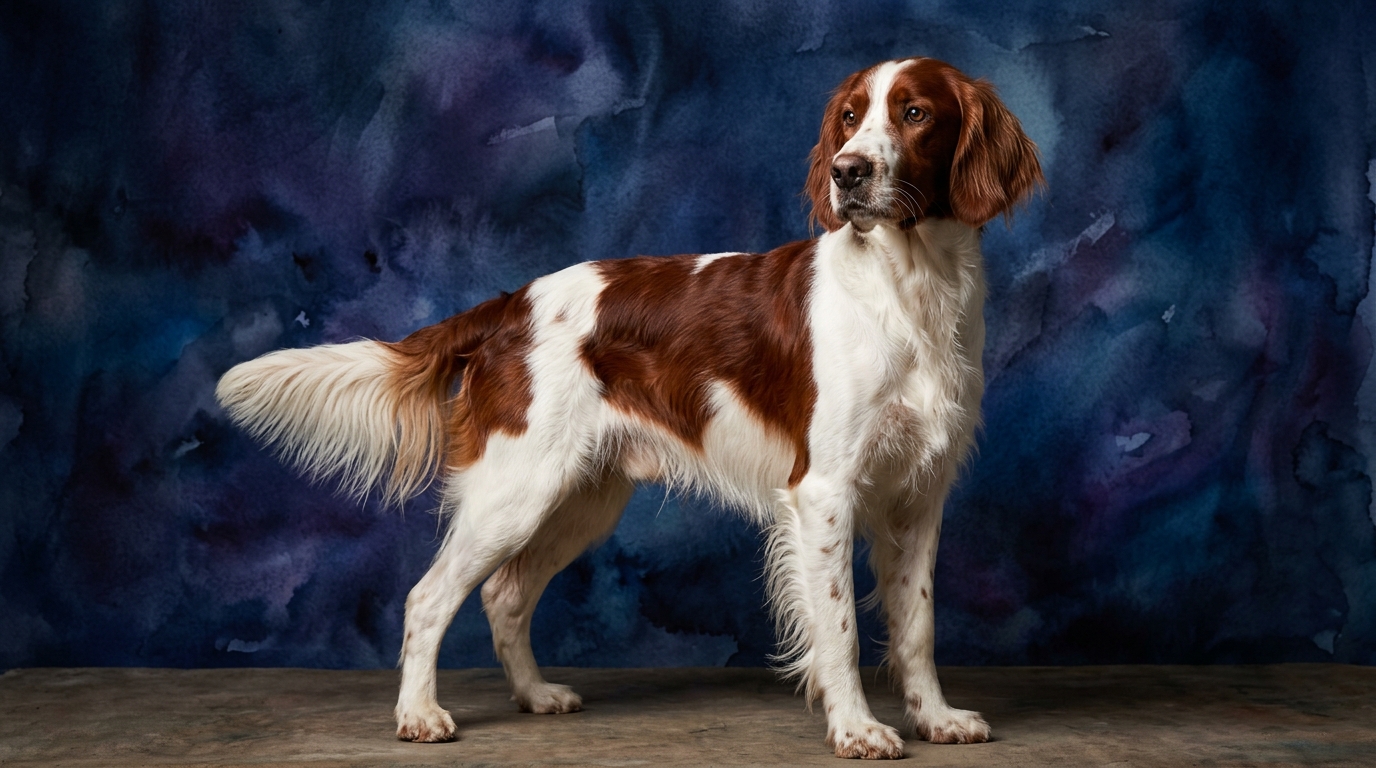
Conversely, the IRWS, a sporting dog, channels its 3/5 scores through the lens of its hunting heritage. Their problem-solving prowess is evident in navigating varied terrain, deciphering complex scent trails, and strategizing how to locate and 'set' game birds. Training speed in both breeds means they grasp new concepts readily; however, the PWD tends to be highly handler-focused, thriving on clear directions, while the IRWS, though eager, can be more influenced by environmental stimuli, particularly scent. Social intelligence for the PWD often translates to strong family bonds and an intuitive understanding of their handler's cues, sometimes accompanied by a reserved demeanor towards strangers. The IRWS typically displays a more universally friendly and cooperative nature, essential for working harmoniously in a hunting party and integrating smoothly into diverse social settings. Their instinctive drives are equally strong but differently expressed: the PWD's drive is for retrieving, swimming, and guarding, while the IRWS's is for pointing, setting, and retrieving game with immense stamina. Both breeds exhibit a solid 3/5 memory, retaining learned behaviors and routines effectively, but the PWD's memory often applies to complex sequences and daily tasks, while the IRWS's excels in recalling field locations and scent patterns.
Where the Portuguese Water Dog Wins Cognitively
The Portuguese Water Dog's cognitive strengths shine particularly in contexts demanding precise, sequential task execution and adaptable problem-solving within a defined framework. Their working background fostered an ability to learn and retain complex routines, often involving multiple steps and different environments, such as assisting fishermen with nets or ferrying messages between boats. This translates to an impressive capacity for mastering advanced obedience, agility courses with intricate patterns, or even service dog tasks that require a methodical approach.
Furthermore, their problem-solving, while scored 3/5, often manifests as a deliberate, thoughtful process when faced with novel challenges, especially those involving physical manipulation or retrieval from water. They can assess a situation, such as how to retrieve a toy stuck under furniture or a floating object far from shore, and devise a strategy. This breed also demonstrates a nuanced social intelligence geared towards understanding and anticipating their primary handler's needs and moods, making them highly attuned partners in a structured environment. Their memory for specific commands and their application in various scenarios is robust, allowing for consistent performance once a task is learned.
Where the Irish Red and White Setter Wins Cognitively
The Irish Red and White Setter, with its sporting heritage, excels in a different cognitive arena, particularly in tasks requiring independent judgment, keen sensory processing, and sustained focus amidst dynamic environmental stimuli. Their 3/5 problem-solving is exceptionally applied to navigating vast, open spaces, deciphering subtle scent cues, and making quick decisions in the field without constant human direction. This breed's ability to 'read' the land and air for game, adjusting their strategy on the fly, is a profound cognitive advantage born from centuries of selective breeding for hunting prowess.
Their instinctive drive, also rated 3/5, is a powerful engine for their cognitive functions, motivating them to sustained effort and exploration. This drive is intrinsically linked to their memory and social intelligence; they remember where game was found, how scent patterns change with wind, and cooperate seamlessly with a hunter, often anticipating movements and intentions through subtle cues. The IRWS's social intelligence, while friendly and outgoing, is particularly strong in cooperative ventures, where they must work in tandem with humans and sometimes other dogs, demonstrating an innate understanding of roles and boundaries within a 'pack' or hunting team, even if that team is loosely formed on a day's hunt. Their memory for spatial information and scent profiles is a standout trait, allowing them to effectively 'map' their environment.
Which is Easier to Train and Why
While both breeds score a 3/5 in Training Speed, the 'easier to train' label depends heavily on the training context and the owner's approach. The Portuguese Water Dog often appears more straightforward in traditional obedience settings because of their strong desire to please their primary handler and their task-oriented mindset. They thrive on clear, consistent instructions and positive reinforcement, quickly connecting actions to rewards. Their handler focus means they are generally less distracted by external stimuli, making them highly receptive to structured lessons and complex command sequences.
The Irish Red and White Setter, despite its equal training speed score, presents a different training dynamic. Their immense energy and powerful instinctive drive, particularly for scent work, mean they can be more easily distracted in environments rich with interesting smells or movement. Training an IRWS often requires more creativity, incorporating games and activities that channel their natural hunting instincts into desired behaviors. While they learn quickly, their enthusiasm and independent nature mean consistency, patience, and engaging, reward-based methods are paramount to keep them focused. They are not less capable learners, but their motivations and distractions differ, requiring an owner to understand and work with their innate breed characteristics rather than against them.
Active Owners vs. Relaxed Owners: A Lifestyle Match
When considering an owner's lifestyle, the cognitive needs and energy levels of these two breeds present distinct matches. The Portuguese Water Dog is an excellent fit for active owners who enjoy engaging their dog in structured activities, learning new tricks, or participating in dog sports like agility, obedience, or dock diving. Their cognitive satisfaction comes from having a 'job' to do, and their physical stamina requires regular, vigorous exercise that ideally includes swimming or mentally stimulating tasks. A PWD with insufficient mental and physical engagement can become bored and potentially destructive, requiring an owner who is ready to invest time in their ongoing training and enrichment.
The Irish Red and White Setter also thrives with active owners, but their activity preferences lean towards expansive, outdoor adventures. They are ideal for individuals or families who enjoy long hikes, trail running, or field work. Their cognitive fulfillment comes from exploring, scenting, and having the freedom to move over large areas. While they can be calm indoors after sufficient exercise, their daily requirement for vigorous physical activity and mental stimulation, often involving their natural hunting instincts, is substantial. A more relaxed owner might struggle to meet the physical and mental demands of an IRWS, potentially leading to a restless or frustrated companion. Both breeds require dedicated engagement, but the PWD thrives on task-oriented partnership, while the IRWS flourishes with freedom to roam and fulfill its sporting drive.
The Verdict
Choose the Portuguese Water Dog if you seek a highly engaged, task-oriented canine partner who thrives on structured learning and water-based activities, offering a devoted presence in a busy, active household.
Opt for the Irish Red and White Setter if you are an adventurous owner who enjoys long outdoor excursions, values a dog with independent field intelligence, and can provide ample space for them to express their natural sporting instincts.
🧠 Find Your Pet's IQ Score
Our Pet IQ Lab assessment covers 25+ tests across 5 cognitive dimensions — personalized to your breed.
Take the Full IQ Test →Frequently Asked Questions
Do Portuguese Water Dogs make good family pets?
Yes, Portuguese Water Dogs can be excellent family pets, forming strong bonds with their human 'pack.' They are generally good with children and other pets, provided they receive proper socialization and consistent training from a young age. Their energetic and playful nature makes them fun companions.
What kind of exercise does an Irish Red and White Setter need daily?
An Irish Red and White Setter requires a significant amount of daily exercise, typically an hour or more of vigorous activity. This should ideally include off-leash running in a safe, open area, long walks, or activities that engage their natural hunting instincts, such as retrieving or scent games. Mental stimulation is just as important as physical exertion for this breed.
Are Portuguese Water Dogs prone to any specific health issues?
Like many purebreds, Portuguese Water Dogs can be prone to certain genetic health conditions. These include hip dysplasia, progressive retinal atrophy (PRA), juvenile dilated cardiomyopathy, and storage disease. Responsible breeders screen their dogs for these conditions to help ensure healthy offspring.