Side-by-Side Cognitive Profiles
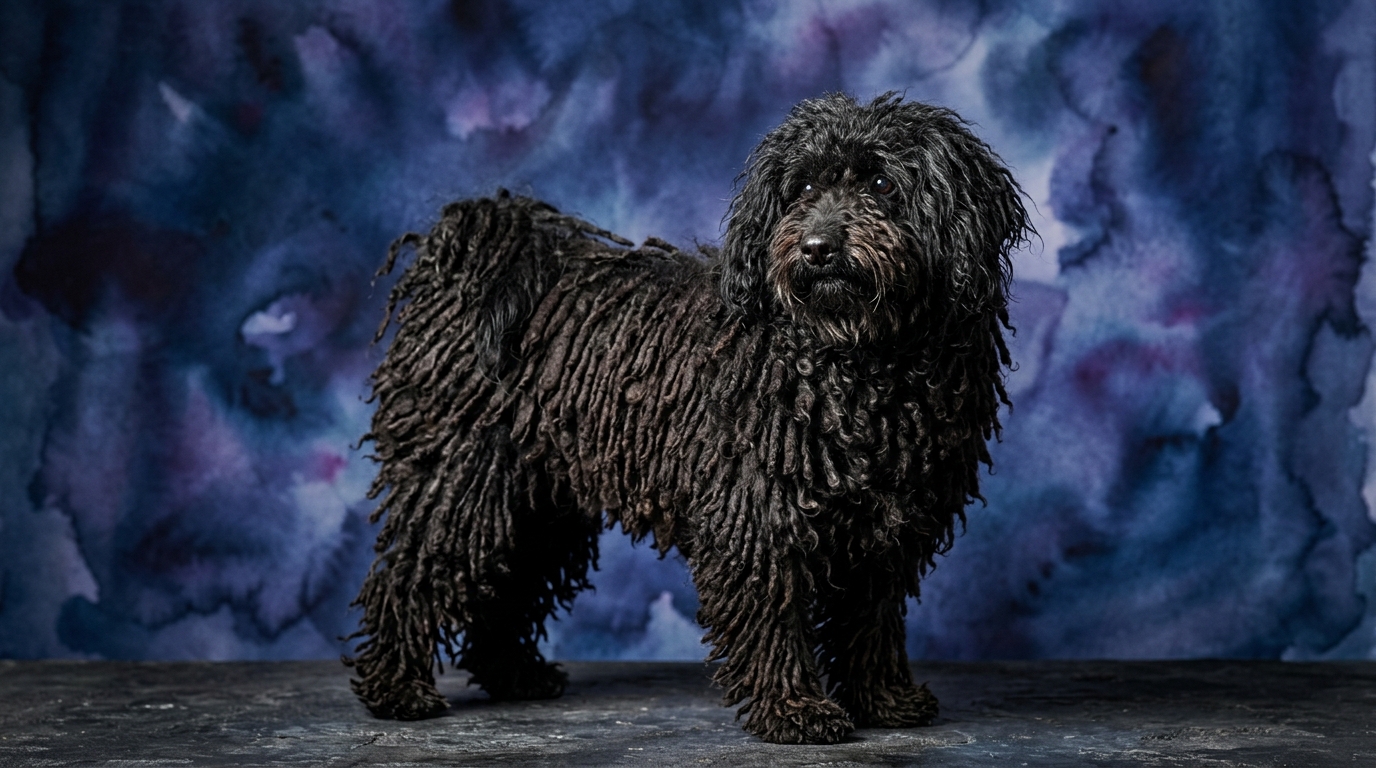
The Puli, a robust Herding breed, presents a formidable cognitive profile, reflecting its heritage of independent problem-solving and task management. Our Pet IQ Lab assessment shows the Puli with a Problem Solving score of 4/5, indicating a strong capacity for analytical thought and strategizing. This breed also excels in Training Speed (4/5) and Memory (4/5), suggesting they are quick to grasp new concepts and retain information over time. Their Social Intelligence and Instinctive Drive are both rated at 3/5, indicating a balanced understanding of human cues coupled with a manageable, yet present, working instinct.
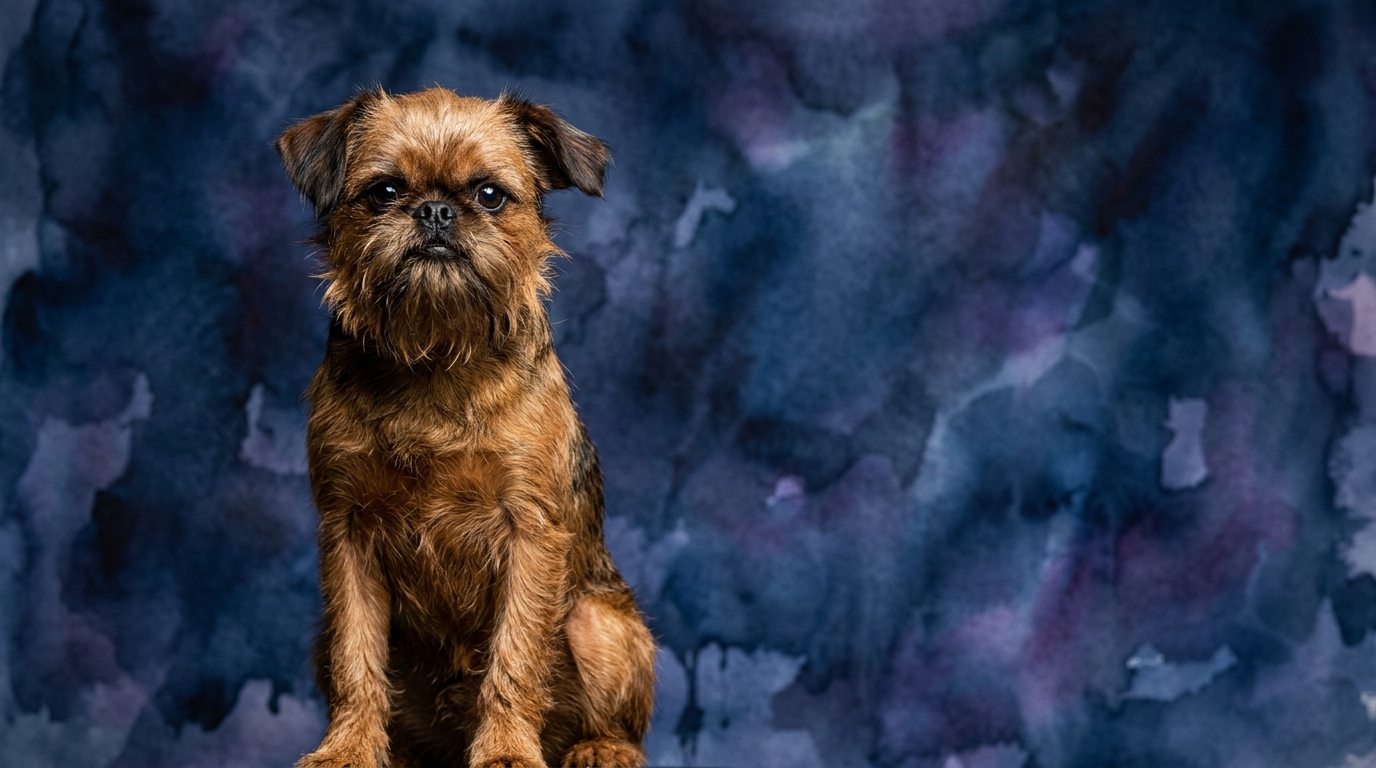
In contrast, the Brussels Griffon, a charming Toy breed, exhibits a cognitive makeup more attuned to companionship and domestic life. While not Coren-ranked, our IQ assessment places them at 3/5 across all five dimensions: Problem Solving, Training Speed, Social Intelligence, Instinctive Drive, and Memory. This indicates a consistent level of cognitive function, where they are capable learners and social interactors, but perhaps without the same intensity or complexity seen in breeds bred for demanding working roles. Their intelligence is practical, often focused on navigating their immediate environment and interacting effectively with their human family.
Where the Puli’s Cognition Shines
The Puli's superior scores in Problem Solving (4/5 vs. 3/5) and Memory (4/5 vs. 3/5) are direct reflections of its historical role. This breed possesses an intrinsic ability to assess complex situations, such as managing a flock, and devise effective solutions. This isn't just about simple obedience; it's about understanding the 'why' behind a task and adapting strategies when variables change. For instance, a Puli might intuitively find the most efficient route to retrieve an object or figure out a multi-step puzzle toy with greater speed and less trial-and-error than many other breeds.
Furthermore, the Puli’s advanced Training Speed (4/5 vs. 3/5) means they not only learn new commands quickly but also integrate them into a broader understanding of tasks. Their memory supports this, allowing them to build an extensive repertoire of learned behaviors and recall them reliably, even after long periods. This makes them exceptionally adept at advanced obedience, agility, and other dog sports where precision, sequence, and sustained focus are paramount. Owners often report Pulis anticipating commands or completing sequences with minimal prompting, showcasing their robust cognitive retention.
Cognitive Strengths of the Brussels Griffon
While the Brussels Griffon's scores are consistently 3/5, their cognitive strengths are uniquely tailored to their role as devoted companions. Their Problem Solving, though rated 3/5, often manifests in clever ways to achieve comfort or attention. A Griffon might quickly learn which specific vocalization or body language prompts a desired human response, or how to cleverly maneuver around obstacles to get to their favorite sunbeam. This isn't about herding sheep, but about mastering the art of domestic diplomacy.
Their Social Intelligence, also 3/5, is particularly adept at reading subtle human cues and integrating seamlessly into family dynamics. They may not be processing complex environmental data like a Puli, but they excel at understanding emotional states, recognizing routines, and forming deep, intuitive bonds with their owners. This capacity for nuanced social interaction makes them incredibly sensitive and responsive companions, often anticipating needs or offering comfort without explicit prompts. Their memory, while 3/5, is more than sufficient for remembering routines, favorite people, and the precise location of treat stashes.
Training Dynamics: Puli vs. Brussels Griffon
When it comes to trainability, the Puli generally presents a more direct and rewarding experience for owners seeking structured learning. Their combination of high Training Speed (4/5), Problem Solving (4/5), and a respectable Instinctive Drive (3/5) means they often view training as a stimulating activity, a job to be done. They are eager to engage with their handler and possess the mental fortitude to grasp complex sequences and abstract concepts. Owners will find Pulis respond well to consistent, engaging training methods that challenge their intellect, thriving on variety and purpose.
The Brussels Griffon, with its consistent 3/5 scores, requires a different approach. While capable of learning, their Training Speed is not as rapid, and their Problem Solving might be more self-serving. They can display a charming stubbornness, typical of many Toy breeds, meaning consistency, patience, and particularly positive reinforcement are key. Training sessions should be kept fun, short, and highly rewarding to maintain their interest. Their social intelligence (3/5) means they are sensitive to their owner's mood, so a calm, encouraging demeanor will yield far better results than harsh methods. Their 'will to please' is often intertwined with their desire for comfort and affection, making motivation through praise and gentle interaction highly effective.
Matching Breeds to Lifestyles: Active vs. Relaxed Owners
For active owners, the Puli is an ideal match. This breed demands significant physical exercise, but crucially, it also requires substantial mental engagement to truly thrive. Their Herding background means they possess an innate drive to work, organize, and solve problems. Without appropriate outlets for their high cognitive capacity and energy, Pulis can become bored and potentially destructive. Owners who enjoy dog sports like agility, herding trials, advanced obedience, or even long, challenging hikes where the dog can 'work' alongside them will find the Puli an exceptionally rewarding and eager partner. They are not content to be mere decorative companions; they seek purpose.
Conversely, the Brussels Griffon is better suited for owners with a more relaxed lifestyle. While they certainly enjoy daily walks and playtime, their physical demands are moderate, making them excellent apartment dwellers or companions for those with less active routines. Their primary need is companionship and being an integral part of the family unit. Their cognitive profile, while capable, doesn't necessitate constant mental challenges in the same way a Puli's does. A Brussels Griffon thrives on routine, comfort, and consistent, affectionate interaction, making them perfect for owners seeking a devoted, charming presence by their side, content with shared quiet moments and gentle adventures.
The Verdict
Choose the Puli if you are an active owner seeking a highly engaged canine partner for complex training, dog sports, or a working role, who thrives on mental and physical challenges.
Opt for the Brussels Griffon if you desire a devoted, charming companion who excels in close family life, requiring moderate exercise and appreciating consistent, gentle guidance.
🧠 Find Your Pet's IQ Score
Our Pet IQ Lab assessment covers 25+ tests across 5 cognitive dimensions — personalized to your breed.
Take the Full IQ Test →Frequently Asked Questions
Do Pulis need a lot of mental stimulation?
Absolutely. Their high problem-solving capacity and herding drive mean Pulis require regular mental challenges through training, puzzle toys, and varied activities to prevent boredom and maintain their cognitive health.
Are Brussels Griffons difficult to house train?
Brussels Griffons can sometimes be more challenging to house train due to their smaller bladder capacity and occasional independence. Consistent routines, frequent outdoor access, and positive reinforcement are crucial for success with this breed.
How do their instinctive drives manifest differently?
The Puli's instinctive drive often manifests as a desire to herd or organize, needing an outlet for their working heritage, while the Brussels Griffon's drive is primarily focused on companionship, seeking closeness and comfort with their human family.