Side-by-Side Cognitive Profiles
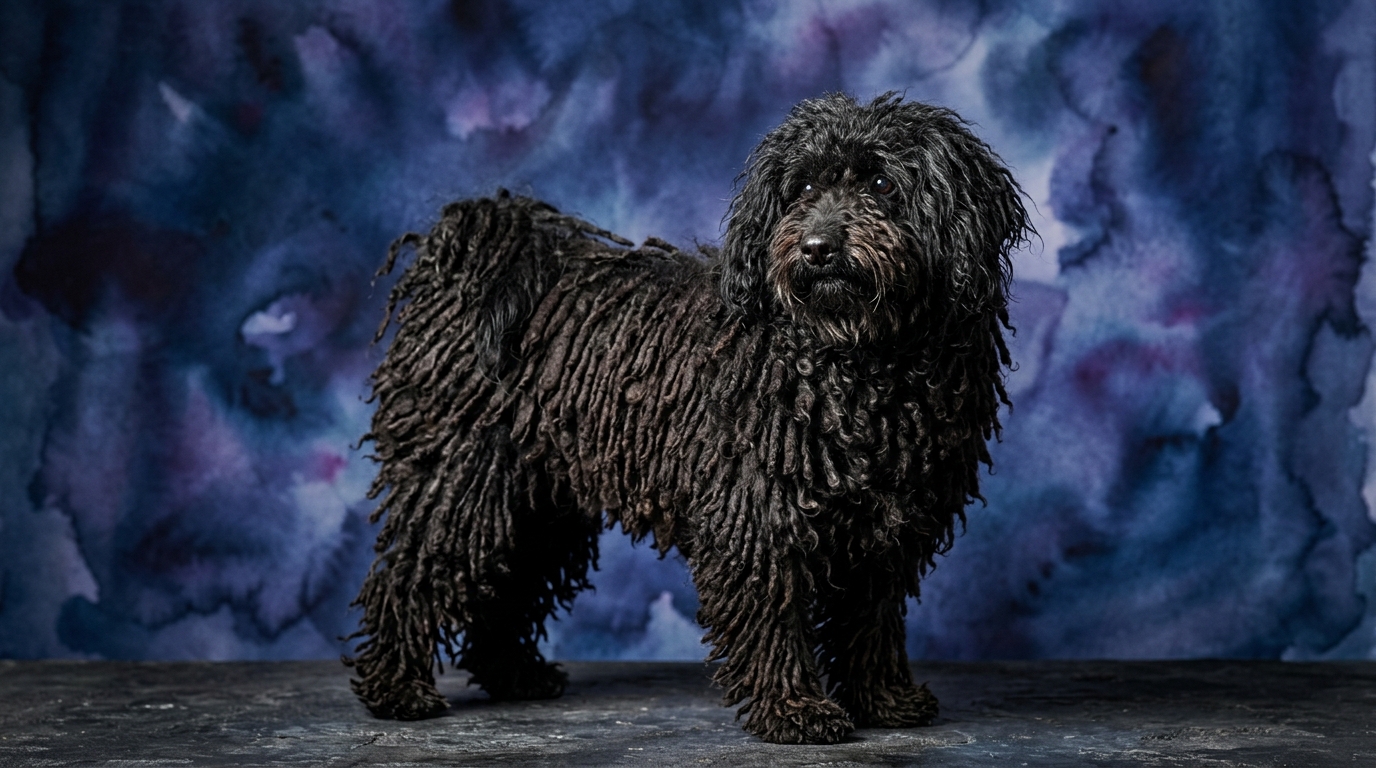
**Puli:**
**Problem Solving (4/5):** The Puli exhibits robust problem-solving capabilities, quickly assessing situations and devising agile solutions, crucial for managing complex flock movements or adapting to new tasks. Their quick mental processing allows rapid adaptation to new stimuli and changes.
**Training Speed (4/5):** This breed typically grasps new commands and behaviors with remarkable speed, often requiring fewer repetitions and responding well to consistent, positive methods. Their eagerness to engage and work alongside their human partners contributes to a swift learning curve.
**Social Intelligence (3/5):** Pulis are observant of human emotions and social cues, forming deep bonds with primary caregivers, though they can display a reserved demeanor with strangers. While capable of understanding complex social dynamics, their independent herding nature means they may not always seek constant human approval.
**Instinctive Drive (3/5):** Their innate herding drive is pronounced, manifesting as a desire to gather and control, but it is typically manageable and channeled into appropriate tasks or structured activities. This drive provides a strong foundation for engagement and purpose.
**Memory (4/5):** Pulis possess excellent memory, retaining learned commands, routines, and past experiences effectively, aiding consistent performance and ongoing behavioral development. They can recall complex sequences and adapt their behavior based on previous outcomes.
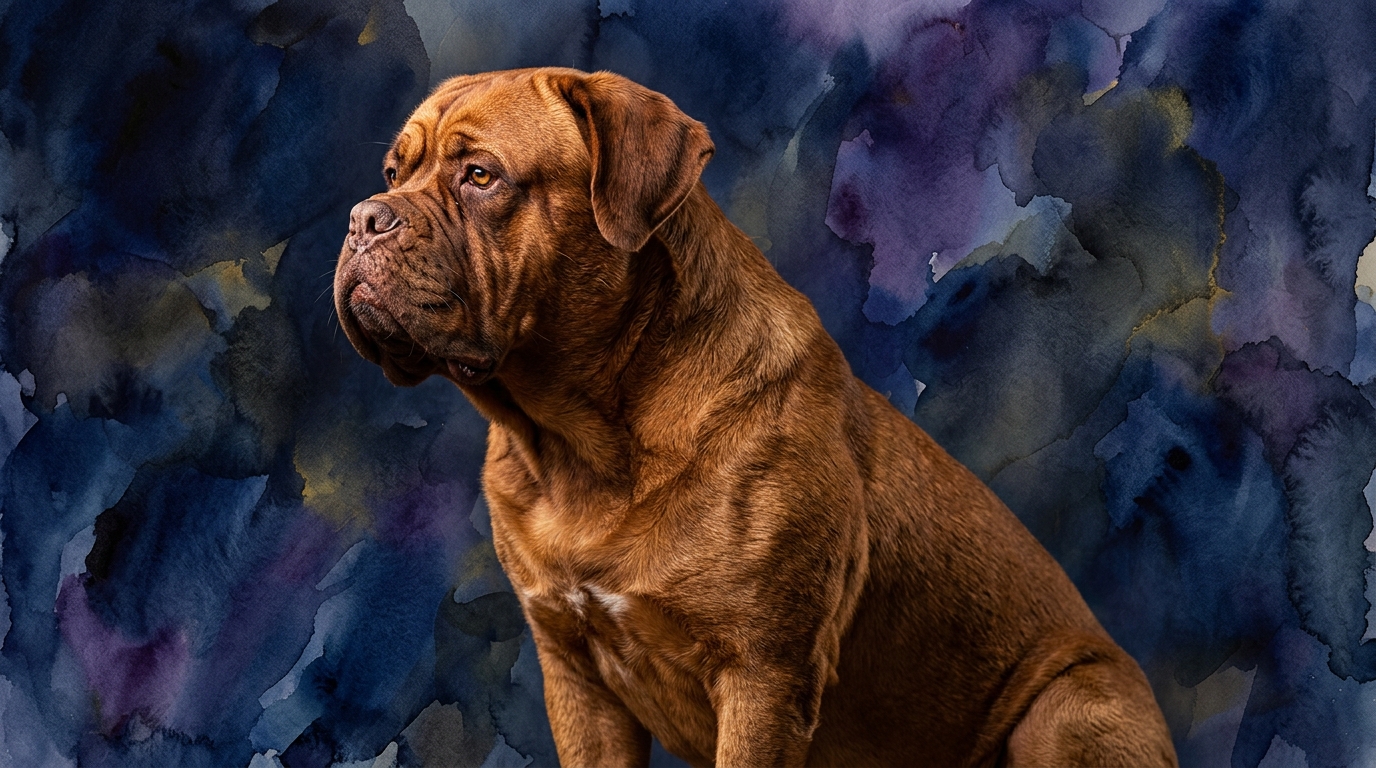
**Dogue de Bordeaux:**
**Problem Solving (3/5):** The Dogue de Bordeaux approaches problems with a more deliberate, sometimes less innovative, methodology, often preferring direct solutions over intricate strategies. Their thought process tends to be less spontaneous than breeds bred for rapid, independent action.
**Training Speed (3/5):** Learning new commands requires patience and consistent, positive reinforcement with a Dogue de Bordeaux, as they absorb information at a moderate pace. Their strong will and occasional stubbornness mean that training sessions are most effective when kept engaging and rewarding.
**Social Intelligence (3/5):** These dogs are deeply attuned to the emotional states of their family members, displaying profound loyalty and sensitivity to household dynamics, though they can be wary or aloof towards unfamiliar individuals. Their social intelligence is often expressed through protective discernment and a calm presence.
**Instinctive Drive (3/5):** The Dogue de Bordeaux's instinctive drive is primarily geared towards protection and guardianship, manifesting as calm vigilance rather than an overwhelming urge to chase or herd. This drive is typically expressed through a steady, watchful demeanor, making them gentle home guardians.
**Memory (3/5):** They exhibit good memory for familiar people, places, and established routines, reliably recalling past interactions and expected behaviors within their known environment. While they remember what is important to their daily life, they may not retain complex, multi-step sequences as readily.
Where the Puli Excels Cognitively
The Puli's cognitive strengths are deeply rooted in its heritage as an agile and independent herding dog, a role demanding quick wit and adaptive thinking. With a Problem Solving score of 4/5, Pulis often demonstrate an impressive ability to analyze dynamic situations, such as anticipating the movement of livestock or quickly assessing changes in their environment. This translates into a dog that can learn complex multi-step tasks and adapt strategies on the fly, making them adept at dog sports like agility or advanced obedience where quick decisions are paramount.
Their high Training Speed (4/5) means they not only grasp new concepts rapidly but also retain them effectively, thanks to their 4/5 Memory score. This combination allows Pulis to build a vast repertoire of commands and behaviors with relative ease, making them excellent candidates for advanced training and intricate problem-solving games. Their capacity to remember intricate sequences and apply past learning to new contexts highlights a superior cognitive flexibility. For instance, a Puli might quickly learn a complex obstacle course and remember the most efficient path after only a few repetitions, demonstrating their quick mental mapping and retention. They thrive on intellectual engagement, often seeking out challenges and demonstrating a persistent focus until a solution is found.
Cognitive Strengths of the Dogue de Bordeaux
While the Dogue de Bordeaux may not match the Puli's speed in problem-solving or training, its cognitive strengths lie in different, equally valuable areas, primarily reflecting its historical role as a guardian and companion. With a Social Intelligence score of 3/5, similar to the Puli, the Dogue de Bordeaux expresses this intelligence through a profound capacity for loyalty and an acute sensitivity to the emotional nuances of its family. They are often exceptionally attuned to their owner's moods and can offer a reassuring, calm presence, demonstrating a deep empathetic connection rather than independent observation.
Their Instinctive Drive, also 3/5, is channeled into a steady, protective vigilance; this isn't about rapid, complex problem-solving but rather a measured discernment of threats and a calm, resolute response when needed. This breed excels in situations requiring a stable temperament and an unwavering commitment to their loved ones, where a deliberate assessment of a situation takes precedence over impulsive action. Their memory, while rated 3/5, is robust for routines and the people they trust, contributing to their reliability as a family member and their ability to anticipate household rhythms. A Dogue de Bordeaux might not be the fastest to learn a new trick, but once a bond and a routine are established, their adherence and emotional responsiveness are unwavering, showcasing a different but equally significant form of cognitive strength rooted in steadfastness and emotional depth.
Training Dynamics: Puli vs. Dogue de Bordeaux
When it comes to trainability, the Puli generally presents a more straightforward experience for owners, largely due to its superior scores in Training Speed (4/5) and Problem Solving (4/5). Pulis are inherently eager to learn and possess a keen intellect that allows them to quickly understand and execute commands. Their herding background means they are accustomed to working in partnership with humans and responding to subtle cues, making them highly responsive to positive reinforcement methods. They thrive on mental stimulation and enjoy the challenge of learning new tasks, often demonstrating a desire to please that facilitates rapid progress.
In contrast, training a Dogue de Bordeaux, with its 3/5 scores in both Training Speed and Problem Solving, requires a different approach marked by patience, consistency, and a deep understanding of their temperament. While intelligent and capable of learning, they are not as quick to pick up new concepts and can exhibit a strong-willed or stubborn streak. Training sessions need to be engaging, positive, and varied to maintain their interest and prevent boredom, as repetition without reward can lead to disengagement. Their loyalty to their family means they respond best to training conducted by those they trust, and building that bond is paramount. Real behavioral differences include the Dogue de Bordeaux's tendency to consider commands before acting, sometimes appearing to 'weigh' the request, versus the Puli's more immediate compliance. Early and consistent socialization is critical for the Dogue de Bordeaux to channel their protective instincts appropriately and ensure they are well-mannered in various social settings, demanding a thoughtful, long-term training commitment rather than just quick command acquisition.
Ideal Lifestyles: Active vs. Relaxed Owners
The distinct cognitive profiles and behavioral tendencies of the Puli and Dogue de Bordeaux naturally align with different owner lifestyles. The Puli, with its heritage as an active herding dog, is an ideal companion for active owners who relish mental and physical engagement. Their need for continuous stimulation, high problem-solving ability, and quick training speed make them superb partners for dog sports such as agility, flyball, or advanced obedience. Owners who enjoy long hikes, challenging training sessions, or providing their dog with a 'job' will find the Puli thrives in such environments. They are not content to be couch potatoes; a Puli requires regular, engaging activities to channel its energy and intellect, preventing boredom-induced behaviors. An active owner can fully tap into the Puli's cognitive potential, fostering a highly responsive and engaged canine companion who genuinely enjoys working alongside their human.
Conversely, the Dogue de Bordeaux is generally better suited for owners who prefer a more relaxed pace of life, yet are committed to consistent, patient training and adequate exercise. While they are large dogs and require daily walks and opportunities to stretch their legs, their overall energy level is typically lower than a Puli's, and they are less driven by the constant need for complex tasks. They are content to be a calm, loyal presence within the home, enjoying quiet companionship with their family. A relaxed owner who appreciates a steadfast, protective companion and is willing to invest time in gentle, positive reinforcement training will find the Dogue de Bordeaux to be an immensely rewarding partner. Their social intelligence shines in a family setting, where they can form deep, empathetic bonds, providing a calming anchor rather than a whirlwind of activity. They require an owner who understands their need for clear boundaries and patient guidance, rather than expecting instant compliance or a high-octane partner.
The Verdict
For owners seeking an agile, responsive partner for complex training, dog sports, or a dog that thrives on mental challenges and active engagement, the Puli is an excellent choice. This breed is best for those who can provide consistent intellectual stimulation and ample physical activity.
For owners who appreciate a loyal, calm, and protective companion, willing to invest patience in training, and who seek a steady presence rather than a constantly 'busy' mind, the Dogue de Bordeaux is a superb match. This breed flourishes with a dedicated family providing consistent affection and a relaxed home environment.
🧠 Find Your Pet's IQ Score
Our Pet IQ Lab assessment covers 25+ tests across 5 cognitive dimensions — personalized to your breed.
Take the Full IQ Test →Frequently Asked Questions
Is a Puli difficult to groom given its corded coat?
While the Puli's corded coat is distinctive, it requires a specific grooming regimen to maintain its health and prevent matting. Owners need to be prepared for regular cord separation and cleaning, a commitment that differs significantly from brushing a traditional coat. This grooming is a unique aspect of Puli ownership, not necessarily 'difficult' but certainly specialized.
Do Dogue de Bordeaux dogs drool a lot?
Yes, Dogue de Bordeaux dogs are known for their significant drooling, especially after eating or drinking, and sometimes when excited. Their loose jowls and facial structure contribute to this characteristic, so owners should be prepared with 'drool rags' and understand it's a normal part of the breed. It's an inherent physical trait rather than a behavioral issue.
Can a Dogue de Bordeaux live in an apartment?
A Dogue de Bordeaux can potentially live in an apartment, provided they receive sufficient daily exercise and mental stimulation. Despite their large size, they are not overly energetic indoors and are content to relax with their family. However, access to outdoor space for walks and proper training to manage their size in confined areas are crucial for their well-being.