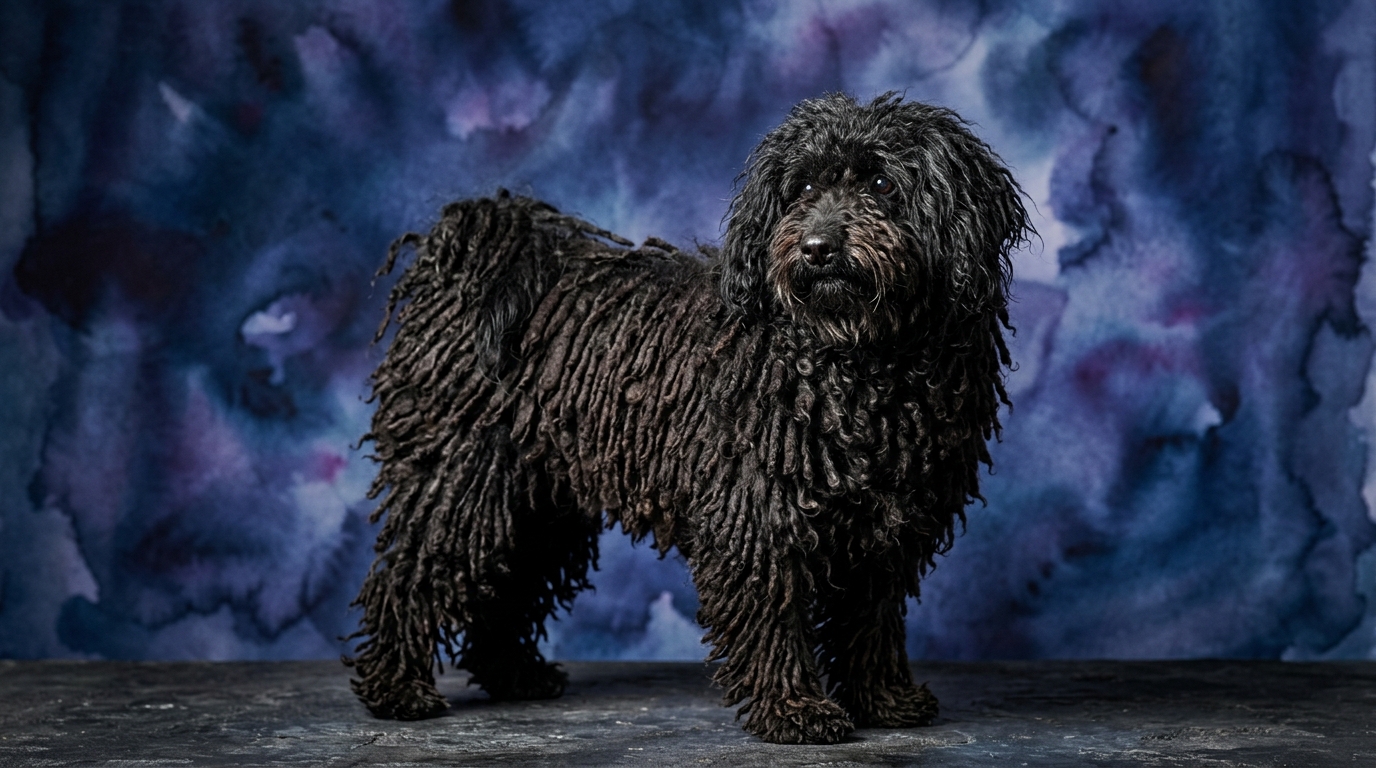
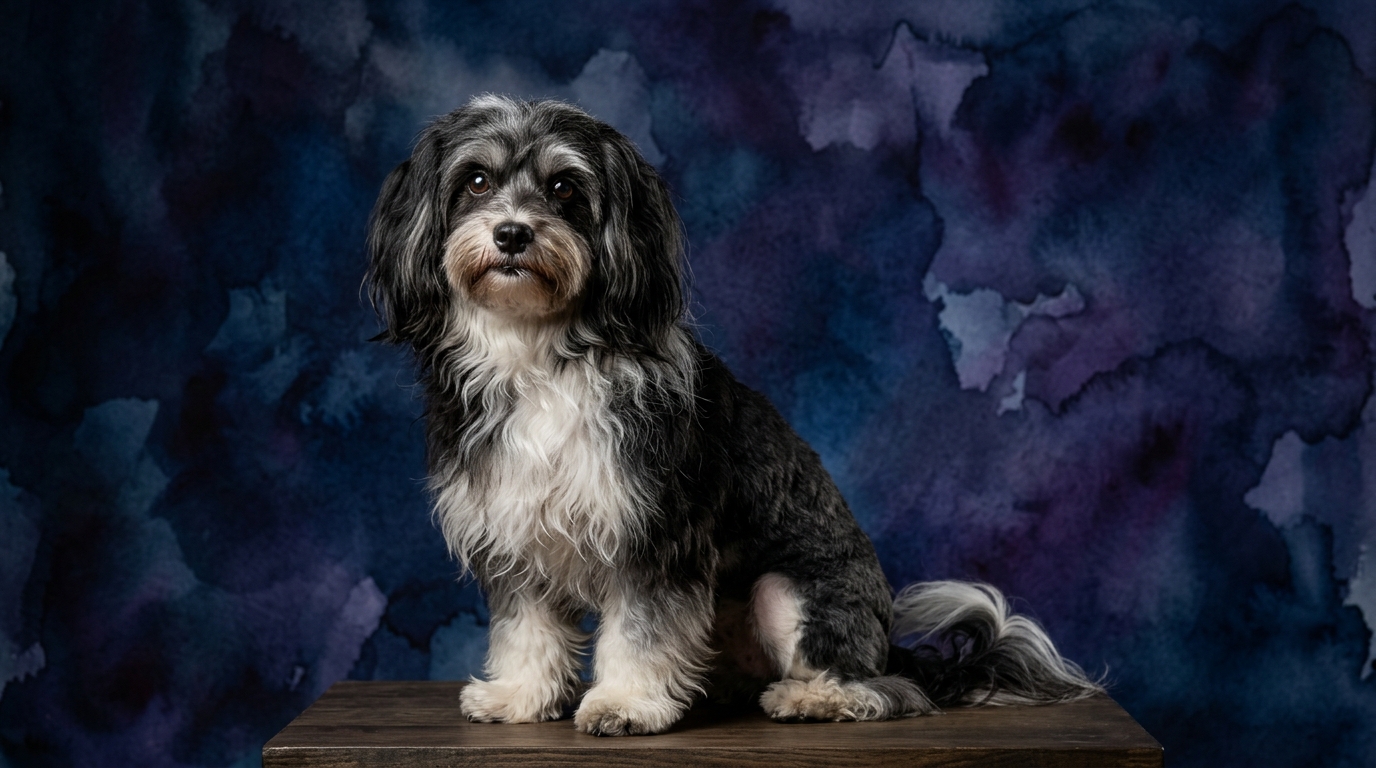
Side-by-Side IQ Profile: Puli vs. Löwchen
The Cosmic Pet Pet IQ Lab evaluates canine intelligence across five key dimensions. The Puli, a Herding breed ranked #25 by Coren, showcases a robust working intellect. Its Problem Solving at 4/5 indicates a strong capacity for independent strategic thought, essential for livestock management. Training Speed at 4/5 means they absorb new commands and complex sequences with impressive alacrity, often requiring fewer repetitions. Social Intelligence sits at 3/5, reflecting a capacity for deep bonds but often with a more task-oriented approach. Instinctive Drive, also 3/5, translates to a focused energy for purpose and activity. Finally, their Memory at 4/5 ensures robust retention of learned behaviors and experiences. This profile underscores a mentally agile breed eager for purposeful engagement.
In contrast, the Löwchen, a Non-Sporting companion breed not Coren-ranked, presents a balanced cognitive profile across the board. Its Problem Solving (3/5) allows for practical navigation of household challenges and routines, without the intense strategizing of working breeds. Training Speed (3/5) means they learn at a steady, agreeable pace, mastering commands with consistent positive reinforcement. Social Intelligence (3/5) ensures a deep connection with human families, adept at reading cues and thriving on interaction. Instinctive Drive (3/5) is balanced, focusing on playful interaction and companionship rather than intense tasks. Memory (3/5) is reliable, enabling them to recall training and routines consistently. This profile highlights an adaptable, devoted companion.
Where the Puli Cognitively Excels
The Puli’s cognitive strengths, particularly in problem-solving and training speed, position it ahead when complex mental tasks are involved. With a 4/5 in Problem Solving, the Puli exhibits a natural aptitude for independent thought and strategic action, a trait refined through centuries of managing livestock. This means they are adept at figuring out solutions to novel challenges, whether it’s navigating a complex agility course or creatively retrieving a hidden object. Their Training Speed, also 4/5, allows them to grasp new commands and multi-step routines remarkably quickly, often requiring fewer repetitions than many other breeds. This rapid assimilation of information is not mere rote learning but reflects a deeper understanding, enabling them to generalize skills to new contexts. Furthermore, the Puli’s 4/5 Memory ensures these learned solutions and behaviors are retained over extended periods, contributing to their consistent performance and reliability. These combined attributes make the Puli an exceptional candidate for advanced obedience, intricate dog sports, and roles requiring a sharp, responsive intellect.
Where the Löwchen's Cognition Shines
While the Löwchen’s individual cognitive scores are consistently 3/5, this balanced profile represents a significant cognitive advantage for its role as a companion, particularly for owners seeking adaptability and emotional attunement. The Löwchen’s consistent Social Intelligence (3/5) means it is profoundly attuned to human emotions and desires for interaction, fostering a deep, empathetic bond without the intense, task-driven focus of a working breed. This balance ensures they are neither overly demanding of constant mental challenges nor prone to developing frustrations from under-stimulation in the same way a higher-drive breed might. Their moderate Instinctive Drive (3/5) focuses on playful interaction and affectionate bonding, making them inherently well-suited to a domestic environment where their natural inclinations align perfectly with a family's desire for a devoted pet. This cognitive makeup translates into a wonderfully agreeable and adaptable companion, seamlessly integrating into various lifestyles and family dynamics without the need for constant intellectual stimulation directed at specific working tasks.
Trainability: Puli vs. Löwchen
Considering their IQ profiles, the Puli generally proves easier to train for acquiring new and complex behaviors. Its 4/5 Training Speed signifies a swift ability to grasp commands and concepts, often with fewer repetitions. This is bolstered by its 4/5 Problem Solving, meaning Pulis actively understand the 'why,' allowing them to apply learned principles to novel situations. For example, teaching a Puli an intricate agility sequence or a multi-step retrieve often progresses rapidly due to their quick analytical processing and strong memory recall. Their inherent herding drive also often translates into a keen desire to work cooperatively with a handler, providing an additional motivational advantage in training. The Löwchen, with 3/5 scores in both training speed and problem-solving, is certainly trainable and eager to please, but will likely require more consistent repetition and a patient, positive reinforcement approach to solidify new behaviors. Their learning pace is steady and reliable, but not as instantaneous as the Puli's, making them a good choice for patient trainers who enjoy the process of steady progress.
Lifestyle Match: Active vs. Relaxed Owners
The distinct cognitive profiles of the Puli and Löwchen naturally align them with different owner lifestyles. The Puli, with its 4/5 problem-solving and training speed, coupled with a 3/5 instinctive drive rooted in herding, is an ideal match for active owners. These individuals thrive when given a 'job' and require consistent mental stimulation alongside physical exercise. Owners who enjoy dog sports like agility, obedience, herding trials, or challenging hikes will find the Puli a willing and capable partner eager to engage its intellect and stamina. An under-stimulated Puli might invent its own 'jobs,' which can manifest as undesirable behaviors. Conversely, the Löwchen, with its balanced 3/5 scores across all cognitive dimensions and a primary role as a companion, is better suited for owners seeking a more relaxed yet still engaging canine presence. While they certainly enjoy play and walks, their cognitive needs are less intense than the Puli's. A Löwchen will happily participate in daily strolls, interactive games, and cuddle sessions, content with a moderate level of activity and mental engagement, making them an excellent choice for individuals or families with a less demanding schedule.
The Verdict
For owners seeking a dog with a robust working intellect, exceptional trainability for complex tasks, and a strong drive for engagement, the Puli stands out.
If your lifestyle prioritizes a devoted, adaptable companion with a balanced temperament and moderate cognitive demands, the Löwchen is an excellent choice.
🧠 Find Your Pet's IQ Score
Our Pet IQ Lab assessment covers 25+ tests across 5 cognitive dimensions — personalized to your breed.
Take the Full IQ Test →Frequently Asked Questions
Does the Puli's herding background make it difficult to live with?
The Puli's herding instincts mean they need purpose and mental engagement. They can be wonderful family pets, but owners must provide consistent training and outlets for their energy to prevent 'herding' behaviors towards family or other pets.
Are Löwchens prone to separation anxiety due to their companion nature?
Löwchens thrive on companionship and can develop separation anxiety if left alone excessively without proper training. Early socialization and gradual desensitization to alone time are crucial for them to remain confident companions.
Can a Löwchen participate in dog sports?
Absolutely! The Löwchen's balanced intelligence and agreeable nature make them capable participants in various dog sports like obedience, rally, and even recreational agility. They enjoy the mental and physical engagement with their human partners.