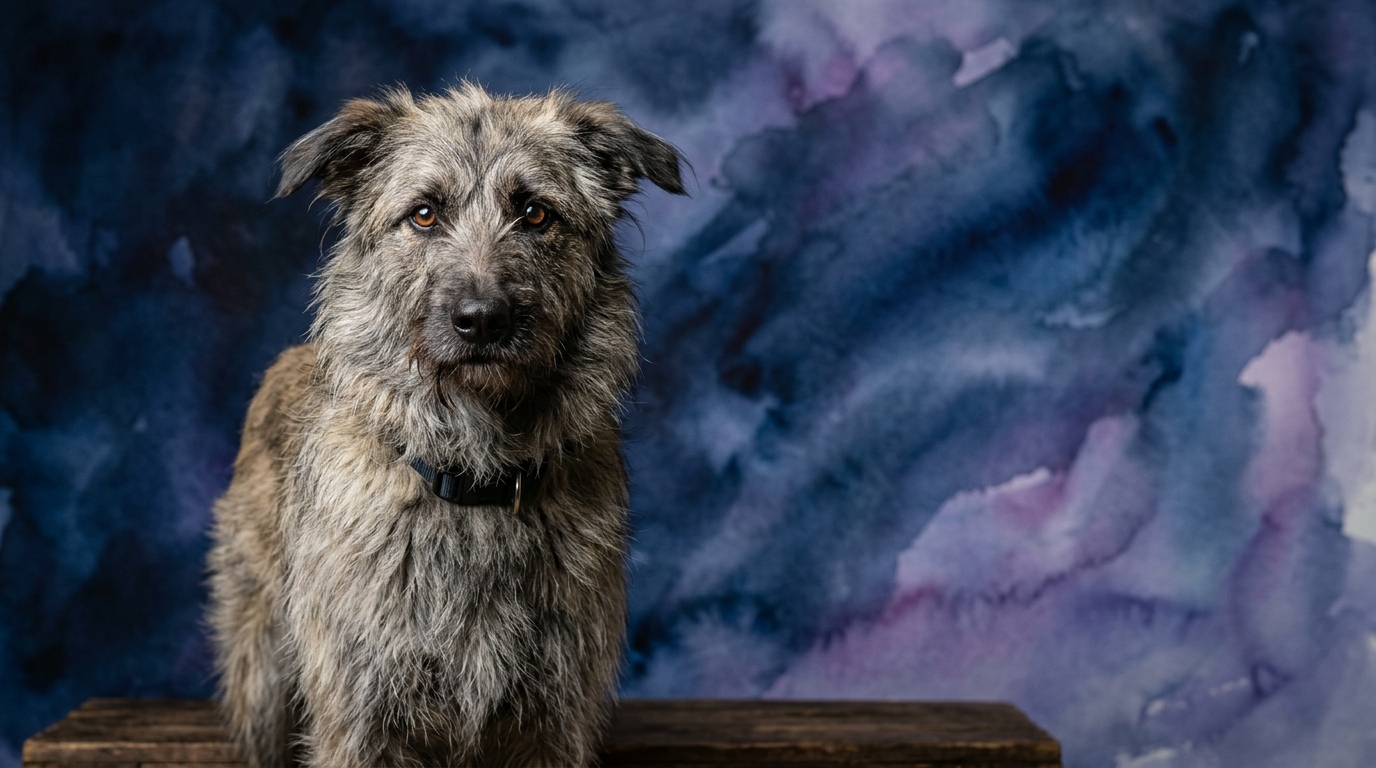
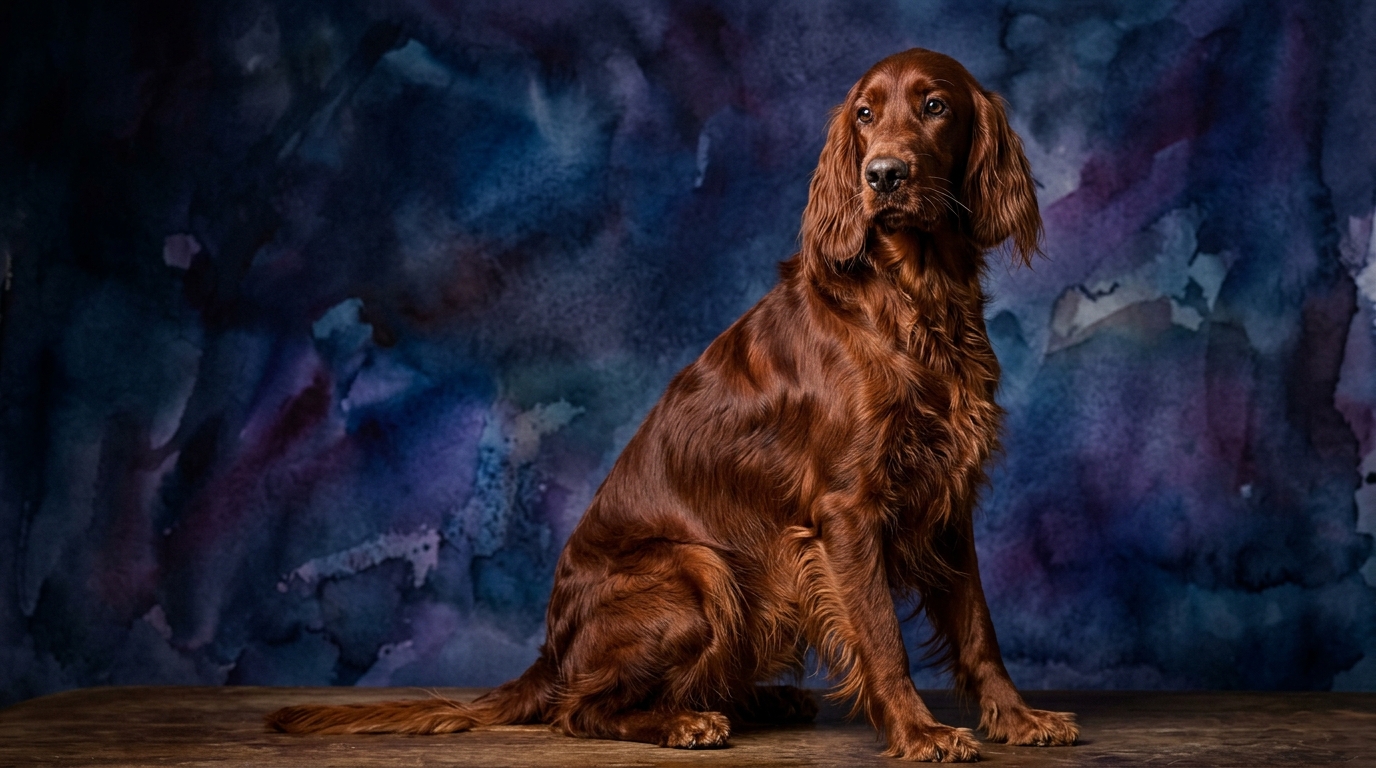
A Side-by-Side Look at Cognitive Profiles
The Cosmic Pet Pet IQ Lab provides a structured way to evaluate canine cognitive abilities across five key dimensions. For the Pyrenean Shepherd, a breed originating from the Pyrenees mountains, its profile reflects a history of independent herding work. Its Problem Solving is rated 3/5, indicating an ability to find solutions within its environment, often independently. Training Speed also stands at 3/5, suggesting a moderate pace of learning, potentially influenced by its self-reliant nature. Social Intelligence is 3/5, showing an awareness of human cues but perhaps a reserved demeanor with strangers. An Instinctive Drive of 3/5 highlights its inherent herding tendencies, while Memory at 3/5 indicates a solid but not exceptional recall of experiences and commands.
In contrast, the Irish Setter, a sporting breed developed for hunting, presents a slightly different cognitive emphasis. Its Problem Solving capability is rated 4/5, indicating a strong aptitude for figuring out tasks, often in cooperation with a human. Training Speed also receives a 4/5, suggesting a quicker grasp of new commands, likely driven by an eagerness to please. Social Intelligence matches the Pyrenean Shepherd at 3/5, yet this often manifests as an outgoing, friendly disposition. Instinctive Drive is 3/5, reflecting its potent prey drive and scenting abilities. Finally, its Memory is rated 4/5, indicating a robust capacity for retaining learned behaviors and past interactions.
Where the Pyrenean Shepherd Excels Cognitively
The Pyrenean Shepherd's cognitive strengths lie in its autonomous decision-making, a trait honed by centuries of managing livestock in vast, unpredictable terrains. While its Problem Solving is rated 3/5, this score reflects a capacity for independent, on-the-spot solutions rather than a reliance on human direction. For instance, a Pyr Shep might instinctively and effectively redirect a wandering animal without explicit command, demonstrating a proactive, adaptive intelligence crucial for its working role. This cognitive independence allows them to assess novel situations and devise effective strategies, often with minimal human intervention, making them adept at tasks requiring self-direction.
Furthermore, their background fosters a distinct form of cognitive resilience. Faced with unexpected environmental changes or chaotic scenarios, Pyrenean Shepherds are less prone to becoming overwhelmed. Their cognitive fortitude, developed through handling dynamic and sometimes challenging herding environments, allows them to maintain composure, quickly process new information, and react purposefully. This ability to remain focused and effective amidst distraction or surprise is a significant cognitive advantage, distinguishing their problem-solving approach from breeds that might seek more human reassurance in similar situations.
Where the Irish Setter Shines Cognitively
The Irish Setter's cognitive profile showcases a superior aptitude for cooperative task learning and retention, reflecting its development as a close working partner to human hunters. With 4/5 scores in both Problem Solving and Memory, coupled with a 4/5 Training Speed, they demonstrate an exceptional ability to grasp complex sequences of commands and recall them accurately over time. This makes them particularly adept at structured learning environments, whether in advanced obedience, agility, or intricate field trials where precision and the ability to remember patterns are paramount. Their cognitive strength lies in processing and executing human-initiated instructions with enthusiasm and consistency.
Another key cognitive advantage for the Irish Setter is its capacity for sustained, focused attention on human-directed goals. Their sporting heritage cultivates a drive to work *with* their handler, maintaining concentration for extended periods during tasks such as retrieving or scent tracking. This cooperative focus facilitates more intricate and prolonged training sessions, allowing them to build a broader repertoire of learned behaviors and follow multi-step instructions reliably. Their cognitive architecture is geared towards collaboration, making them highly responsive partners in shared activities.
Training Dynamics: Which is Easier and Why?
When considering ease of training, the Irish Setter generally presents a more straightforward experience for the average owner. Their 4/5 Training Speed and 4/5 Memory, combined with an inherent eagerness to please, make them highly receptive to positive reinforcement methods. They quickly form associations between actions and rewards, retaining these connections efficiently, which allows for rapid progress in basic and advanced obedience. Their cooperative nature means they often intrinsically desire to work alongside their handler, reducing the need for constant, creative motivation and making training sessions a mutually enjoyable endeavor.
The Pyrenean Shepherd, with a 3/5 Training Speed, requires a more nuanced approach. While certainly capable of learning, their independent nature means they often evaluate the practical utility of a command before fully committing. They might question the necessity of a task if it doesn't align with their instincts or perceived purpose. Training a Pyr Shep demands a handler who understands how to channel their strong herding drive and provide consistent, engaging instruction that makes logical sense to the dog. They are less motivated by simple praise and typically require a clearer, more purposeful outcome for their efforts, making them less "eager to please" in the traditional sense and more of a thinking partner.
Matching Breeds to Lifestyles: Active vs. Engaged Owners
Both the Pyrenean Shepherd and the Irish Setter are breeds that demand active engagement from their owners, though the nature of this activity differs. The Pyrenean Shepherd thrives with owners who enjoy high-energy activities that challenge their problem-solving and independent thinking, such as competitive dog sports (agility, flyball, herding trials), extensive hiking, or trail running. Their cognitive needs are best met when they have a 'job' that allows them to utilize their innate herding intelligence and make independent decisions within a structured framework. Owners should be prepared to provide mental stimulation that goes beyond simple physical exercise, often requiring creative outlets for their self-directed nature.
The Irish Setter is an excellent choice for active owners who enjoy structured activities like field work, competitive obedience, rally, or long, vigorous runs. They excel in environments where their focus and cooperative nature can be leveraged, thriving on consistent physical exertion combined with mental stimulation through training games or scent work. While neither breed is suited for truly 'relaxed' owners in the sense of minimal interaction, a less intensely active owner might find the Irish Setter more manageable if they can commit to daily structured walks, play, and consistent training sessions. The Pyrenean Shepherd, even for a less physically active owner, still requires substantial mental engagement; without a job, their cognitive independence can lead to self-assigned (and potentially undesirable) projects around the home.
The Verdict
Choose the Pyrenean Shepherd if you are an experienced, active owner seeking an independent-thinking partner for dog sports, herding, or complex problem-solving tasks, valuing a dog that brings its own ideas to the table.
Opt for the Irish Setter if you desire a cooperative, enthusiastic companion eager to learn and participate in structured activities, appreciating a dog that thrives on working closely with its human.
🧠 Find Your Pet's IQ Score
Our Pet IQ Lab assessment covers 25+ tests across 5 cognitive dimensions — personalized to your breed.
Take the Full IQ Test →Frequently Asked Questions
Is the Pyrenean Shepherd difficult to live with due to its independence?
Not necessarily difficult, but they require consistent guidance and mental engagement. Their independence means they won't always wait for instruction, so owners must provide outlets for their problem-solving instincts to prevent them from creating their own (potentially undesirable) activities.
Do Irish Setters need a lot of mental stimulation?
Yes, Irish Setters thrive on mental stimulation alongside physical exercise. Their cooperative intelligence and memory mean they enjoy learning new commands, playing puzzle games, or participating in dog sports that challenge their minds and keep them engaged.
How do their social intelligence scores impact family life?
Both breeds score 3/5, but manifest differently. Pyrenean Shepherds are devoted to their inner circle but reserved with strangers, forming deep bonds within the family. Irish Setters are generally more outgoing and friendly with everyone, fitting well into social households where they can interact broadly.