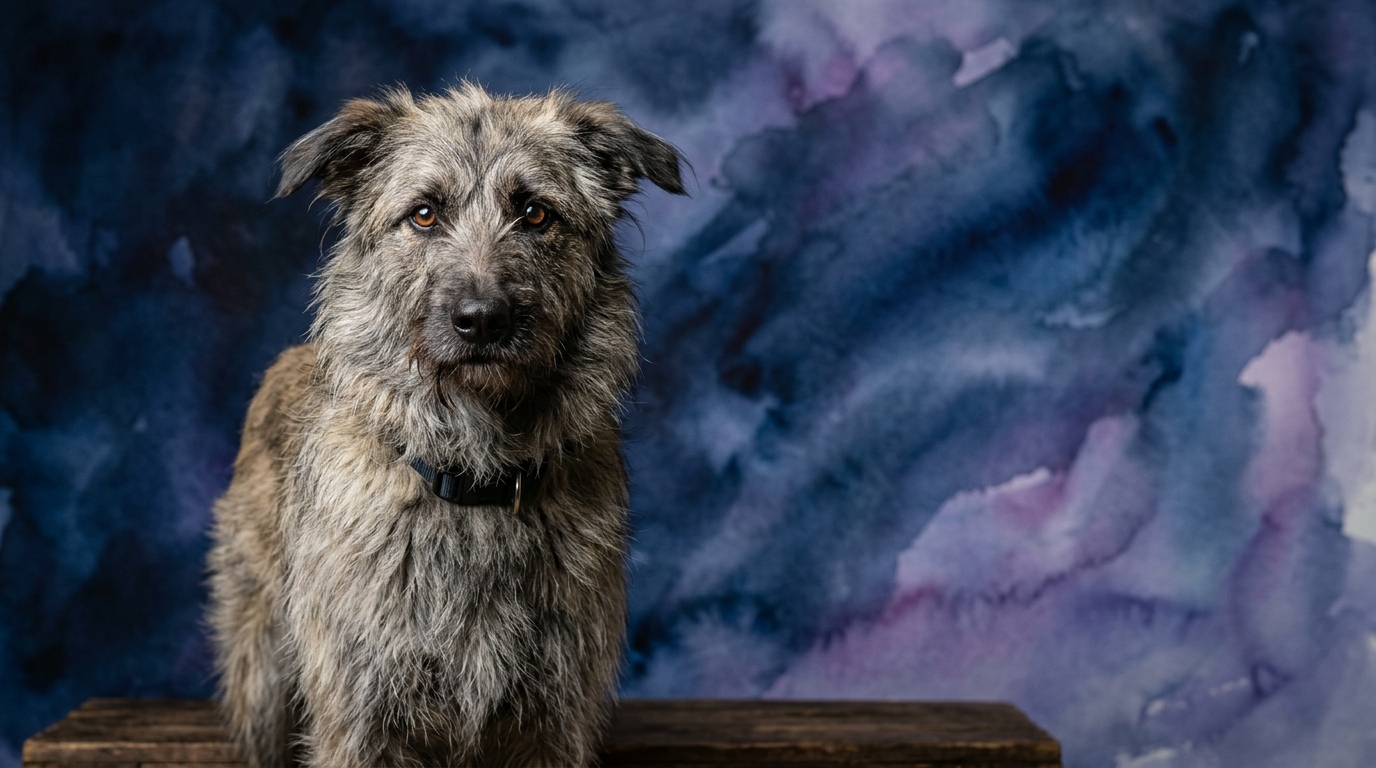
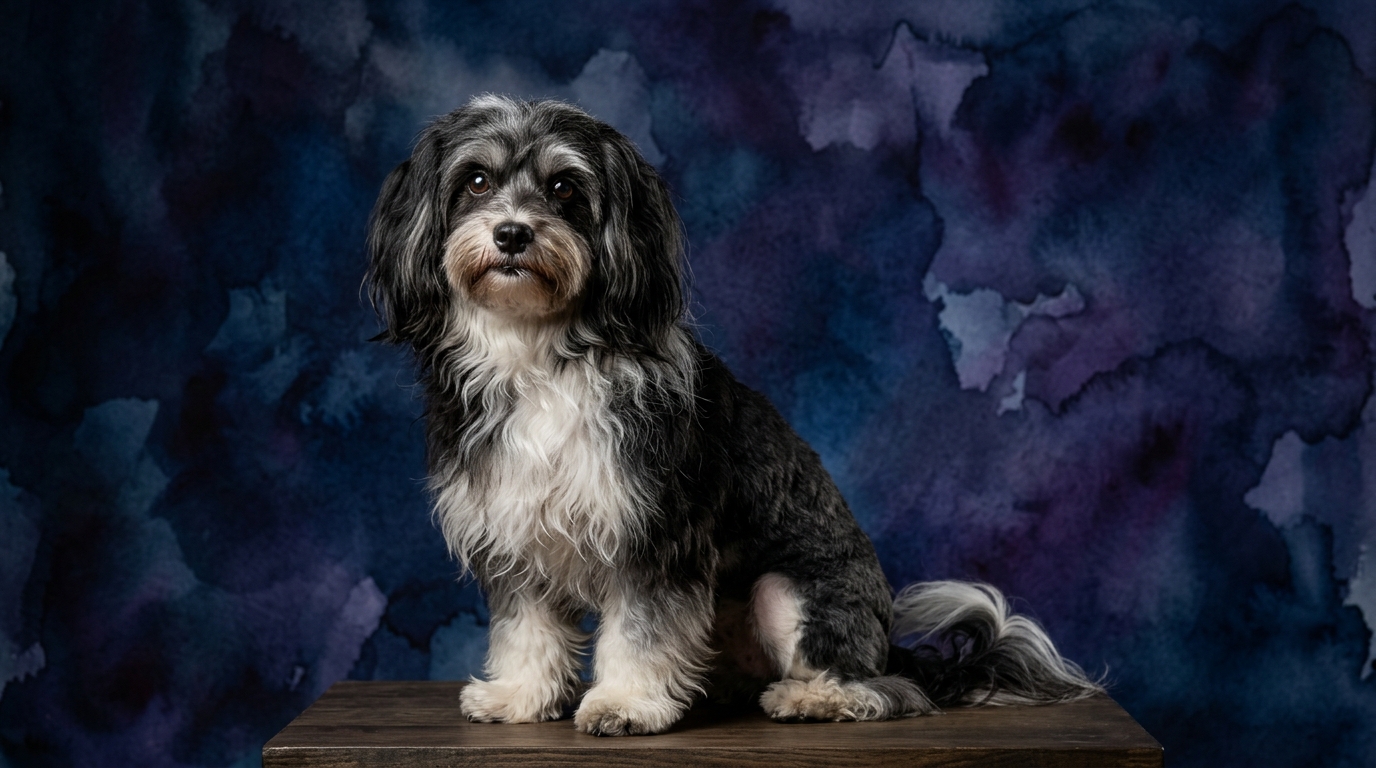
Side-by-Side IQ Profile: Pyrenean Shepherd vs Löwchen
Both the Pyrenean Shepherd and the Löwchen register a 3/5 in Problem Solving, yet their application differs profoundly. The Pyrenean Shepherd excels at practical, real-time solutions in dynamic, outdoor environments, such as navigating complex terrain or managing livestock movements independently. In contrast, the Löwchen's problem-solving often involves navigating domestic scenarios, figuring out how to gain human attention, or mastering interactive puzzle toys, all within a social, home-centric context.
For Training Speed, both breeds receive a 3/5, but their training motivations diverge. The Pyrenean Shepherd learns quickly but may choose to apply commands selectively, driven by independent assessment of a situation. The Löwchen is generally receptive and learns with enthusiasm, motivated by positive reinforcement and a strong desire to please, though they can be easily distracted by social stimuli.
Social Intelligence, rated 3/5 for both, manifests distinctly. A Pyrenean Shepherd's social cognition is intensely focused on their trusted inner circle, adept at reading their handler's cues and maintaining a wary, observant stance towards strangers. The Löwchen, conversely, excels at interpreting nuanced human emotions, adapting seamlessly to various household dynamics, and forming deep, reciprocal bonds within a multi-person family.
Their Instinctive Drive, also 3/5, reflects their foundational purposes. The Pyrenean Shepherd possesses a strong drive for herding, vigilance, and protection, constantly seeking an outlet for these innate behaviors. The Löwchen's primary drive is rooted in companionship, social engagement, and a deep need to be an integrated, interactive part of their human family unit.
Finally, their Memory scores of 3/5 highlight their respective focuses. Pyrenean Shepherds retain complex sequences of commands related to their working duties, environmental layouts, and the habits of their perceived 'flock.' Löwchens demonstrate a good memory for social routines, preferred interactions, and the specific dynamics within their human family, supporting their role as a smooth-integrating companion.
Where Pyrenean Shepherd Wins Cognitively
Despite identical 3/5 scores, the Pyrenean Shepherd showcases distinct cognitive strengths rooted in their herding heritage. Their advantage lies in practical, real-world problem-solving within dynamic, unstructured environments. A Pyrenean Shepherd demonstrates superior spatial reasoning and the ability to process multiple, rapidly changing variables simultaneously, such as the movement of a flock, the terrain, and the commands of a distant shepherd. This requires a sophisticated form of distributed attention and an innate understanding of cause-and-effect in a complex, living system. They excel at independent decision-making when immediate human direction is absent or impractical, relying on their judgment to maintain control and safety. This specific cognitive advantage is invaluable in roles requiring autonomy and responsiveness to live, unpredictable situations.
Where Löwchen Wins Cognitively
The Löwchen, while sharing similar baseline cognitive scores, demonstrates its unique strengths in the realm of social and emotional intelligence within a domestic context. Their cognitive edge lies in their profound capacity for nuanced human-animal communication and adaptability to diverse social settings. A Löwchen excels at interpreting complex human emotional states, often preemptively responding to an owner's mood with comfort or playful distraction. This requires a sophisticated ability to read micro-expressions, vocal inflections, and body language. They show a remarkable aptitude for integrating into multi-person households, understanding individual family member dynamics and tailoring their interactions accordingly. This refined social cognition makes them particularly adept at forming deep, reciprocal bonds and contributing positively to the emotional landscape of a home.
Which is Easier to Train and Why
When considering ease of training, the identical 3/5 Training Speed scores for both breeds require a deeper look at their intrinsic motivations and behavioral tendencies. The Löwchen often presents as 'easier' for the average pet owner due to their profound desire for human companionship and their eagerness to please. Their training is typically driven by positive social interaction, praise, and treats, making them generally responsive to consistent, engaging sessions. While they can be distracted by their love for people, their motivation to be a cherished family member aligns well with common reward-based training methods.
The Pyrenean Shepherd, conversely, can be more challenging for an inexperienced owner, not because of a lack of learning capacity, but due to their independent thinking and strong instinctive drives. Their herding background fosters a cognitive style where they assess a situation and decide the most effective course of action, which may not always align immediately with a human command. Training a Pyrenean Shepherd demands creativity, consistency, and an understanding of their deep-seated drives. While they learn quickly, getting them to reliably comply requires building a strong, respectful partnership that acknowledges their intelligence and independence, rather than expecting blind obedience.
Which Suits Active Owners vs Relaxed Owners
The distinction between these two breeds becomes particularly clear when matching them with owner lifestyles, despite their shared cognitive scores. The Pyrenean Shepherd is unequivocally suited for active, experienced owners who can meet their substantial physical and mental stimulation requirements. Their 3/5 instinctive drive, rooted in herding, translates into high energy levels, a need for purposeful activity, and a keen, watchful nature. They thrive in environments where they have a 'job' to do, whether it's competitive dog sports or extensive daily exercise combined with engaging mental challenges. A relaxed, sedentary lifestyle will likely lead to frustration for this breed.
In contrast, the Löwchen is a delightful match for owners seeking a lively yet manageable companion. While they possess a 3/5 instinctive drive for companionship and play, their energy requirements are moderate. They enjoy regular walks, interactive play sessions, and opportunities for social engagement, but they are equally content to curl up on the couch for quality family time. Their cognitive strengths in social intelligence mean they thrive on being an integral part of daily family life, adapting well to varied routines as long as they receive consistent attention and affection. They do not demand intense physical exertion or complex work tasks to be fulfilled.
The Verdict
Choose a Pyrenean Shepherd if you are an experienced, active owner seeking a dog with a strong work ethic, independent problem-solving skills, and a desire for consistent mental and physical challenges.
Opt for a Löwchen if you desire a charming, socially intelligent companion that thrives on being an integrated family member, offering playful engagement and emotional connection with moderate exercise needs.
🧠 Find Your Pet's IQ Score
Our Pet IQ Lab assessment covers 25+ tests across 5 cognitive dimensions — personalized to your breed.
Take the Full IQ Test →Frequently Asked Questions
Do Pyrenean Shepherds and Löwchens require different types of mental stimulation?
Absolutely. Pyrenean Shepherds benefit from challenges that engage their herding instincts and independent problem-solving, like advanced obedience, agility, or scent work. Löwchens thrive on interactive puzzle toys, learning new tricks for social engagement, and activities that reinforce their bond with family members.
How does a 3/5 social intelligence score manifest differently in these two breeds?
For the Pyrenean Shepherd, 3/5 social intelligence means they are deeply attuned to their family unit, often reserved with strangers, demonstrating a watchful protective nature. A Löwchen's 3/5 social intelligence is expressed through their exceptional ability to read human emotions, adapt to various social situations, and actively seek engaging, reciprocal interactions with their human companions.
If both breeds have a 3/5 training speed, why is one often perceived as easier to train?
While both learn at a moderate pace, the Löwchen's eagerness to please and strong social motivation often make them more straightforward for typical pet training. The Pyrenean Shepherd's independence and strong working drives mean they learn quickly but require a more nuanced, creative approach to training that channels their instincts and respects their problem-solving nature.