Side-by-Side IQ Profile: Unpacking the 3/5 Scores
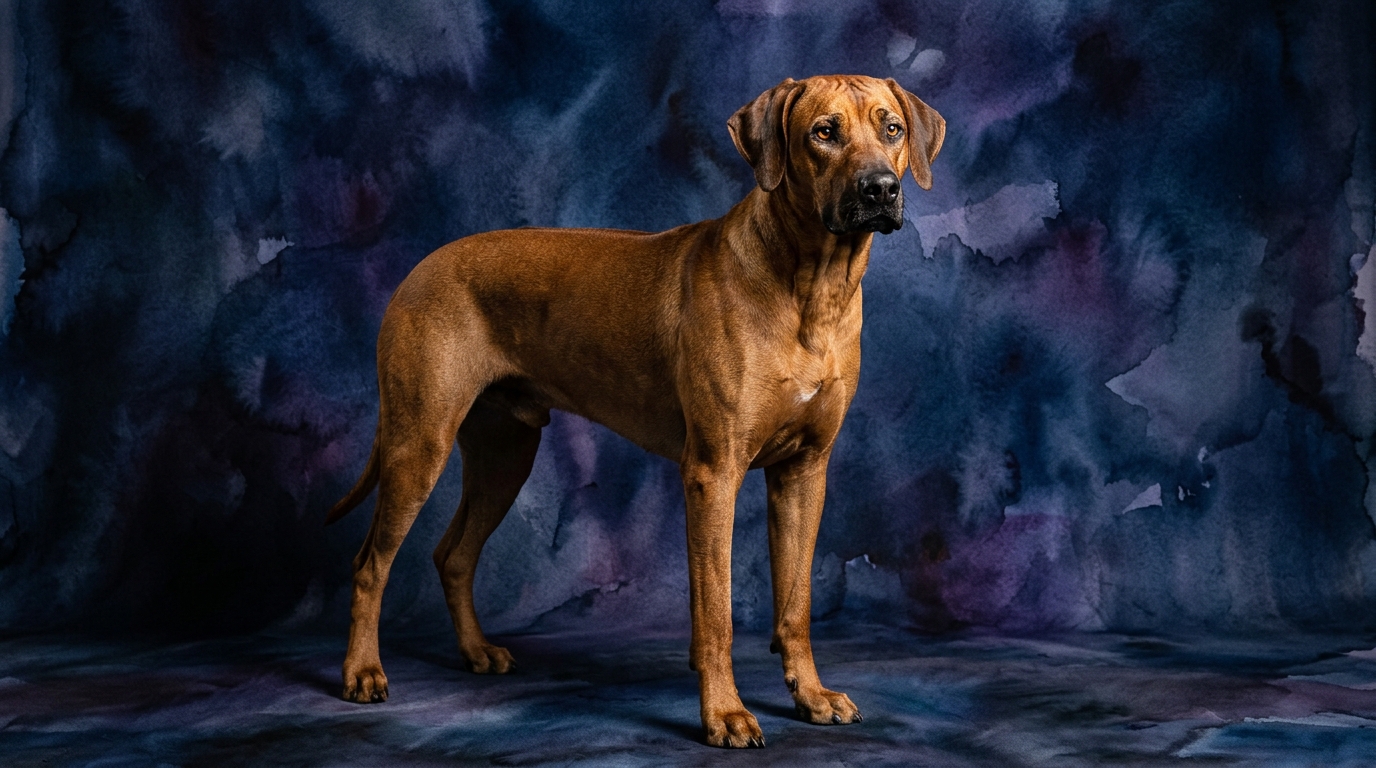
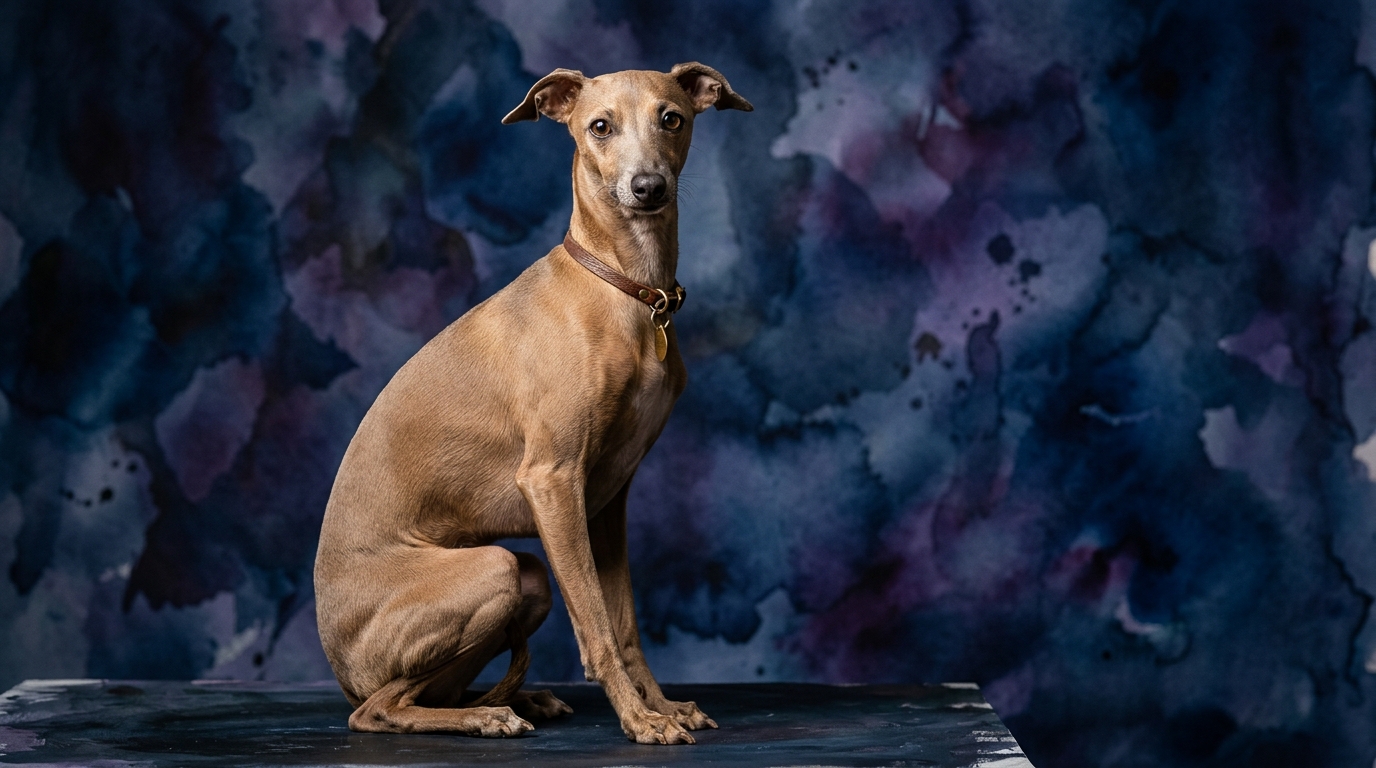
The Rhodesian Ridgeback, a powerful hound historically employed to track and bay formidable game, and the elegant Italian Greyhound, a diminutive companion sighthound, both register a consistent 3 out of 5 across all five dimensions of our intelligence assessment. This moderate score indicates a steady, capable cognitive foundation, rather than a deficiency. It means neither breed is exceptionally quick to grasp complex concepts, nor are they particularly slow; they operate within a solid average range, but the *application* of these capacities differs profoundly based on their breed-specific drives and physical forms.
For the Rhodesian Ridgeback, a 3/5 in Problem Solving reflects an ability to navigate complex outdoor terrains, follow scent trails, or strategize how to corner prey, often requiring independent thought over long periods. Their Training Speed at 3/5 suggests they learn new commands at a reasonable pace, but their independent nature might mean they choose *when* to apply what they've learned based on perceived utility. Social Intelligence at 3/5 indicates they can read human and canine cues well, forming strong, loyal bonds, but perhaps with a reserved demeanor. An Instinctive Drive of 3/5 clearly points to their ingrained hunting and guarding behaviors, while Memory at 3/5 allows them to recall routines, learned commands, and important individuals consistently.
The Italian Greyhound's identical 3/5 in Problem Solving manifests differently; it might involve cleverly navigating furniture to reach a favored sunbeam, figuring out how to get attention, or retrieving a hidden toy within a domestic setting. Their Training Speed at 3/5 means they can learn quickly, especially with positive reinforcement, but their delicate nature and potential for sensitivity might require a gentler approach. Social Intelligence at 3/5 for an IG often involves a keen perception of human emotions, seeking comfort and connection, and forming deep attachments within their immediate family. Their Instinctive Drive at 3/5 still includes the sighthound's urge to chase small, fast-moving objects, albeit on a smaller scale, alongside a strong drive for warmth and companionship. Memory at 3/5 helps them remember household routines, favorite people, and where the most comfortable sleeping spots are.
Where the Rhodesian Ridgeback Shines Cognitively
The Rhodesian Ridgeback's cognitive strengths are deeply rooted in their heritage as a hunter of formidable game. Their problem-solving at 3/5 is not about parlor tricks, but about sustained, independent critical thinking in challenging environments. This translates to an ability to assess situations and make decisions without constant human direction, a trait invaluable when tracking or holding an animal at bay. Their moderate memory and instinctive drive combine to make them particularly adept at tasks requiring endurance and focus, such as long-distance tracking or intricate scent work, where they must recall specific scent profiles and navigate complex paths. This cognitive resilience allows them to process vast amounts of sensory information over extended periods, filtering out irrelevant stimuli to maintain their objective.
Furthermore, their social intelligence, while rated 3/5, often includes a nuanced understanding of pack dynamics, whether with other dogs or their human family. This manifests as a protective instinct combined with a clear hierarchy awareness, making them capable of discerning potential threats and reacting appropriately. Their cognitive framework is built for purpose and self-reliance, meaning they excel when given a 'job' that engages their physical and mental stamina, rather than repetitive, rote learning. They demonstrate a robust, practical intelligence geared towards survival and protection, making them exceptionally observant of their surroundings and capable of independent judgment.
Where the Italian Greyhound Wins Cognitively
The Italian Greyhound, despite its delicate appearance, possesses a distinct set of cognitive advantages tailored for companionship and a domestic lifestyle. Their 3/5 problem-solving ability often shines in their adaptability to human routines and their ingenuity in finding comfort or affection. They are adept at navigating complex indoor environments, remembering where treats are stored, or figuring out how to manipulate a blanket for optimal warmth. This demonstrates a practical intelligence focused on their immediate comfort and social needs within the home, rather than outdoor survival.
Their social intelligence, also rated 3/5, is often expressed through an exquisite sensitivity to human moods and subtle cues. Italian Greyhounds are remarkably attuned to their owners' emotional states, often seeking to offer comfort or solicit attention with uncanny timing. This makes them exceptional companions for those who appreciate a deeply connected bond. Their memory, at 3/5, supports this by allowing them to recall specific interactions, routines, and preferred people, fostering strong, enduring attachments. While their instinctive drive is present, their cognitive strengths lean towards fostering harmonious living within a human family, making them masters of subtle communication and emotional reciprocity within their domestic sphere.
Training: Ridgeback's Resolve vs. IG's Receptiveness
Despite identical 3/5 scores in Training Speed, the practical experience of training a Rhodesian Ridgeback versus an Italian Greyhound can feel quite different due to their inherent motivations and temperaments. Ridgebacks, with their history of independent hunting, often bring a strong-willed resolve to the training process. While they are capable of learning commands at a moderate pace, their decision to *comply* can be influenced by their assessment of the situation and their ingrained drives. A Ridgeback might understand a command perfectly but choose to ignore it if a compelling scent or a perceived 'threat' captures their attention. Training a Ridgeback requires consistency, firm but fair leadership, and understanding their need for a clear purpose, leveraging their loyalty and desire to work alongside their human.
Italian Greyhounds, conversely, tend to be highly sensitive and responsive to their owner's tone and body language. Their 3/5 training speed is often amplified by their desire to please and their strong attachment to their human companions. They respond best to positive reinforcement, gentleness, and short, engaging sessions, as harsh corrections can easily overwhelm their delicate sensibilities. While they can be quick to learn, their sighthound instincts mean they can also be easily distracted by movement, and their comfort-seeking nature might lead to selective hearing if a warm lap is more appealing than a training exercise. Potty training can sometimes be a challenge due to their small bladders and preference for warmth, requiring consistent routine and patience. Ultimately, the 'ease' of training depends less on their raw cognitive speed and more on how well an owner adapts to each breed's unique motivational landscape and sensitivity.
Lifestyle Match: Active Adventurer vs. Relaxed Companion
The cognitive profiles, even with matching scores, clearly delineate suitability for different owner lifestyles. The Rhodesian Ridgeback, with its robust build and ingrained hunting drives, thrives with active owners who can provide substantial physical exercise and mental engagement. Their problem-solving and instinctive drive mean they need outlets for their energy, whether through long hikes, running, or structured 'work' like obedience or tracking. A sedentary lifestyle will not fulfill a Ridgeback's cognitive and physical needs, potentially leading to boredom and undesirable behaviors. They are best suited for owners who enjoy outdoor activities and can integrate their dog into an adventurous, consistent routine, offering leadership and plenty of space to explore.
The Italian Greyhound, while capable of astonishing bursts of speed, is generally better suited for more relaxed owners who appreciate an affectionate, indoor companion. Their cognitive strengths are geared towards domestic harmony and close human interaction. They require regular, but often shorter, bursts of exercise, such as safely enclosed yard play or leash walks, but are equally content snuggling on a couch. Owners who enjoy a quiet home life, provide ample warmth, and appreciate a dog that is deeply attuned to their emotions will find the Italian Greyhound a perfect fit. While they do need mental stimulation, it often comes in the form of interactive play, puzzle toys, and consistent routines within the home environment, rather than rigorous outdoor challenges.
The Verdict
Choose a Rhodesian Ridgeback if you are an active, confident owner seeking a loyal, independent companion for outdoor adventures and consistent mental challenges.
Opt for an Italian Greyhound if you desire a sensitive, affectionate house companion, comfortable with a relaxed indoor lifestyle and deep emotional connection.
🧠 Find Your Pet's IQ Score
Our Pet IQ Lab assessment covers 25+ tests across 5 cognitive dimensions — personalized to your breed.
Take the Full IQ Test →Frequently Asked Questions
Do Rhodesian Ridgebacks make good family dogs?
Yes, Rhodesian Ridgebacks can be excellent family dogs, forming strong, loyal bonds with their families. They are generally patient with children they've grown up with, but their size and strength mean supervision is always wise, and early socialization is crucial for harmonious family integration.
Are Italian Greyhounds difficult to house train?
Italian Greyhounds can sometimes be challenging to house train due to their small bladders and a strong aversion to cold weather, which makes them reluctant to go outside. Consistent routines, frequent potty breaks, and positive reinforcement are key to success, often requiring patience and understanding from owners.
Which breed requires more grooming?
Neither breed requires extensive grooming. Rhodesian Ridgebacks have a short, dense coat that needs minimal brushing. Italian Greyhounds have an even shorter, finer coat that benefits from occasional wiping down, making both relatively low-maintenance in terms of coat care.