
Side-by-side IQ profile
**Rottweiler:** **Problem Solving (5/5):** Rottweilers demonstrate exceptional aptitude for complex situations, quickly assessing new environments and devising solutions. This manifests in their ability to learn intricate tasks, adapt to changing scenarios in protection work, or efficiently solve puzzle toys, showcasing a deep capacity for strategic thought. **Training Speed (4/5):** These dogs typically grasp new commands and routines with remarkable rapidity, often requiring fewer repetitions. Their eagerness to engage and focused attention contribute to a swift learning curve, making them responsive partners in various training disciplines. **Social Intelligence (4/5):** Rottweilers possess a strong ability to interpret human cues, understand family hierarchies, and react appropriately in different social contexts. They form deep bonds and are attuned to their owner's emotions, displaying nuanced understanding of family dynamics. **Instinctive Drive (5/5):** Their innate drives for guarding, protection, and companionship are profoundly robust. This manifests as a powerful desire to work alongside humans, a strong territorial instinct, and a protective loyalty guiding much of their behavior and motivation. **Memory (5/5):** Rottweilers demonstrate excellent capacity for long-term retention of commands, routines, and experiences. They recall training sequences even after long breaks and remember specific people or places, contributing to consistent performance and reliability.
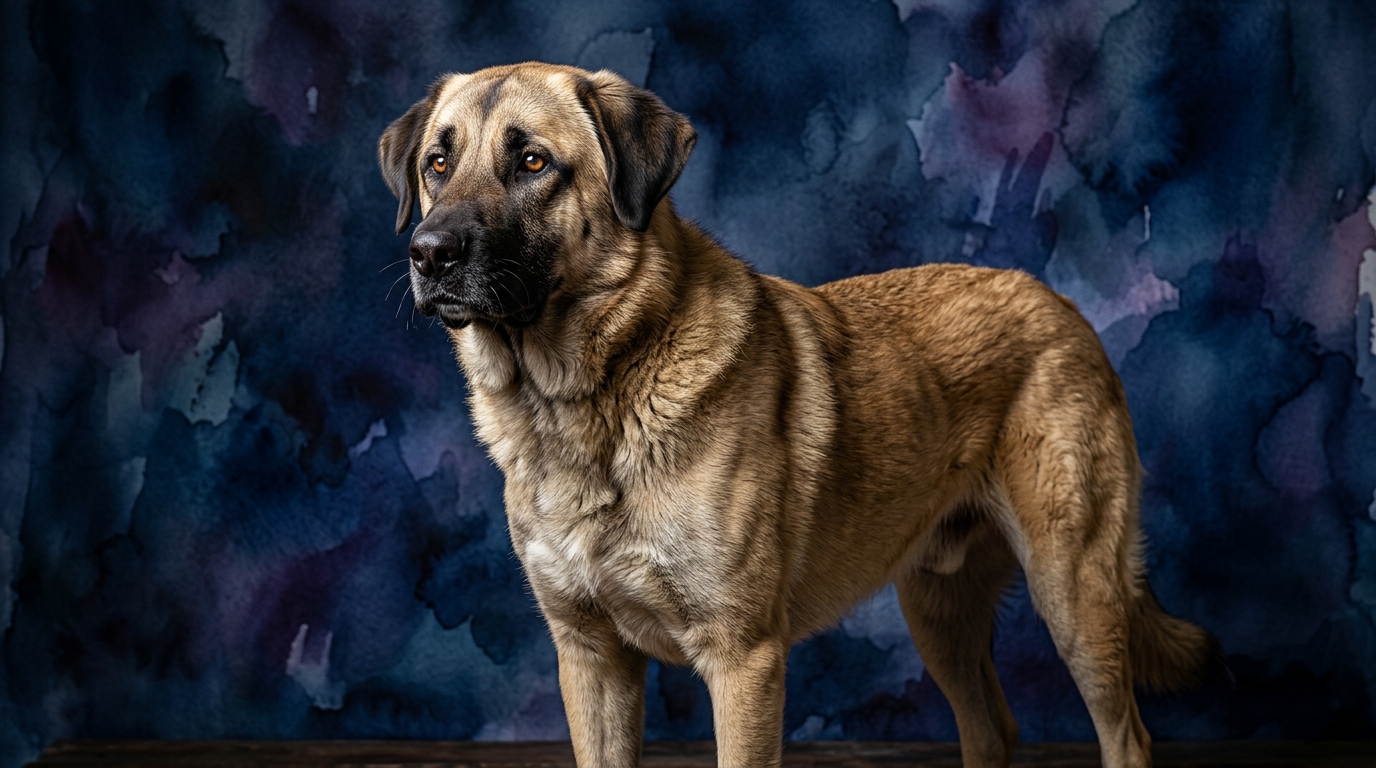
**Anatolian Shepherd Dog:** **Problem Solving (3/5):** Anatolian Shepherd Dogs exhibit a practical, independent problem-solving style, primarily geared towards livestock guarding. While not excelling at abstract puzzles, they are adept at assessing threats to their flock, navigating terrain, and making autonomous decisions in their expansive territories. **Training Speed (3/5):** Their learning curve is more deliberate, reflecting an independent nature. They absorb information steadily, but their strong will and preference for self-direction mean more patience and consistent positive reinforcement are needed to integrate new commands. **Social Intelligence (3/5):** Anatolians display a distinct social intelligence, deeply attuned to their flock or human family, often reserved with strangers. Their social understanding centers on protecting their charges and maintaining a secure environment, rather than seeking constant human approval. **Instinctive Drive (3/5):** The core of their instinctive drive is unwavering guardianship. This manifests as vigilant watchfulness, a strong territorial imperative, and a deep-seated desire to protect dependents from threats, often acting without direct human command. **Memory (3/5):** Anatolian Shepherd Dogs exhibit functional memory, particularly for remembering their territory, flock members, and recognizing potential threats. While retaining training, their memory focuses less on intricate command sequences and more on patterns relevant to guarding duties.
Where Rottweiler wins cognitively
The Rottweiler's cognitive profile consistently points to advantages in areas requiring human partnership and structured learning. Their Problem Solving (5/5) means they grasp complex tasks quickly, whether it’s agility or scent detection, often demonstrating intuitive understanding. This contrasts with the Anatolian's context-specific problem-solving. Furthermore, the Rottweiler’s Training Speed (4/5) reflects a pronounced willingness and aptitude for absorbing new commands swiftly, making them highly responsive and capable of mastering diverse disciplines like obedience or therapy work. Their Memory (5/5) ensures lessons are retained, fostering consistency in performance. This robust memory, combined with their 4/5 Social Intelligence, allows them to anticipate human intentions and adapt behavior, making them exceptionally versatile. Their high Instinctive Drive (5/5) is channeled into working *with* their owner, seeking engagement and direction, a cognitive strength for owners desiring a collaborative partner.
Where Anatolian Shepherd Dog wins cognitively
While not scoring as high in traditional obedience metrics, the Anatolian Shepherd Dog's cognitive strengths are profoundly adapted to their role as autonomous guardians. Their Problem Solving (3/5) is a triumph of independent reasoning; they excel at assessing dynamic threats to their flock without constant human intervention, making decisions based on observation and instinct. This self-sufficiency is a critical cognitive asset in vast guarding environments. Their Instinctive Drive (3/5) represents an unwavering, inherent commitment to protection, less about human-directed tasks and more about vigilant, self-initiated guardianship. This drive allows them to patrol and deter threats for extended periods with minimal oversight. The Anatolian's Social Intelligence (3/5) is highly specialized; they develop deep, protective bonds with their immediate family and flock, demonstrating nuanced understanding of their charges' needs. This focused social intelligence, coupled with their Memory (3/5) for territories and routines, allows them to maintain a stable, secure environment. Their cognitive profile prioritizes independent judgment over rapid compliance.
Which is easier to train and why
The Rottweiler is generally easier to train due to their higher scores in Training Speed (4/5), Problem Solving (5/5), and Social Intelligence (4/5). They possess a natural eagerness to please and a strong desire for engagement with their human partners, translating into quicker command uptake and enthusiastic responses. Their capacity for abstract thought and retention means they learn complex sequences and generalize lessons more readily, often thriving on mental stimulation and the collaborative training process. In contrast, the Anatolian Shepherd Dog’s training journey is typically more challenging, reflected in their 3/5 Training Speed. Their independent nature, a hallmark of their guarding heritage, means they are bred to think for themselves rather than constantly defer to commands. This can manifest as a deliberate pace, questioning commands, or preferring self-directed activity. Training an Anatolian requires immense patience, consistency, and understanding of their guardian instincts, focusing on building trust and making training relevant to their protective mindset.
Which suits active owners vs relaxed owners
Rottweilers typically suit active owners prepared for consistent mental and physical engagement. Their high Problem Solving and Instinctive Drive mean they thrive on structured activities like obedience, protection sports, agility, or extensive hiking. They require an owner who can channel their robust energy and sharp mind into productive outlets, preventing boredom. A Rottweiler owner should be active in training, committed to socialization, and enjoy a close, working partnership. Anatolian Shepherd Dogs, while needing space and a secure perimeter, can suit owners less "active" in traditional competitive sports, but deeply committed to a stable, purposeful environment. Their independent nature and guardian instincts mean they are often content patrolling their territory. They require an owner who understands their need for autonomy, respects their protective drives, and is prepared for a self-reliant dog. While needing regular exercise, it's often more about having a job or territory to oversee rather than intense, human-directed workouts, suiting a different kind of engaged owner.
The Verdict
When seeking a highly trainable, engaged, and versatile partner for a range of activities and a close, collaborative bond, the Rottweiler is the discerning choice.
If your lifestyle demands an independent, resolute guardian capable of autonomous decision-making and steadfast protection, the Anatolian Shepherd Dog is the ideal companion.
🧠 Find Your Pet's IQ Score
Our Pet IQ Lab assessment covers 25+ tests across 5 cognitive dimensions — personalized to your breed.
Take the Full IQ Test →Frequently Asked Questions
Do Anatolian Shepherd Dogs need a "job" to be content?
Yes, Anatolian Shepherd Dogs are happiest when they have a purpose that aligns with their guardian instincts, even if it's simply overseeing their family and property. Providing a secure territory and allowing them to observe their surroundings satisfies their innate drives. Without a clear role, they may become restless or express their guarding instincts in undesirable ways.
Can a Rottweiler be a good family dog with children?
With proper socialization, training, and responsible ownership, Rottweilers can be devoted and protective family dogs, often forming strong bonds with children. Their social intelligence and loyalty make them excellent companions, but their powerful build and protective instincts necessitate careful supervision and consistent guidance, especially around very young children.
How do their grooming needs compare?
Both breeds have relatively low-maintenance coats, requiring only weekly brushing to remove loose hair and minimize shedding, with slightly more frequent brushing during seasonal shedding periods. Neither breed typically requires professional grooming services beyond basic nail trims and ear cleaning.