
A Side-by-Side Look at Their Cognitive Dimensions
The Cosmic Pet Pet IQ Lab employs a five-dimensional framework to assess canine intelligence, offering a granular view beyond simple rankings. For the Rottweiler, a breed recognized by Stanley Coren as ranking #9 in working and obedience intelligence, their profile paints a picture of a mentally robust and adaptable companion. Their Problem Solving score of 5/5 indicates a profound ability to analyze novel situations, strategize, and execute solutions, whether it's figuring out a complex puzzle toy or navigating an unfamiliar environment. Training Speed, at 4/5, reflects their quick grasp of new commands and routines, often requiring fewer repetitions to solidify learning. Social Intelligence, also 4/5, highlights their capacity to interpret human cues, understand family dynamics, and respond appropriately to social contexts. An Instinctive Drive of 5/5 signifies a powerful innate inclination towards specific tasks, such as guarding, herding, or protection, which they pursue with focused determination. Finally, their Memory, rated 5/5, underscores an exceptional ability to recall commands, associate specific actions with outcomes, and remember people and places over extended periods.
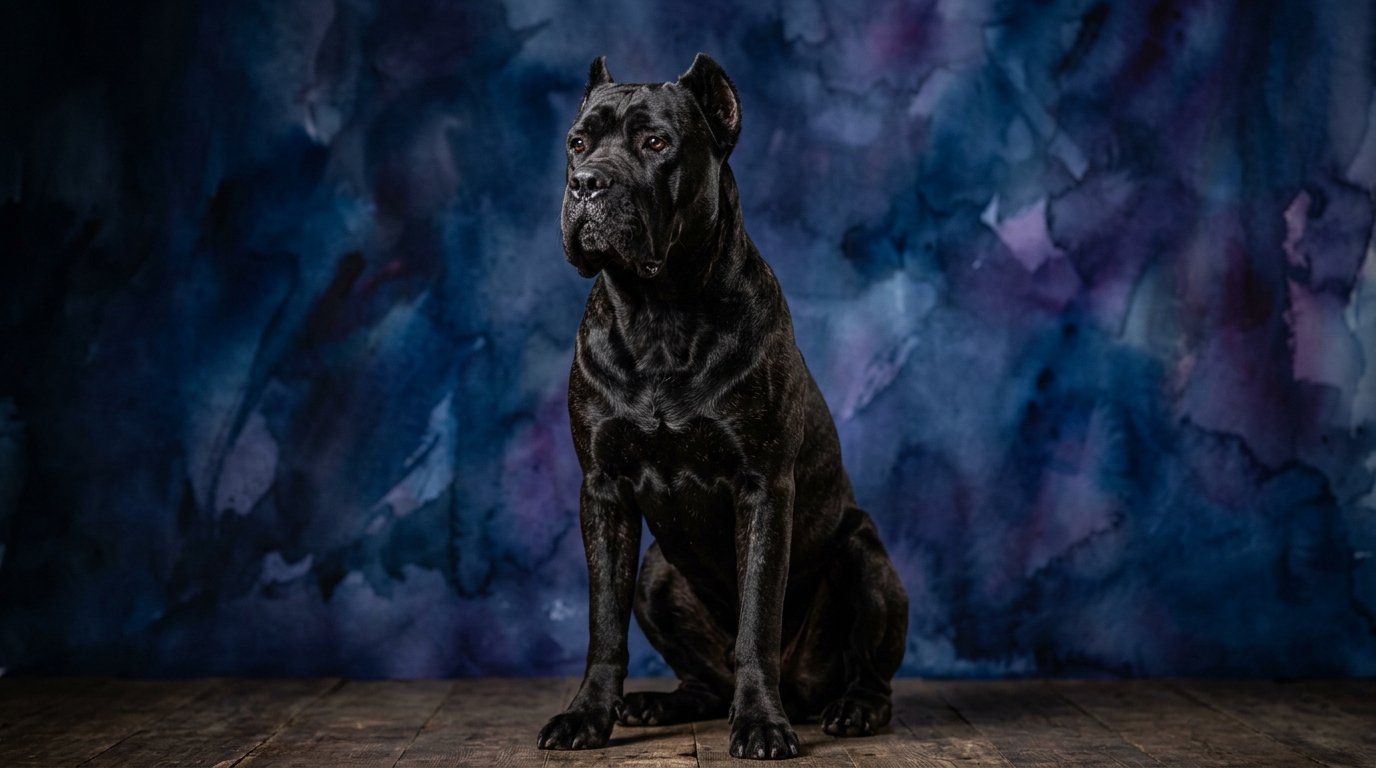
In contrast, the Cane Corso, while not featured in Coren's traditional rankings, presents a distinct cognitive blueprint. Their Problem Solving is rated 3/5, suggesting a more direct, perhaps less exploratory approach to challenges; they may prefer brute force or established methods over intricate, novel solutions. Training Speed also stands at 3/5, indicating that while capable of learning, they often require more consistent repetition and patience from their trainers to embed new behaviors. Their Social Intelligence, at 3/5, points to a discerning nature; they are less likely to be overtly expressive or immediately receptive to strangers, preferring to observe and assess before engaging. An Instinctive Drive of 3/5, though lower than the Rottweiler's, still reflects a strong, purposeful drive, primarily centered on their role as guardians and protectors of their family and territory. Their Memory, at 3/5, means they retain learned information, but perhaps build associations and complex sequences at a more moderate pace compared to their Rottweiler counterparts.
Where the Rottweiler's Cognition Shines Brightest
The Rottweiler's cognitive strengths are evident across multiple domains, particularly in areas demanding adaptability and intricate understanding. Their 5/5 Problem Solving capacity means they are not merely followers of commands but active participants in their environment, capable of independent thought to overcome obstacles. This makes them exceptional candidates for advanced obedience, tracking, and protection work, where situations are fluid and require on-the-spot decision-making. Coupled with their 5/5 Memory, a Rottweiler can build an extensive repertoire of complex behaviors and recall them reliably, making them highly effective in roles requiring precision and consistency. Their 5/5 Instinctive Drive fuels a profound work ethic, channeling their mental acuity into purposeful actions, whether it’s maintaining a vigilant watch or mastering a new skill. This combination allows them to excel in diverse tasks that require both physical prowess and mental agility, often anticipating their handler's next move or reacting proactively to environmental changes.
Unique Cognitive Attributes of the Cane Corso
While the Cane Corso's individual cognitive scores are generally lower than the Rottweiler's, their profile highlights a different, yet equally valid, approach to intelligence, perfectly suited for their historical role. Their 3/5 Problem Solving and Training Speed, rather than indicating a lack of capacity, suggest a more deliberate and focused mental process. Cane Corsos tend to be less distracted by peripheral stimuli, concentrating intently on the task at hand or the perceived threat. This singular focus can be a significant cognitive asset for a guardian breed, allowing them to maintain unwavering vigilance and dedication to their protective duties without being easily deterred by complex environmental nuances. Their 3/5 Social Intelligence often translates into a reserved, discerning demeanor, meaning they take their time to evaluate individuals and situations, which is crucial for a dog whose primary function is to assess and protect. This thoughtful, rather than impulsive, cognitive style makes them exceptionally steadfast and dependable once they accept a person or task as important to their 'pack.'
Training Dynamics: Responsiveness vs. Deliberation
When it comes to training, the cognitive differences between these two breeds become particularly apparent. The Rottweiler, with its 4/5 Training Speed, 4/5 Social Intelligence, and 5/5 Memory, generally proves to be a more responsive and quicker learner. They tend to pick up new commands with fewer repetitions, often demonstrating an eagerness to engage in training sessions as a form of mental stimulation and bonding. Their higher social intelligence allows them to readily interpret subtle handler cues and body language, facilitating a smoother communication channel during training. This breed thrives on varied training exercises that challenge their problem-solving abilities and leverage their strong memory for complex sequences, often showing enthusiasm for advanced obedience or competitive dog sports.
The Cane Corso, on the other hand, with its 3/5 scores across Training Speed, Social Intelligence, and Memory, requires a more consistent, patient, and direct approach to training. They may not grasp new concepts as rapidly as a Rottweiler, necessitating more repetition and clearer instructions. Their social intelligence means they might be less inclined to perform simply for handler approval, requiring trainers to build strong motivation through positive reinforcement and by demonstrating the utility or importance of the command. Cane Corsos can sometimes be perceived as stubborn due to their independent thinking and deliberate nature, but this is often a reflection of their need for clear leadership and a well-understood purpose behind the training. Success with a Cane Corso hinges on establishing trust, consistent boundaries, and engaging their deep loyalty rather than relying on quick cognitive absorption.
Matching Cognitive Profiles to Owner Lifestyles
The distinct cognitive profiles of the Rottweiler and Cane Corso lend themselves to different owner lifestyles and expectations. A Rottweiler, with its high Problem Solving (5/5) and Instinctive Drive (5/5), thrives with active owners who are prepared to provide consistent, varied mental and physical engagement. They excel when given tasks that challenge their intellect, such as advanced obedience, agility, tracking, or protection sports. Owners who enjoy teaching new tricks, engaging in problem-solving games, and maintaining a structured routine that evolves to keep the dog stimulated will find the Rottweiler to be an incredibly rewarding and versatile partner. Their demand for mental engagement means that a 'relaxed' owner who cannot meet these cognitive needs might find their Rottweiler inventing their own, potentially undesirable, forms of entertainment.
The Cane Corso, while still a working breed requiring substantial exercise and mental input, may suit an owner whose 'activity' focuses more on consistent routine, direct purpose, and a steadfast companionship rather than constant novelty. An owner who values a dedicated guardian and is prepared for consistent, clear, and patient training will appreciate the Cane Corso's focused loyalty. While they need physical exercise, their mental stimulation might be satisfied more by vigilance, patrolling their territory, and engaging in repetitive, purposeful tasks rather than complex, ever-changing challenges. Owners who prefer a less overtly playful or 'busy' dog, and instead appreciate a calm, watchful presence that operates with deliberate thought, might find the Cane Corso's cognitive style a better fit, provided they still offer ample opportunities for structured activity and socialization.
The Verdict
Choose a Rottweiler if you are seeking a highly versatile, mentally agile partner for diverse activities, complex training, and appreciate a dog that actively engages in problem-solving and learns quickly.
Choose a Cane Corso if you value a steadfast, direct, and dedicated guardian, are prepared for consistent, clear training, and appreciate a dog whose cognitive focus is primarily on its protective role and family bond.
🧠 Find Your Pet's IQ Score
Our Pet IQ Lab assessment covers 25+ tests across 5 cognitive dimensions — personalized to your breed.
Take the Full IQ Test →Frequently Asked Questions
Does a lower IQ score mean the Cane Corso is less capable?
Not at all. The scores reflect a different cognitive approach rather than a deficit. The Cane Corso's deliberate nature and focused drive are highly effective for its specialized role as a guardian, demonstrating capability in its own unique way.
How important is Coren's ranking in choosing a dog?
Coren's ranking is a useful general guide for working and obedience intelligence, but it doesn't encompass all aspects of canine cognition or individual temperament. It's one piece of a larger puzzle, and breeds not ranked, like the Cane Corso, still possess valuable and distinct mental attributes.
What are the best ways to provide mental stimulation for a Cane Corso?
Mental stimulation for a Cane Corso benefits from consistency and purpose. Engage them with scent work, structured obedience training, puzzle toys that require direct interaction, and opportunities to 'guard' their territory or family under supervision, reinforcing their natural instincts in a controlled manner.