Side-by-Side Cognitive Profiles: Rottweiler vs. Collie (Rough)
At The Cosmic Pet Pet IQ Lab, we evaluate canine cognition across five critical dimensions to provide a detailed understanding of each breed's mental landscape. The Rottweiler, ranked #9 by Coren, and the Collie (Rough), at #16, present contrasting yet equally compelling intellectual blueprints.
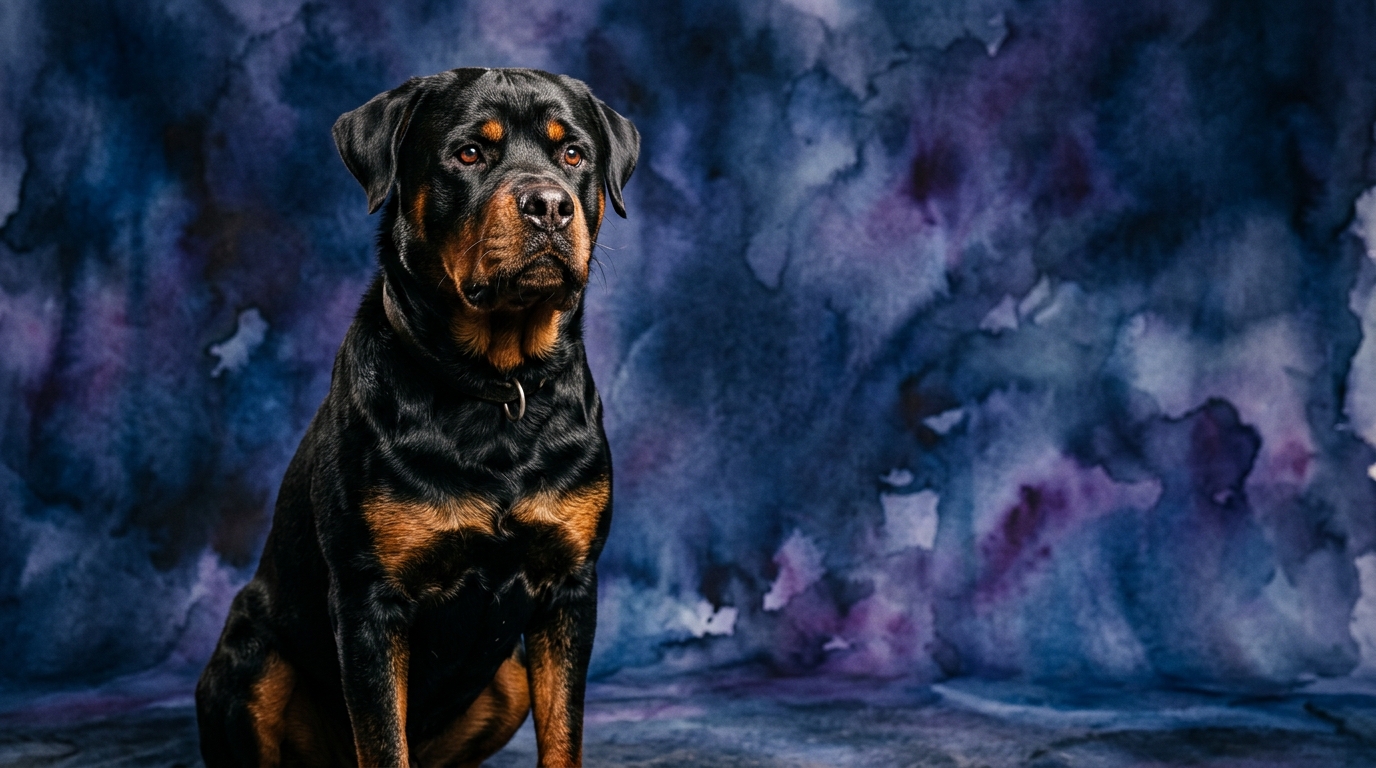
The **Rottweiler** exhibits an exceptional aptitude for **Problem Solving (5/5)**, demonstrating a remarkable capacity to analyze complex situations and devise effective solutions. This manifests in their ability to quickly understand environmental cues, figure out how to open latches, or strategize during obedience tasks, often displaying an independent thought process. Their **Training Speed (4/5)** is impressive, allowing them to absorb and execute commands rapidly, though their robust will requires consistent and engaging methods. In **Social Intelligence (4/5)**, Rottweilers possess a developed understanding of social hierarchies and human communication, adept at reading body language and emotional states, allowing them to form deep bonds, though they can be reserved with strangers. Their **Instinctive Drive (5/5)** is paramount, rooted in their heritage as herding and guarding dogs, translating into a pronounced protective instinct and a strong desire for purpose. Finally, their **Memory (5/5)** capabilities are outstanding, ensuring retention of commands, routines, and experiences over long periods, contributing to their reliability in learned behaviors.
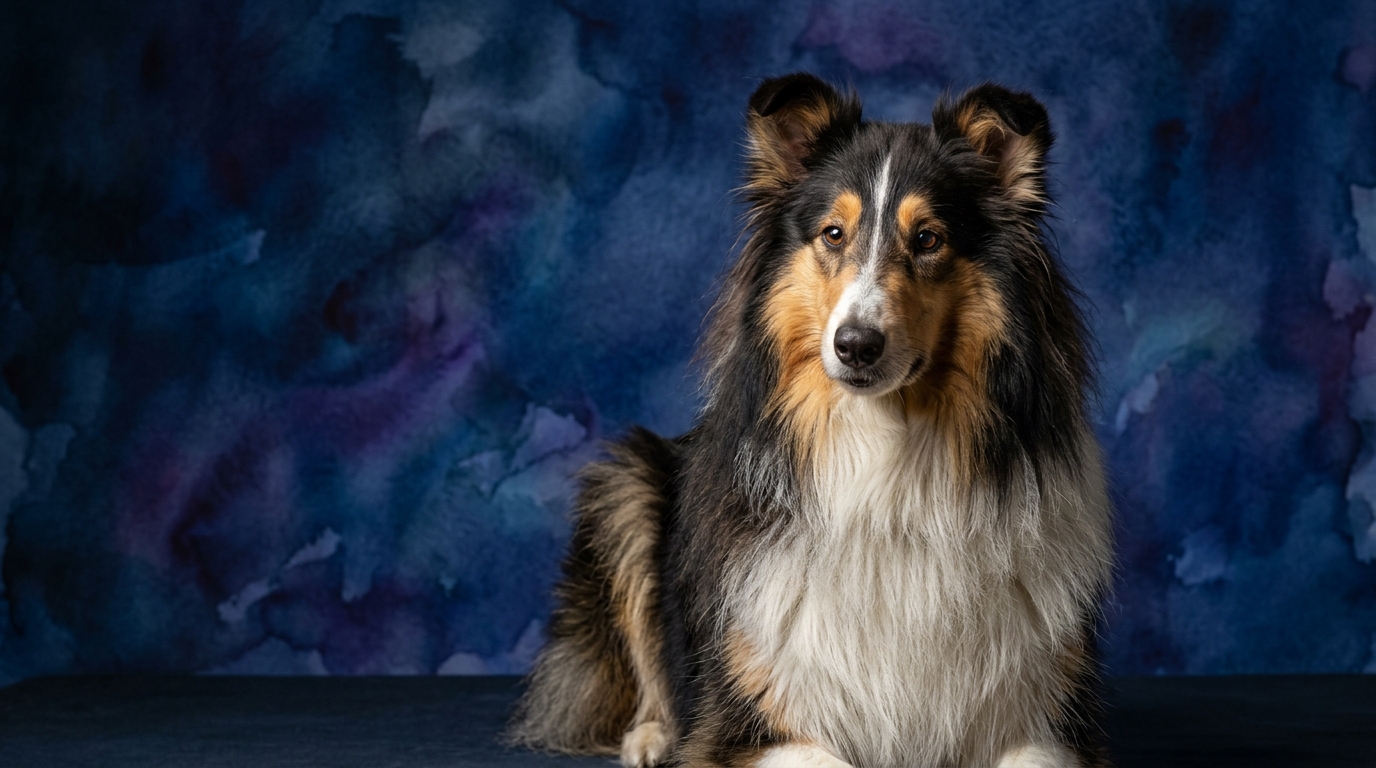
The **Collie (Rough)** demonstrates strong **Problem Solving (4/5)** skills, capable of navigating puzzles and obstacles with a methodical, observant approach, often relying on learned patterns to resolve challenges. Matching the Rottweiler, their **Training Speed (4/5)** is notable, as Collies learn new commands and routines with alacrity, responding well to positive reinforcement and eager to please. Their **Social Intelligence (3/5)** is solid, enabling them to integrate well into family life and respond to human cues, but they may exhibit a more reserved or sensitive disposition in novel social situations or with unfamiliar individuals, sometimes needing more time to warm up. Rooted in their herding ancestry, their **Instinctive Drive (3/5)** is present but generally less intense than a Rottweiler's, manifesting as a desire to gather family members and a keen awareness of surroundings, typically without pronounced protective aggression. Like the Rottweiler, Rough Collies also possess excellent **Memory (5/5)**, retaining commands, routines, and experiences effectively, which contributes to their consistent performance in training and recall throughout their lives.
Where the Rottweiler Excels Cognitively
The Rottweiler clearly distinguishes itself in two key cognitive areas: Problem Solving (5/5 vs. 4/5) and Instinctive Drive (5/5 vs. 3/5). Their superior problem-solving acumen means they are often quicker to analyze complex situations and independently devise effective solutions. This manifests in their ability to bypass simple barriers, understand multi-step commands, or adapt rapidly to changing environments with minimal human intervention. This cognitive strength makes them adept at navigating novel challenges without constant guidance.
Furthermore, their elevated instinctive drive, deeply rooted in their working heritage, provides an unparalleled motivation for purpose-driven tasks. This intensity translates into a powerful focus and endurance when engaged in activities that align with their natural protective or working inclinations, making them exceptionally driven for roles requiring vigilance and decisive action. This robust drive, when properly channeled, empowers them to perform demanding duties with unwavering commitment.
Where the Collie (Rough) Offers Unique Cognitive Advantages
While the Rottweiler numerically edges out the Collie in problem-solving and instinctive drive, the Collie (Rough)'s cognitive profile offers distinct advantages in specific contexts. Their slightly lower instinctive drive (3/5 vs. 5/5) means they are generally less intense and possess a more moderate impulse for guarding or intense physical work, making them a gentler presence in a domestic setting without constant high-level stimulation. This translates into a dog that, while still active, is often more content with varied engagement rather than a relentless pursuit of a 'job.'
Furthermore, their solid problem-solving (4/5) and excellent memory (5/5), combined with a sensitive social intelligence (3/5), allow them to excel in nuanced tasks requiring precision and a calm demeanor. In activities such as advanced obedience or agility, their responsiveness to subtle cues and less dominant approach can be particularly effective. Their cognitive makeup favors a more collaborative and less independently driven working style, making them excellent partners for tasks requiring a gentle touch and keen observation.
Ease of Training: Behavioral Differences
Evaluating ease of training requires considering both a breed's capacity for learning and its inherent temperament. Both Rottweilers and Rough Collies share a commendable Training Speed score of 4/5 and perfect Memory at 5/5, indicating a strong capacity to grasp and retain commands. However, the Rottweiler's superior Problem Solving (5/5) and exceptionally high Instinctive Drive (5/5) can make initial training more challenging due to their strong-willed nature and independent thought. They often require a confident, experienced hand to channel their robust drive and ensure compliance, as they are capable of testing boundaries and making their own decisions if leadership isn't clear.
Their guarding instincts necessitate early and consistent socialization and obedience to prevent misdirection of their protective nature, demanding a committed and knowledgeable owner. In contrast, the Collie (Rough), with its equally strong training speed and memory but a lower Instinctive Drive (3/5) and a slightly more sensitive Social Intelligence (3/5), often presents as more amenable and eager to please. While they still require consistent training, their less dominant disposition and inherent desire to work cooperatively tend to make them more straightforward for novice owners or those preferring a less confrontational training approach. They respond particularly well to positive reinforcement and gentle guidance, thriving on praise and connection without the strong independent streak that can sometimes characterize a Rottweiler.
Matching Canine Cognition to Owner Lifestyles
The choice between a Rottweiler and a Rough Collie largely hinges on an owner's lifestyle and energy levels. The Rottweiler, with its 5/5 Instinctive Drive and 5/5 Problem Solving, thrives with active owners who can provide consistent mental and physical challenges. They require rigorous daily exercise, structured training, and engaging activities like protection work, advanced obedience, or competitive sports to fulfill their innate desire for purpose and prevent boredom-induced behaviors. An owner seeking a steadfast, driven partner for demanding tasks and a vigilant guardian will find the Rottweiler a profoundly rewarding match.
Conversely, the Collie (Rough), with its 3/5 Instinctive Drive and 4/5 Problem Solving, is better suited for owners who enjoy regular but perhaps less intense engagement. While they still need daily walks, playtime, and mental stimulation through puzzles or training sessions, their needs are generally met with moderate activity. They are often content with being close to their families, participating in quieter companionship, making them an excellent fit for individuals or families desiring an active companion that doesn't demand constant, high-octane work or a deeply entrenched protective role.
The Verdict
Choose a Rottweiler if you are an experienced, active owner seeking a highly driven, protective companion capable of independent problem-solving and committed to consistent, firm training.
Opt for a Collie (Rough) if you prefer a sensitive, eager-to-please companion with excellent memory and trainability, suitable for moderate activity and a more gentle, cooperative training dynamic.
🧠 Find Your Pet's IQ Score
Our Pet IQ Lab assessment covers 25+ tests across 5 cognitive dimensions — personalized to your breed.
Take the Full IQ Test →Frequently Asked Questions
Do Rottweilers require more mental stimulation than Rough Collies?
Yes, Rottweilers, with their 5/5 Problem Solving and 5/5 Instinctive Drive, generally demand more complex and consistent mental engagement to prevent boredom and channel their intense focus. Rough Collies, while also needing stimulation, are often satisfied with moderate mental challenges.
How do their social intelligence scores impact family life?
A Rottweiler's 4/5 Social Intelligence means they form strong bonds and understand family dynamics well but can be reserved with strangers, requiring careful socialization. A Rough Collie's 3/5 Social Intelligence indicates they are sensitive and integrate well into family life, though they might be more timid or reserved in new social situations.
Which breed is better for first-time dog owners?
Given their strong independent streak and high instinctive drive, Rottweilers are generally recommended for experienced owners capable of firm, consistent leadership. Rough Collies, with their amenable nature and eagerness to please, are often a more suitable choice for first-time dog owners, provided they are committed to consistent positive reinforcement training.