
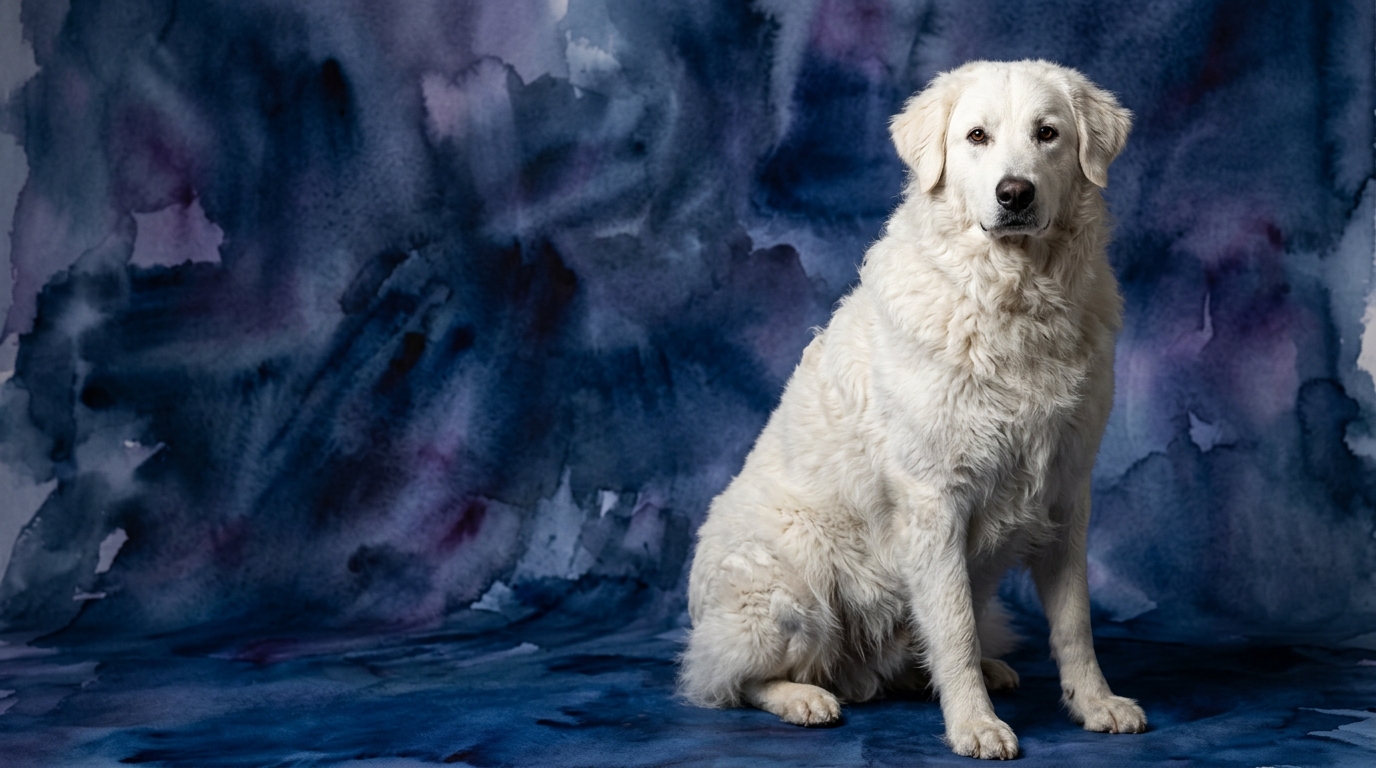
Side-by-Side IQ Profile: Rottweiler vs. Kuvasz
**Rottweiler (Coren Rank #9):** This ranking places the Rottweiler among the top tier for working and obedience intelligence, signifying a breed that grasps new commands quickly and responds reliably. Their Problem Solving (5/5) is exceptional, allowing them to navigate complex tasks, understand cause-and-effect, and adapt strategies effectively for roles from protection to search and rescue. Training Speed (4/5) means they typically learn new commands with just 5-15 repetitions, demonstrating strong retention and eager participation. Social Intelligence (4/5) reflects their acumen in processing human cues and forming strong bonds, often displaying a discerning nature towards strangers while remaining deeply loyal. Their Instinctive Drive (5/5) is profoundly developed for guarding and herding, making them formidable working partners when properly channeled. Possessing a formidable Memory (5/5), Rottweilers retain learned behaviors, routes, and individual interactions over extended periods, contributing significantly to their reliability in repeated tasks and long-term relationships.
**Kuvasz (Coren Rank #42):** While outside the top tier for obedience, this rank still indicates a capable dog, though one operating with a different cognitive framework, often prioritizing independent thought. Their Problem Solving (3/5) is moderate, often approaching challenges with an independent, observational style rooted in self-reliance for environmental assessment rather than seeking human direction. Training Speed (3/5) means learning new commands typically requires 15-25 repetitions; their independent nature often demands more patience and persuasive motivation as they ponder a command's utility. The Kuvasz exhibits a more reserved Social Intelligence (3/5), deeply bonding with immediate family but often remaining aloof or wary of outsiders, with social cues filtered through protective instincts. Their core Instinctive Drive (3/5) is primarily focused on autonomous livestock guarding, manifesting as vigilant, protective oversight. Kuvasz possess a commendable Memory (4/5), enabling them to recall past experiences, recognize individuals, and remember areas they are tasked to guard, supporting their long-term vigilance and territorial understanding.
Where the Rottweiler Wins Cognitively
The Rottweiler’s cognitive strengths shine particularly bright in scenarios requiring direct human collaboration and rapid task acquisition. Their superior Problem Solving (5/5) allows them to quickly grasp complex commands and adapt to new situations, making them exceptionally versatile in roles like competitive obedience, search and rescue, or police work. Coupled with a Training Speed of 4/5, Rottweilers absorb and retain new information efficiently, translating into a highly responsive and manageable working dog. Their high Social Intelligence (4/5) means they are generally keen to understand and respond to human directives, forging a strong partnership built on mutual understanding and a desire to please. Furthermore, an Instinctive Drive (5/5) that is readily channeled by human guidance makes them formidable for specific, directed tasks that leverage their protective and working heritage.
Where the Kuvasz Wins Cognitively
While the Kuvasz's scores might appear lower in traditional metrics, its cognitive profile is uniquely optimized for its historical role, showcasing a different kind of strength. Its Problem Solving (3/5), though not as quick for human-directed tasks, thrives in independent decision-making, such as assessing threats to livestock or family without immediate human input. This breed excels at autonomous vigilance and strategic defense, often observing and evaluating situations before reacting, a nuanced form of problem-solving. The Kuvasz's Instinctive Drive (3/5) is less about biddable execution and more about a deeply ingrained, self-directed guardianship, allowing it to patrol and protect vast areas effectively. Its strong Memory (4/5) further supports this, enabling it to recall territorial boundaries, familiar individuals, and potential threats over long periods, making it an enduring and reliable sentinel.
Which is Easier to Train and Why
Comparing training ease, the Rottweiler (Training Speed 4/5) generally presents a more straightforward experience than the Kuvasz (Training Speed 3/5). Rottweilers possess a natural inclination to work alongside their human companions, often eager to learn and respond to commands, which significantly reduces the repetitions needed for new behaviors to stick. Their higher Social Intelligence means they are more attuned to human expectations and body language, making communication during training more fluid. In contrast, the Kuvasz's independent nature and history as a self-sufficient livestock guardian mean they often require more patience and a different training approach. They tend to evaluate commands, weighing their perceived importance or logic before complying, which can make training feel slower and less direct. While capable of learning, their inherent self-reliance means they are less likely to offer immediate, enthusiastic compliance simply for the sake of pleasing their owner, demanding a trainer who understands and respects their thoughtful approach.
Which Suits Active Owners vs. Relaxed Owners
For owners seeking an active, engaged companion who thrives on structured activity and mental challenges, the Rottweiler is often the more suitable choice. Their high Problem Solving and Instinctive Drive scores indicate a need for consistent mental stimulation and physical exercise, making them ideal for individuals or families who enjoy training, dog sports, or regular, purposeful outings. A Rottweiler benefits immensely from having a 'job' and a clear leadership structure. Conversely, the Kuvasz, with its more independent cognitive profile, might be better suited for experienced owners who appreciate a dog with a strong sense of self and require less direct, hour-by-hour interaction. While they need regular exercise and mental engagement, their activities might involve patrolling a property or having a quiet, watchful presence rather than intense, human-directed sports. A Kuvasz thrives with space and a role that allows for their natural guarding instincts to be expressed in a controlled environment, making them less ideal for a highly structured, constantly interactive lifestyle typical of some active owners.
The Verdict
Choose a Rottweiler if you desire a highly trainable, versatile working partner eager for structured activities, mental engagement, and a strong, responsive bond with its family. They excel in roles requiring biddability and quick problem-solving.
Opt for a Kuvasz if you are an experienced owner seeking an independent, vigilant guardian with a deep-seated protective instinct, valuing a thoughtful, self-reliant companion over immediate obedience.
🧠 Find Your Pet's IQ Score
Our Pet IQ Lab assessment covers 25+ tests across 5 cognitive dimensions — personalized to your breed.
Take the Full IQ Test →Frequently Asked Questions
How does Coren rank relate to these specific IQ scores?
Coren rank primarily measures "working and obedience intelligence," reflecting a dog's ability to learn and comply with human commands. While it correlates with Training Speed and Problem Solving in a human-directed context, it doesn't fully capture the nuances of instinctive drives or independent problem-solving crucial for breeds like the Kuvasz.
Can a Kuvasz be a good family pet despite its independence?
Yes, a Kuvasz can be a devoted family pet, forming deep bonds with its immediate household. However, their independence and protective instincts mean they require early socialization, consistent training, and an owner who understands their need for clear boundaries and a watchful, rather than overtly playful, temperament.
What kind of mental enrichment does a Rottweiler need?
A Rottweiler thrives on mental enrichment that challenges their high problem-solving abilities and strong memory. This includes regular obedience training, puzzle toys, scent work, agility, and engaging in activities that allow them to use their natural drives purposefully, keeping their minds sharp and engaged.