
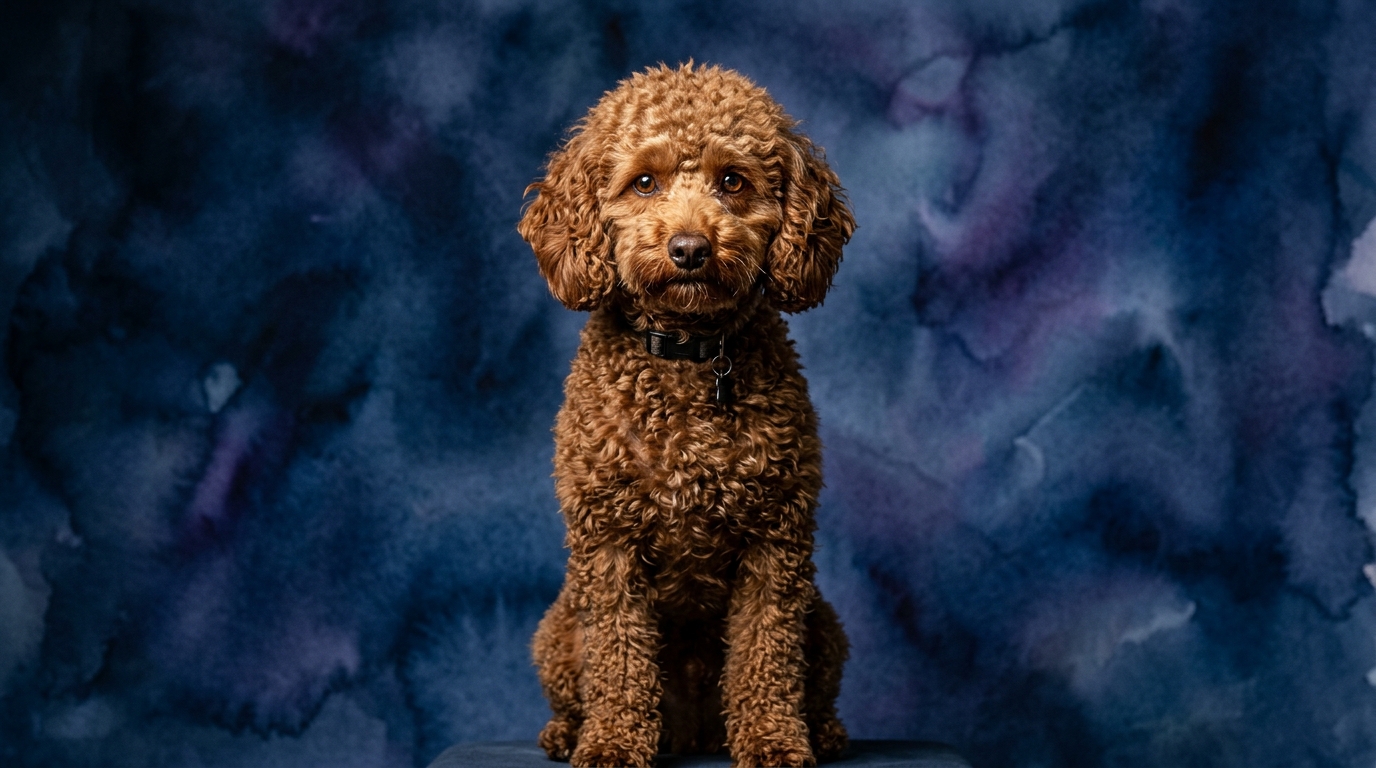
Side-by-Side IQ Profile: Rottweiler vs. Miniature Poodle
At The Cosmic Pet Pet IQ Lab, we delve into the nuanced cognitive landscapes of various breeds, and comparing the Rottweiler and the Miniature Poodle highlights a captivating divergence in intellectual strengths. The Rottweiler, a member of the Working Group, registers a Coren rank of #9, indicating a strong capacity for obedience and working tasks. Its IQ profile includes an exceptional 5/5 for Problem Solving, a solid 4/5 for Training Speed, a discerning 4/5 for Social Intelligence, a powerful 5/5 for Instinctive Drive, and a perfect 5/5 for Memory.
In contrast, the Miniature Poodle, from the Non-Sporting Group, boasts an impressive Coren rank of #2, signifying its remarkable trainability and intellectual prowess. Its IQ dimensions show an outstanding 5/5 for Problem Solving, a swift 5/5 for Training Speed, a respectable 3/5 for Social Intelligence, a moderate 3/5 for Instinctive Drive, and an impeccable 5/5 for Memory. While both breeds demonstrate high problem-solving abilities and memory, their differing scores in training speed, social intelligence, and instinctive drive paint distinct pictures of their cognitive approaches and preferred modes of engagement.
Where the Rottweiler Excels Cognitively
The Rottweiler's cognitive strengths are deeply rooted in its heritage as a working and guardian breed, manifesting particularly in its Problem Solving (5/5) and Instinctive Drive (5/5) scores. A Rottweiler demonstrates a formidable ability to analyze and resolve complex, multi-step challenges, especially those with a tangible purpose or outcome. For instance, its capacity to learn intricate protection routines, understand nuanced commands for herding, or systematically search an area for a specific scent showcases a strategic mind that thrives on meaningful work.
Furthermore, its high Instinctive Drive fuels a sustained effort and tenacity in pursuing goals, making it exceptionally effective in roles requiring endurance and focus. This drive, combined with a 4/5 Social Intelligence, allows the Rottweiler to read human cues and environmental shifts with a protective discernment, enabling it to differentiate between routine interactions and potential threats. Their robust memory (5/5) ensures they retain complex sequences, remember specific individuals, and adhere to established boundaries and routines with remarkable consistency.
Where the Miniature Poodle Shines Cognitively
The Miniature Poodle's cognitive brilliance is most evident in its unparalleled Training Speed (5/5) and its equally impressive Problem Solving (5/5) abilities, making it an exceptionally agile learner. This breed rapidly grasps new concepts, commands, and intricate sequences, often appearing to anticipate its handler's intentions. Whether mastering advanced obedience routines, excelling in complex agility courses, or learning a myriad of tricks, the Miniature Poodle approaches learning with an eager enthusiasm and a quick mental uptake.
Their problem-solving prowess is demonstrated in their ability to quickly adapt to novel situations and figure out puzzles, often for the sheer joy of mental engagement rather than a profound working drive. Coupled with a perfect 5/5 Memory, a Miniature Poodle not only learns quickly but retains information over long periods, allowing for the build-up of a vast repertoire of learned behaviors. While its Social Intelligence (3/5) might suggest a more independent approach compared to some working breeds, it forms incredibly strong, direct bonds with its primary caregivers, often performing best when closely engaged with them.
Training Dynamics: Which Breed is Easier to Shape?
When considering ease of training, the data from The Cosmic Pet Pet IQ Lab suggests distinct approaches for each breed. The Miniature Poodle, with its 5/5 Training Speed and less intense Instinctive Drive (3/5), is generally perceived as easier for a novice or moderately experienced owner to train. They possess a keen desire to please and a natural aptitude for learning, responding exceptionally well to positive reinforcement and engaging, varied training sessions. Their lower instinctive drive means there's less inherent behavior to redirect, making them highly adaptable to diverse training goals, from competitive obedience to simply being a well-mannered companion.
The Rottweiler, while possessing a strong 4/5 Training Speed, requires a more experienced and consistent hand due to its powerful 5/5 Instinctive Drive. This breed learns quickly but needs a clear purpose and firm, fair guidance to channel its natural guarding and working aptitudes. Without proper structure and consistent motivation, a Rottweiler might exhibit stubbornness or channel its drive into less desirable behaviors. Training a Rottweiler is immensely rewarding, but it demands an owner who understands breed-specific drives and can provide a structured environment, ensuring its formidable intellect and strength are directed constructively.
Matching Breeds to Lifestyles: Active vs. Relaxed Owners
The cognitive profiles of the Rottweiler and Miniature Poodle naturally align with different owner lifestyles. The Rottweiler, with its high Instinctive Drive and robust Problem Solving skills, thrives with active, experienced owners who can provide consistent structure, ample physical exercise, and significant mental engagement. These dogs excel in homes where they have a job to do, whether it's advanced obedience, protection work, or participating in working trials. They need an owner who is committed to channeling their powerful intellect and protective instincts into positive outlets, ensuring they are not left bored or undirected.
The Miniature Poodle, while also benefiting from activity, is more adaptable to a range of lifestyles. Its superior Training Speed and Problem Solving make it a fantastic companion for owners who enjoy mental games, agility, competitive obedience, or simply teaching a wide array of tricks. They can thrive in urban environments provided their needs for daily walks and regular mental stimulation are met. While they enjoy being active, their lower instinctive drive means they can also be content with a moderately active owner who prioritizes engaging their clever minds and cherishes a close, interactive bond.
The Verdict: When to Choose Each Breed
The Verdict
Choose a Rottweiler if you are an experienced owner seeking a steadfast, protective companion with a robust working drive, capable of complex tasks, and are prepared to provide structured training and ample purpose for its formidable intellect.
Opt for a Miniature Poodle if you desire a highly trainable, adaptable, and clever companion who thrives on mental engagement, quick learning, and enjoys participating in various canine sports or being an interactive, affectionate family member.
🧠 Find Your Pet's IQ Score
Our Pet IQ Lab assessment covers 25+ tests across 5 cognitive dimensions — personalized to your breed.
Take the Full IQ Test →Frequently Asked Questions
Which breed is generally more adaptable to new situations?
Both breeds possess excellent problem-solving skills, suggesting an inherent capacity for adaptability. However, the Miniature Poodle's quicker training speed and less intense instinctive drive might make it seem to adjust more readily to varied environments and novel routines, while a Rottweiler might prefer a more predictable structure and purpose.
Does a higher Coren rank always mean a 'smarter' dog?
Coren's ranking primarily assesses 'working and obedience intelligence,' focusing on trainability and command following. While the Miniature Poodle's Coren rank of #2 indicates exceptional trainability, the Rottweiler's #9 rank doesn't diminish its cognitive strengths, particularly in areas like problem-solving and instinctive drive, which are crucial for its specific roles and certainly demonstrate intellectual depth.
How do their social intelligence scores impact family life?
A Rottweiler's 4/5 social intelligence means it's adept at reading family dynamics and can be very protective, forming deep, discerning bonds with its human pack. The Miniature Poodle's 3/5 social intelligence indicates it forms strong individual bonds but might be less inclined to engage with broader group dynamics or perceive social cues with the same intensity as a working guardian breed, often focusing its social energy on its closest human companions.