
Side-by-Side Cognitive Profile
The Rottweiler, a robust working breed ranked #9 by Coren, exhibits a powerful cognitive toolkit. With a perfect 5/5 in Problem Solving and Memory, they demonstrate a profound capacity to analyze complex situations, devise solutions, and retain extensive information over time. Their Training Speed and Social Intelligence both stand strong at 4/5, reflecting their eagerness to learn and adeptness at understanding human cues. A defining 5/5 Instinctive Drive fuels their protective nature and desire for purposeful work, making them highly motivated in goal-oriented scenarios.
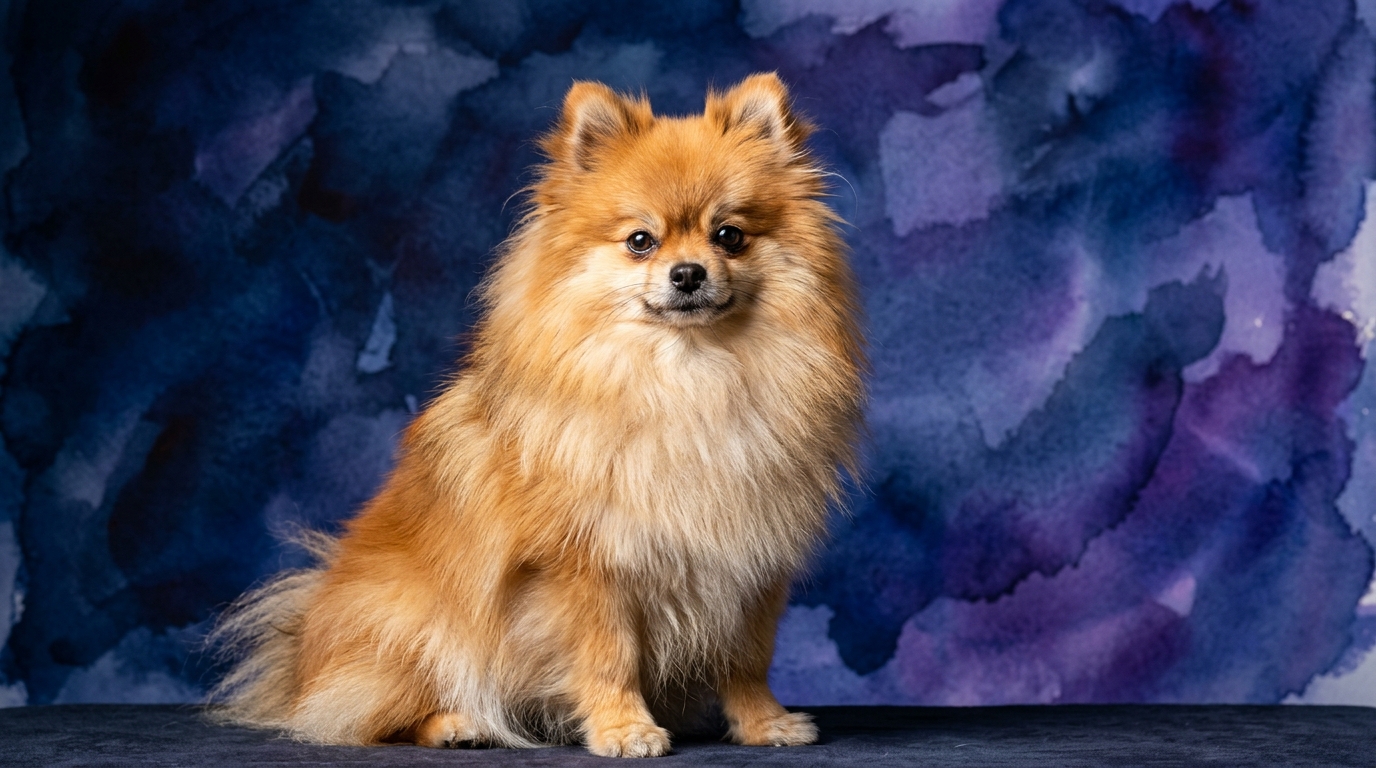
In contrast, the spirited Pomeranian, a toy breed holding Coren's #23 rank, presents a different yet engaging cognitive makeup. Their Problem Solving and Memory skills are rated 4/5, indicating a good capacity for navigating daily puzzles and recalling information, though not with the same intensity as the Rottweiler. Matching the Rottweiler with 4/5 in Training Speed and Social Intelligence, they show surprising aptitude for learning quickly and reading human emotions effectively. Their Instinctive Drive, at 3/5, suggests motivations centered more on companionship and engaging with their immediate environment rather than strenuous work.
Where the Rottweiler Excels Cognitively
The Rottweiler's cognitive strengths are most evident in tasks demanding deep analytical thought and sustained mental application. Their perfect 5/5 in Problem Solving allows them to excel at complex challenges, such as advanced obedience, intricate scent work, or independently navigating novel environments. This isn't just about following commands; it's about discerning underlying logic and formulating solutions when obstacles arise, showcasing significant cognitive flexibility. For instance, a Rottweiler might more readily figure out a tricky latch or bypass an unexpected barrier, making them exceptional for roles requiring independent thought and decision-making.
Furthermore, their unparalleled 5/5 in Memory empowers Rottweilers to build an extensive repertoire of behaviors and experiences. This superior recall facilitates highly nuanced training, allowing them to master a vast array of commands and understand subtle cues for consistent execution. This strength is crucial in working roles where remembering specific patterns, people, or locations is paramount. The combination of robust problem-solving and enduring memory forms the bedrock of their reputation as capable and dependable working companions, enabling them to process and act upon a rich tapestry of environmental information.
Where the Pomeranian Shines Cognitively
While Rottweilers excel in demanding analytical tasks, the Pomeranian's cognitive strengths shine in areas requiring quick processing within a contained environment and nuanced social interaction. Despite a commendable 4/5 in Problem Solving, their aptitude often applies to 'people problems' – quickly learning which family member is most likely to share a treat or how to strategically gain attention. Their cognitive triumphs are often subtler, focused on manipulating their environment through charm and cleverness rather than extensive logical deduction.
The Pomeranian's 4/5 in Training Speed, matching the Rottweiler, is a significant advantage for a toy breed. This indicates a surprising readiness to absorb new information and respond rapidly, making them highly adaptable to various training methods, from basic manners to intricate trick training. This quick uptake allows for engaging, responsive training sessions. Their 4/5 Social Intelligence further positions them strongly, enabling them to excel at reading human emotions and adjusting behavior accordingly. This makes them exceptionally attuned companions, often anticipating needs or offering comfort, a highly valued cognitive skill in a family pet.
Which Breed is Easier to Train, and Why?
Both breeds share a strong 4/5 in Training Speed, indicating rapid learning. However, their underlying motivations dictate the most effective training approach. The Rottweiler, with its perfect 5/5 Instinctive Drive, possesses an intrinsic desire for purposeful activity. This makes them highly receptive to training that taps into their natural inclinations for protection, obedience, or sport. They thrive on consistency, clear expectations, and challenging tasks that engage their robust problem-solving and memory. Training a Rottweiler involves harnessing their powerful physical and mental energy, directing their high drive towards constructive outlets.
Conversely, the Pomeranian's 3/5 Instinctive Drive means their training motivations are typically centered on companionship, positive reinforcement, and engaging with their human family. While they learn quickly, their focus might be more on gaining attention or treats. Effective training involves making sessions fun, short, and highly rewarding, leveraging their social intelligence. They are less likely to exhibit the same intensity or sustained focus on arduous tasks as a Rottweiler, but their quick wit and desire to please make them highly trainable for household manners and tricks. Thus, while both learn fast, the Rottweiler's inherent drive suits demanding work, whereas the Pomeranian's trainability shines in playful, relationship-focused contexts.
Cognitive Profiles and Owner Lifestyles
The choice between these breeds significantly depends on an owner's lifestyle. An active owner, ideally one who enjoys structured activities and consistent engagement, will find the Rottweiler an ideal match. Their 5/5 Instinctive Drive and 5/5 Problem Solving capability demand an outlet; without sufficient mental and physical stimulation, they can become bored. They thrive with a 'job' to do, whether advanced obedience, protection sports, or extensive daily walks and training. Owners must commit significant time to their cognitive development and physical exercise.
For relaxed owners, or those seeking a companion whose cognitive demands are more centered on social interaction, the Pomeranian is often more fitting. While they benefit from regular walks and enrichment, their 3/5 Instinctive Drive means primary needs are fulfilled through companionship, playtime, and short, engaging training. Their cognitive agility and social intelligence make them wonderful lap dogs and attentive family members content with moderate activity and consistent human interaction. They suit apartment living, provided owners are present and willing to engage them mentally through play and training, without the intense physical commitment a Rottweiler requires.
The Verdict
Choose the Rottweiler if you are an experienced, active owner seeking a highly capable, driven companion for demanding training, protection roles, or complex problem-solving activities, ready to commit to their substantial mental and physical needs.
Opt for the Pomeranian if you desire a bright, adaptable, and socially astute companion for a more relaxed lifestyle, prioritizing engaging companionship, moderate activity, and fun, responsive training sessions in a family setting.
🧠 Find Your Pet's IQ Score
Our Pet IQ Lab assessment covers 25+ tests across 5 cognitive dimensions — personalized to your breed.
Take the Full IQ Test →Frequently Asked Questions
Do Rottweilers require extensive mental stimulation daily?
Yes, Rottweilers possess a 5/5 Problem Solving ability and a 5/5 Instinctive Drive, meaning they absolutely thrive on consistent mental challenges. Daily training, puzzle toys, and engaging activities are crucial to prevent boredom and ensure their well-being.
Are Pomeranians difficult to train due to their small size?
Not at all; Pomeranians boast a 4/5 Training Speed, indicating they learn new commands quickly. Their trainability is often underestimated, making them responsive to positive reinforcement and capable of mastering a variety of tricks and manners with relative ease.
How does social intelligence differ between these two breeds?
Both breeds score 4/5 in Social Intelligence, meaning they generally read human cues well. Rottweilers often apply this to understanding family dynamics and their role as protectors, while Pomeranians use it to navigate household interactions and secure companionship and attention.