
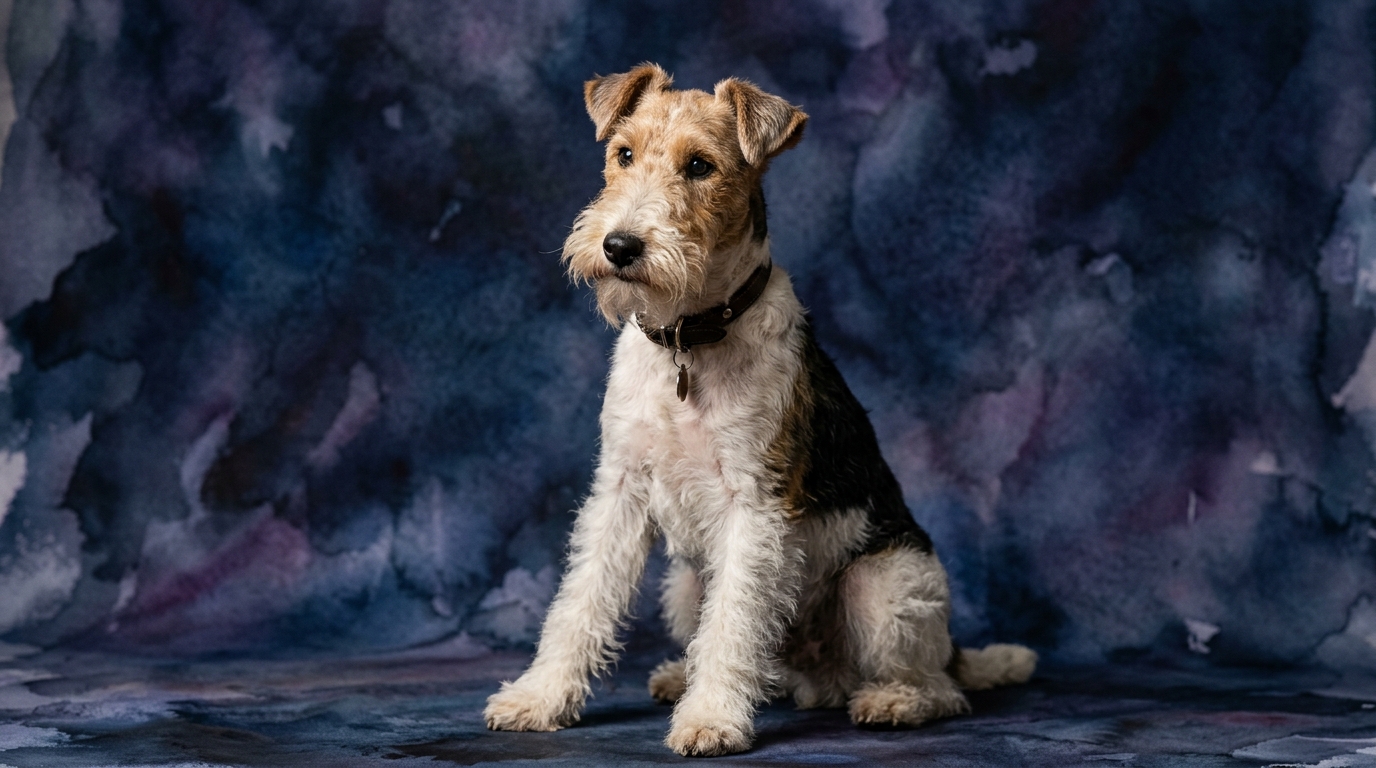
Side-by-Side IQ Profile: Rottweiler vs. Wire Fox Terrier
The Rottweiler’s cognitive strengths are deeply rooted in their working heritage, reflecting a breed designed for purpose and partnership. Their Problem Solving is rated 5/5, demonstrating a methodical capacity to analyze complex situations and devise effective solutions, often showing deliberate thought in overcoming obstacles. Training Speed at 4/5 indicates they absorb new commands and routines efficiently, requiring fewer repetitions due to their focus and desire to work in tandem with their handler. Social Intelligence scores 4/5, meaning they possess a nuanced understanding of human social cues, forming deep, protective bonds and reacting appropriately to various social dynamics. Their Instinctive Drive is a powerful 5/5, driven by a historical imperative for protection and herding, leading to a strong work ethic, vigilance, and a profound need for purpose. Finally, Memory is 5/5, exhibiting exceptional long-term retention for commands, people, places, and experiences, ensuring consistent behavior and reliable recall.
In contrast, the Wire Fox Terrier presents a different set of cognitive priorities, shaped by their role as independent vermin hunters. Their Problem Solving is 3/5, where they approach challenges with persistent, often impulsive action rather than methodical analysis, frequently trying multiple energetic attempts to achieve a goal. Training Speed is 3/5; they learn but often require more engaging, consistent methods due to an independent nature and strong prey drive that can divert focus. Social Intelligence is 3/5; they are sociable within their chosen circle but may interact more directly, showing less concern for subtle human emotional states, though forming strong attachments. Their Instinctive Drive is 3/5, primarily focused on independent hunting and pursuit of small game, manifesting as digging, chasing, and curious investigation rather than collaborative tasks. Memory also rates 3/5, possessing adequate retention for routines, but recall can be influenced by immediate distractions, necessitating consistent reinforcement for solid retention.
Where the Rottweiler Wins Cognitively
The Rottweiler’s cognitive advantages are most apparent in their capacity for structured learning and methodical task execution. Their 5/5 Problem Solving allows them to dissect complex challenges, such as navigating intricate obedience courses or understanding multi-step commands, with a deliberate, analytical approach rather than impulsive trial-and-error. This cognitive depth means they often anticipate requirements and adapt their behavior proactively, which is invaluable in roles demanding precision and consistency.
Furthermore, the Rottweiler's superior Memory (5/5) means that once a concept or command is learned, it tends to be retained with remarkable permanence. This aids significantly in advanced training and long-term behavioral reliability, where lessons from months or even years ago can be recalled with ease. Their high Social Intelligence (4/5) also provides a distinct edge in collaborative activities, enabling them to read human intentions and emotional states with greater nuance, fostering a deep, symbiotic partnership built on mutual understanding and trust.
Where the Wire Fox Terrier Wins Cognitively
While the Wire Fox Terrier's cognitive profile differs from the Rottweiler's, their strengths are uniquely suited to their historical purpose: independent, tenacious hunting. Their 3/5 Problem Solving, though not analytical, reflects a spirited, persistent approach to immediate obstacles, often through sheer determination and creative, albeit sometimes chaotic, means. This might manifest as an unwavering effort to reach a hidden toy or find a way through a perceived barrier, demonstrating a remarkable refusal to give up.
The Wire Fox Terrier's Instinctive Drive (3/5), while lower than the Rottweiler's, is intensely focused on independent exploration and the pursuit of small game. This translates into an unyielding focus on scent trails, the thrill of the chase, and an insatiable curiosity about their surroundings. This inherent independence, while requiring specific training approaches, means they are less reliant on constant human direction for motivation, thriving in environments where they can exercise their own agency and investigate with boundless enthusiasm.
Training Dynamics: Rottweiler vs. Wire Fox Terrier
When it comes to conventional training, the Rottweiler generally presents as the more straightforward student. Their 4/5 Training Speed, combined with a 5/5 Memory and a strong Instinctive Drive for purposeful work, means they grasp commands rapidly and retain them reliably. Rottweilers often exhibit a profound desire to engage with their handler and a natural inclination towards structure and routine, allowing for swift progression through obedience levels. For instance, teaching a Rottweiler a complex protection routine or an advanced obedience sequence often involves fewer repetitions and a more focused engagement than with many other breeds.
The Wire Fox Terrier, with a 3/5 Training Speed and a more independent Instinctive Drive (3/5), requires a different, often more creative, training approach. Their enthusiasm can be channeled effectively, but their strong prey drive and tendency towards independent decision-making mean that training sessions must be highly engaging, varied, and consistent to overcome potential distractions. Trainers must be prepared for a more persistent effort, using positive reinforcement and short, dynamic sessions to maintain their focus and enthusiasm, acknowledging that their inherent terrier tenacity might lead to selective hearing when a more interesting scent or sight captivates them.
Matching Breeds to Lifestyles: Active vs. Relaxed Owners
The choice between these two breeds significantly hinges on an owner's lifestyle and energy levels. The Rottweiler, with its high Instinctive Drive (5/5) and a fundamental need for purpose, is best suited for active owners who can provide consistent mental and physical challenges. This includes structured training, dog sports like protection work or competitive obedience, and regular, vigorous exercise. A Rottweiler thrives when given a job, whether it's guarding the home, participating in advanced training, or simply being a focused companion on long hikes, making them less suitable for owners seeking a low-maintenance, sedentary companion.
The Wire Fox Terrier, while smaller in stature, is far from a relaxed companion. Their instinctive drive, though rated 3/5, is geared towards persistent activity and exploration. They are ideal for active owners who appreciate a spirited, tenacious dog ready for adventures, often involving digging, chasing, and investigating. They require daily outlets for their boundless energy, whether it's extended play sessions, earthdog trials, or long walks with plenty of sniffing opportunities. They are not well-suited for owners seeking a quiet lapdog, as their independent and inquisitive nature can lead to destructive behaviors if not adequately stimulated and exercised.
The Verdict: When to Choose Each
The Verdict
Opt for a Rottweiler if you are an experienced owner seeking a dedicated, trainable partner for protection, obedience, or a structured working role, and can provide consistent mental and physical engagement.
Select a Wire Fox Terrier if you appreciate a spirited, independent companion with boundless energy for outdoor adventures, and are prepared for consistent, engaging training to channel their tenacity.
🧠 Find Your Pet's IQ Score
Our Pet IQ Lab assessment covers 25+ tests across 5 cognitive dimensions — personalized to your breed.
Take the Full IQ Test →Frequently Asked Questions
Is a Rottweiler difficult to manage due to its strong instincts?
A Rottweiler's powerful instinctive drive requires consistent, early socialization and training to channel it appropriately. With proper guidance, this drive translates into loyalty and a strong work ethic, making them dedicated companions rather than difficult to manage.
Do Wire Fox Terriers need a lot of exercise despite their size?
Absolutely. Despite their smaller stature, Wire Fox Terriers possess significant energy and an ingrained drive for activity. They require regular, vigorous exercise and mental stimulation to prevent boredom and destructive behaviors.
Can a Wire Fox Terrier be a good family dog?
Yes, Wire Fox Terriers can be excellent family dogs, forming strong bonds with their human companions. However, their spirited nature and prey drive mean they thrive best in active households with consistent training and supervision, especially around younger children or other small pets.