A Side-by-Side Look at Feline Cognition
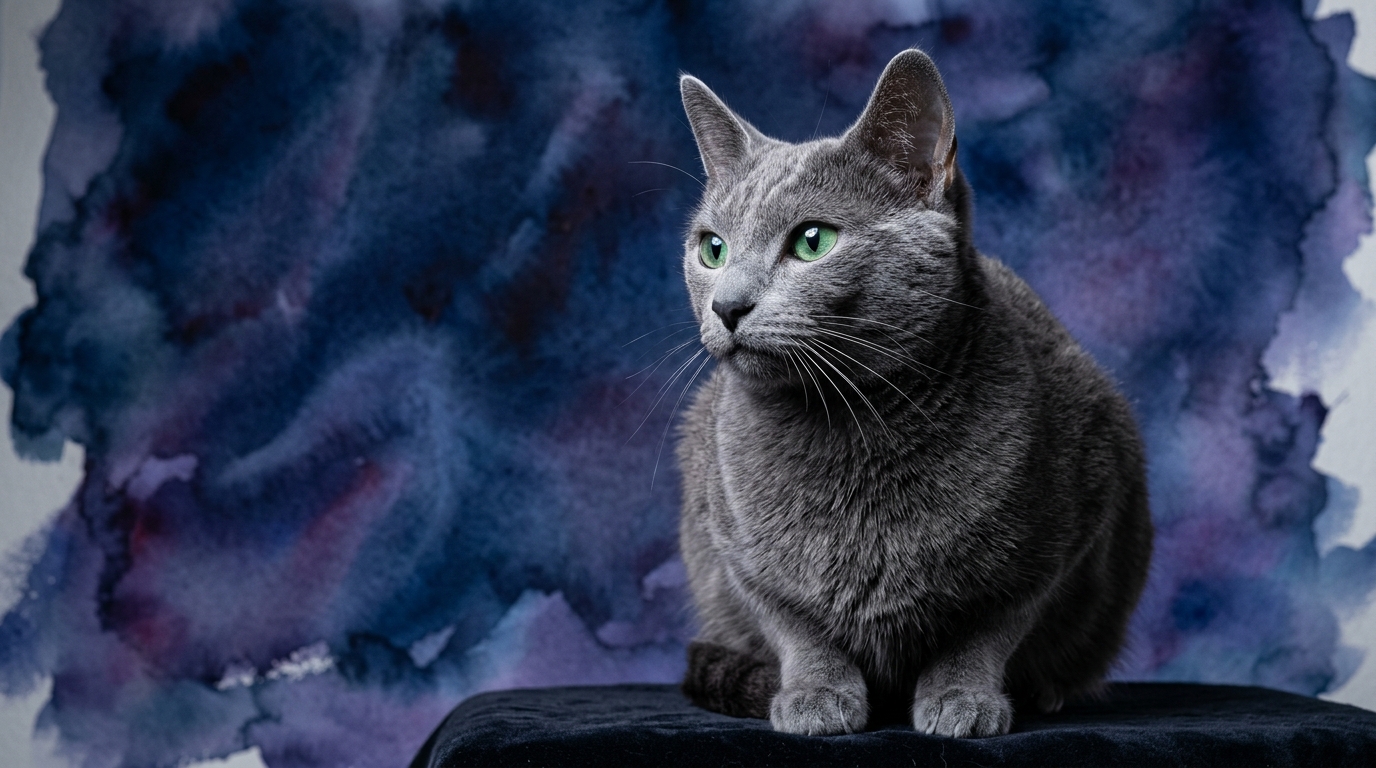
The Russian Blue presents a compelling cognitive profile, marked by exceptional recall and a thoughtful approach to its environment. Their problem-solving ability is rated 4/5, indicating a strong capacity to analyze situations and devise solutions, such as figuring out how to open a cupboard or retrieve a hidden toy with purpose.
With a training speed of 3/5, they learn new commands at a steady, rather than rapid, pace, typically requiring consistent reinforcement and patience. Their social intelligence, at 4/5, reflects a perceptive understanding of human moods and routines, allowing them to form deep, albeit sometimes reserved, bonds, often observing before engaging.
An instinctive drive of 3/5 means they possess a moderate prey drive, enjoying interactive play without being overly intense. Their most distinguishing cognitive trait is a perfect 5/5 memory, enabling exceptional recall of intricate routines, specific people, and precise navigation of familiar spaces, often anticipating daily events with remarkable accuracy.
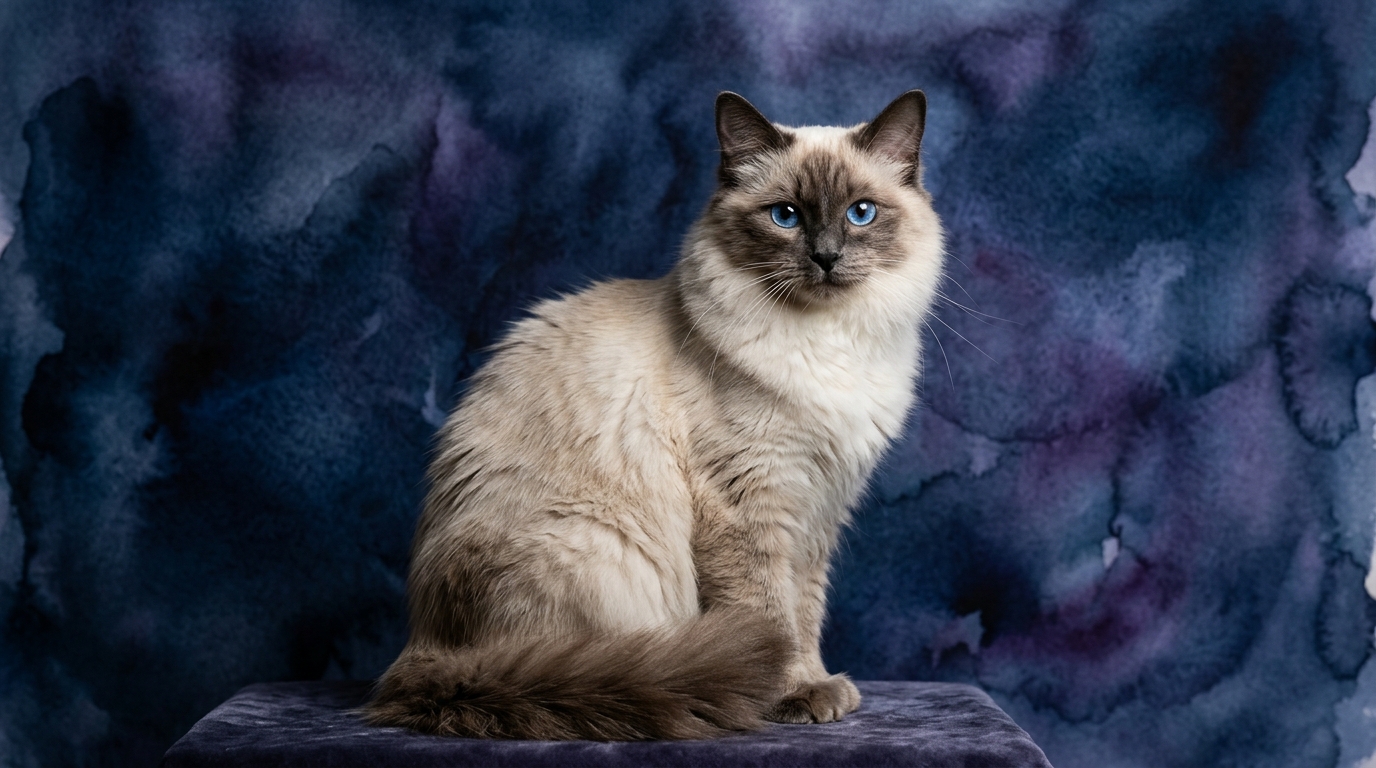
In contrast, the Balinese cat offers a cognitive blueprint emphasizing rapid learning and profound social engagement. Matching the Russian Blue, their problem-solving ability scores 4/5, demonstrating an equal aptitude for overcoming environmental challenges and understanding cause-and-effect relationships effectively.
Where the Balinese truly shines is in training speed, achieving a remarkable 5/5; this breed is renowned for its quick grasp of new concepts, often learning complex tricks and routines with surprising efficiency and enthusiasm. Their social intelligence is also top-tier, scoring 5/5, indicating deep attunement to human emotions, active seeking of engagement, and frequent communication through diverse vocalizations.
Similar to the Russian Blue, their instinctive drive is rated at 3/5, signifying a healthy interest in play that simulates hunting, enjoying interactive toys without excessive demands for outdoor pursuits. While still impressive, the Balinese memory score of 4/5 is slightly below the Russian Blue, maintaining strong recall of routines and people, though perhaps with marginally less photographic precision.
Where the Russian Blue's Mind Shines Brightest
The Russian Blue’s cognitive landscape is particularly distinguished by its exceptional memory (5/5). This isn't merely about remembering where the food bowl is; it extends to an intricate recall of household schedules, specific family members, and even the subtle nuances of human behavior. Owners often report that their Russian Blue seems to anticipate their actions, knowing when it's time for breakfast, a specific play session, or even when a particular person is due home, based on established patterns. This strong memory contributes significantly to their sense of security and their ability to thrive in a consistent environment.
Coupled with their solid problem-solving skills (4/5), this memory allows Russian Blues to navigate their world with a quiet competence. If a toy is hidden in the same spot repeatedly, a Russian Blue will quickly commit that location to memory, making future retrieval almost effortless. They learn the intricacies of their home, understanding which doors creak, which cupboards might offer an interesting scent, and which window offers the best view of the birds, all through a process of observation and retention. This combination results in a cat that is not only capable of figuring things out but also remembers the solutions for future application, making them adept at mastering their immediate surroundings.
The Balinese Edge in Mental Acuity
The Balinese cat's cognitive strengths pivot around its outstanding training speed (5/5) and unparalleled social intelligence (5/5), making them particularly responsive and interactive companions. Their rapid learning ability means they pick up new commands and tricks with remarkable swiftness, often requiring fewer repetitions than many other breeds. This makes them excellent candidates for advanced training, such as leash walking, fetch, or even more complex sequences. Their eager-to-please nature, combined with this quick grasp, transforms training sessions into engaging, rewarding interactions rather than tedious drills.
Their perfect score in social intelligence translates into a cat that is deeply connected to its human family. Balinese cats are not just present; they actively participate in household life, often 'conversing' with their owners through a diverse range of vocalizations. They are highly perceptive of emotional cues, often offering comfort or seeking attention when they sense a shift in human mood. This profound social awareness drives their desire for interaction, making them constant companions who thrive on being part of every activity, from watching television to assisting with chores. Their intelligence isn't just about problem-solving; it's about understanding and engaging with the social world around them.
Training Potential: Patience vs. Prowess
When considering training, the differences between these two breeds become quite pronounced, reflecting their distinct cognitive priorities. The Russian Blue, with a training speed of 3/5, is certainly trainable, but success hinges on patience and consistency. They may take more time to grasp a new command, requiring more frequent repetitions and a calm, reassuring approach. Once a behavior is learned, however, their exceptional memory (5/5) ensures strong retention. This means that while the initial learning phase might be slower, the knowledge sticks, making them reliable in their learned behaviors over the long term. Owners should approach training with an understanding that progress will be steady rather than instantaneous, focusing on positive reinforcement to build confidence.
In stark contrast, the Balinese cat, boasting a training speed of 5/5, is often described as a dream to train. Their innate eagerness to learn and their high social intelligence (5/5) mean they are actively seeking opportunities to interact and understand human expectations. This breed often learns new tricks and commands with surprising speed, sometimes after just a few repetitions. Their vocal nature can also be leveraged in training, as they often 'talk' back, creating a conversational dynamic during sessions. For owners who enjoy teaching their pets complex behaviors or want a cat that can easily adapt to new routines, the Balinese offers a highly responsive and enthusiastic student, turning training into an engaging partnership.
Matching Minds to Lifestyles: Active vs. Relaxed
Understanding the cognitive profiles of the Russian Blue and Balinese is key to matching them with the right owner lifestyle. The Russian Blue, with its balanced social intelligence (4/5) and unparalleled memory (5/5), generally thrives in a more serene and predictable environment. They are deeply perceptive companions who appreciate routine and a calm household rhythm. While they form strong bonds and enjoy interaction, they are not typically demanding of constant attention. They might prefer to observe from a comfortable perch, coming for cuddles on their own terms, making them an excellent fit for relaxed owners who appreciate a loyal, perceptive presence without the need for continuous, high-energy engagement. Their strong memory means they will remember and anticipate their owner's schedule, providing a comforting, predictable companionship.
The Balinese, on the other hand, with its top scores in social intelligence (5/5) and training speed (5/5), is best suited for active owners who can provide ample mental stimulation and consistent interaction. This breed flourishes when integrated fully into family life, enjoying play sessions, training exercises, and even 'conversations' with their humans. They are curious, often following their owners from room to room, eager to participate in whatever activity is happening. Owners who enjoy teaching tricks, engaging in interactive games, and having a vocal, communicative companion will find the Balinese to be an incredibly rewarding match. Their need for engagement means they are not ideal for households where they would be left alone for extended periods without mental enrichment.
The Verdict
Choose the Russian Blue for a perceptive, loyal companion who thrives on routine and offers a quieter, deeply bonded presence, especially if you value an animal with exceptional recall and a serene demeanor.
Opt for the Balinese if you seek a highly interactive, quick-to-learn feline companion eager for engagement, training, and constant communication, fitting well into an active, stimulating household.
🧠 Find Your Pet's IQ Score
Our Pet IQ Lab assessment covers 25+ tests across 5 cognitive dimensions — personalized to your breed.
Take the Full IQ Test →Frequently Asked Questions
Are Russian Blues good at learning tricks?
Russian Blues possess a moderate training speed (3/5), meaning they can learn tricks, but it may require more consistent repetition and patience compared to breeds with higher scores. Their strong memory assists in retention once learned, making them reliable once a behavior is established.
Do Balinese cats require a lot of mental stimulation?
Yes, Balinese cats, with their high social intelligence (5/5) and training speed (5/5), thrive on mental stimulation and interaction. They enjoy learning, playing, and communicating with their human companions, making regular engagement crucial for their well-being and to prevent boredom.
Which breed is more independent?
While both breeds appreciate their independence, the Russian Blue, with a social intelligence of 4/5, tends to be somewhat more self-sufficient, enjoying quiet observation and interaction on its own terms. The Balinese, scoring 5/5 in social intelligence, often seeks out more direct interaction and involvement with its human family, making them less independent in their daily needs for engagement.