
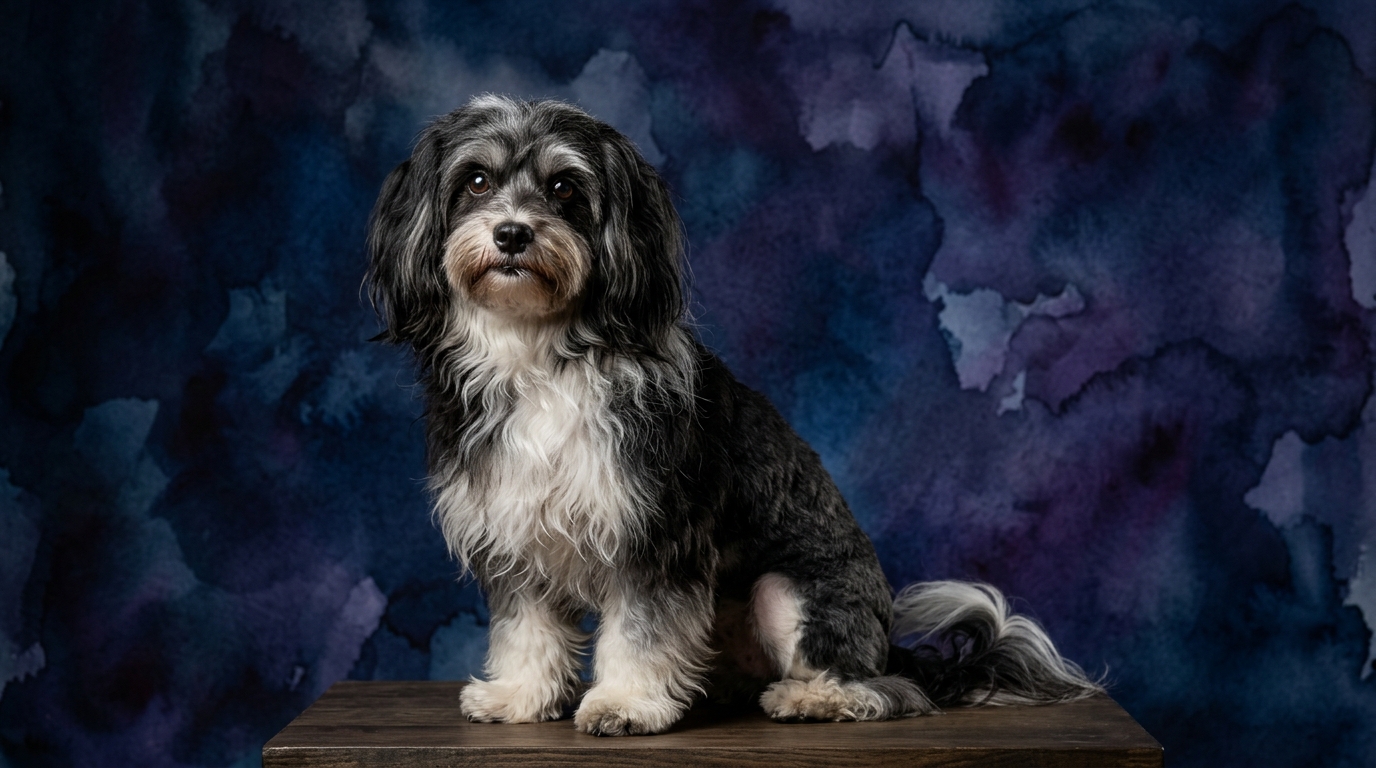
Side-by-Side IQ Profile: Unpacking the 3/5 Score
At first glance, the Cosmic Pet Pet IQ Lab data presents an intriguing parity: both the Russian Toy and the Löwchen register a consistent 3 out of 5 across all five cognitive dimensions. This identical score suggests a baseline of competence, adaptability, and responsiveness that is neither exceptionally challenging nor overwhelmingly brilliant. However, the true distinction lies not in the numerical value itself, but in how these shared capabilities manifest within the unique temperaments and historical contexts of each breed, shaping their daily interactions and learning styles.
For Problem Solving, a 3/5 indicates that both breeds are capable of navigating common household challenges and learning routines, but they are unlikely to be master strategists devising elaborate escape plans or complex puzzle solutions. A Russian Toy might use its problem-solving acumen to figure out how to get attention or locate a favorite toy hidden under a blanket, often relying on its keen observation of human behavior. The Löwchen, with its more robust and active nature, might apply its 3/5 problem-solving to figuring out new play strategies or exploring novel environments with curious determination, perhaps less focused on subtle social cues and more on physical interaction.
Training Speed at 3/5 means both breeds will respond well to consistent, positive reinforcement training, though neither is likely to pick up complex commands in a single session. The Russian Toy, being a sensitive and eager-to-please companion, often thrives on gentle, reward-based methods, and its smaller stature might mean fewer physical distractions during training. The Löwchen, often described as cheerful and outgoing, might learn best through engaging, game-like training sessions that harness its playful spirit, potentially requiring a bit more patience to maintain focus amidst its exuberance.
Social Intelligence, also at 3/5, suggests both breeds possess a good capacity to read human emotions and bond with their families. For the Russian Toy, this often translates into a deep, almost intuitive connection with its primary caregiver, making it highly attuned to subtle shifts in mood or routine within its immediate family circle. The Löwchen's social intelligence, while equally present, might manifest as a more generally outgoing and adaptable demeanor, allowing it to comfortably interact with a wider circle of people and even other animals, demonstrating a friendly curiosity rather than intense focus on one individual.
Instinctive Drive at 3/5 implies a moderate level of natural dog behaviors such as chasing, guarding, or scenting, but not to an overwhelming degree. The Russian Toy, despite its tiny size, can exhibit a surprisingly alert and vocal instinctive drive, often serving as a diligent, albeit miniature, watchdog, barking at perceived threats or unfamiliar sounds. Its instincts are often geared towards companion protection and alerting. The Löwchen, historically a companion dog, might express its instinctive drive through playful 'hunting' of toys, or a general alertness that makes it a good household sentinel without being overly aggressive. Its drives are typically channeled into joyful interaction and companionship.
Finally, Memory at 3/5 signifies that both breeds are capable of retaining learned commands, routines, and experiences reasonably well. A Russian Toy will remember its training and the daily rhythms of its home, often anticipating walks or meal times with precision. Its memory for positive and negative experiences can be quite strong, influencing its future interactions. The Löwchen's memory ensures it recalls its training and familiar faces, but it might also remember exciting play spots or favorite walking routes, associating them with positive experiences that fuel its joyful disposition.
Where the Russian Toy Excels Cognitively
While sharing identical scores, the Russian Toy often demonstrates its cognitive strengths in areas requiring nuanced sensitivity and close companionship. Its 3/5 social intelligence, for instance, frequently manifests as an exceptional attunement to its owner's emotional state, making it a remarkably empathetic companion. This isn't about complex theory of mind, but rather a keen ability to register subtle human cues, responding with comforting presence or playful distraction as needed. Owners often report their Russian Toys seem to 'know' when they're upset, offering a gentle nudge or a quiet cuddle, a practical application of their social understanding within a very intimate context.
Furthermore, their 3/5 problem-solving often shines in navigating complex social dynamics within a small family unit or devising strategies to gain attention and affection. They might figure out the precise timing for a 'puppy-dog-eyes' appeal or the most effective way to nudge a hand for petting, showcasing a practical intelligence geared towards maximizing their role as cherished companions. Their memory, also 3/5, combined with their social acumen, means they vividly recall preferred routines and the specific likes and dislikes of their human family members, creating a predictable and comforting daily rhythm. This makes them adept at fitting seamlessly into an established household structure, remembering where treats are kept or which family member is most likely to share a lap.
Where the Löwchen Shines Cognitively
The Löwchen, despite the same 3/5 cognitive ratings, often displays its intellectual prowess through a more robust and adaptable engagement with its environment and a wider social circle. Their 3/5 problem-solving often translates into a spirited curiosity and ability to adapt to new situations or games with enthusiasm. They might be more inclined to explore a novel toy or an unfamiliar space, figuring out how new objects work through playful experimentation rather than cautious observation. This practical intelligence makes them engaging partners for varied activities, always ready for the next adventure or mental challenge.
Their social intelligence, also 3/5, often manifests as a more universally friendly and outgoing disposition. Löwchens tend to be equally comfortable and engaging with various people, not just their primary caregiver, making them excellent companions for households with frequent visitors or those who enjoy taking their dog to social gatherings. This broader social adaptability means their 3/5 score translates into a delightful ease in diverse social settings. Coupled with their 3/5 memory, they recall a wider array of positive social interactions and environmental experiences, contributing to their generally joyful and confident demeanor in varied contexts, making them less prone to shyness or apprehension in new surroundings.
Training: Nuances Behind the Shared 3/5 Training Speed
Both the Russian Toy and the Löwchen share a 3/5 rating for training speed, indicating they are generally receptive to learning but benefit most from consistent, positive reinforcement. However, the 'how' of their training experience can differ significantly due to their inherent temperaments. The Russian Toy, often described as sensitive and eager to please, typically responds best to gentle, encouraging methods. Harsh corrections or loud voices can easily overwhelm this delicate breed, causing them to shut down or become anxious. Their small size means they are less physically demanding to manage, but their sensitivity requires a trainer to be highly attuned to their emotional state, rewarding calm focus and building confidence incrementally. They are often highly motivated by praise and small, high-value treats, quickly forming associations in a calm, structured environment.
The Löwchen, known for its cheerful, outgoing, and sometimes mischievous personality, often thrives on training sessions that are fun and engaging. While equally responsive to positive reinforcement, their lively nature might require more varied and game-based approaches to keep their attention. They can be easily distracted by exciting environmental stimuli, so maintaining focus might be the primary challenge rather than understanding the command itself. Their playful spirit means they often view training as another opportunity for interaction and fun, making them resilient and generally forgiving of minor training inconsistencies, as long as the overall experience remains positive and rewarding. They might need more physical activity prior to training sessions to help them settle and concentrate effectively.
Lifestyle Match: Active vs. Relaxed Owners
When considering which breed aligns with an active versus a relaxed owner, the key lies in understanding how their shared cognitive scores integrate with their typical energy levels and physical needs. The Russian Toy, despite its alert nature, generally has lower exercise requirements. Its 3/5 instinctive drive is often satisfied with indoor play, short walks, and mental stimulation through interactive toys or training. This makes them an excellent fit for more relaxed owners or those living in apartments who can provide consistent, gentle mental engagement and intimate companionship without needing extensive outdoor adventures. Their problem-solving and social intelligence are perfectly suited for a quiet, predictable home environment where they can be the focal point of affection.
The Löwchen, on the other hand, while a companion breed, often possesses a more vivacious and playful energy. Its 3/5 instinctive drive expresses itself in a desire for varied activities, including regular walks, playtime in a securely fenced yard, or even participation in dog sports like agility or obedience. This makes the Löwchen a better match for active owners who enjoy incorporating their dog into daily activities and providing consistent opportunities for both physical and mental exertion. Their adaptable social intelligence and problem-solving skills allow them to thrive in dynamic environments, enjoying new experiences and interacting with a broader range of people and situations.
The Verdict
Choose the Russian Toy if you seek a delicate, deeply attuned companion who thrives on intimate connection and gentle mental engagement within a calm, predictable home environment. They are perfect for owners who appreciate subtle communication and a loyal shadow.
Opt for the Löwchen if you desire a cheerful, outgoing, and adaptable companion who enjoys varied activities, social interaction, and brings a lively, playful energy to an active household. They are ideal for owners who want an engaging partner for adventures.
🧠 Find Your Pet's IQ Score
Our Pet IQ Lab assessment covers 25+ tests across 5 cognitive dimensions — personalized to your breed.
Take the Full IQ Test →Frequently Asked Questions
Do Russian Toys and Löwchens learn at the same pace?
Based on their identical 3/5 training speed, both breeds have a similar capacity for learning new commands. The main difference lies in their temperament: Russian Toys thrive with gentle methods, while Löwchens benefit from engaging, game-based training to maintain focus.
Which breed is better with strangers or new situations?
While both have 3/5 social intelligence, the Löwchen's often manifests as a more universally outgoing and adaptable demeanor, making them generally more comfortable with strangers and new situations. Russian Toys tend to be more reserved and deeply bonded to their immediate family.
Are these breeds good for apartment living?
Both can adapt to apartment living, but the Russian Toy typically requires less strenuous exercise and is often content with indoor play and short walks, making them an excellent fit. The Löwchen, while adaptable, benefits from more consistent physical activity and varied mental stimulation to satisfy its lively nature.