Side-by-Side Cognitive Profiles
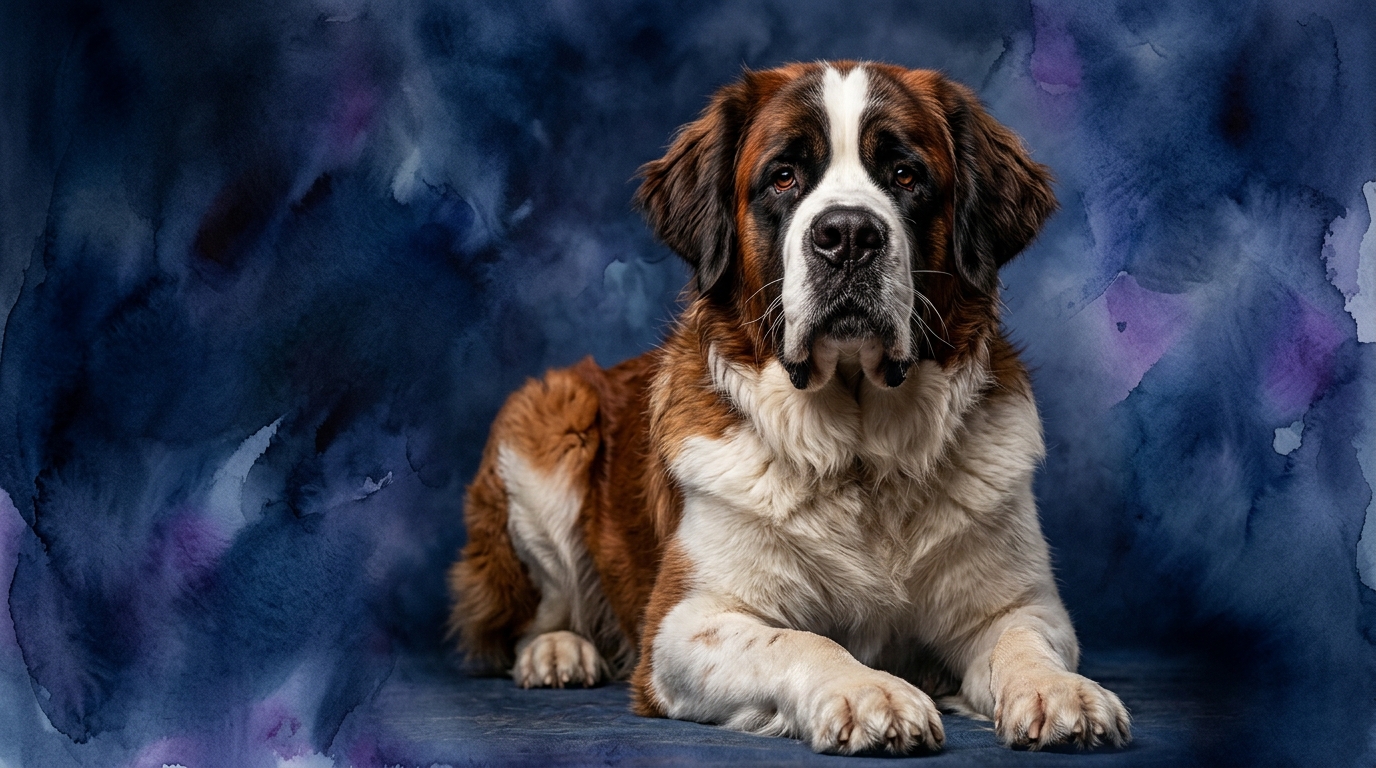
The Cosmic Pet Pet IQ Lab provides a structured framework to understand canine cognition, evaluating breeds across five crucial dimensions. For the Saint Bernard, this large working dog presents a profile reflecting its historical roles and temperament: problem-solving at 3/5, training speed at 2/5, social intelligence at an impressive 4/5, instinctive drive at 5/5, and memory at 3/5. These scores suggest a deliberate learner with deep social connections and powerful innate motivations.
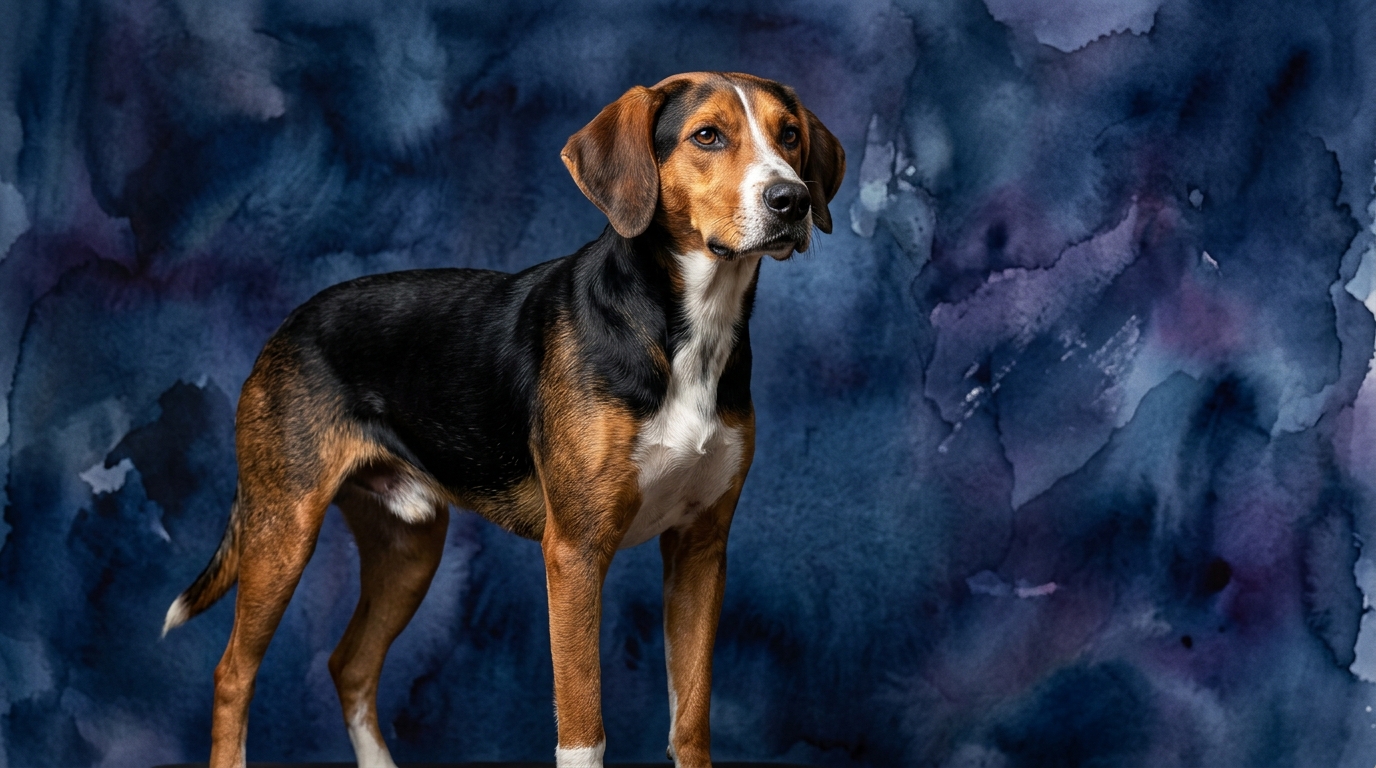
In contrast, the American Foxhound, a hound breed not ranked by Coren, demonstrates a different set of cognitive priorities. Its profile includes problem-solving at 3/5, training speed at 3/5, social intelligence at 3/5, instinctive drive at 3/5, and memory at 3/5. This suggests a more balanced, albeit independent, cognitive make-up, honed for endurance and tracking rather than complex human interaction or protection.
Breaking down these dimensions further, the Saint Bernard's moderate problem-solving capacity means they are adept at navigating familiar situations and simple obstacles, but less inclined towards abstract or novel puzzle-solving. Their slower training speed indicates a need for patience and repetition to solidify commands. However, their high social intelligence allows them to form profound emotional bonds and respond keenly to human emotional states, while their maximum instinctive drive speaks to their inherent protective and search-and-rescue inclinations. Memory is generally solid for routines and commands.
The American Foxhound shares a similar problem-solving score, particularly excelling in practical, environmental challenges related to scent work. Their training speed is a step quicker than the Saint Bernard's, indicating a moderate ability to grasp new cues. Their social intelligence, while respectable, leans more towards general friendliness than deep emotional attunement. The Foxhound's instinctive drive, rated at 3/5, is strongly geared towards scenting and pursuit, a powerful motivation that can dominate their focus. Their memory is reliable for trails and learned behaviors pertinent to their hunting heritage.
Where the Saint Bernard's Cognition Shines
The Saint Bernard truly excels in the realm of social intelligence, scoring 4/5, a point higher than the American Foxhound. This superior capacity translates into an extraordinary ability to perceive and respond to human emotions, making them exceptionally empathetic companions. They are often intuitive about their owner's moods, offering comfort and presence without explicit prompting, a trait invaluable in therapy work or as emotional support animals.
Furthermore, their instinctive drive, rated at a commanding 5/5, is a significant cognitive advantage for their historical roles. This isn't merely physical strength, but an innate, deep-seated motivation for safeguarding and, historically, locating individuals lost in treacherous conditions. This powerful drive underpins their reputation as devoted protectors and makes them incredibly purpose-driven when it comes to their perceived duty to their family, a cognitive framework focused on vigilance and care.
American Foxhound's Cognitive Advantages
While the American Foxhound's scores might appear lower or equal in several categories, its cognitive strengths are uniquely tailored to its purpose. A key advantage lies in its training speed, rated at 3/5, which is a point higher than the Saint Bernard's. This indicates a relatively quicker ability to process and internalize new commands and routines. When engaged and motivated, American Foxhounds can pick up new tasks with moderate efficiency, making them responsive learners in a structured environment.
Moreover, while both breeds score 3/5 in problem-solving, the nature of the Foxhound's problem-solving is distinct and highly specialized. They exhibit exceptional cognitive prowess in real-world, environmental challenges, particularly those involving scent. Navigating complex terrain, discerning faint trails, and overcoming obstacles to follow a scent line are all sophisticated problem-solving tasks that their minds are acutely wired for. This specific problem-solving acumen, honed over centuries of tracking, demonstrates a highly effective, independent cognitive function vital for their breed type.
Training Dynamics: Saint Bernard vs. American Foxhound
When considering ease of training, the differences between these two breeds are pronounced, stemming from their distinct cognitive profiles and behavioral tendencies. The Saint Bernard, with a training speed of 2/5, requires significant patience and consistent repetition. They are deliberate processors, meaning new commands take time to fully integrate. However, their high social intelligence (4/5) often translates into a strong desire to please their human companions. This willingness, combined with their empathetic nature, means that while they may learn slowly, they are typically cooperative and respond very well to positive reinforcement and gentle, consistent guidance, forming strong bonds with their trainers.
The American Foxhound, despite a slightly higher training speed of 3/5, can present unique training challenges due to its independent nature and powerful instinctive drive (3/5). Their minds are often preoccupied with scents in their environment, making them easily distracted. While they can grasp concepts quicker, their inherent drive to follow a trail can override learned commands, especially in stimulating outdoor settings. Effective training for a Foxhound requires consistency, firm yet fair leadership, and creative methods that channel their natural scenting and chasing instincts into productive activities, such as scent work games or controlled recall exercises in varied environments.
Matching Canine Cognition to Owner Lifestyles
The cognitive makeup of these breeds dictates vastly different ideal owner lifestyles. The Saint Bernard, with its deliberate pace, high social intelligence, and strong protective instincts, is generally better suited for more relaxed owners or families who appreciate a calm, empathetic companion. While they require regular, moderate exercise to maintain their physical health, their sheer size means they are not built for prolonged, high-intensity activity. They thrive in environments where they can be integral members of the household, enjoying predictable routines and abundant social interaction, which provides crucial mental stimulation.
Conversely, the American Foxhound is an excellent match for active owners who can provide substantial outlets for their robust physical and mental energy. Their history as hunting dogs means they possess immense stamina and a profound need for vigorous, prolonged exercise that engages their powerful sense of smell and chase drive. Owners who enjoy long hikes, running, or engaging in scent work and tracking activities will find a highly compatible companion in the American Foxhound. They need mental challenges that tap into their innate abilities and prevent boredom, which can lead to undesirable behaviors.
The Verdict
Choose the Saint Bernard if you seek a deeply empathetic, protective companion who thrives on social connection, enjoys a steady routine, and you are prepared for a deliberate, patient training approach.
Opt for the American Foxhound if you are an active individual or family capable of providing extensive exercise, engaging their powerful scenting instincts, and appreciate an independent, spirited companion with a quicker training uptake but a strong drive to follow their nose.
🧠 Find Your Pet's IQ Score
Our Pet IQ Lab assessment covers 25+ tests across 5 cognitive dimensions — personalized to your breed.
Take the Full IQ Test →Frequently Asked Questions
Does the Saint Bernard's large size affect its cognitive abilities?
Their size primarily impacts their physical agility and stamina, not their core cognitive functions. The Saint Bernard's deliberate processing style is more a factor of breed temperament and cognitive architecture than physical bulk, allowing them to focus deeply on social cues and their protective roles.
Can an American Foxhound be trained for tasks beyond hunting?
Absolutely. While their scenting drive is strong, American Foxhounds can excel in activities like agility, obedience, or even search and rescue (especially scent-based tasks) with consistent, engaging training that effectively channels their natural instincts and high energy into productive outlets.
How does social intelligence manifest differently in these two breeds?
The Saint Bernard's higher social intelligence means they are often more attuned to human emotional states, offering comfort and responding to subtle cues like tone of voice or body language. The American Foxhound, while generally friendly, tends to be more outwardly focused on their environment and less on the nuanced emotional landscape of their human companions, prioritizing sensory input from their surroundings.