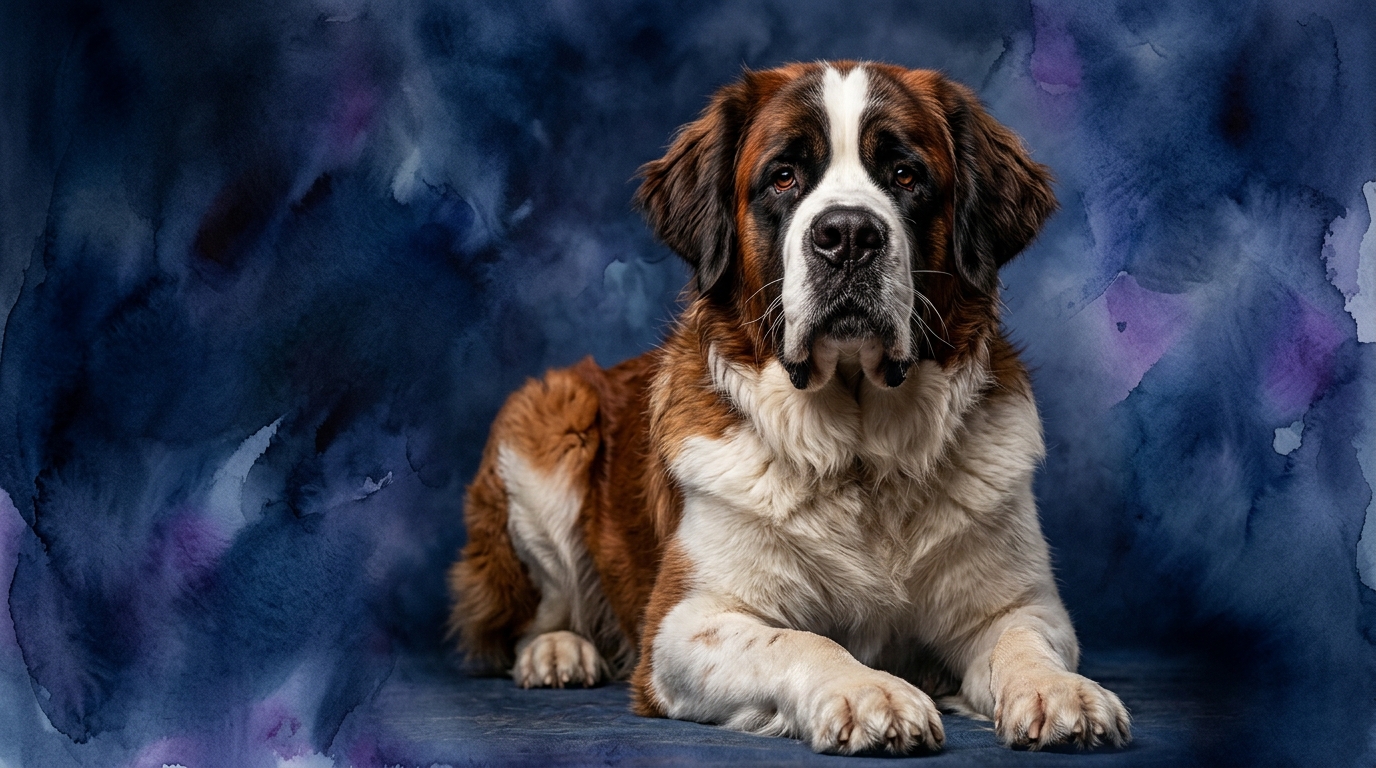
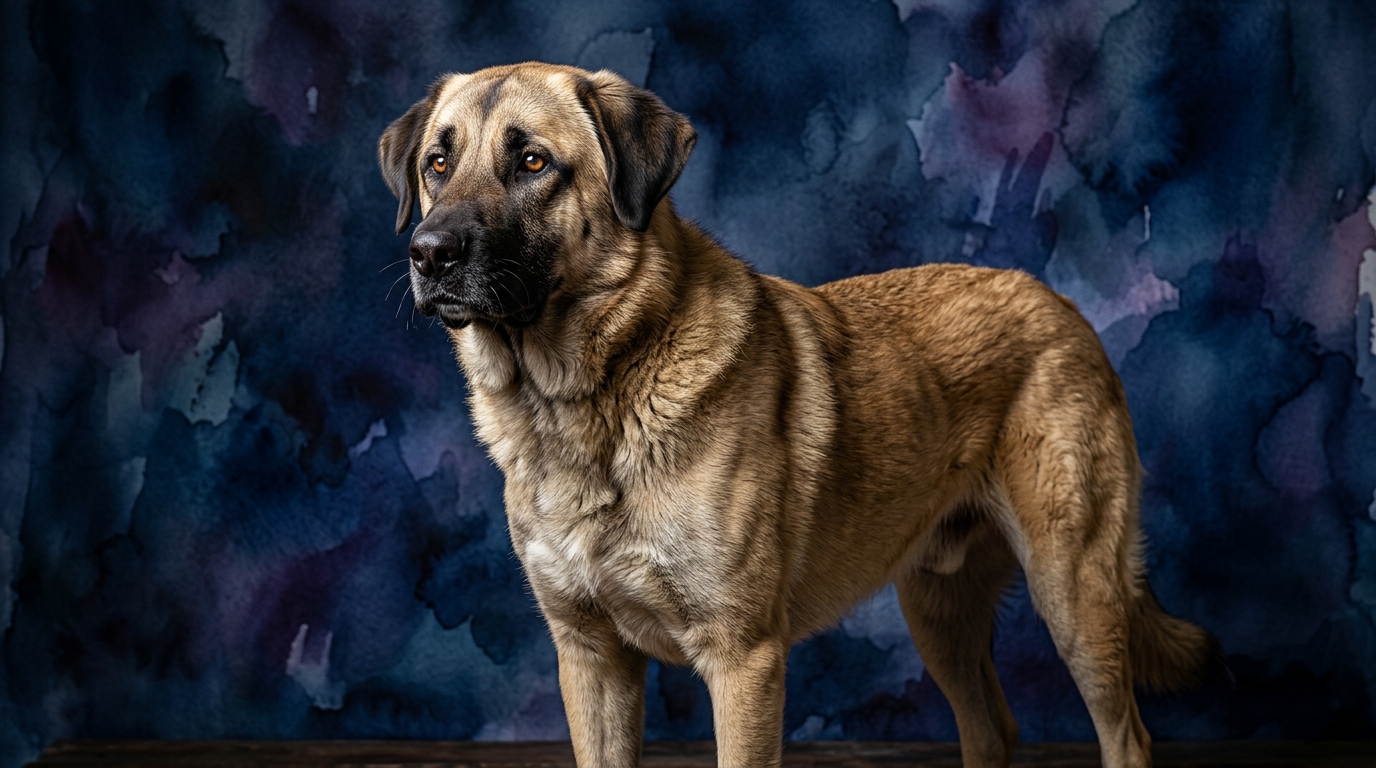
Side-by-Side IQ Profile: Saint Bernard vs. Anatolian Shepherd Dog
The Cosmic Pet Pet IQ Lab employs a five-dimensional framework to assess canine cognition, offering a granular view of each breed's intellectual aptitudes. For the Saint Bernard, a breed with a Coren ranking of #65, and the unranked Anatolian Shepherd Dog, these dimensions illuminate their unique mental blueprints.
**Saint Bernard (Coren Rank #65):** This gentle giant's profile highlights its profound social nature and powerful inherent drives. **Problem Solving (3/5):** Saint Bernards are capable of learning complex tasks, particularly those involving rescue or assistance, but they may not be the quickest to devise novel solutions in entirely unfamiliar scenarios. Their problem-solving often relies on executing learned sequences or recognizing familiar patterns rather than spontaneous innovation. **Training Speed (2/5):** While capable of learning a wide array of commands, Saint Bernards often require considerable patience and repetition. Their independent streak and sometimes ponderous nature mean new concepts don't always click immediately, necessitating consistent, positive reinforcement to solidify understanding. **Social Intelligence (4/5):** These dogs truly excel at reading human emotions and intentions, often forming deep, empathetic bonds. Their history as companions and rescue dogs has fostered a keen understanding of social cues and a strong desire to interact cooperatively and affectionately with people. **Instinctive Drive (5/5):** The Saint Bernard's natural inclination towards caregiving, protection, and rescue is profound. This powerful inherent drive guides much of their behavior, manifesting as a watchful presence and a readiness to assist, even without explicit command or prompting. **Memory (3/5):** They possess a solid memory for routines, commands, and familiar individuals. While not exceptional, their recall for well-established patterns and important social connections is reliable, contributing to their steadfast and dependable nature.
**Anatolian Shepherd Dog (Not Coren-Ranked):** This formidable guardian's profile underscores its independent and protective nature. **Problem Solving (3/5):** Anatolians are adept at assessing threats and devising strategies to protect their flock or family. Their problem-solving is often rooted in practical, real-world scenarios, demonstrating a pragmatic intelligence focused on vigilance, security, and independent decision-making in the face of perceived danger. **Training Speed (3/5):** They can learn at a moderate pace, but their independent nature as livestock guardians means they're not always eager to comply with human commands if they perceive them as unnecessary, arbitrary, or conflicting with their inherent duties. Consistency and clear purpose are crucial for effective training. **Social Intelligence (3/5):** While capable of forming strong, loyal bonds with their family, Anatolians tend to be more reserved and less overtly demonstrative than some breeds. Their social intelligence is primarily geared towards understanding their 'flock' dynamics and identifying potential threats, rather than constant human interaction or broad social engagement. **Instinctive Drive (3/5):** Their primary instinctive drive is guardianship. This manifests as a strong protective instinct towards their perceived territory and family, often leading to a watchful, sometimes aloof, demeanor with strangers. It's a focused, rather than broadly social, drive, centered on security. **Memory (3/5):** Anatolians have a good memory for their territory, established routines, and the individuals they are tasked with protecting. They remember threats and safe zones, contributing to their effectiveness as guardians, though perhaps less so for intricate or complex obedience sequences.
Where the Saint Bernard Wins Cognitively
The Saint Bernard's cognitive strengths shine particularly bright in areas centered around connection and an intrinsic drive to help. Their **Social Intelligence (4/5)** score highlights a superior capacity for empathetic connection and a nuanced understanding of human emotions. They are adept at interpreting subtle cues, offering comfort, or sensing distress, making them exceptional therapy or companion animals. This deep social awareness extends beyond basic recognition, allowing them to anticipate needs and respond with a gentle, reassuring presence that few breeds can match, fostering incredibly strong human-animal bonds.
With a perfect **Instinctive Drive (5/5)**, the Saint Bernard's innate predisposition for rescue and caregiving is truly unparalleled. This isn't merely about physical strength; it's a cognitive inclination to identify individuals in need and act proactively to protect or assist them. Their historical role in the treacherous Alps wasn't just about physical endurance, but a profound, proactive instinct to seek out and tend to the lost, demonstrating a unique internal compass that guides their actions even without explicit prior training.
Where the Anatolian Shepherd Dog Wins Cognitively
The Anatolian Shepherd Dog's cognitive edge lies in its autonomous decision-making and practical application of intelligence within its guardian role. While both breeds score 3/5 in problem-solving, the *nature* of their **Problem Solving** differs significantly. The Anatolian's problem-solving is intrinsically tied to their guardian duties; they excel at assessing dynamic, unpredictable threats to their territory or flock, requiring independent judgment rather than strict adherence to human commands. This practical, situational problem-solving, such as deciding how to deter a potential predator or where to position themselves for optimal vigilance, often involves a more autonomous and self-directed cognitive process than the Saint Bernard's more people-centric tasks.
In terms of **Training Speed**, the Anatolian Shepherd Dog, with a 3/5 compared to the Saint Bernard's 2/5, demonstrates a slightly quicker grasp of new concepts, provided the training aligns with their inherent purpose or makes logical sense from their perspective. While still requiring patience due to their independence, they can process and integrate new information a bit more efficiently, especially when the task has a clear function or offers a perceived benefit that aligns with their natural drives. This marginally faster processing can make certain training objectives achievable with less extensive repetition.
Training Dynamics: Which is Easier to Train and Why?
When it comes to the ease of training, the Saint Bernard presents a greater challenge, primarily due to their 2/5 training speed. While they possess high social intelligence and a desire to please their human companions, their sheer size combined with a more deliberate learning pace means that establishing reliable obedience requires immense patience, consistency, and overwhelmingly positive reinforcement. They can exhibit a form of 'selective deafness' if not sufficiently motivated, and their powerful instinctive drive for social interaction can sometimes override a command if a more engaging human interaction presents itself, demanding a trainer who can maintain focus and engagement.
The Anatolian Shepherd Dog, with a 3/5 training speed, offers a marginally easier path to training, but it comes with its own unique set of hurdles. Their profound independence and strong guardian instincts mean they are less inclined to blindly follow commands that don't align with their perceived duties or self-interest. Training an Anatolian means understanding their motivations and making commands relevant to their natural drives. For instance, teaching them to 'stay' might be more successful if framed as 'guard this spot' rather than a mere arbitrary command, appealing to their inherent purpose. Neither breed is for the faint of heart when it comes to training; both demand a dedicated and understanding approach, but the Saint Bernard's combination of deliberate learning and massive physical presence often requires a more physically capable and exceptionally patient trainer.
Matching Breeds to Lifestyles: Active vs. Relaxed Owners
The Saint Bernard, despite its imposing size, often fits better with relaxed owners who appreciate a calm, companionable presence, though they still require daily walks and mental stimulation to maintain well-being. Their strong instinctive drive for social interaction means they thrive on being an integral part of family activities, even if those activities are quiet evenings at home. They aren't typically suited for highly active owners seeking a running or intense hiking partner, but rather for those who enjoy gentle strolls and ample cuddle time. Their cognitive strengths lie in social bonding and empathetic responses, making them excellent, low-key companions for those who prioritize connection and a placid home environment over intense physical exertion.
The Anatolian Shepherd Dog, conversely, is better suited for owners who understand and can accommodate a dog with a strong working drive, even if not actively herding. While not necessarily requiring constant high-impact exercise, they need owners who can provide purpose and mental engagement related to their guardianship instincts. This might involve large, securely fenced yards where they can patrol and observe, or structured activities that tap into their independent problem-solving skills and watchful nature. Relaxed owners who cannot provide an outlet for their protective instincts or who prefer a dog that is always eager to please might find the Anatolian's independence and territorial nature challenging. They thrive with owners who are active in their *management* and *engagement* with the dog's inherent drives, rather than just physical activity alone.
The Verdict
Choose a Saint Bernard if you seek a deeply empathetic, gentle giant whose primary cognitive strength lies in social connection and an innate, powerful drive to care for its human family, provided you have the patience for their deliberate training pace.
Opt for an Anatolian Shepherd Dog if you appreciate an independent, watchful guardian whose intelligence manifests in pragmatic problem-solving and territorial protection, and you are prepared to manage a strong, self-reliant working breed with a clear purpose.
🧠 Find Your Pet's IQ Score
Our Pet IQ Lab assessment covers 25+ tests across 5 cognitive dimensions — personalized to your breed.
Take the Full IQ Test →Frequently Asked Questions
Is the Saint Bernard truly slow to learn new commands?
While Saint Bernards score 2/5 in training speed, it doesn't mean they can't learn. It signifies they require more patience, repetition, and positive reinforcement to grasp and consistently execute new commands, often preferring to learn at their own deliberate pace rather than rushing through lessons.
How does the Anatolian Shepherd Dog's independence affect training?
The Anatolian's independence means they evaluate commands based on their perceived relevance to their guardian role or personal logic. Training is most effective when it leverages their natural instincts and provides clear motivation, rather than relying on rote obedience without purpose.
Which breed is better with children?
Both breeds, with proper socialization from a young age, can be good with children. The Saint Bernard's high social intelligence and gentle nature often make them naturally patient and protective, while the Anatolian's protective instincts extend to their 'flock,' including children, though they may be more reserved with strangers.